
 Canada
 USA
USA Japan
Japan


Why Double Sided Acrylic Foam Tapes Fail: Mastering Temperature

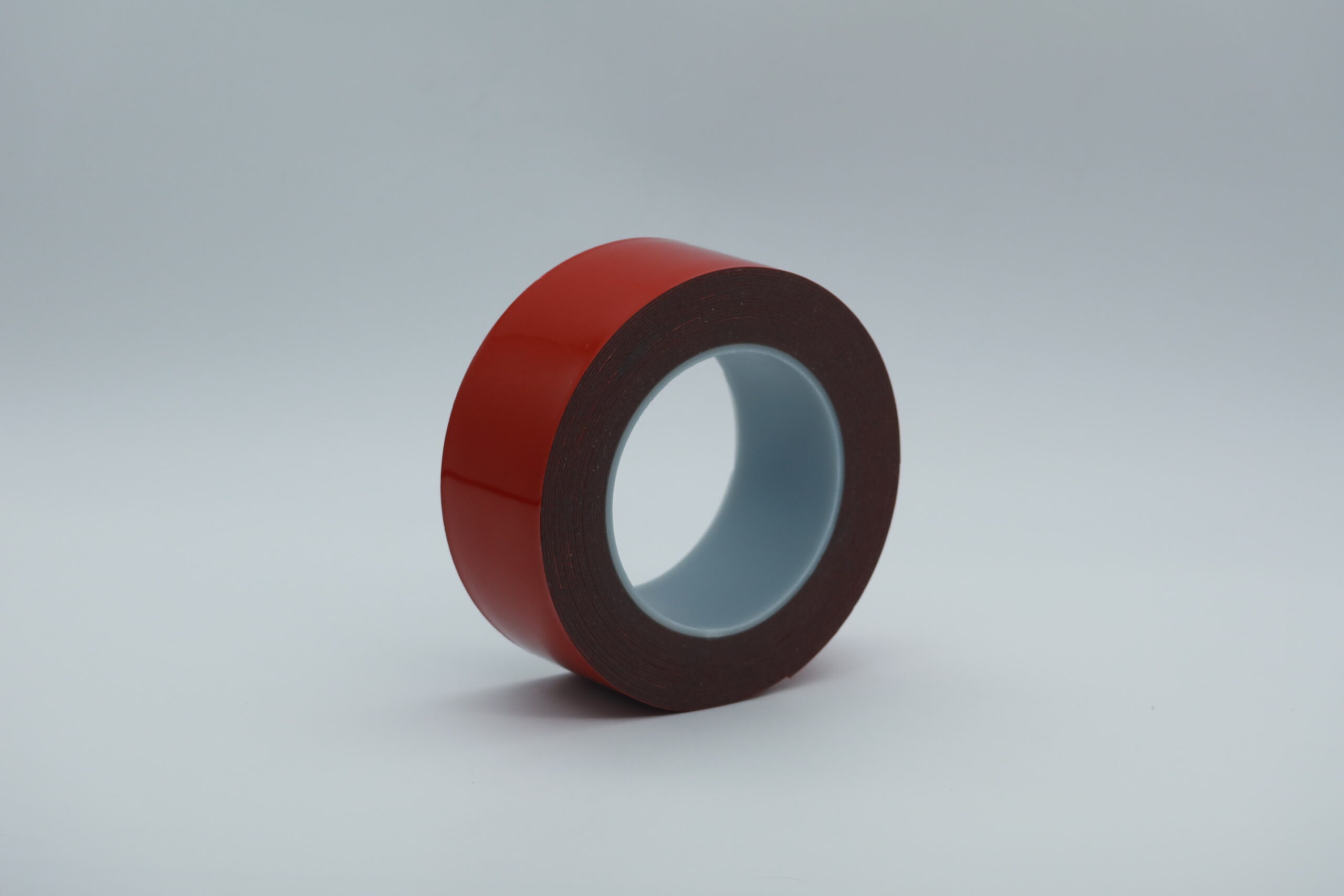
Many industrial professionals face a frustrating paradox. They purchase high-qualitydouble sided acrylic foam tapes, only to witness bond failure during installation. The tape is often blamed for being “low quality,” but the reality usually lies in a misunderstanding of temperature dynamics.
Understanding the difference between application temperature and service temperature is critical for B2B procurement and engineering. If you apply the tape in a cold warehouse, it may never reach its rated strength. However, once properly bonded, that same tape can withstand extreme environmental shifts.
This guide clarifies how to master the “Goldilocks zone” for double-sided strong adhesion acrylic foam tape to ensure long-term structural integrity.
The Critical Difference Between Application and Service Temperature
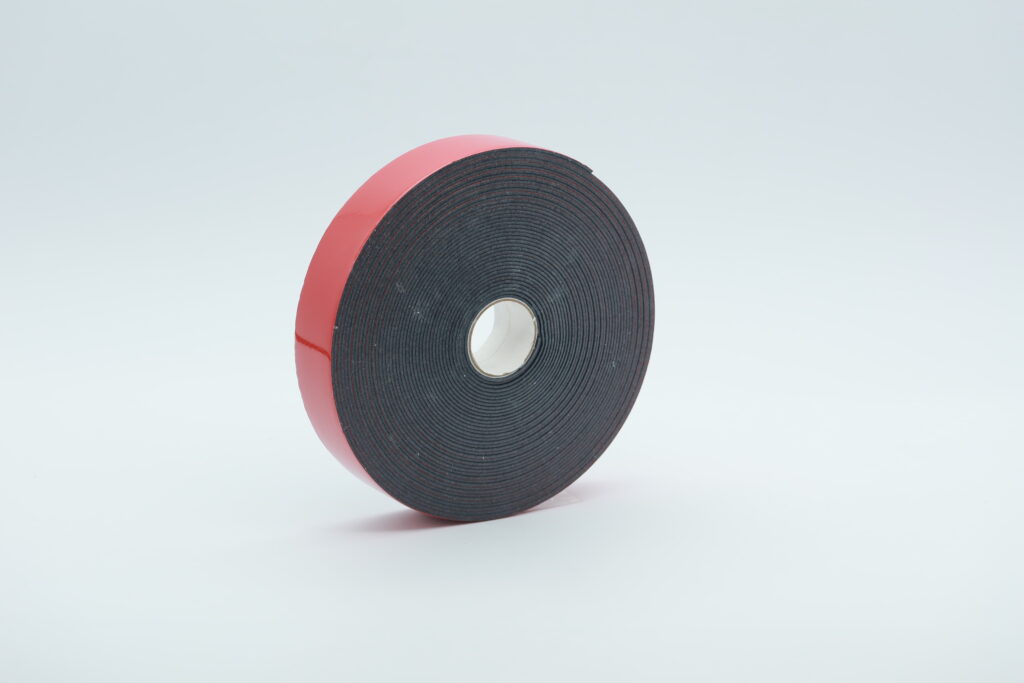
In the world of pressure-sensitive adhesives (PSAs), temperature plays two distinct roles. Misidentifying them is the leading cause of bond failure in automotive and construction sectors.
What is Application Temperature?
This refers to the environment during the actual sticking process. For double sided acrylic foam tapes, the ideal range is typically between 20°C and 28°C. This is the “active” phase where the adhesive must flow into the microscopic valleys of the substrate.
What is Service Temperature?
This is the “passive” phase. Once the bond has cured (usually after 72 hours), it can withstand much harsher conditions. For instance, a double-sided red acrylic foam tape might be applied at 22°C but can later survive temperatures from -40°C to 120°C without debonding.
Using asphalt as an analogy: the best time to pave a road is summer because the material flows easily. Once set, that road remains intact even when winter temperatures drop below freezing.
Why Environmental Conditions Dictate Bond Strength
Like human comfort, double sided acrylic foam tapes require specific humidity and temperature levels to perform. If the environment is too cold, the adhesive becomes “glassy” and hard. It cannot “wet” the surface, leading to poor initial contact.
- Optimal Temperature: 20°C – 28°C. If your workshop is colder, use space heaters or air conditioning to stabilize the environment.
- Optimal Humidity: 50% – 60% RH. You can install humidifiers near the bonding station to maintain this range.
Note: Never use mist-style humidifiers directly near the taping station. Water droplets on the adhesive face will permanently compromise the double-sided strong adhesion acrylic foam tape.
The Seesaw Effect: Initial Tack vs. Long-term Holding Power
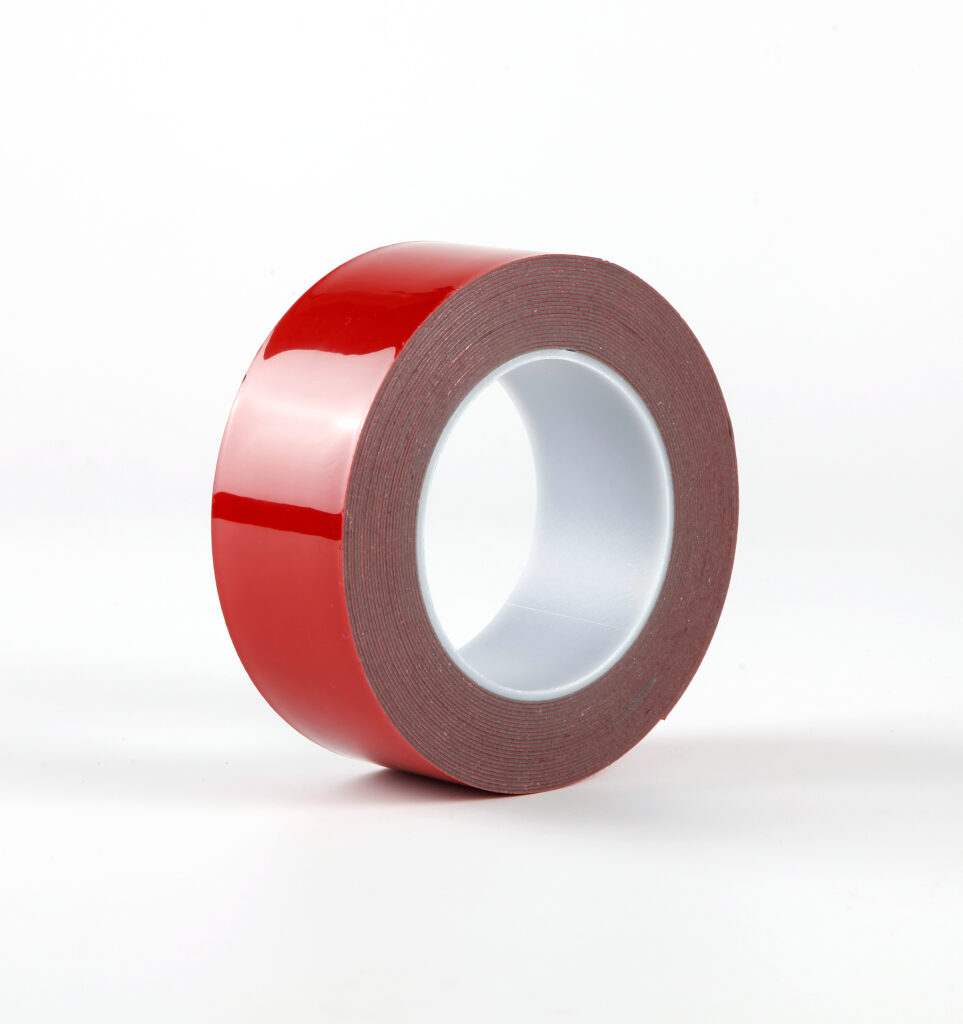
A common request in B2B sourcing is a tape that “sticks instantly in the cold” but “lasts for ten years.” In adhesive chemistry, this is often a physical impossibility known as the “Tack vs. Cohesion” trade-off.
The Initial Tack (The Quick Stick)
To make a tape stick instantly in low temperatures, chemists must make the adhesive softer. While this provides high initial tack, it often reduces the internal strength (cohesion). A tape that is too soft may “creep” or slide under a heavy load over time.
The Holding Power (The Permanent Bond)
High-performance double-sided strong adhesion acrylic foam tape is engineered for “holding power.” These tapes are firmer and require more energy (and warmth) to initiate the bond. Once they are set, they create a near-permanent weld that resists UV, chemicals, and vibration.
Think of it like medicine: a fast-acting painkiller provides immediate relief but doesn’t fix the underlying injury. A long-term structural bond requires the right “treatment” (pressure and heat) to ensure it lasts for the product’s entire lifecycle.
How to Verify Quality in Double-Sided Red Acrylic Foam Tape
When evaluating double-sided red acrylic foam tape, the red liner is simply a brand or aesthetic preference; the core technology is what matters. High-quality foam tapes use a closed-cell acrylic core that distributes stress along the entire length of the bond.
To ensure you are using the right material for B2B applications, check the viscoelastic properties. Unlike traditional rubber tapes, acrylic foam absorbs energy. This allows it to expand and contract with metal or plastic substrates during temperature swings.
Selection Criteria for Industrial Grade Foam Tapes
Choosing the right adhesive involves more than just picking a part number. You must align your production environment with the tape’s chemical requirements. Quality stability over the product lifecycle must always take precedence over convenience in the assembly line.
- Surface Energy: Is the substrate a “high energy” surface like stainless steel, or a “low energy” surface like polyethylene?
- Dwell Time: Can your production line allow 72 hours for the tape to reach 100% bond strength?
- Environmental Exposure: Will the finished product face high UV exposure or chemical cleaning agents?
For professional-grade projects requiring high-stress resistance and weatherability, the FV110 Acrylic Foam Series offers the structural integrity needed for automotive and signage industries, provided the application protocols are followed.
Summary
The success of double sided acrylic foam tapes depends on respecting the laws of chemistry. To achieve double-sided strong adhesion, you must ensure the application temperature is warm enough for the adhesive to “flow.” Once the bond is established and cured, the tape will provide the long-term durability your project requires.
FAQ
1. Can I apply acrylic foam tape in temperatures below 10°C?
It is not recommended. At low temperatures, the adhesive loses its flowability (viscosity), preventing it from making full contact with the substrate. If you must work in the cold, pre-heat the surface and the tape with a heat gun or infrared lamp.
2. How long does it take for double-sided strong adhesion acrylic foam tape to fully cure?
Typically, it reaches 50% strength after 20 minutes, 90% after 24 hours, and 100% after 72 hours at room temperature.
3. Why is the liner often red on these tapes?
The red PE liner is an industry standard for double-sided red acrylic foam tape, signaling that the tape is high-performance acrylic foam, often used in automotive or heavy-duty industrial applications.
Reference Sources
- PSTC: Pressure Sensitive Tape Council – Test Methods for Surface Energy and Tack https://pstc.org/
- ASTM International: ASTM D3330 (Standard Test Method for Peel Adhesion of Pressure-Sensitive Tape) https://www.astm.org/