
 Canada
 USA
USA Japan
Japan


Sourcing Premium Heat Resistance Tissue Double Side Tape

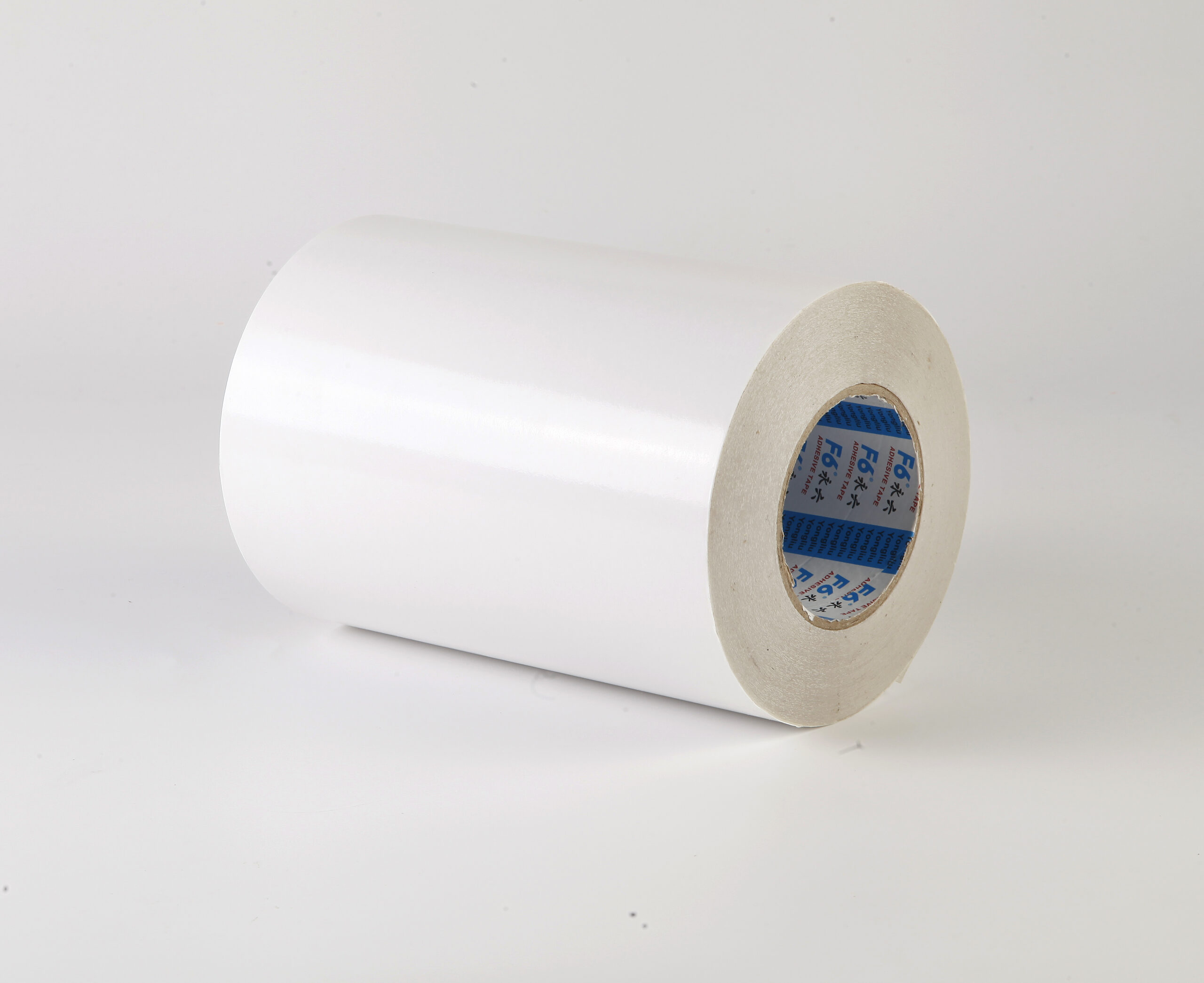
Sourcing the correct adhesive solution is critical for maintaining product integrity in manufacturing. As a procurement professional or engineer, you know that adhesive failure leads to costly recalls and production downtime. Tissue double side tape is often the unsung hero in these applications, providing immediate bonding for foam, plastic, and metal fabrication.
However, not all tissue tapes perform equally under stress. A generic tape might work for stationery, but industrial applications require specific chemical formulations. I will guide you through the technical criteria needed to identify high-performance tapes. We will focus on adhesive types, thermal stability, and essential quality benchmarks.
Understanding the Anatomy of Premium Double Sided Tissue Tape
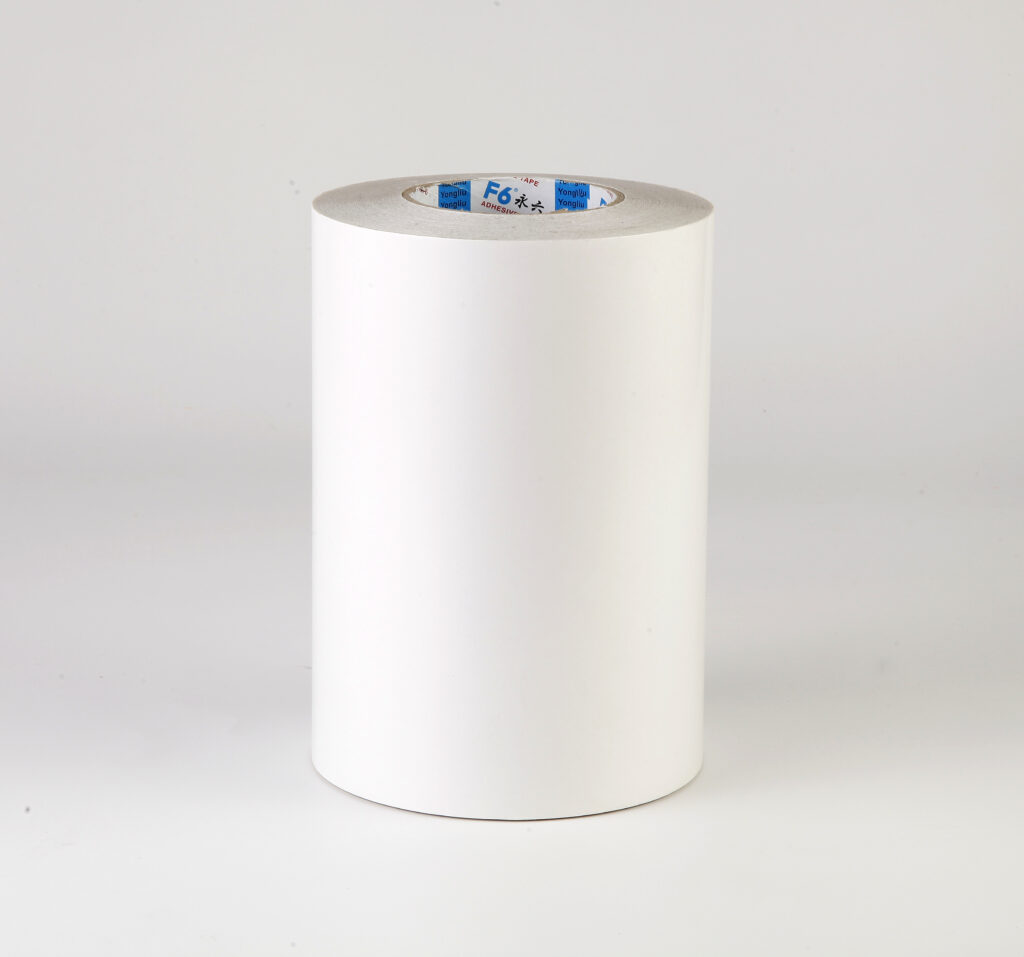
To select the right product, you must understand what lies beneath the release liner. A premium double sided tissue tape consists of a non-woven tissue carrier coated on both sides with pressure-sensitive adhesive (PSA). The tissue carrier is the structural backbone.
According to the Pressure Sensitive Tape Council (PSTC), the carrier provides dimensional stability while allowing the tape to remain conformable. This conformability is why tissue tape is preferred for bonding irregular surfaces. It allows the adhesive to flow into microscopic gaps in the substrate.
The differentiator is the adhesive chemistry. Cheap alternatives often use rubber-based adhesives (Hot Melt). While these offer high initial tack, they degrade quickly when exposed to UV light or oxidation. For industrial durability, solvent acrylic adhesives are the superior choice. They provide a stable, long-lasting bond that resists environmental aging.
Why Heat Resistance Tissue Double Sided Tape Matters
Temperature fluctuations are the primary cause of adhesive failure in automotive and electronic applications. When evaluating options, specifying Heat Resistance Tissue Double Sided Tape is non-negotiable for harsh environments. Standard tapes often lose their shear strength (holding power) as temperatures rise.
The International Organization for Standardization (ISO) and ASTM International maintain rigorous standards for testing adhesion under thermal stress. For instance, testing methods like ASTM D3654 measure how well a tape resists sliding down a vertical panel under a load.
If your product faces temperatures above 80°C (176°F), a standard rubber adhesive will likely soften and flow (ooze). This causes bond failure. A specialized solvent acrylic tissue tape can typically withstand temperatures ranging from 100°C to 120°C. This thermal stability ensures the tape maintains its grip during shipping, storage, and end-use operation.
Evaluating Double Sided Tissue Tape Suppliers
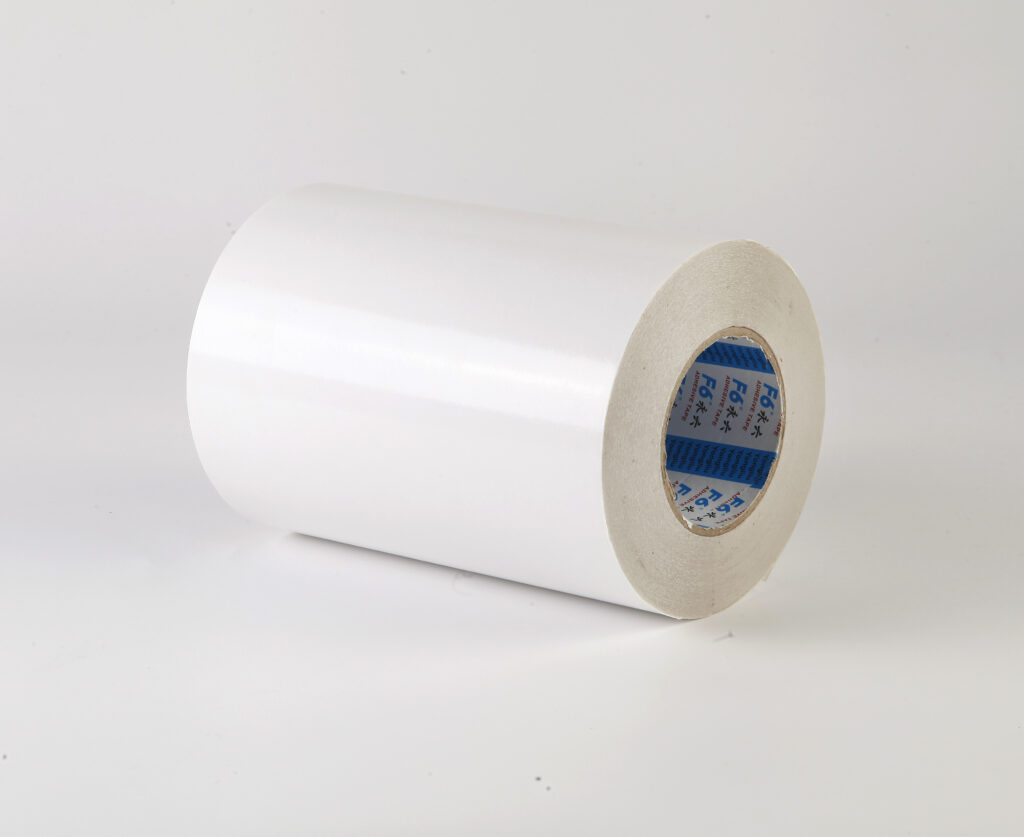
Finding reliable partners is as important as the product specifications. When vetting double sided tissue tape suppliers, you must look beyond the price per roll. Supply chain consistency is the hallmark of a professional B2B vendor.
I recommend requesting Technical Data Sheets (TDS) for every batch. A reputable supplier should be able to provide specific metrics for:
- Peel Adhesion: The force required to remove the tape (ASTM D3330).
- Shear Strength: The time it takes for the bond to fail under load.
- Thickness Tolerance: Precision in the coating weight.
Furthermore, wholesale tissue double side tape should be packaged to prevent “telescoping” (where the roll layers slide out). This indicates proper tension control during converting. Suppliers who prioritize these details are usually manufacturers rather than mere re-sellers. They understand that consistency reduces your waste and rework costs on the assembly line.
Assessing Your Need for Specialized Adhesion
How do you determine if you need a standard tape or a high-performance solution? You must analyze the stress factors of your specific application. If your project involves bonding low-surface-energy (LSE) plastics or requires resistance to high temperatures, generic tapes will fail.
Consider the “F500” specification as a benchmark for industrial performance. This grade typically represents a balance of high initial tack and sustained thermal resistance. It is designed for laminating foam, fixing electronic parts, and general industrial mounting.
You should consider upgrading to this specific grade if:
- Your operating environment exceeds 100°C.
- You require a strong bond on curved or rough surfaces.
- You need a tape that resists repelling (lifting) over time.
For detailed specifications on this type of industrial solution, you can review the technical parameters of the F500 Heat Resistance Tissue Double Sided Tape. This page provides the specific data points needed to verify if this material meets your engineering requirements.
Summary
Selecting the right tissue double side tape requires balancing adhesive chemistry with environmental demands. For B2B applications, prioritizing solvent acrylic adhesives and verified heat resistance ensures longevity. Always validate that your chosen supplier adheres to recognized testing standards to guarantee consistent performance.
FAQ
Q1: What is the temperature limit for heat resistance tissue double sided tape?
High-quality solvent acrylic tissue tapes can typically withstand temperatures up to 120°C (248°F) for short periods and 80-100°C continuously.
Q2: Can tissue tape bond to textured surfaces?
Yes, the non-woven tissue carrier is highly conformable, allowing the adhesive to bond effectively with textured or irregular surfaces like foam.
Q3: What is the difference between hot melt and solvent acrylic tissue tape?
Hot melt offers high initial stick but low durability; solvent acrylic provides moderate initial stick but superior heat resistance and long-term aging properties.
Q4: How should I store wholesale tissue double side tape?
Store tapes in a clean, dry place at room temperature (21°C/70°F) and 50% relative humidity to maintain shelf life for up to 12 months.
Reference Sources
Pressure Sensitive Tape Council (PSTC)
Glossary of Terms & Test Methods
ASTM International
ASTM D3330 (Standard Test Method for Peel Adhesion of Pressure-Sensitive Tape)
ASTM D3654 (Standard Test Methods for Shear Adhesion of Pressure-Sensitive Tapes)