
 Canada
 USA
USA Japan
Japan


What Is Double Sided Transfer Tape? B2B Buyer Guide

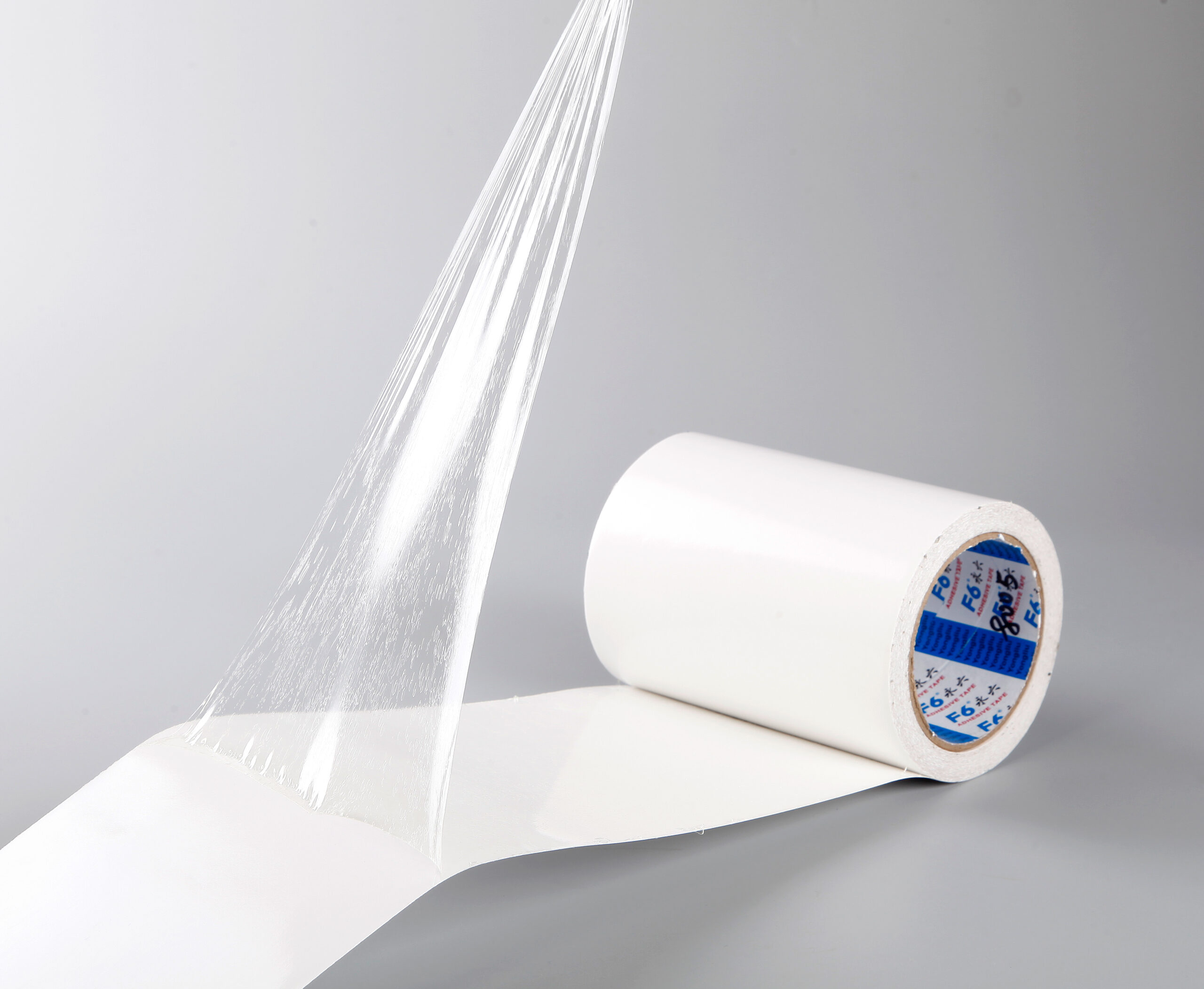
When optimizing industrial assembly lines, I frequently recommend double sided transfer tape to manufacturers seeking extreme precision. As an adhesive specialist, I want to clearly explain what this unique material actually is. Simply put, it is a pure pressure-sensitive adhesive layer resting on a removable liner, completely lacking a solid carrier film.
Standard transfer tapes typically range in thickness from 0.05 mm to 0.125 mm. This ultra-thin profile delivers a nearly invisible, flush bond line for critical components. The complete absence of a backing material allows the tape to stretch and conform perfectly to irregular substrates.
What Is Double Sided Transfer Tape Structurally?
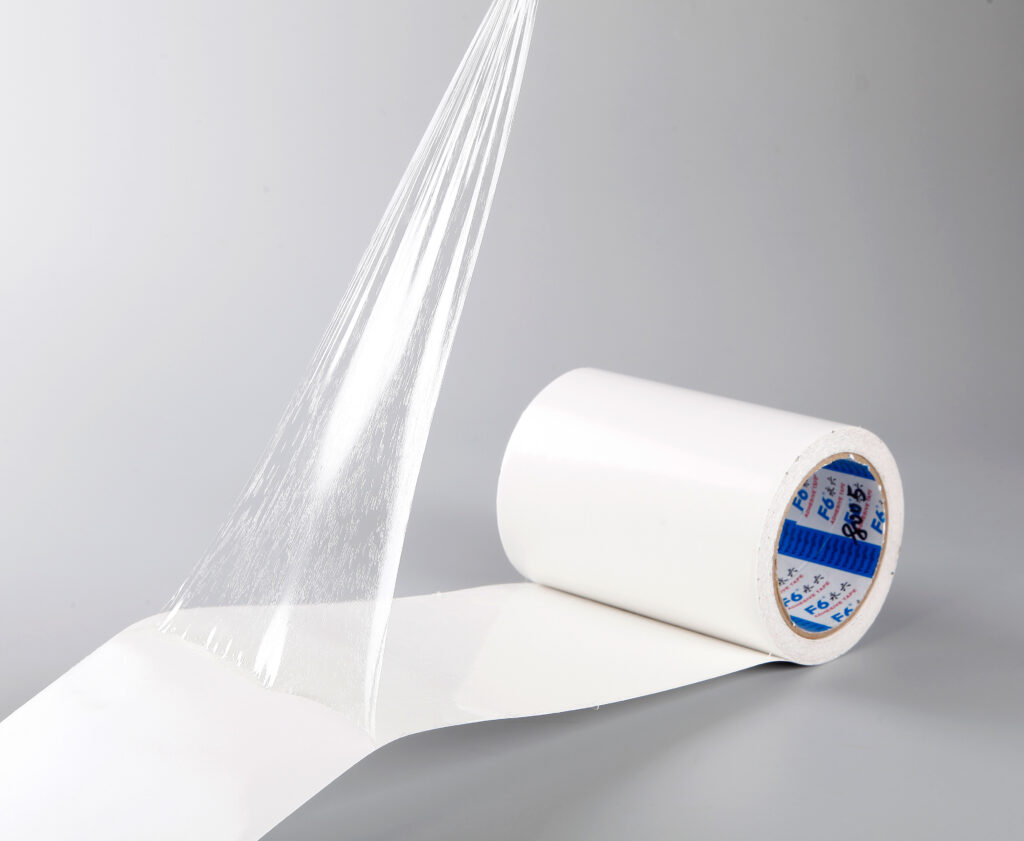
This specialized tape consists entirely of an unsupported pressure-sensitive adhesive. The adhesive rests securely on a silicone-coated paper or film liner before application. Without a central carrier layer, the material remains exceptionally flexible during the complex bonding process.
You can apply it manually or by utilizing an adhesive transfer gun. This specialized dispensing tool significantly increases application speed compared to manual peeling methods. Advanced tapes double-sided adhesive transfer solutions utilize high-performance acrylic formulations for demanding environments.
These specialized acrylics offer remarkable environmental resistance and long-term durability. The pure adhesive flows directly into micro-crevices on the target surface. This mechanism creates an incredibly strong, permanent bond on textured substrates without adding bulky layers.
The Science Behind the Pure Adhesive Bond
The effectiveness of these tapes relies heavily on substrate surface energy and adhesive flow. Pressure-sensitive adhesives require firm application pressure to develop intimate contact safely. This targeted pressure actively forces the pure adhesive into the microscopic texture of the substrate.
Over time, the final bond strength typically increases as the adhesive continues to wet out. High-performance acrylics are thermoplastic in nature and react to environmental changes. They can become softer and significantly more conformable as ambient temperatures increase slightly.
At lower temperatures, the adhesive becomes firmer and initial tack generally decreases. Application below 50°F (10°C) is rarely recommended for standard B2B industrial formulations. Proper surface preparation remains mandatory to achieve maximum bond strength securely.
Industrial surfaces must be thoroughly cleaned with appropriate solvents and completely dried. This vital step ensures that no ambient dust or machine oils interfere with the delicate adhesive layer. A pristine surface guarantees a secure, long-lasting bond for heavy-duty manufacturing applications.
Adhesive Transfer Tape vs Double Sided Tape: Key Differences
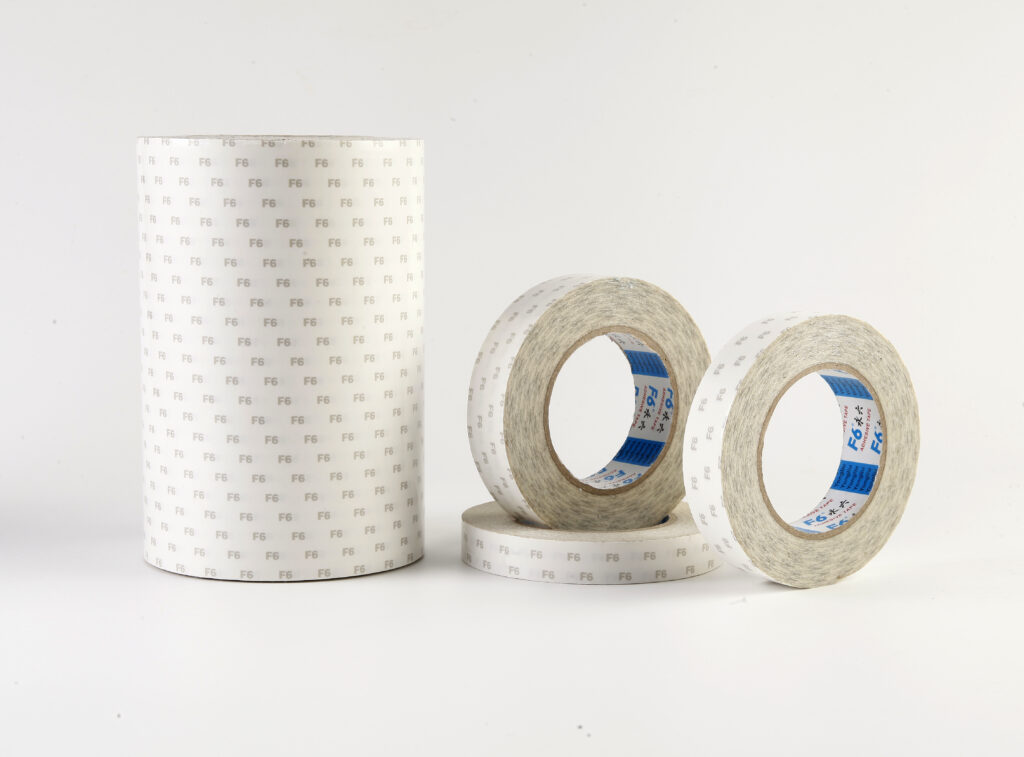
Understanding adhesive transfer tape vs double sided tape is crucial for manufacturing engineers. Standard double-sided tape features a rigid carrier material, like tissue or PET. This solid carrier sits squarely between two distinct layers of functional adhesive.
The internal carrier provides dimensional stability and prevents the tape from stretching during application. Conversely, transfer tape has absolutely no carrier film whatsoever. This fundamental structural difference dictates both material conformability and overall tape thickness.
Standard tapes inevitably add measurable bulk to a mechanical joint. Transfer tapes leave only a microscopic, functional layer of pure adhesive behind. This makes transfer tape vastly superior for optically clear bonding and low-profile electronic applications.
Standard tapes are typically better suited for applications requiring heavy structural support. They provide excellent tear resistance during application and eventual removal phases. Transfer tapes strictly prioritize maximum flexibility and seamless visual aesthetics over structural rigidity.
Common Industrial Applications and Data-Backed Benefits
Industrial manufacturers rely heavily on these specialized tapes to streamline daily operations. The automotive sector uses them extensively for safely attaching interior trim and high-temperature gaskets. Medical device manufacturers appreciate their clean, precise, and highly controlled application profiles.
The electronics industry depends on them for bonding heat sinks and flexible printed circuits. Their pure adhesive nature prevents unwanted optical distortion in modern touchscreens. Signage producers use them for flush-mounting metal nameplates without any visible gaps.
Using these tapes dramatically reduces assembly time on the factory floor. It completely eliminates the need for messy liquid glues or complex mechanical fasteners. This strategic shift translates directly to lower production costs and improved product consistency.
Furthermore, aerospace engineers often utilize low-outgassing variants for critical interior components. These specific tapes can typically withstand short-term temperature spikes up to 540°F (280°C). Engineers must always conduct independent testing to verify safety compliance before full-scale production begins.
How to Judge if F802 Transfer Double Sided Tape Fits Your Needs
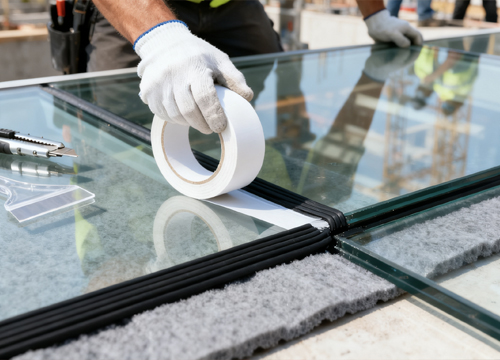
Selecting the right adhesive directly impacts your product durability and long-term brand reputation. You must rigorously evaluate specific bonding requirements before purchasing any manufacturing materials. Consider the extreme environmental conditions your final assembled product may typically face outdoors.
Assess the surface energy of your mating materials carefully to ensure complete compatibility. The F802 transfer double sided tape provides exceptional initial tack and robust temperature resistance. It is engineered specifically for demanding industrial B2B applications requiring tight manufacturing tolerances.
You should choose this advanced formulation when bonding complex, highly irregular surfaces. Reviewing the specifications on the F802 transfer double sided tape page helps confirm chemical compatibility. Evaluating these technical parameters guarantees a reliable manufacturing outcome and prevents costly assembly line failures.
In summary, double sided transfer tape is a highly conformable, completely carrier-free adhesive layer. Choosing this specialized solution over standard carrier tapes optimizes high-precision, low-profile assembly tasks. It significantly improves overall product aesthetics and structural reliability across demanding industrial manufacturing environments.
FAQ
Q1: What is the main advantage of double sided transfer tape?
The primary advantage is its extreme conformability due to the complete lack of a rigid carrier film. This allows the pure adhesive to flow into textured surfaces effortlessly. It creates a flush, nearly invisible bond for low-profile industrial applications.
Q2: Does adhesive transfer tape require curing time?
No, it typically does not require any thermal or chemical curing time. It utilizes a pressure-sensitive adhesive that bonds instantly upon firm manual application. This immediate tack accelerates assembly line speeds and reduces production bottlenecks.
Q3: Can you use transfer tape for high-temperature applications?
Yes, many industrial acrylic transfer tapes are highly resistant to extreme heat. Specialized formulations can safely withstand short-term temperatures up to 540°F (280°C). Always verify the specific temperature rating of your chosen product beforehand.
Q4: How do you apply double sided transfer tape efficiently?
You apply it most efficiently using an industrial adhesive transfer gun. This handheld dispenser automatically peels away the release liner during the application process. It ensures precise placement and drastically reduces manual labor time.
Q5: What is the difference between transfer tape and standard double-sided tape?
Standard tapes have a central carrier film, while transfer tapes do not. Transfer tape consists purely of an adhesive layer on a removable release liner. This critical structural difference makes transfer tape significantly thinner and more flexible.