
 Canada
 USA
USA Japan
Japan


High-Performance 0.15mm Double Sided Tissue Tape for Industrial Bonding

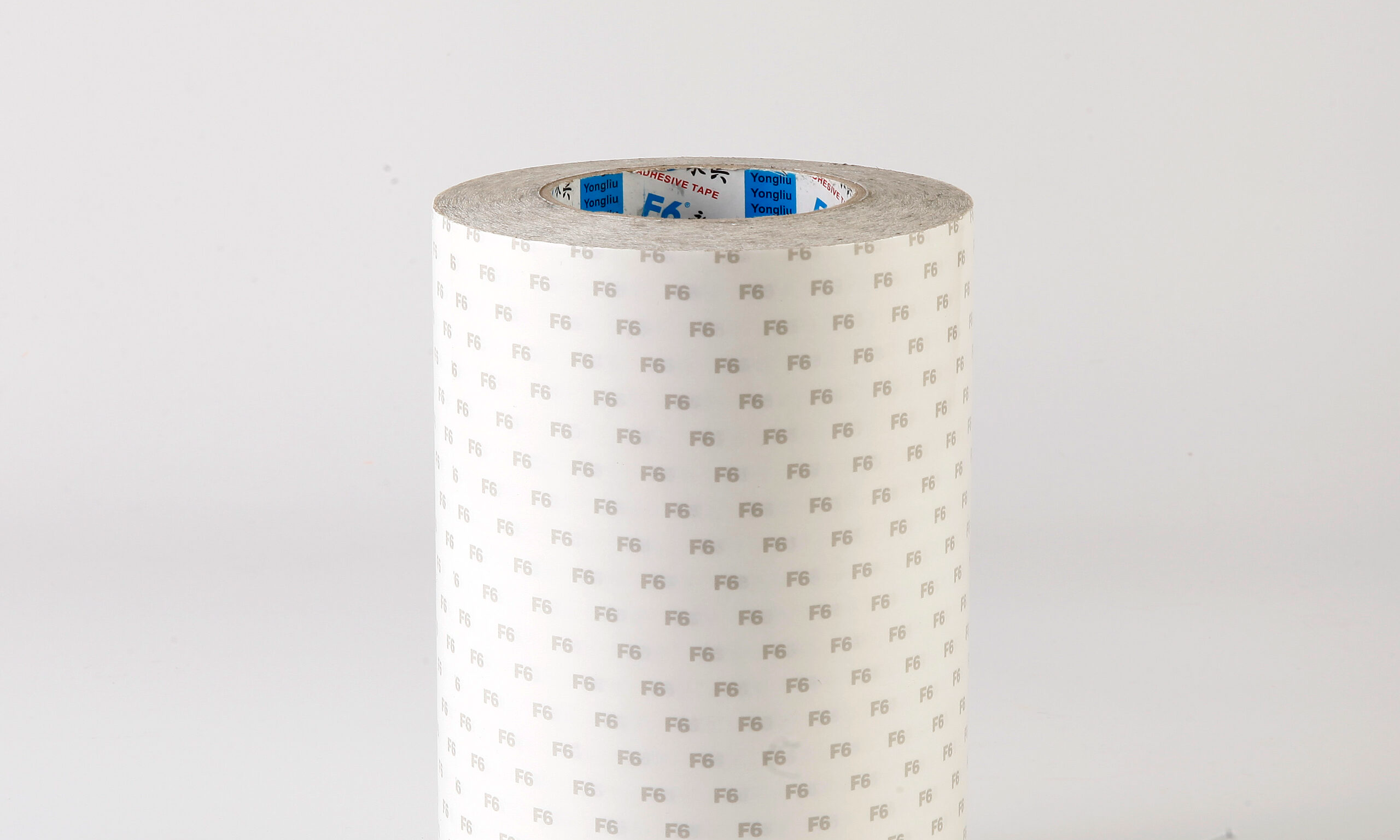
Selecting the right double sided tissue tape requires a deep understanding of adhesive chemistry and substrate compatibility. For professional users in the electronics and appliance industries, the bond must be permanent and resistant to environmental stress. A 0.15mm double sided tissue tape offers a unique balance between thickness and conformability. This specific gauge allows the adhesive to fill surface irregularities without adding significant bulk to precision components.
The success of an industrial lamination project depends on the “anchoring strength” at the interface. Using a non-woven tissue carrier allows for better “wetting” of the surface compared to rigid film-based tapes. This conformability is essential when bonding materials that exhibit slight surface irregularities, such as foams or textured plastics. By selecting a tape with high molecular polarity, manufacturers can ensure long-term structural integrity.
Industrial Benchmarks for 0.15mm Double Sided Tissue Tape
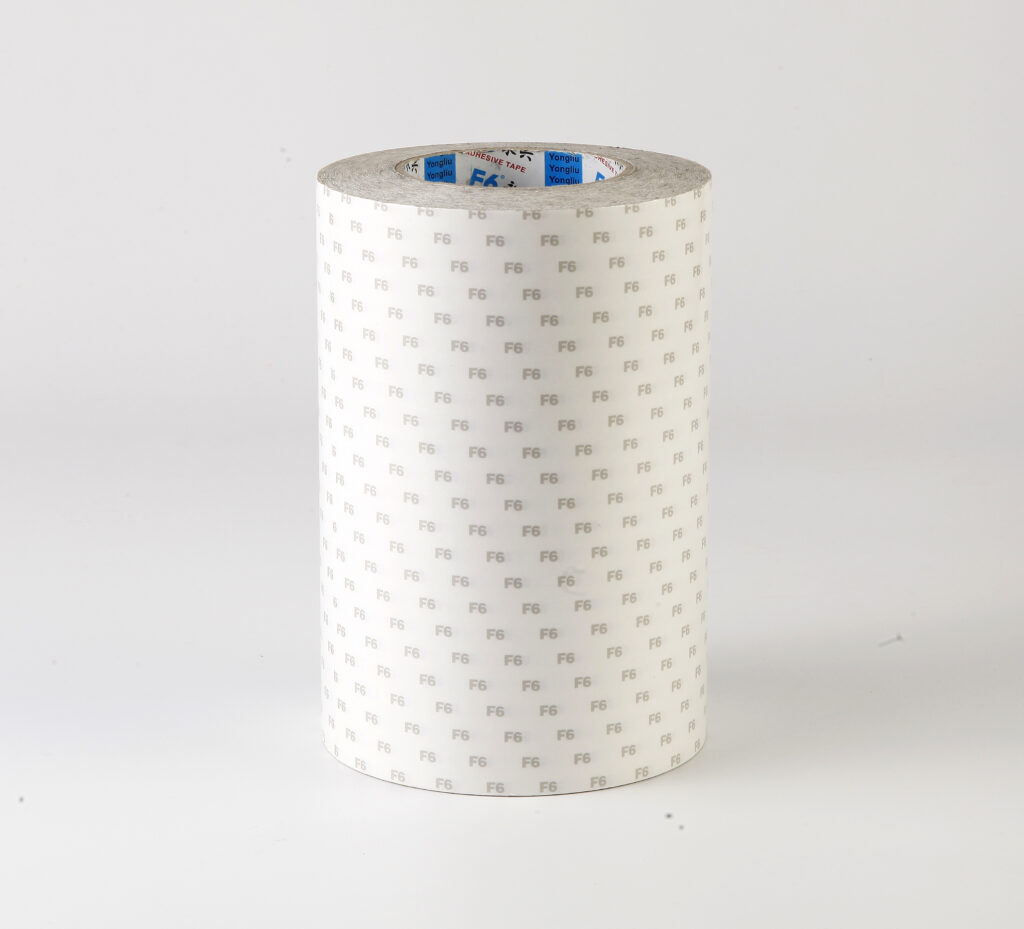
In the global market, 0.15mm tissue tapes are considered the standard for general-purpose and high-performance bonding. Professionals frequently compare established benchmarks like 3M 9080A with high-viscosity alternatives. Both types are widely used for bonding materials such as wood, metals, and plastics. They provide a reliable solution for mounting signs, nameplates, or foam gaskets.
The 3M 9080A is a well-known 0.15mm double coated tissue tape featuring a polycoated paper liner. It is recognized for its ability to bond well to both high-surface-energy (HSE) and low-surface-energy (LSE) materials. This versatility has made it a staple in the appliance and automotive sectors. It offers good initial tack and high shear strength across varied substrates.
However, modern manufacturing often demands even higher “instant-grab” performance. The F5015 Ultra-viscosity Tissue Double Sided Tape was developed to push these boundaries further. While it matches the 0.15mm industry-standard thickness, it focuses on ultra-viscous properties for challenging environments. This is particularly useful for vertical hanging applications where mechanical fastening is not feasible.
Performance Analysis of F5015 vs. Standard Solutions
When evaluating a 0.15mm double sided tissue tape, engineers must look at specific adhesion data. The F5015 Ultra-viscosity Tissue Double Sided Tape demonstrates superior performance on demanding plastics.On ABS substrates, it achieves an average peel adhesion of 35N/25mm. This exceeds the requirements for most decorative trim and housing assembly tasks.
The performance on low-surface-energy (LSE) materials is even more critical. On Polypropylene (PP), a notoriously difficult plastic to bond, F5015 maintains a robust 20N/25mm. Standard industrial tapes often struggle to reach these levels without extensive surface priming. Even on Polyethylene (PE), the tape provides a reliable bond of 9N/25mm.
Temperature resistance is another key differentiator for professional users. While standard tapes operate well at room temperature, F5015 maintains stability from -20°C to 60°C. For short-term manufacturing cycles, it can withstand up to 70°C for 60 minutes. This thermal resistance prevents the “creeping” effect common in lower-quality adhesives.
Identifying Reliable Double Sided Tissue Tape Suppliers
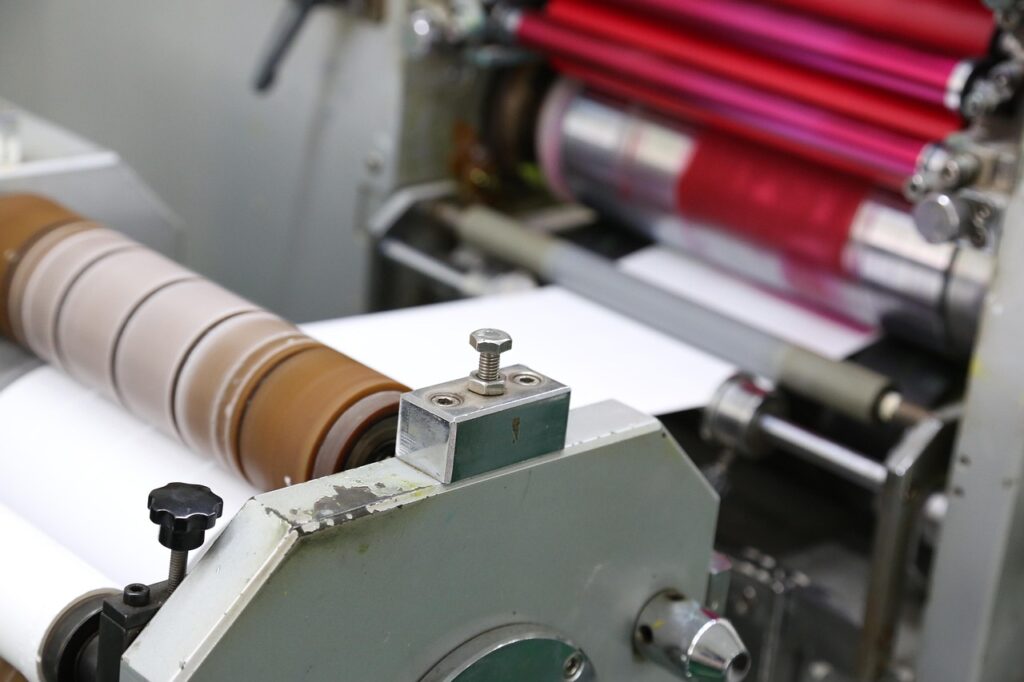
Professional procurement involves more than just finding a competitive price point. Reliable double sided tissue tape suppliers must provide consistent quality across large production batches. They typically adhere to international testing standards such as GB/T 4851-1998 for holding power. These suppliers offer technical support to help users match the tape to specific application requirements.
Quality suppliers maintain strict control over the manufacturing environment and shelf life. For instance, high-grade tapes should have a shelf life of at least 12 months. This stability ensures the acrylic adhesive does not degrade before the product reaches the assembly line. Professionals also look for customization options regarding roll width and length.
Consistency in liner thickness is another hallmark of a top-tier supplier. A standard 0.15mm double sided tissue tape often utilizes a 0.12mm release liner. This thickness ensures the liner does not tear prematurely during high-speed automated dispensing. Suppliers who can provide detailed 180-degree peel adhesion data are generally more trustworthy.
Advanced Bonding Strategies for PU Foam and Plastics
Polyurethane (PU) foam is recognized for its softness and elasticity, making it ideal for gaskets. However, its porous nature presents unique bonding challenges that require a specific approach. To fully leverage the performance of PU foam, selecting a highly compatible adhesive is crucial. The adhesive must maintain the foam’s softness without causing deformation or hardening.
Successful lamination of PU foam and double sided tissue tape requires precise process control:
- Surface Preparation: Use ion air guns to remove dust and mold release agents from the foam.
- Surface Activation: For low-energy foams, corona or plasma treatment is recommended to increase wettability.
- Pressure Management: A target compression rate of 10% is often the ideal setting for main compaction rollers.
- Dwell Time: Quality inspection should occur after at least 24 hours to allow the bond to fully cure.
If the initial thickness of the PU foam is 10mm, the roller gap should be set to 9mm. This specific 1mm compression (10%) ensures intimate bonding without destroying the foam’s cell structure. Following these mechanical protocols ensures that the 0.15mm double sided tissue tape performs at its maximum capacity. These steps prevent common issues like delamination or bubbling at the interface.
How to Select the Right High-Viscosity Solution
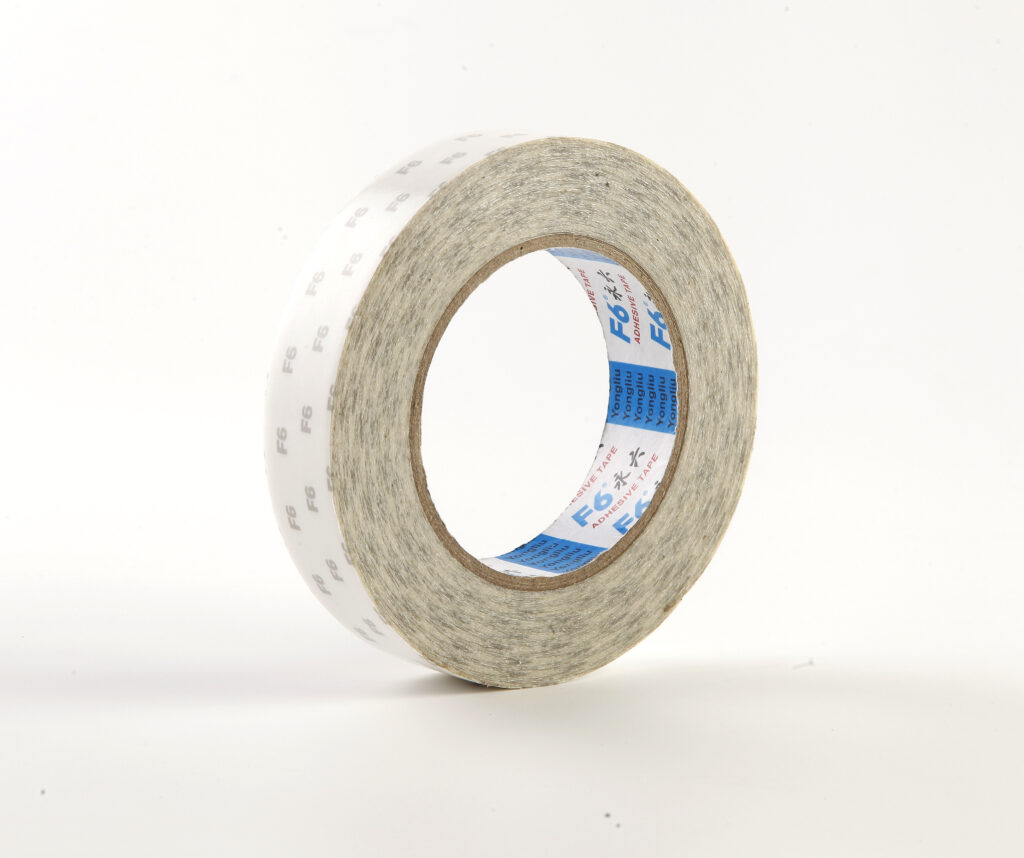
Choosing a double sided tissue tape requires matching the tape’s properties to the mechanical stresses. If your project involves curved surfaces, high anti-rebound capability is the most important factor. For bonding electronic gaskets, conformability and ultra-thin profiles take priority. Engineers must evaluate the “loop tack” and “peel adhesion” to ensure long-term durability.
The thickness of 0.15mm is the industry “sweet spot” for most assembly tasks. It is thin enough for modern device housings but thick enough for textured plastics. Understanding these technical trade-offs helps in selecting the right product from double sided tissue tape suppliers. Professional users prioritize tapes that offer a high loop tack of ≥31# for fast-paced assembly.
When evaluating options, always request a technical data sheet (TDS). Compare the peel adhesion values specifically for your target materials, such as ABS, PVC, or PC. A data-driven approach reduces the risk of bond failure in the field. To explore a solution that meets these standards, you can review the specifications of the F5015 Ultra-viscosity Tissue Double Sided Tape. This product provides the high-bonding strength required for professional applications in the automotive and construction sectors.
Summary
Successfully applying 0.15mm double sided tissue tape involves verifying adhesion values on substrates like ABS and PP. High-performance options like F5015 Ultra-viscosity Tissue Double Sided Tape provide the initial tack and thermal stability needed for industrial assembly. By choosing reputable double sided tissue tape suppliers, manufacturers ensure long-term bond reliability and consistent quality for their end products.
FAQ
Q1: How does F5015 compare to 3M 9080A in terms of thickness?
A1: Both F5015 and 3M 9080A are 0.15mm thick (without the release liner). This gauge is the industry standard for bonding foams, plastics, and metals in electronic assemblies.
Q2: Can F5015 double sided tissue tape bond to low-surface-energy plastics like PP?
A2: Yes, it is specifically formulated to achieve a peel adhesion of 20N/25mm on Polypropylene (PP). This makes it highly effective for automotive and construction plastic parts.
Q3: What is the significance of the 0.12mm liner in the F5015 specifications?
A3: The 0.12mm liner provides structural integrity during high-speed automated dispensing. It ensures the liner does not snap or tear, which is a common issue with thinner liners.
Q4: Is the adhesive used in F5015 compatible with sensitive PU foam?
A4: Yes, the acrylic pressure-sensitive adhesive is chemically “mild” and near-neutral in pH (6.5–8.5). It will not cause the foam to become brittle or lose its elasticity over time.
Q5: What is the recommended storage condition to maintain tape shelf life?
A5: Tapes should be stored in their original cartons at 23°C and 65% relative humidity. This environment ensures the adhesive remains stable for at least 12 months.
Reference Sources
Pressure Sensitive Tape Council (PSTC) – http://pstc.org
ASTM International (Industrial Adhesive Standards) – https://www.astm.org