
 Canada
 USA
USA Japan
Japan


Selecting High-Performance PVC Double Sided Tape for Industry

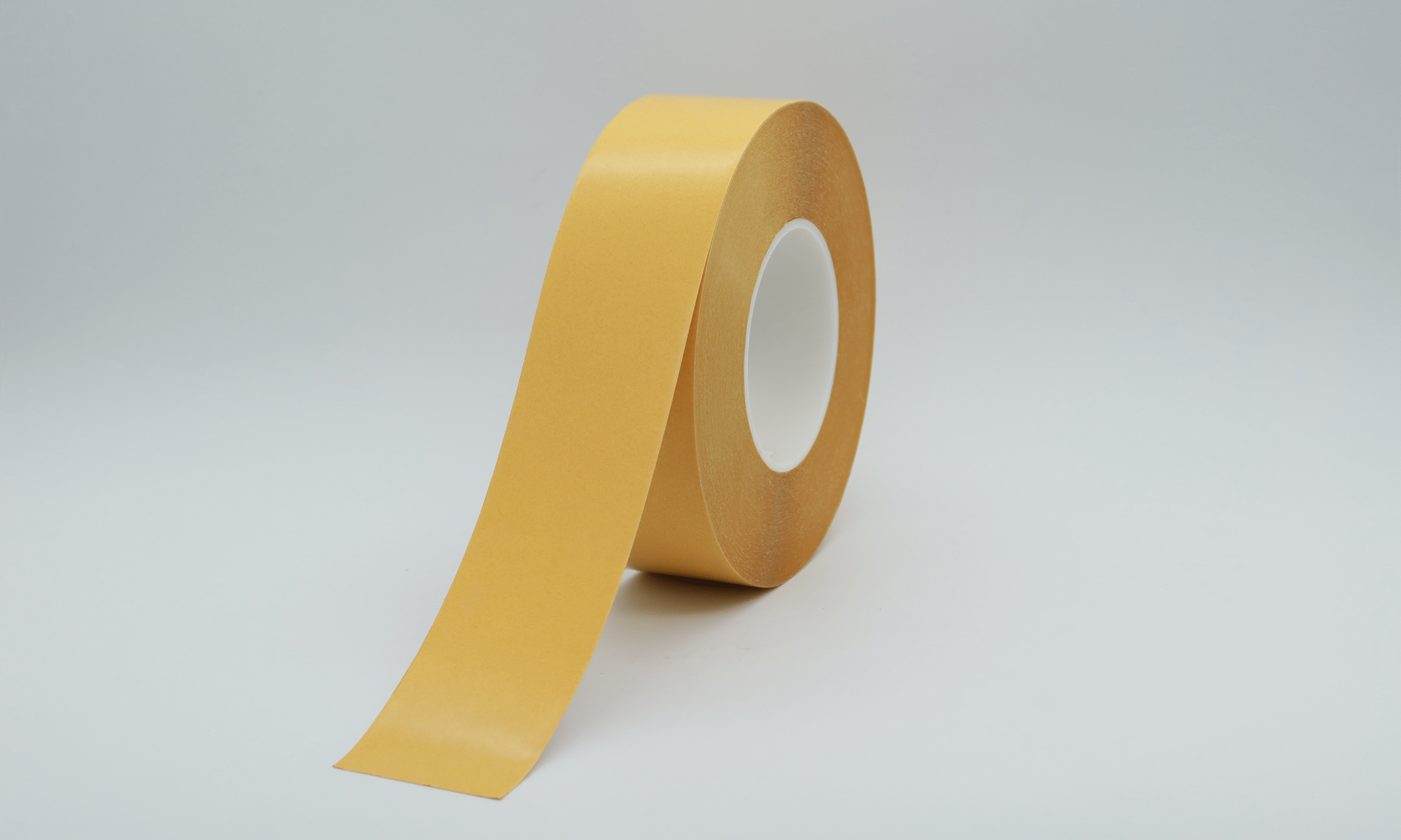
Professional industrial bonding requires high-performance materials that provide long-term reliability under mechanical stress. A premium pvc double sided tape serves as the primary standard for mounting heavy decorative trims and profiles. This tape features a robust polyvinyl chloride (PVC) film carrier coated on both sides with high-tack adhesive.
Engineers select this specific carrier because it offers superior dimensional stability during the application process. Unlike thin tissue tapes, a 220-micron or 225-micron PVC film does not stretch or deform. This rigidity ensures that bonded parts remain perfectly aligned in high-precision manufacturing environments. Leading products like the Tesa 4970 and the FPC220 series define this category of heavy-duty bonding solutions.
To achieve a permanent bond, the adhesive must flow deeply into the substrate pores. Most industrial-grade PVC tapes utilize a tackified acrylic adhesive system for this purpose. This chemistry provides an immediate bond that grows stronger over the first 24 hours of contact. Professionals prioritize these metrics to ensure consistent output quality across different production batches.
Why Double Sided Adhesive Tape for PVC Requires Plasticizer Resistance
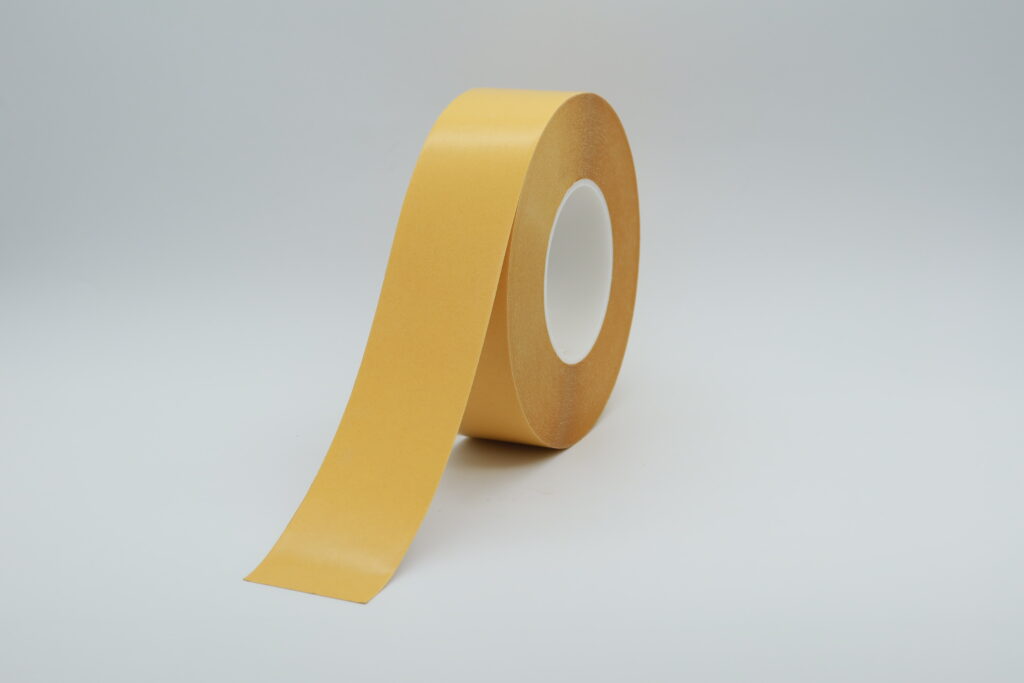
The most critical challenge when bonding flexible plastics is the migration of chemical softeners. Double sided adhesive tape for PVC substrates must be specifically formulated to resist these mobile plasticizers. If a standard adhesive is used, these chemicals will eventually liquefy the bond. This leads to complete adhesive failure and product recalls.
Professional-grade tapes, such as the 225µm Tesa 4970, are engineered to remain stable in these chemically active environments. They maintain high peel adhesion even when exposed to the oils found in flexible vinyl components. This characteristic is vital for the automotive and furniture industries where flexible trims are common.
High-performance PVC tapes offer several chemical advantages:
- Superior resistance to plasticizer migration prevents adhesive softening.
- The PVC carrier acts as a functional barrier between different plastic types.
- Chemical stability ensures the bond remains firm for the entire product lifecycle.
Data shows that high-quality pvc double sided tape maintains consistent performance across various temperatures. These tapes typically withstand long-term heat exposure up to 70°C and short-term peaks of 100°C. This thermal stability prevents the adhesive from “oozing” at the edges of the joint. It is essential for products shipped in non-climate-controlled containers.
Technical Benchmarks of Double Sided PVC Film Tape
For industrial users, the ability to bond to uneven or rough surfaces is a high priority. Double sided pvc film tape with a thick adhesive coating provides the necessary gap-filling properties. A 220µm to 225µm thickness allows the tape to compensate for minor surface irregularities effectively. This thickness is considered the “sweet spot” for industrial trim mounting.
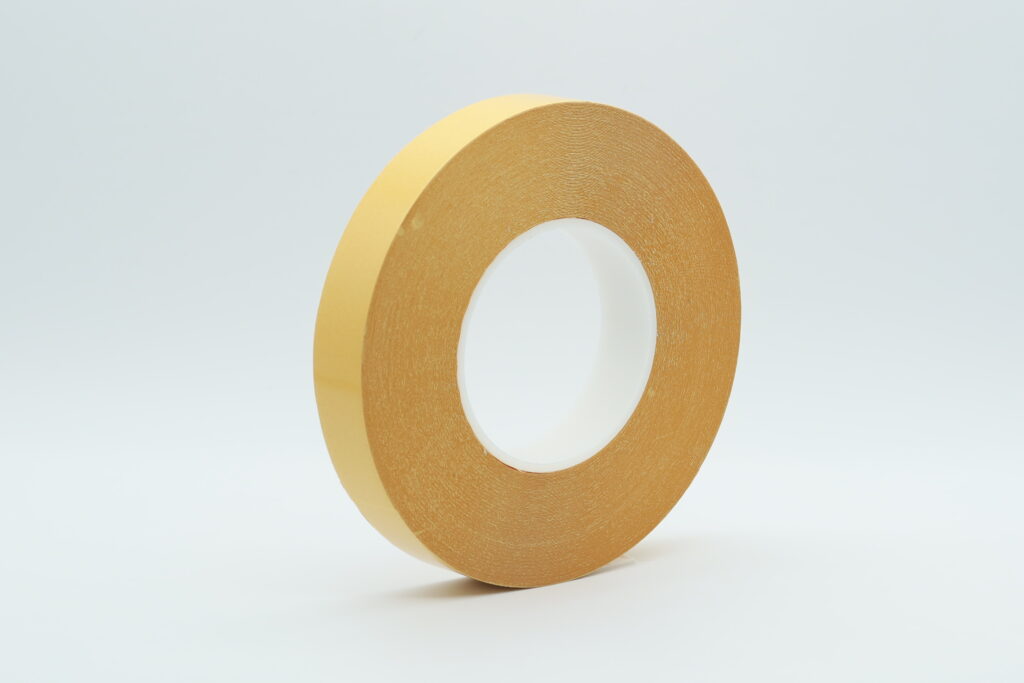
Technical benchmarks for these tapes often show a peel adhesion on steel exceeding 11.5 N/cm. Products like the FPC220 series demonstrate that high-energy surfaces like ABS maintain remarkably high adhesion levels. This ensures that heavy extrusions do not lift or “flag” over time at the edges. Consistency in these values reduces waste in the manufacturing process.
Key performance indicators for professional PVC tapes include:
- Peel Adhesion: Generally ranges from 11.5 N/cm to 14 N/cm on stainless steel.
- Static Shear Resistance: Capable of holding loads for over 10,000 minutes at room temperature.
- Elongation at Break: Typically around 20% to 25% due to the rigid PVC carrier.
- Thickness Accuracy: Precise tolerances within +/- 5% for high-precision assembly.
Furthermore, these tapes demonstrate exceptional static shear resistance in demanding vertical applications. In standardized tests, a small bond area can hold significant loads without slipping. Such performance is essential for permanent mounting applications in the construction and signage industries. The high cohesive strength of the PVC carrier prevents internal splitting under heavy loads.
Production Efficiency with Double Sided PVC Film Tape
The success of a pvc double sided tape depends largely on the “tackified” nature of the acrylic adhesive. Tackifiers are resins added to the acrylic base to increase the initial “grab” or wet-out. This allows the tape to stick immediately upon contact, even with light application pressure. It eliminates the need for expensive curing equipment in many scenarios.
A high-tack adhesive system is especially beneficial for fast-paced industrial assembly lines. It reduces the need for mechanical clamping or extended curing times during the manufacturing process. Professionals look for tapes that balance this high initial tack with high cohesive strength. This balance is what separates premium products like FPC220 from generic alternatives.
Effective production integration requires specific tape features:
- Stable Release Liners: Thick paper or film liners prevent curling during high-speed dispensing.
- Die-Cutting Compatibility: The rigid carrier ensures clean edges during the custom shape cutting process.
- Instant Bonding: High initial tack allows for immediate handling of the finished assembly.
High cohesive strength prevents the tape from splitting internally when subjected to weight. The PVC film carrier acts as a central reinforcement that supports this internal structure. This combination makes it the preferred choice for bonding heavy plastic profiles and decorative scales. It provides a level of security that tissue or paper-based tapes cannot match.
Criteria for Evaluating High-Bond Industrial Solutions
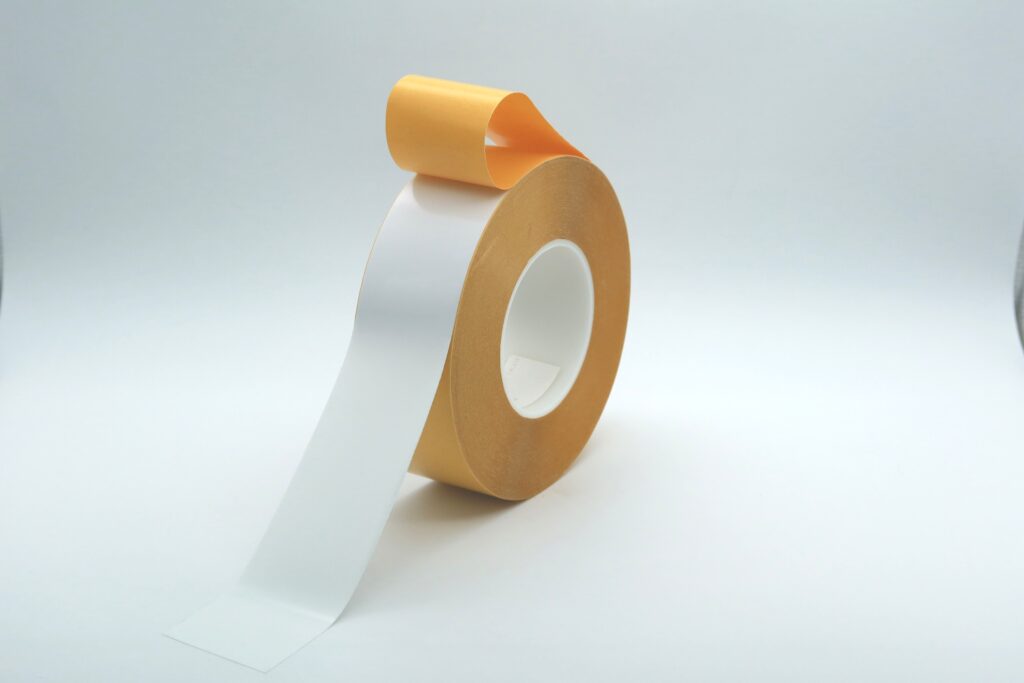
Choosing the right high-bond solution depends on matching the carrier thickness to the surface energy of your substrate. For projects requiring a balance of high initial tack and long-term aging resistance, the FPC220 series is an excellent choice. It provides the necessary “bite” to secure heavy plastic extrusions permanently to various surfaces. Matching the tape thickness to the surface texture is the first step in successful bonding.
How do you determine if a 220µm PVC tape is right for your specific industrial application? You should first evaluate the clearance and precision required for your final assembly. The FPC220 series offers a precise 220-micron profile that fits perfectly into standard industrial grooves and channels. This makes it a direct alternative to other 225µm industry benchmarks like Tesa 4970.
When evaluating these products, consider the following decision factors:
- Surface Texture: Thicker tapes like the 220µm FPC220 are better for slightly irregular profiles.
- Environmental Exposure: Ensure the solvent acrylic adhesive is rated for UV and moisture resistance.
- Substrate Chemistry: Verify the tape’s ability to resist plasticizers if bonding flexible vinyl or rubber.
Professionals should verify technical data sheets to ensure the adhesive chemistry matches their specific bonding requirements. While Tesa 4970 is a well-known standard, the FPC220 provides comparable performance for diverse industrial applications. Choosing a tape with high plasticizer resistance and shear strength ensures a reliable result. Precision in tape selection directly impacts the longevity of the final product.
Summary
In summary, pvc double sided tape is the industry standard for bonding plastic profiles and heavy trims. Its 220-225µm thickness provides the gap-filling and shear resistance needed for demanding industrial tasks. By choosing a high-performance tape like FPC220, you ensure a durable bond that withstands both time and environmental stress. Professional users trust these specifications to maintain high quality in mass production.
FAQ
Q1: Why is 225µm thickness significant for industrial PVC double sided tape?
A1: The 225µm thickness allows the pvc double sided tape to fill gaps on rough surfaces while maintaining structural integrity.
Q2: Can I use double sided pvc film tape on flexible vinyl materials?
A2: Yes, but only if the tape is specifically rated for plasticizer resistance to prevent bond degradation over time.
Q3: What is the main benefit of the FPC220 series compared to tissue tapes?
A3: The FPC220 uses a rigid PVC carrier that prevents stretching and provides much higher shear resistance than tissue-based tapes.
Q4: Does temperature affect the performance of double sided adhesive tape for pvc?
A4: Yes, industrial PVC tapes are designed to operate from -40°C to +70°C, ensuring stability in various climates.
Q5: Is high initial tack necessary for all mounting applications?
A5: High initial tack is essential for assembly speed and securing heavy parts immediately without the use of mechanical fasteners.
Reference Sources
ASTM International – Standard Test Methods for Adhesion of Pressure-Sensitive Tape
PSTC (Pressure Sensitive Tape Council) – Test Methods for Surface Energy and Peel
Afera (The European Adhesive Tape Association) – Technical Performance of PVC Tapes