
 Canada
 USA
USA Japan
Japan


Essential Industrial Adhesive Tape Types for Projects

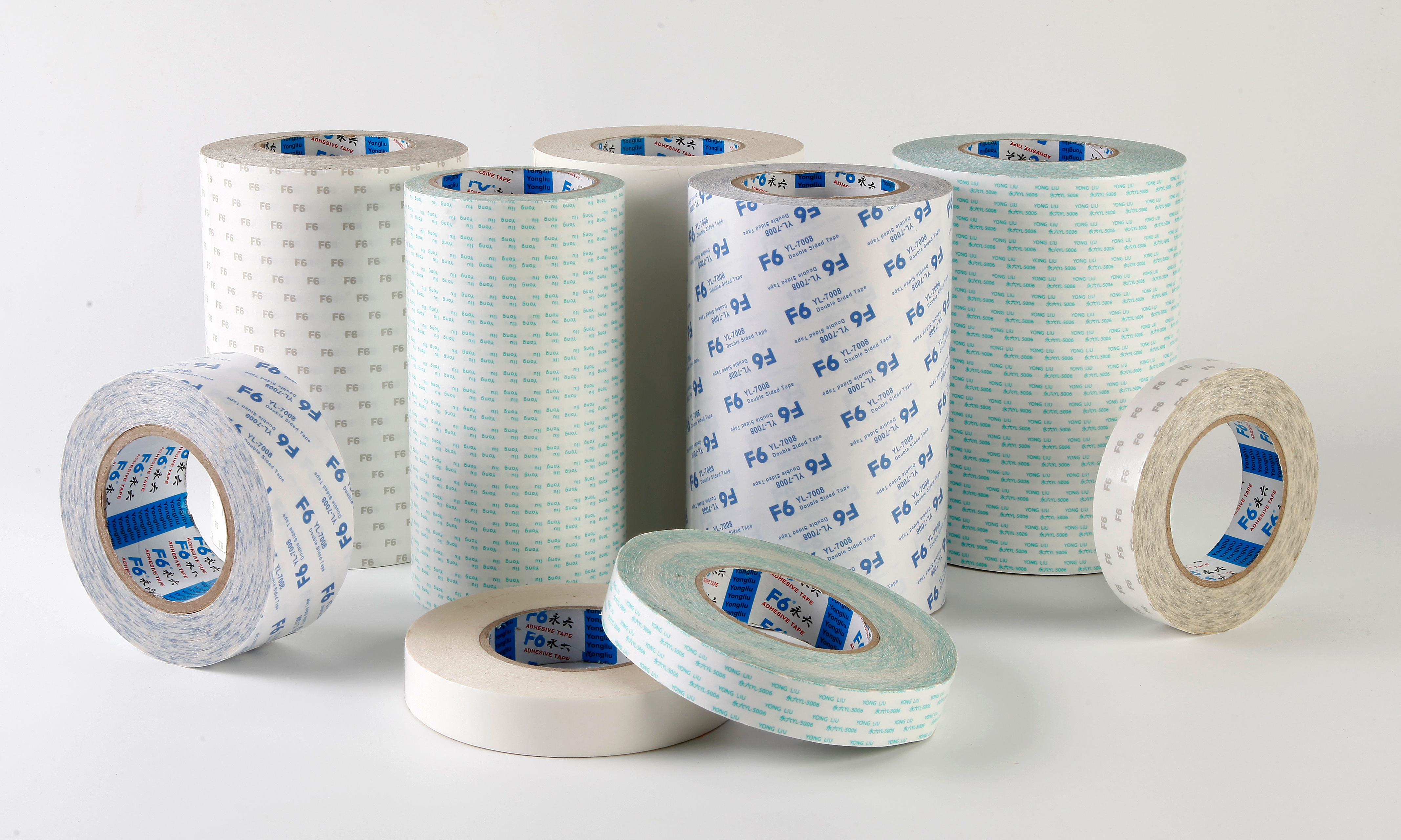
Industrial manufacturing relies heavily on reliable bonding solutions. Choosing the correct industrial adhesive tape types ensures long-term structural integrity. Modern tapes replace traditional fasteners like screws or rivets. They provide cleaner finishes and reduce overall assembly weight. Understanding the specific properties of each tape is vital.
Different environments require specialized adhesive formulations. Factors like temperature, UV exposure, and mechanical stress dictate the choice. Engineers must evaluate the surface energy of substrates before application. This guide examines the primary categories of tape used in global industries today. Selecting the right product prevents costly failures and improves safety.
Key Industrial Adhesive Tape Types for Performance
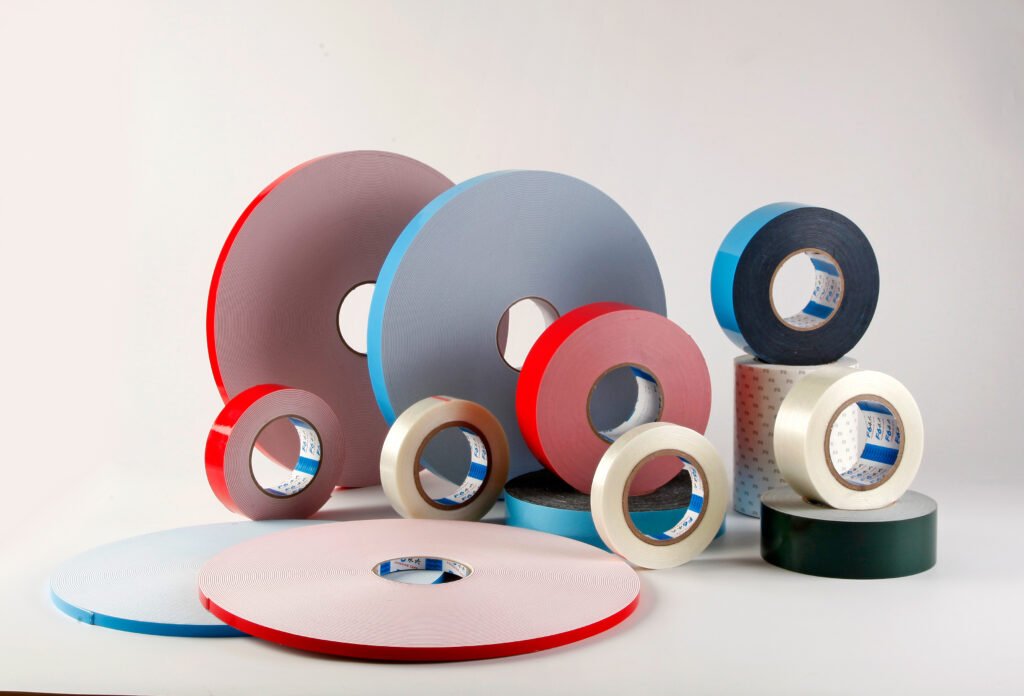
The most common industrial adhesive tape types are categorized by their backing material. Pressure-sensitive adhesives (PSA) dominate the market due to their ease of use. These tapes bond instantly upon applying light pressure. Rubber-based adhesives offer high initial tack but may fail under extreme heat. Conversely, acrylic adhesives provide excellent resistance to environmental aging.
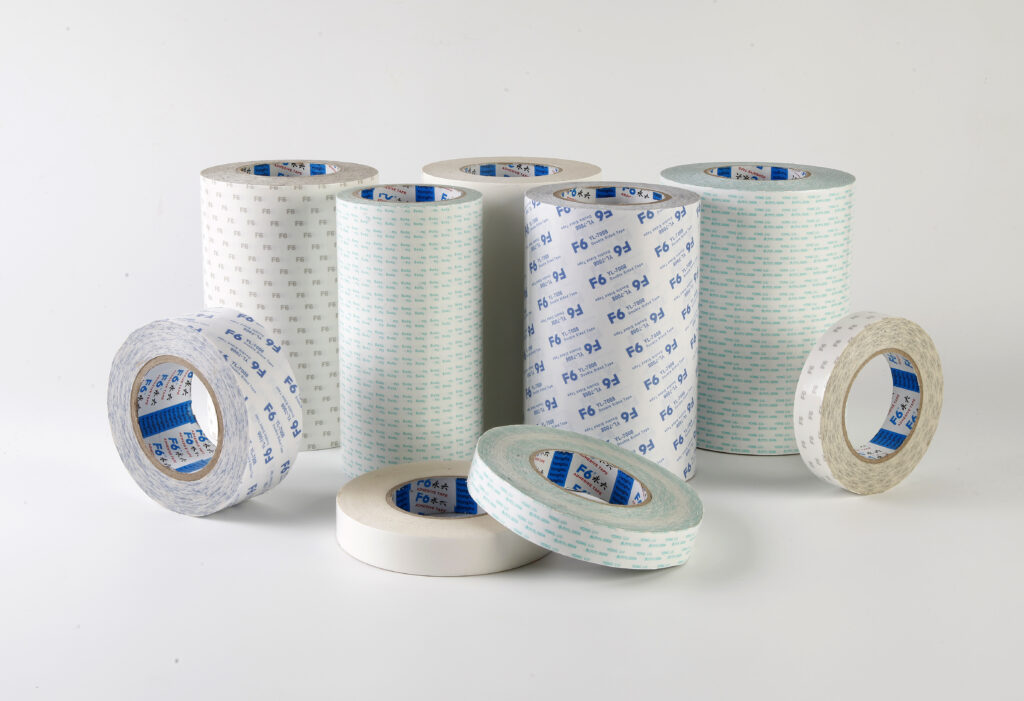
Double-sided tapes are essential for mounting and joining components. They distribute stress evenly across the entire bonded area. This prevents localized pressure points often found in mechanical fastening. Many industrial processes utilize foam-backed tapes for gap-filling properties. These tapes also provide vibration dampening in automotive and electronic assemblies.
| Tape Type | Common Backing Material | Primary Adhesive | Industrial Application |
| Filament Tape | Fiberglass-reinforced film | Synthetic Rubber | Heavy bundling/palletizing |
| Foil Tape | Aluminum or Copper | Acrylic | HVAC and EMI shielding |
| Masking Tape | Crepe Paper | Natural Rubber | High-heat painting/coating |
| Transfer Tape | No backing (pure adhesive) | High-bond Acrylic | Nameplate and membrane switches |
What Are the Best Tape Materials for High Stress?
In high-stress environments, standard tapes often shear or tear. Reinforced industrial adhesive tape types use fiberglass filaments to increase tensile strength. These tapes can withstand forces exceeding 200 pounds per inch of width. Fiberglass reinforcement prevents the tape from stretching under heavy loads. This makes them ideal for securing heavy metal pipes or large wooden crates.
Striped or cross-weave patterns provide multi-directional strength. Fiberglass-reinforced tapes are nearly impossible to tear by hand. This durability ensures that bundles remain intact during rough shipping conditions. Some variations offer high shear resistance for permanent mounting tasks. These tapes typically use high-performance synthetic rubber to bond to low-energy surfaces.
Data from structural testing shows that reinforced tapes maintain bond integrity at high tension. Many of these products operate efficiently between -30°C and 85°C. This versatility is critical for global logistics and outdoor construction. High-stress tapes also reduce the amount of material needed for secure packaging. This efficiency lowers costs and minimizes waste in large-scale operations.
Common Applications of Specialized Industrial Tapes
The aerospace and automotive industries use specialized industrial adhesive tape types for weight reduction. Aluminum foil tapes provide excellent thermal conductivity and moisture barriers. These are essential for sealing heating and cooling ducts in commercial buildings. Copper foil tapes are frequently used for electromagnetic interference (EMI) shielding in electronics. These tapes protect sensitive components from signal disruption.
Electrical insulation tapes, typically made of PVC, are vital for wiring safety. They provide high dielectric strength to prevent electrical shorts. In the construction sector, flashing tapes prevent water penetration around windows and doors. These tapes must resist UV degradation for at least 180 days of direct exposure. Without these specialized barriers, structural rot and mold would occur.
Surface protection tapes are another critical category. They protect finished metals or plastics from scratches during fabrication. These tapes must have low-tack adhesives to ensure clean removal. If the adhesive leaves a residue, it can ruin the aesthetic of the final product. Choosing the correct thickness ensures protection without hindering the manufacturing process.
How to Select High-Strength Fiber-Reinforced Tapes
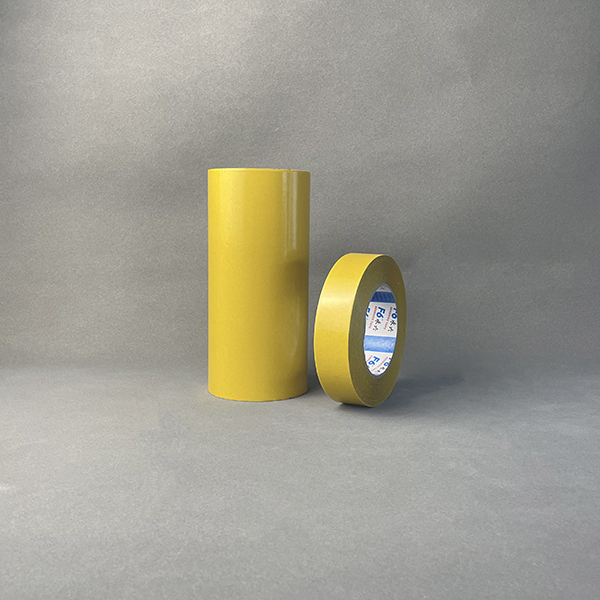
Selecting the right tape requires understanding the specific demands of your project. High-strength applications often benefit from products like F203 Striped Fiberglass Double-Sided Tape. When evaluating a tape, check the reinforcement pattern and tensile rating. Striped fiberglass provides superior longitudinal strength for bundling heavy materials. This reinforcement prevents failure even if the outer film is slightly damaged.
Consider the adhesive’s performance on both sides if using double-sided options. A high-tack rubber adhesive is usually best for immediate bonding to textured surfaces. F203 tapes are particularly effective for fixing heavy components during assembly. You should verify the shear strength if the tape will hold weight vertically. Testing the tape on a sample substrate ensures compatibility and prevents chemical reactions.
Environmental factors like humidity can impact the longevity of the bond. Reinforced tapes with moisture-resistant films are essential for long-term storage. Fiber-reinforced double-sided tapes simplify complex mounting tasks without tools. If your project involves heavy palletizing or structural fixing, the reinforcement pattern is key. Natural fiber patterns help distribute mechanical loads more effectively than plain films.
Summary
Various industrial adhesive tape types serve unique roles across manufacturing and logistics. From reinforced fiberglass tapes for heavy loads to foil tapes for thermal protection, selection is critical. The right tape improves structural safety and operational efficiency. Always match the tape’s tensile strength and adhesive type to your specific industrial environment.
FAQ
Q:Which industrial adhesive tape is the strongest?
Fiberglass-reinforced filament tapes are generally the strongest options available. These tapes utilize glass yarns to provide extreme tensile strength and resistance to stretching. They are ideal for heavy-duty bundling and securing large industrial loads.
Q:Can industrial tape replace mechanical fasteners?
Yes, high-bond acrylic and reinforced double-sided tapes can replace screws and rivets. These tapes distribute stress evenly and eliminate the need for drilling holes. This approach reduces weight and prevents corrosion at fastener points.
Q:What is the difference between rubber and acrylic adhesive?
Rubber adhesives offer higher initial tack and bond quickly to many surfaces. Acrylic adhesives take longer to cure but provide better resistance to heat and UV light. Most long-term outdoor applications require acrylic-based industrial adhesive tape types.
Q:Why is fiberglass reinforcement used in industrial tapes?
Fiberglass provides dimensional stability and prevents the tape from elongating under stress. It allows the tape to hold heavy weights without snapping or deforming. This makes it essential for palletizing and structural component fixing.
Reference Sources
PSTC – Pressure Sensitive Tape Council
ASTM International – Standards for Adhesives
AFERA – The European Adhesive Tape Association
NIST – National Institute of Standards and Technology