
 Canada
 USA
USA Japan
Japan


Solvent Based vs Water Based Adhesive: Key Differences Explained

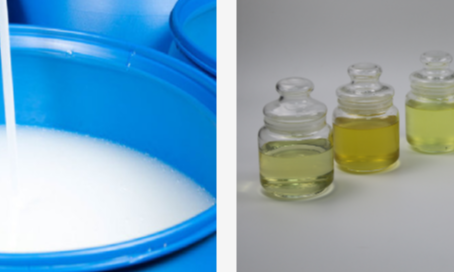
When it comes to bonding adhesive, selecting the right adhesive is crucial for industrial success. Manufacturers often debate between solvent-based and water-based systems for their tapes and coatings. Both adhesive types are designed to meet various performance demands, but they each offer unique benefits depending on the application. In this guide, we explore the similarities and differences between solvent vs water-based adhesives, focusing on their performance, durability, and suitability for various industrial needs.
What is the Difference Between Solvent Based vs Water Based Adhesive?
The primary distinction lies in the carrier fluid used to transport the adhesive polymer. Solvent-based adhesives use organic compounds like toluene or ethyl acetate. These chemicals evaporate quickly to leave a solid bond. In contrast, water-based adhesives use water as the primary carrier. The polymers are suspended as tiny droplets in a liquid state. This difference affects drying speed and initial tack.
Curing processes also vary significantly between these two types. Solvent systems rely on the rapid evaporation of volatile organic compounds (VOCs). This process allows the adhesive to set almost instantly upon contact. Water-based systems require the evaporation of water. Because water has a higher boiling point, these systems often need heat or longer air exposure. Solvent based vs water based adhesive selection depends heavily on your production line speed.
Environmental considerations are another major dividing factor. Solvent-based options typically release high levels of VOCs into the atmosphere. This requires specialized ventilation and safety equipment in factories. Water-based options are generally perceived as more eco-friendly and safer for workers. They comply more easily with strict environmental regulations like REACH or RoHS.
Performance Metrics: Adhesion, Durability, and Resistance
Performance varies across temperature ranges and surface types. Solvent-based adhesives are known for their superior resistance . They can often withstand heat up to 150°C without losing structural integrity. Water-based versions may begin to soften or lose bond strength at 120°C. This makes solvent systems the preferred choice for harsh environments.However, F0960&F0965 the water based adhesive from F6 adhesive can achieve features same as solvent,such as chemical resistance,heat resistance and low VOC.
Chemical resistance is another area where solvent systems excel. They are less likely to break down when exposed to oils, fuels, or cleaning agents. Water-based adhesives can be sensitive to moisture and humidity. If a bond is exposed to constant dampness, it may re-emulsify or weaken over time. However, modern water-based acrylics have improved significantly in this regard.
Surface energy plays a vital role in how an adhesive “wets” a substrate. Solvent-based liquids have lower surface tension. This allows them to spread easily over “low energy” surfaces like plastics. Water has high surface tension, which can lead to poor coverage on slick materials. Solvent vs water based adhesive performance often comes down to the material being bonded.
| Item | Water-based Adhesive | Solvent Adhesive |
| Solvent System | Water-based acrylic emulsion | Solvent-based acrylic adhesive |
| Environmental Performance | Eco-friendly, low VOC, non-flammable, RoHS & REACH compliant | Contains VOCs, flammable, with strong odor |
| Temperature Resistance | General: -20℃ ~ 80℃ | General: -30℃ ~ 120℃, better heat stability |
| Initial Tack & Holding Power | Medium initial tack, viscosity increases gradually | High initial tack, excellent holding power and shear resistance |
| Resistance | Excellent water resistance and heat resistance | Excellent water resistance and weather resistance |
| Application Surfaces | Suitable for paper, non-woven fabric, foam materials | Suitable for PET, PP, PVC, metal, glass and low surface energy materials |
| Cost & Application | Easy to clean equipment(coating machine) | Faster curing, suitable for harsh working conditions |
| Typical Applications | Electric vehicle interior parts ,indoor bonding, eco-friendly scenarios | Electronics masking, automotive, outdoor applications, high-temperature processes |
| Items | F6 Water-based Adhesive | Ordinary Water-based Adhesive |
| Temperature Resistance | Long-term: -40℃~120℃, short-term up to 180℃ | Standard: -20℃~80℃, easy to flow at high temperature |
| Weather Resistance | UV & hydrolysis resistant, stable performance for over 2 years | Prone to aging and yellowing, poor weather resistance |
| Substrate Compatibility | Compatible with all materials, including low surface energy materials such as PP & PE | Mainly for porous and high surface energy materials |
| Environmental Performance | Ultra-low VOC, certified with ELV, VDA and other high-end standards | Basic compliance only, some contain residual solvents |
| Processability | Suitable for automation, high precision and stable | For manual or semi-automatic use, easy to cause glue overflow or bubbles |
Industrial Applications and Choosing the Right Technology
Industry professionals must balance product performance with regulatory compliance. In the electronics industry, solvent-based tapes are highly favored for their thin profile and excellent thermal stability, particularly for bonding internal heat-generating components. These tapes provide reliable adhesion, ensuring the stability of electronic parts in high-temperature environments. On the other hand, water-based adhesives are increasingly used in the automotive industry, especially for bonding interior components. With their low VOC emissions, water-based adhesives align with environmental standards and regulatory requirements.
Outdoor applications typically require the durability of a solvent system. These adhesives resist UV radiation and oxidation better than standard water-based options. If a product remains outside for years, the solvent based vs water based adhesive choice is clear. You need the chemical cross-linking found in solvent-acrylic formulations. This prevents the bond from becoming brittle or yellowing.
Safety protocols also dictate the choice in many workshops. Using solvent-based products requires explosion-proof equipment and masks. This increases the overhead cost of the manufacturing facility. Many companies transition to water-based systems to reduce insurance premiums and carbon footprints. However, this transition requires testing to ensure the bond meets safety standards.
How to Select the Right High-Performance Double Sided Tape
When selecting a double-sided tape, the harmony between the carrier material and the adhesive is crucial. For demanding industrial applications, options such as PET, PE foam, or tissue carriers combined with high-performance adhesives are often required. Each carrier material offers unique properties that cater to specific needs. For example, PET-based carriers are excellent for applications needing strength and stability, while PE foam carriers provide additional cushioning and vibration-damping properties, ideal for bonding uneven or porous surfaces. Tissue carriers are often used for flexibility and easy handling in various applications.
Environmental factors also play a significant role in tape selection. For products exposed to temperature fluctuations, humidity, or harsh outdoor conditions, a solvent-based adhesive typically ensures better long-term adhesion. These adhesives maintain their performance even when subjected to stress, preventing peeling or lifting. It’s important to test the peel strength on your specific substrate to ensure compatibility with both the adhesive and carrier.
The thickness of the adhesive layer also impacts the final result. Thinner tapes (around 0.1mm to 0.15mm) offer a sleek, low-profile solution for modern devices, ensuring a clean application without air bubbles or distortion. On the other hand, thicker tapes provide higher load-bearing capabilities for industrial or heavy-duty applications.
Summary
The choice between solvent-based and water-based adhesives depends on your specific performance requirements and environmental considerations. Solvent-based adhesives offer exceptional strength, heat resistance, and chemical stability, making them ideal for harsh applications in extreme conditions. In contrast, water-based adhesives provide an eco-friendly, low-VOC solution, making them more suitable for applications in enclosed spaces where VOC and odor control are important. To achieve the best bonding results, it is crucial to select an adhesive that matches the surface energy and temperature requirements of your application.If a high-end water based adhesive can achieve the same effect as solvent, then water based adhesive should definitely be the first choice.
FAQ
Q:Is solvent-based adhesive stronger than water-based?
Generally, solvent-based adhesives provide higher immediate strength and better resistance to environmental stressors. While water-based adhesives can achieve high final bonding strength, but require a longer curing time to reach optimal performance, which means they may exhibit relatively lower initial tack in the short term.
Q:Which adhesive is better for outdoor use?
Solvent-based adhesives are the preferred choice for outdoor applications. They offer better resistance to UV rays, moisture, and temperature extremes compared to most water-based formulas.
Q:Are water-based adhesives safer for the environment?
Yes, water-based adhesives are significantly safer because they contain fewer volatile organic compounds (VOCs). They reduce air pollution and minimize health risks for workers during the application process.
Q:Can I use water-based adhesive on plastic?
You can, but it may require surface treatment. Solvent-based adhesives typically bond better to plastics because they have lower surface tension and can “bite” into the material more effectively.
Reference Sources
Adhesive and Sealant Council (ASC)
Environmental Protection Agency (EPA) – Volatile Organic Compounds
European Adhesive Tape Association (AFERA)