
 Canada
 USA
USA Japan
Japan


Buying Industrial Adhesive Tape: 7 Critical Questions for B2B

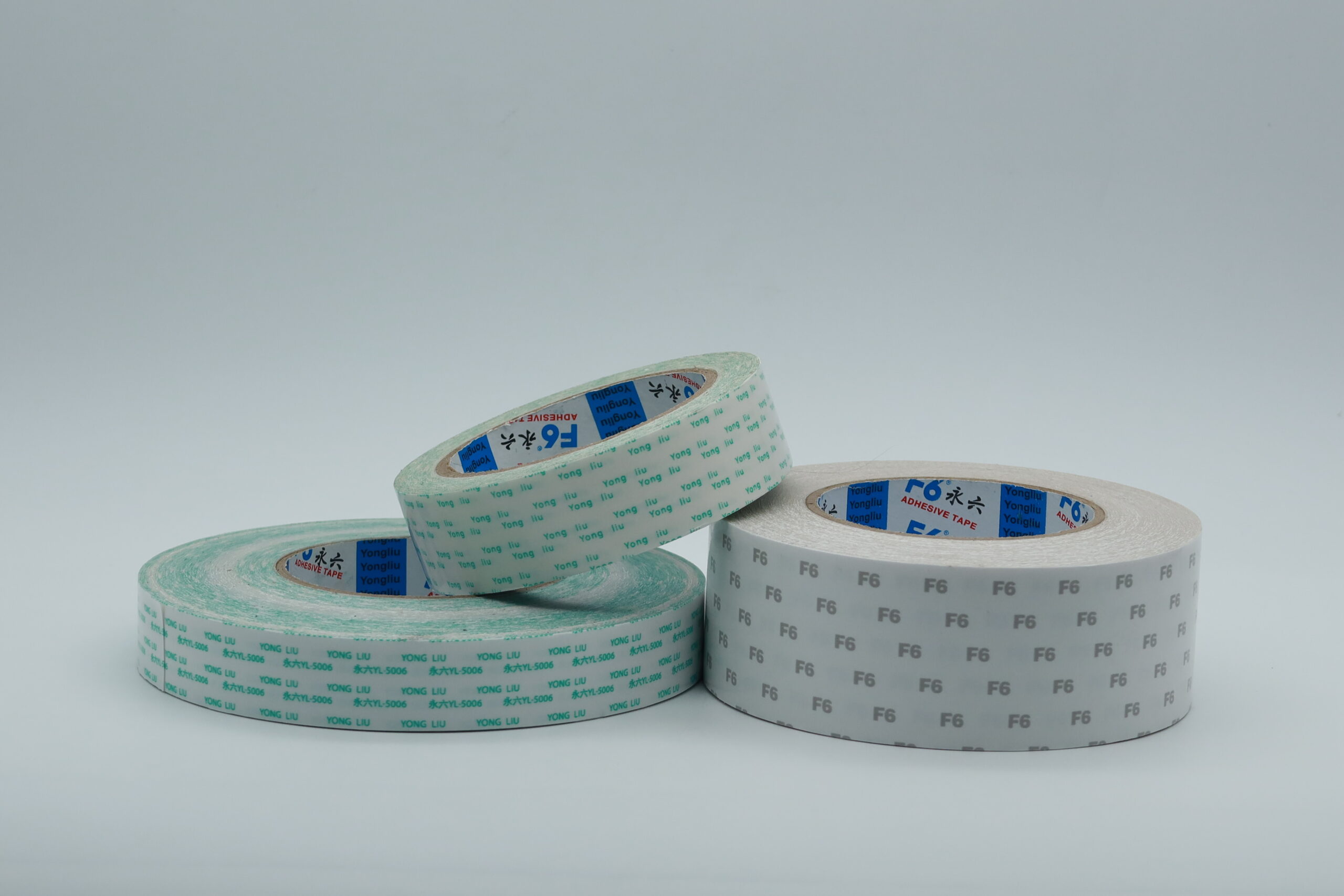
Critical Checkpoints Before Buying Industrial Adhesive Tape
Procuring the wrong adhesive can lead to catastrophic line failures, product recalls, and significant financial loss. In large-volume production, the difference between a successful bond and a failure often rests on technical nuances that go beyond a standard data sheet. Buying industrial adhesive tape requires a strategic approach that balances chemical compatibility with manufacturing logistics.
For engineers and procurement managers, a transactional decision must be backed by technical validation. Before issuing an RFQ or committing to a long-term contract, you must interrogate both the material’s performance and the supplier’s operational capacity.
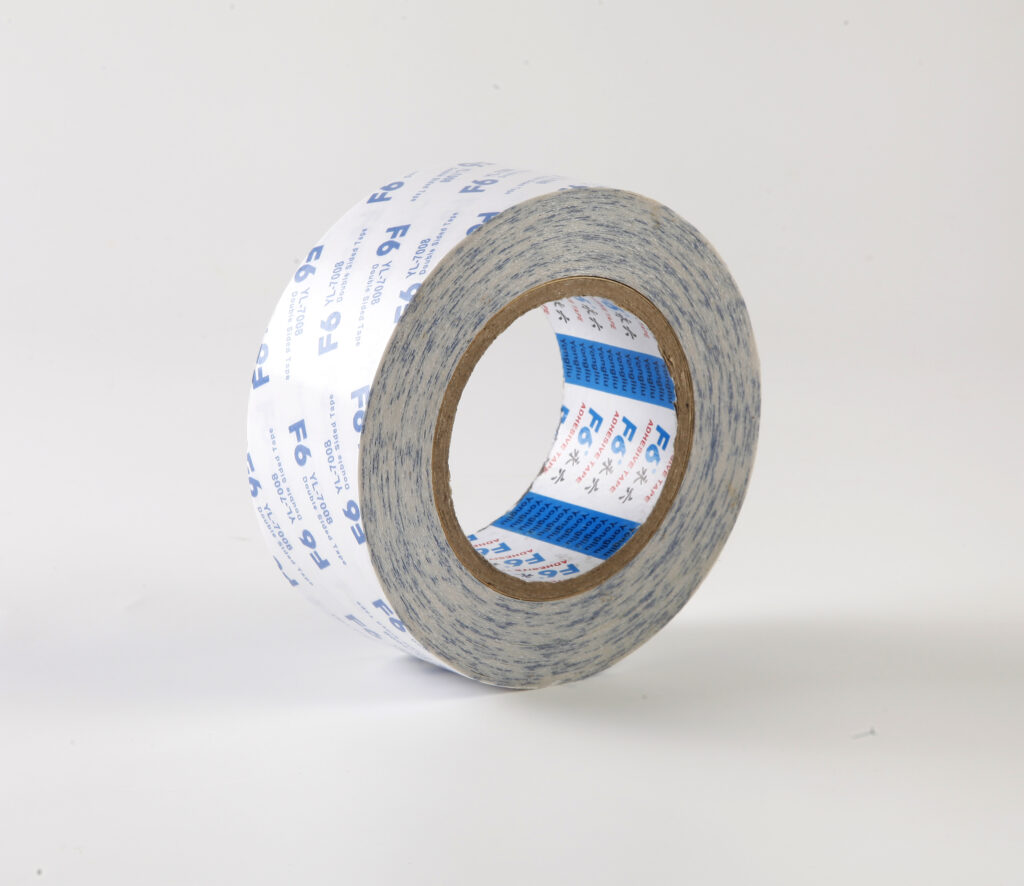
1. What Are the Surface Energy Levels of Your Substrates?
The most common cause of adhesive failure is a mismatch between the tape’s chemistry and the substrate’s surface energy. You must determine if you are bonding High Surface Energy (HSE) materials like stainless steel or Low Surface Energy (LSE) materials like polypropylene or powder-coated surfaces.
Ask your supplier if the adhesive is specifically formulated for LSE surfaces. If the adhesive does not “wet out” the surface properly, the bond will remain superficial and fail under stress. In automotive environments, for example, specialized modified acrylics are often required to overcome the chemical resistance of modern plastics.
2. What Are the Exact Environmental Stressors?
An adhesive that performs perfectly at room temperature may fail at 80°C or under UV exposure. You must define the limits of your application’s environment to ensure long-term durability.
Critical environmental questions include:
- Temperature Range: What are the peak and continuous operating temperatures?
- Chemical Exposure: Will the bond encounter oils, fuels, or cleaning solvents?
- Mechanical Stress: Is the bond subject to constant shear, peel, or vibration?
- Outdoor Conditions: Does the tape require high UV and moisture resistance?
3. Can the Tape Be Customized for Die-Cutting and Widths?
Standard rolls rarely fit precision manufacturing workflows. Efficient production often requires custom widths or die-cut parts to reduce labor costs and material waste. When evaluating a source for industrial double-sided tape, verify their converting capabilities.
Inquire about:
- Slitting Tolerances: Can they maintain ±0.5mm precision for automated dispensers?
- Die-Cutting: Do they offer custom shapes with “kiss-cut” liners for easy manual application?
- Carrier Selection: Do they offer various carriers like PET, tissue, or high-density foam to match your gap-filling needs?
4. What Are the Minimum Order Quantities (MOQ) and Scalability?
For OEM projects, the jump from prototyping to mass production is a frequent bottleneck. You need a supplier that can support small initial runs while offering price breaks for large-volume orders.
| Procurement Factor | Strategic Consideration |
| MOQ per SKU | Is it flexible for specialized widths? |
| Lead Times | What is the standard turnaround for re-orders? |
| Buffer Stock | Can the supplier hold safety stock for “Just-in-Time” delivery? |
| Sampling Policy | Do they provide free A4 samples or sample rolls for lab testing? |
5. What Testing Standards and Certifications Are Provided?
Trust in industrial manufacturing is built on data. You should never buy industrial adhesive tape without a comprehensive Technical Data Sheet (TDS) and relevant certifications.
Ensure the supplier tests to recognized standards:
- ASTM D3330: For peel adhesion performance.
- ISO 9001: For manufacturing quality consistency.
- RoHS/REACH: For chemical compliance in electronics and automotive sectors.
- UL Certification: If the product is used in electrical components or appliances.
6. How Does the Adhesive Behave During Dwell Time?
Adhesives are viscoelastic materials; they do not reach full strength instantly. In a high-speed assembly line, knowing the “dwell time” is vital. Ask how long the adhesive takes to reach 100% bond strength (typically 24 to 72 hours).
If your workflow requires immediate handling, you may need a high-tack rubber adhesive or a specialized “quick-stick” acrylic. Misunderstanding dwell time often leads to premature failure during the shipping or packaging phase.
7. What is the Shelf Life and Storage Requirement?
Adhesive tape is a perishable industrial chemical. Improper storage—excessive heat or humidity—can degrade the adhesive before it even hits the production line. Verify the guaranteed shelf life (usually 12–24 months) and the recommended storage conditions (typically 21°C and 50% relative humidity).
FAQ
What is the difference between a carrier and an adhesive?
The carrier is the “backbone” of the tape (e.g., PET film, foam, or tissue). The adhesive is the chemical coating that creates the bond. The carrier determines the tape’s thickness, gap-filling ability, and die-cutting stability.
Why is MOQ so high for custom-width tapes?
Suppliers slit rolls from a large “log” or “jumbo” roll. MOQs are often determined by the total width of that log. Ask if your supplier can pool orders or offer “off-cut” inventory for smaller needs.
How do I request an RFQ for industrial tape?
A professional RFQ should include:
- Substrate materials.
- Total annual volume.
- Exact width and length per roll.
- Environmental requirements (temp/UV).
- Any required certifications (RoHS/UL).
Can I get a sample for lab testing?
Most reputable B2B suppliers will provide sample rolls. Always test the bond on your actual production substrates, not just generic metal plates, as surface coatings significantly impact performance.
What are the common lead times for custom die-cut parts?
Standard rolls usually ship in 1–2 weeks. Custom die-cut parts may take 3–5 weeks due to the need for custom tooling and precision setup.
Reference Sources
- ASTM International: Standards for testing pressure-sensitive adhesives. astm.org
- ISO 9001: Quality management systems — Requirements. iso.org
- PSTC (Pressure Sensitive Tape Council): Industry-wide technical resources for tape selection. pstc.org
- RoHS Directive: Restriction of Hazardous Substances in electrical and electronic equipment. ec.europa.eu
- UL Solutions: Product certification and safety testing standards. ul.com