
 Canada
 USA
USA Japan
Japan


Eco-Friendly Industrial Tape: Finding a Sustainable Supplier

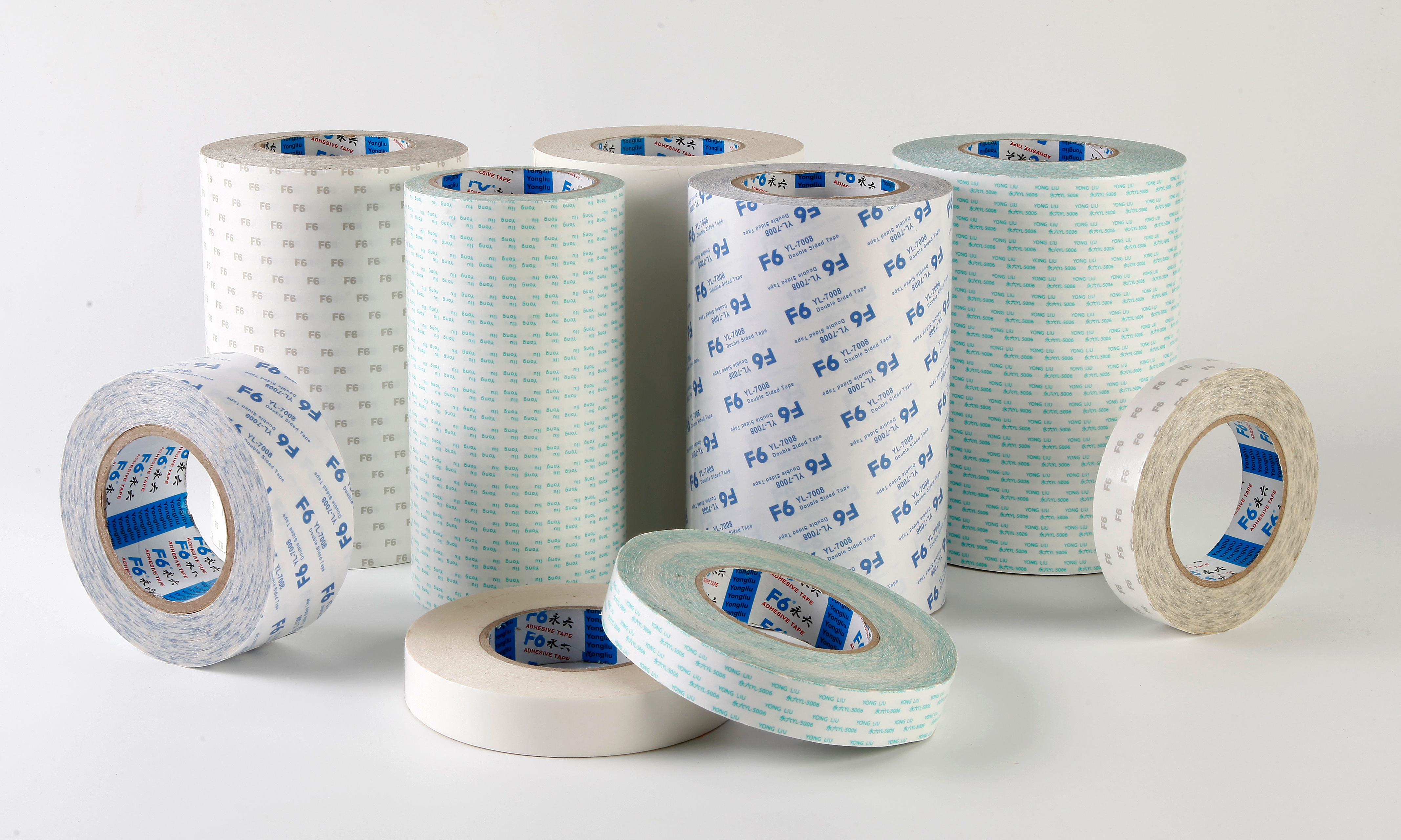
The global push for sustainability has fundamentally shifted the requirements for industrial consumables. For many brands, the transition to circularity begins with the secondary materials used in assembly and logistics. Finding the right eco-friendly industrial tape supplier is no longer just a corporate social responsibility goal; it is a technical necessity for staying compliant in highly regulated markets.
In industrial manufacturing, the challenge lies in replacing traditional petroleum-based tapes with sustainable alternatives without sacrificing shear strength or temperature resistance. Modern engineering now allows for high-performance bonds using bio-based carriers and solvent-free adhesive systems.
Key Criteria for Evaluating a Sustainable Tape Supplier
When vetting a supplier, procurement managers must look beyond marketing labels like “green” or “earth-friendly.” A truly sustainable partner provides transparency in their raw material sourcing and manufacturing processes.
- Manufacturing Methodologies: Inquire if the supplier uses solvent-free coating processes. Traditional adhesive production often releases Volatile Organic Compounds (VOCs), whereas water-based or hot-melt systems significantly reduce environmental impact.
- Carrier Composition: Evaluate the origin of the backing material. Leading suppliers now offer FSC-certified paper, cellulose films, or post-consumer recycled (PCR) plastics.
- Adhesive Chemistry: Sustainable adhesives are moving toward bio-based resins. These formulations reduce reliance on fossil fuels while maintaining the high tack required for industrial surfaces.
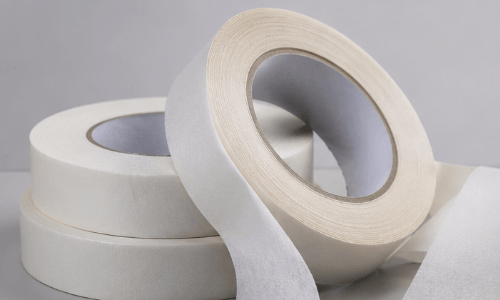
Technical Comparison: Sustainable vs. Conventional Industrial Tapes
From an engineering perspective, the decision to switch to eco-friendly solutions depends on performance parity. In high-volume production, a failure in tape adhesion can lead to costly rework or safety hazards.
| Performance Metric | Traditional Solvent Acrylic | Eco-Friendly Water-Based Acrylic | Bio-Based Rubber Adhesive |
| Initial Tack | Very High | Moderate to High | High |
| Shear Resistance | Excellent | Good | Moderate |
| UV Resistance | High | High | Moderate |
| VOC Emissions | High | Near Zero | Low |
| End-of-Life | Non-Biodegradable | Recyclable (with substrate) | Compostable Options |
On the factory floor, water-based acrylics have become the industry standard for general-purpose bonding. They offer excellent aging resistance and high transparency, making them suitable for electronics and consumer goods where aesthetics and durability are equally weighted.
Sustainable Material Innovation in Fabrication
Mechanical and industrial fabrication processes often demand extreme durability. For instance, tapes used in metal bonding or heavy-duty assembly must withstand high stress and environmental exposure.
Reliable suppliers, such as those specializing in mechanical and industrial fabrication solutions, emphasize that sustainability must meet technical specs. When selecting an eco-friendly industrial tape supplier for these applications, consider the “total lifecycle” of the bond.
A sustainable solution should facilitate the recycling of the primary substrate. If a tape is used on a recyclable aluminum panel, the adhesive should ideally be “wash-off” or compatible with the aluminum smelting process to prevent contamination.
Compliance, Testing, and Certification Standards
A reputable supplier must provide documentation to support their sustainability claims. In the tape industry, several international standards dictate what constitutes “eco-friendly” performance.
- REACH & RoHS: These regulations ensure that tapes do not contain hazardous substances like lead, mercury, or specific phthalates.
- ASTM D6400 / EN 13432: For brands requiring compostable packaging, these standards certify that the tape will break down in industrial composting facilities without leaving toxic residues.
- ISO 14001: This certification indicates that the supplier follows a rigorous Environmental Management System (EMS) throughout their production facility.
In large-volume production, sampling delays can occur when testing for new compliance standards. We recommend requesting technical data sheets (TDS) early in the procurement cycle to ensure the material matches your internal sustainability benchmarks.
Supply Chain Transparency and Carbon Footprint
The ultimate value of a sustainable brand is found in its tier-two and tier-three suppliers. A global brand’s carbon footprint is heavily influenced by the logistics and raw material extraction of its tape components.
Modern suppliers are increasingly providing Carbon Footprint calculations for their products. This data allows project managers to include tape usage in their Scope 3 emission reports. By choosing a supplier that prioritizes regional sourcing and low-energy manufacturing, brands can significantly lower the overall environmental impact of their finished products.
When auditing a potential partner, look for those who invest in thinner carriers. Reducing the thickness of the tape backing—while maintaining tensile strength—saves significant amounts of material in high-speed automated packaging lines.
FAQ
Is eco-friendly industrial tape as strong as traditional tape?
In most applications, yes. Water-based acrylics and bio-based rubber adhesives now offer performance levels that match or exceed solvent-based tapes for 90% of general industrial uses. Extreme high-heat or chemical-resistant applications may still require specific engineering consultations.
Can I recycle cardboard boxes with eco-friendly tape still attached?
This depends on the adhesive type. Many modern water-based tapes are designed to be “recycling-compatible,” meaning they are easily separated from the pulp during the re-pulping process at recycling centers.
What is the shelf life of bio-based tapes?
Bio-based tapes generally have a shelf life of 12 to 24 months if stored in a cool, dry environment. Because they are designed to be more degradable than petroleum-based plastics, they are more sensitive to extreme heat and humidity over long periods.
Does switching to a sustainable tape supplier increase costs?
Initial material costs may be 5% to 15% higher. However, these costs are often offset by reduced waste disposal fees, better brand positioning, and compliance with increasingly strict “green taxes” in various global markets.
What certifications should I look for in a tape supplier?
Prioritize suppliers with ISO 14001 for environmental management, and ensure their products are REACH and RoHS compliant. For compostable requirements, look for the “seedling” logo or EN 13432 certification.
Reference Sources
- ISO 14001:2015: Environmental management systems — Requirements with guidance for use. ISO.org
- European Bioplastics: Information on EN 13432 standards for compostability and biodegradability. european-bioplastics.org
- ASTM International: Standards for testing adhesive bond strength (ASTM D3330) and compostability (ASTM D6400). astm.org
- ECHA (European Chemicals Agency): Guidance on REACH and RoHS compliance for chemical substances in articles. echa.europa.eu
- PSTC (Pressure Sensitive Tape Council): Industry-wide technical resources on tape sustainability and manufacturing innovations. pstc.org