
 Canada
 USA
 Japan



Flexographic Plate Mounting Tape: Cushioning Selection

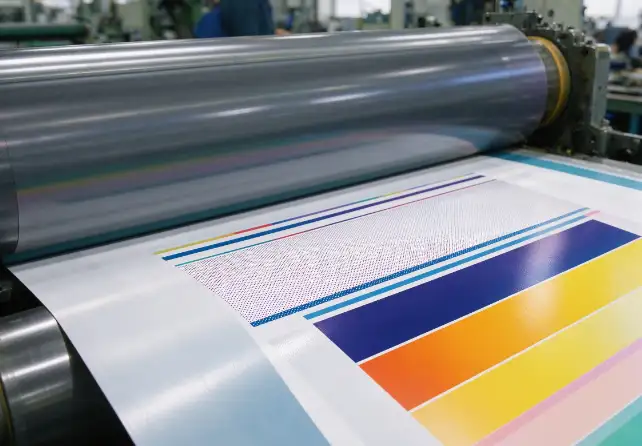
Flexographic plate mounting tape holds the plate and forms part of the impression system. Choose its thickness for the required press build, then compare cushioning against the artwork and plate technology. Adhesion to the plate and sleeve is a separate part of that decision.
A tape selected for fine screens may need a different cushioning balance from one used mainly for solids. Mixed artwork makes that compromise visible. The useful result is stable print quality across the job, with manageable mounting and demounting.
What Cushioning Changes During Printing
The mounting layer contributes to the mechanical response between the plate and sleeve or cylinder. Compression and recovery affect how that assembly responds during repeated impression. Film backed constructions provide a different support behavior where cushioning is unnecessary.
tesa’s plate mounting overview separates foam, film, and cloth solutions. Foam adds cushioning, while film or cloth constructions can suit systems requiring less compliance. Start with the mechanical role of the mounting layer.
Hardness labels need context
Terms such as soft, medium, and hard may describe relative positions within one manufacturer’s range. They are not necessarily comparable across suppliers. Request the relevant compression or hardness method when numerical comparisons matter.
Foam density and hardness are also different properties. Equal density does not guarantee equal compression or recovery. A mounting trial should confirm the mechanical response under the intended press conditions.
Separate cushioning from adhesion
The foam supports the plate mechanically. Adhesive interfaces hold the tape to the sleeve and the plate to the tape. Plate lift can occur even when the cushioning response is otherwise appropriate.
If a defect appears, first identify the likely mechanism. Bubbles, uneven mounting, incorrect impression, and inconsistent plate condition can resemble material problems. Changing foam hardness may conceal the cause without resolving it.
Foam Plate Mounting Tape for Different Image Demands
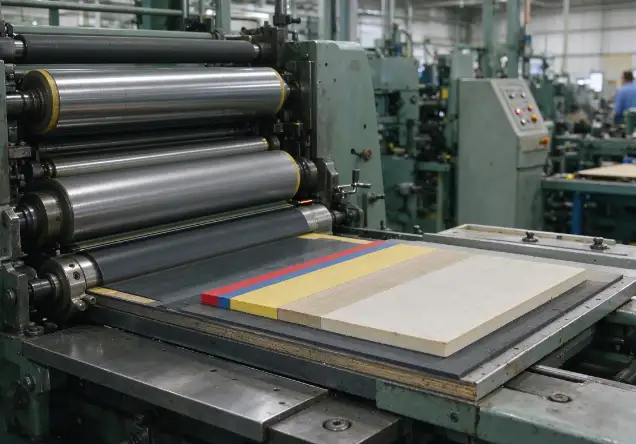
Fine screens, line work, solids, and combined images place different demands on impression control. Candidate selection should reflect the actual artwork. One broad hardness rule is unlikely to cover every plate technology and press setup.
| Print situation | Trial emphasis | Evidence to record |
| Fine screens and highlights | Dot reproduction and impression sensitivity | Tone values and highlight stability |
| Large solids | Ink coverage and uniformity | Density, pinholing, consistency |
| Mixed artwork | Balance across image types | Screens, lines, and solids together |
| Longer runs | Mechanical recovery and stability | Change from startup to run end |
| Higher operating speed | Dynamic behavior of the assembly | Bounce, defects, registration |
For a concrete example, tesa Softprint 52018 uses an extra soft 380 micrometer construction for fine screens with specified photopolymer plates. This supports trialing softer cushioning for that defined combination. Solids and mixed artwork still require comparison within the intended press system.
Flexible packaging and narrow web labels
For flexible packaging, inspect both visual coverage and fine image detail. Film movement and drying conditions can complicate diagnosis. Keep those conditions stable when comparing mounting tapes.
For labels, small print features and repeat consistency may be particularly important. Mounting accuracy and trapped air can influence the outcome. Inspect plate seating before attributing a defect to foam behavior.
Repeated jobs and plate reuse
Repeated artwork makes consistency valuable. Record the approved combination of plate, tape, sleeve, and press settings. An undocumented tape change can make a familiar job behave differently.
Plate reuse also changes the evaluation. Inspect demounting damage, adhesive transfer, and time needed for cleaning. A small print improvement may be outweighed by unacceptable plate damage.
How to Control Thickness and Mounting Interfaces
The total press build includes the sleeve or cylinder arrangement, mounting tape, and plate. Confirm the required tape thickness before comparing cushioning options. A different nominal thickness may require a different compatible setup.
Ask how total thickness is measured and whether the liner is excluded. Tolerance matters across the tape width and along the roll. Local variation can create uneven impression even when the nominal value appears correct.
Mounting surfaces should be clean, dry, and compatible with the approved cleaning procedure. Residual cleaner can alter adhesion or affect component materials. Allow the required drying period before mounting.
Review these practical details:
- Sleeve or cylinder surface condition.
- Plate backing cleanliness and flatness.
- Tape seam placement and avoidance of unintended overlap.
- Application pressure and air removal technique.
- Plate edge seating and access for demounting.
- Liner removal behavior during positioning.
Different adhesive behavior on the two faces can support mounting and removal requirements. Identify which face contacts the plate and which contacts the sleeve. Do not reverse a differential construction without technical confirmation.
If repositioning is needed, test it as a defined action. Repeated lifting can contaminate or distort the interface. An initial mounting correction does not establish unlimited repositionability.
Compare Print Results at a Controlled Press Setup
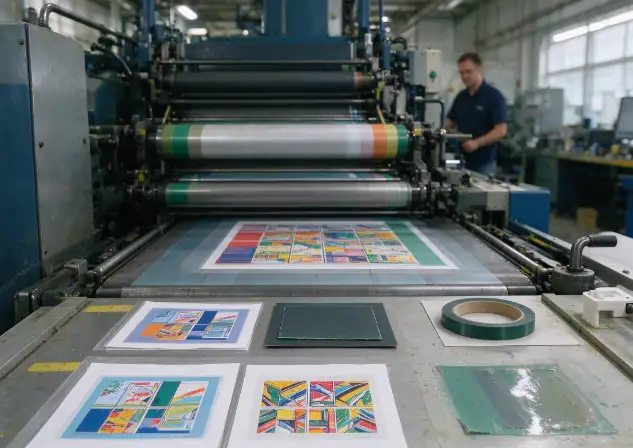
Use an agreed trial job that includes the image features relevant to production. Keep plate specification, ink, anilox, substrate, and speed controlled. Record any adjustment needed for each candidate.
Inspect startup and later production samples. A tape that prints acceptably for a short period may behave differently after an extended run. Include mounting time, plate lift, and demounting observations in the comparison.
Keep samples from startup and stable production, then compare the same image areas. For solids, record density and pinholing; for screens, record tone reproduction and highlight stability. Include press adjustments so print results remain traceable to the setup.
Use a mixed artwork job where screens and solids are both commercially important. The best solid patch may coincide with an unacceptable highlight result. Select the compromise against the job’s agreed quality limits.
Record any impression adjustment made during the trial. If one tape requires a substantially different setup, preserve that information with the print samples. Otherwise, later comparisons may attribute the setup effect to cushioning alone.
After demounting, inspect the plate backing as well as the tape. Distortion or damage can affect the next run even if the current print was acceptable. Include plate reuse requirements when deciding which construction offers the better overall result.
F6’s plate mounting tape category includes two PE foam constructions with different published thicknesses:
| Candidate | Published total thickness | Initial selection question |
| FHX038 flexo mounting tape | 0.38 mm | Does it match the plate and sleeve build? |
| FNC055 flexo mounting tape | 0.55 mm | Is the press setup designed for the thicker mounting layer? |
The thickness difference changes the build before cushioning is considered. Confirm the required dimensions and compression response for each trial. Do not infer an equivalent foam hardness from the model name or thickness.
The most useful approval record connects a specific tape grade with a defined printing system. It should explain what was tested and what result was acceptable. That record makes later troubleshooting more precise.
FAQ
Is softer foam always better for fine screens?
No universal rule covers every press and plate system. Use application guidance to select candidates, then compare actual print results under controlled conditions.
Can stronger adhesive prevent every case of plate lift?
No. Surface preparation, plate curl, mounting technique, and operating conditions also matter. Diagnose the cause before changing adhesive strength.
Can mounting tapes with different thicknesses be compared directly?
Only after confirming a compatible press build for each construction. Otherwise, a thickness difference may confound the cushioning comparison.