
 Canada
 USA
USA Japan
Japan


Foam Tape Thickness Guide: Selecting the Right Industrial Bond

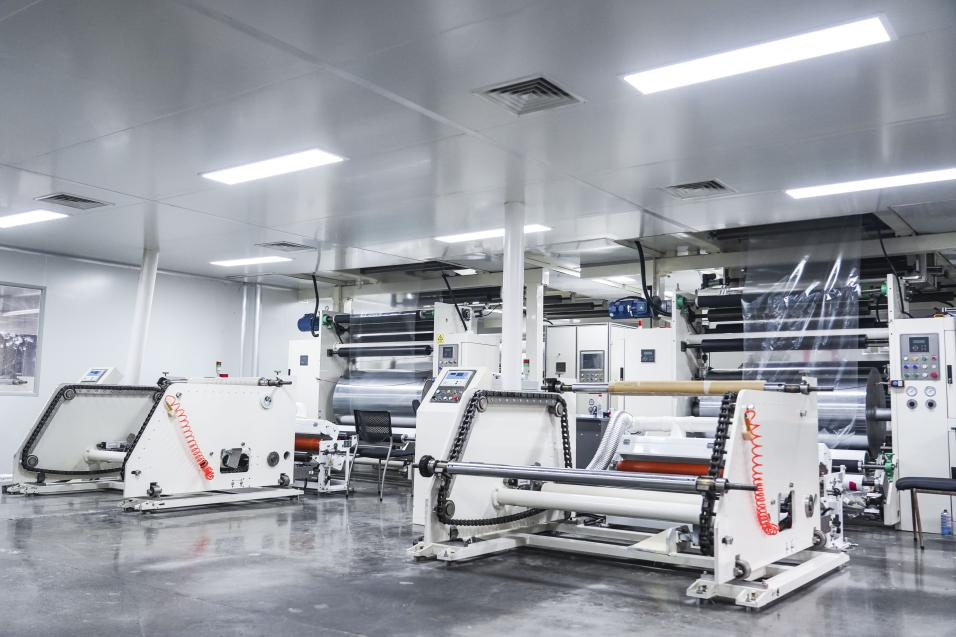
Foam tape thickness is the critical dimension that determines the “bond line” between two substrates. In industrial manufacturing, selecting the correct thickness is not merely an aesthetic choice. It is a calculated engineering decision that ensures structural integrity, seal quality, and vibration damping.
Thickness acts as the mechanical bridge that compensates for surface irregularities. It provides the necessary volume to absorb stress from thermal expansion or mechanical shock. For engineers and OEM project managers, understanding the relationship between carrier volume and substrate contact is essential for long-term bond reliability.
Understanding Gap Filling and Substrate Conformability
The primary function of a foam carrier is its ability to “wet out” or conform to a surface. No industrial surface is perfectly flat at a microscopic level. Machined parts, cast metals, and extruded plastics all possess “peaks and valleys” that a thin transfer tape cannot bridge.
The “gap-filling” capability of foam tape allows the adhesive to reach the valleys of a textured surface. If the tape is too thin, the adhesive only contacts the peaks, reducing the total bonding area. Conversely, the correct thickness ensures that the foam compresses into the surface profile, maximizing molecular contact.
When addressing irregular surfaces, a PE foam double-sided tape provides the necessary volume to fill deep valleys. This conformability is vital for maintaining a hermetic seal against dust, moisture, and air. In large-volume production, ensuring this seal prevents premature failure in electronics and automotive assemblies.
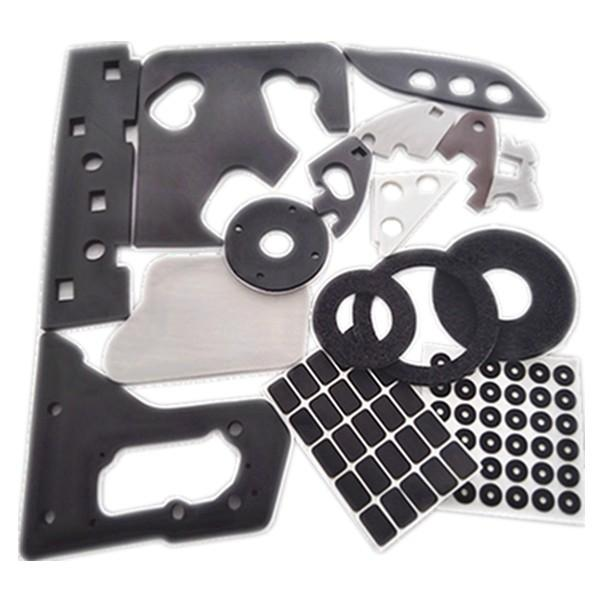
Standard Thickness Ranges and Use Case Suitability
Industrial foam tapes typically range from 0.5mm to over 6.0mm. Each range serves specific mechanical purposes based on the expected load and environmental stress. Choosing the wrong range can lead to adhesive “cleavage” or internal foam splitting.
| Thickness Range | Common Material | Primary Engineering Goal | Typical Applications |
| 0.5mm – 0.8mm | PE / Acrylic Foam | Precision bonding | Nameplates, thin trim, electronic displays |
| 1.0mm – 1.6mm | PE / EVA Foam | General assembly | Appliance panels, internal automotive trim |
| 2.0mm – 3.2mm | PE Foam | Vibration damping | HVAC gaskets, signage, glass glazing |
| 4.0mm+ | Open-cell / PE | Extreme gap filling | Heavy machinery seals, soundproofing |
For precision electronics, the 0.5mm range is often standard. This provides enough conformability for thin plastics without adding significant bulk to the device profile. In construction or signage, the 2.0mm to 3.0mm range is preferred to allow for significant movement.
How Surface Texture Affects Thickness Selection
Substrate surface energy and texture are the twin pillars of adhesive selection. A smooth surface, such as polished stainless steel or glass, requires less carrier thickness. The adhesive can achieve full wetting with a thin profile, maintaining a low-profile bond line.
Textured surfaces, such as powder-coated metals or cast aluminum, require thicker foam. These surfaces often have high “Rz” values, indicating deep surface roughness. A thicker carrier allows for greater “internal elongation,” which lets the tape stretch into these recesses without losing its internal structure.
Manufacturing environments typically require a “compression audit” before selection. This involves measuring the maximum variance between two mated parts. A rule of thumb for engineers is to select a tape that is at least 50% thicker than the maximum expected gap to ensure constant pressure.
The Role of Thickness in Vibration Damping
Vibration damping is a critical requirement in automotive and aerospace environments. Thin tapes transmit kinetic energy directly through the bond. In contrast, thicker foam carriers act as shock absorbers, dissipating energy within the cellular structure of the foam.
This energy dissipation is often referred to as “viscoelastic damping.” As a component vibrates, the foam cells compress and expand, converting mechanical energy into a small amount of heat. This prevents mechanical fatigue in the substrates and reduces “buzz, squeak, and rattle” (BSR) in vehicle interiors.
The density of the foam also interacts with thickness to dictate damping performance. High-density PE foams offer superior shear resistance for structural loads. Lower density foams provide better cushioning for fragile components during transport or operation.
Engineering Workflow for Selecting Tape Thickness
To ensure a successful bond, project managers should follow a standardized technical evaluation. This process minimizes the risk of bond lifting or environmental leaks.
- Quantify the Gap: Measure the distance between the two substrates at multiple points.
- Account for Tolerances: Factor in the manufacturing tolerances of the parts being joined.
- Calculate Thermal Expansion: Determine if the substrates (e.g., metal vs. plastic) expand at different rates.
- Evaluate Compression Set: Ensure the foam can maintain its thickness after repeated loading.
- Verify Die-Cutting Needs: Thinner foams are generally easier to convert into complex shapes with tight tolerances.
In large-volume production, sampling delays may occur when testing thicknesses above 3.0mm. This is because thicker materials require specific die-cutting pressures and cooling cycles. Early testing ensures that the thickness does not interfere with the automated application equipment on the assembly line.
Technical Criteria for Selecting Foam Carriers
Beyond thickness, the chemical makeup of the foam carrier influences the bond’s lifespan. Polyethylene (PE) is the most common industrial choice due to its balance of cost and performance. It resists many common chemicals and provides excellent moisture resistance.
Acrylic foam carriers are used for “ultra-high-bond” (UHB) applications. These are essentially 100% solid adhesive structures. They offer the highest level of thickness consistency and can replace mechanical fasteners like rivets or screws in structural glazing and curtain walls.
When evaluating a supplier, always request the ASTM D3652 test results. This standard ensures the thickness is measured under specific pressure to provide an accurate “nominal” value. This data is critical for ensuring that the tape will fit within the designed housing of an OEM component.
FAQ
What is the “Bond Line” in industrial taping?
The bond line is the final thickness of the tape once it is applied between two substrates. It includes the carrier and the adhesive layers. This dimension is critical for calculating the overall dimensions of a finished assembly.
How much should I compress foam tape for a water seal?
For a reliable moisture seal, most closed-cell PE foam tapes require approximately 30% compression. This ensures the internal cells are packed tight enough to prevent water molecules from wicking through the carrier.
Does a thicker foam tape always mean a stronger bond?
No. While thicker tape fills gaps better, it can increase the “leverage” on the bond in peel or cleavage scenarios. The strength is determined by the adhesive’s chemistry and the contact area achieved through conformability.
Can I use multiple layers of tape to increase thickness?
This is generally discouraged in industrial applications. Layering tapes creates multiple internal interfaces, increasing the likelihood of “inter-layer” failure. It is always better to source a single roll at the required thickness.
How does temperature affect foam thickness?
Extreme heat can cause some foams to soften or “creep,” leading to a reduction in effective thickness under load. Always verify the “operating temperature range” of the specific foam carrier before finalizing your design.
Reference Sources
- ASTM D3652: Standard Test Method for Thickness of Pressure-Sensitive Tapes.
- ISO 9001:2015: Quality management systems for industrial manufacturing and converting.
- PSTC (Pressure Sensitive Tape Council): Technical guidelines for carrier selection and measurement.
- Avery Dennison/3M Engineering Manuals: Technical data regarding foam compression and damping coefficients.
- SGS / UL Testing Reports: Standard certifications for adhesive performance in electronics and appliances.