
 Canada
 USA
 Japan



Removable Foam Double Sided Tape: Surface Selection

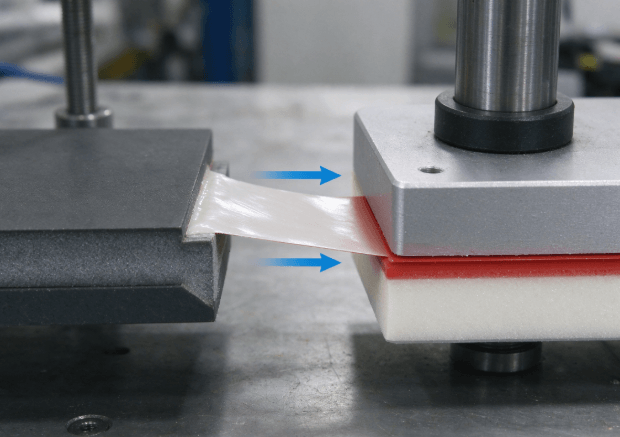
Removable foam double sided tape needs to satisfy two conditions: hold the part for its intended use and release acceptably from the chosen surface. The foam, adhesive, coating, and removal path all contribute. A removable label alone leaves too much unspecified.
For a temporary display, decide which component should retain the tape after separation. Then define the installation period and permitted cleanup. These details turn a broad claim about removability into an application requirement.
Why Removable Does Not Describe Every Surface Outcome
A removable adhesive is designed for a particular release behavior. The foam, adhesive interfaces, and surface finish still determine what happens during separation. A weak coating may fail before the adhesive releases.
Several outcomes can look similar during a quick check:
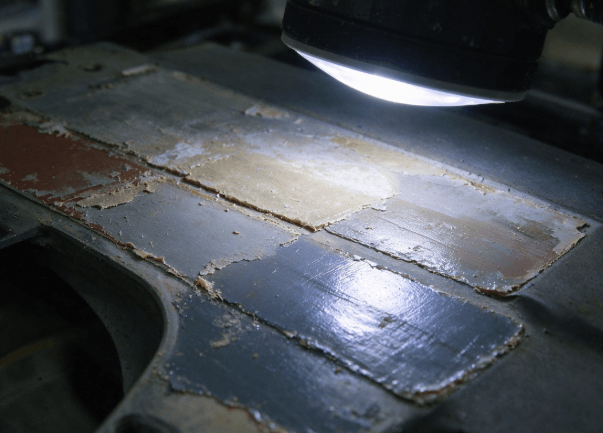
- Adhesive residue remains on an otherwise intact surface.
- Foam splits and leaves material attached to both parts.
- Paint or a decorative coating lifts with the tape.
- Plastic shows discoloration or a change in gloss.
- The surface looks clean but retains a visible pressure mark.
Record these separately. Calling every failure residue makes troubleshooting less useful. Each mechanism may require a different construction or application change.
Adhesive on each face may behave differently
Some double coated products are designed to remain on one component while releasing from another. Others use similar adhesive behavior on both faces. Confirm which interface is intended to separate.
3M’s removable repositionable tape documentation illustrates different adhesive functions on opposite faces. That film construction is useful for understanding release direction. A foam assembly needs its own evaluation of which interface releases and whether the carrier stays intact.
Removable and reusable are separate claims
A tape may separate acceptably but lose adhesion after removal. Dust, deformation, and adhesive contamination can prevent reliable reuse. Evaluate repeated cycles only when reuse is part of the intended application.
Temporary Foam Bonding for Displays and Protective Parts
Removable mounting foam tape is considered for temporary displays, protective pads, and components that require later separation. The application should define both the exposure period and the removal condition. An open ended installation needs a different evaluation from a short event.
Retail and exhibition displays
Displays can involve painted panels, coated boards, glass, or plastics. Compare the surface strength with the force needed for removal. Paper faced boards may tear even when the adhesive releases cleanly from glass.
Account for cleaning products and lighting heat near the display. Small changes can affect a temporary joint over time. Include the installed orientation and any leverage from protruding graphics.
Protective pads and transit components
Foam can cushion a contact point while adhesive keeps the pad in position. During removal, the foam may become the weakest layer. Inspect whether the pad can be removed as one piece using the intended access point.
If a protective film covers the finished surface, test the complete stack. The tape may remain attached while the film lifts. Performance depends on all interfaces, including those outside the tape itself.
Serviceable equipment components
Temporary attachment can support access during service, but removal space matters. A technician needs a practical way to reach and separate the joint. A removable material may still be unsuitable inside a tightly enclosed assembly.
Account for the force required to separate the actual part. A large rigid display can transmit removal force into its coating or support. Smaller test strips may release more easily because they can bend during peeling.
How to Test Low Residue Foam Tape
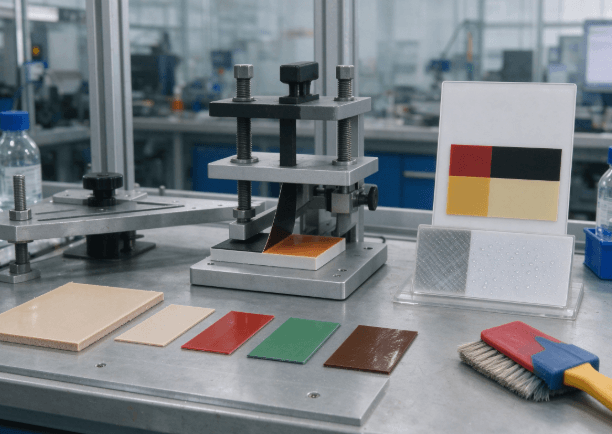
Create a test matrix using production surfaces. Include variation that matters, such as coating batches or plastic texture. Keep surface cleaning representative of the approved process.
| Variable | What to reproduce | What to inspect |
| Surface condition | Actual finish and cure | Coating lift, gloss change |
| Dwell | Planned minimum and maximum | Adhesion buildup and residue |
| Temperature | Application, use, and removal | Release force and foam splitting |
| Humidity | Relevant exposure sequence | Marks and interface changes |
| Loading | Weight, leverage, movement | Slip, edge lift, detachment |
| Removal method | Approved angle and speed | Intact removal and accessibility |
Define acceptance before comparing samples. A removable tape for an unfinished fixture may tolerate minor residue. The same residue may be unacceptable on a visible appliance panel.
Use photographs under consistent lighting. Inspect both the bonded surface and the removed tape. Where appearance is critical, include oblique lighting and a defined viewing distance.
Include aged assemblies
Immediate removal tests are useful for handling assessment, but they do not represent the full service period. Repeat checks after the planned environmental exposure. Accelerated conditioning should be justified against the expected failure mechanisms.
Low residue foam tape is a product description, rather than a complete specification. State the permitted residue and inspection method. Also state whether cleaning after removal is allowed.
3M’s removable foam tape documentation identifies a construction intended for temporary attachment. Its 4658F technical data sheet also notes difficult removal on some high surface energy substrates. Even a purpose designed removable product therefore needs a surface specific test.
Choose Which Interface Should Release
Select the foam and adhesive system after understanding the intended separation method. A reinforced construction may improve handling, but does not automatically provide clean release. Likewise, a soft foam can conform well while tearing during removal.
Check whether the part can tolerate the required separation force. Thin plastic or decorative sheet may bend before the bond releases. Consider a different attachment location or mechanical feature where separation access is limited.
If solvents or heat are proposed for removal, validate their compatibility with the component and workplace process. They should not become an improvised substitute for an unsuitable joint. Document the approved method alongside the material specification.
Consider an exhibition panel attached to glass for a short event. Replacing the glass with painted metal introduces a coating interface, even when tape area and display weight remain unchanged. Include that interface in the approval rather than extending the glass result.
Repeat the relevant holding and removal checks using the actual coating. Keep the tape geometry and intended exposure unchanged where possible. This helps isolate the effect of the surface change.
Where cleaning is permitted, record the approved cleaner and acceptable effort. A construction that needs prolonged cleanup may be unsuitable for frequent changeovers. Where cleaning is prohibited, the removal acceptance criterion should state that clearly.
Within F6’s foam double sided tape range, the removable foam tape category is a starting point for screening. The listed FPK1008 constructioncombines PE foam with PET reinforcement and a published 0.8 mm total thickness.
PET support may change how a part handles during separation. The adhesive release at the finished surface still needs confirmation. For a temporary application, request evidence for the intended surface, exposure period, and removal path before choosing that grade.
FAQ
Can removable tape damage painted walls or panels?
Yes. Weak paint adhesion, incomplete cure, unsuitable removal, or prolonged exposure can produce damage. Test the actual finish before approving the application.
Does a thicker foam improve removability?
Not necessarily. Thickness affects handling and separation mechanics, while adhesive behavior and foam cohesion determine other aspects of removal.
Can temporary foam bonding remain outdoors indefinitely?
An indefinite period cannot be inferred from a removable description. Define exposure duration and environmental conditions, then verify both holding and removal.