Canada
 USA
USA Japan
Japan


Technical Performance Data & Selection Guide for Foam Adhesives

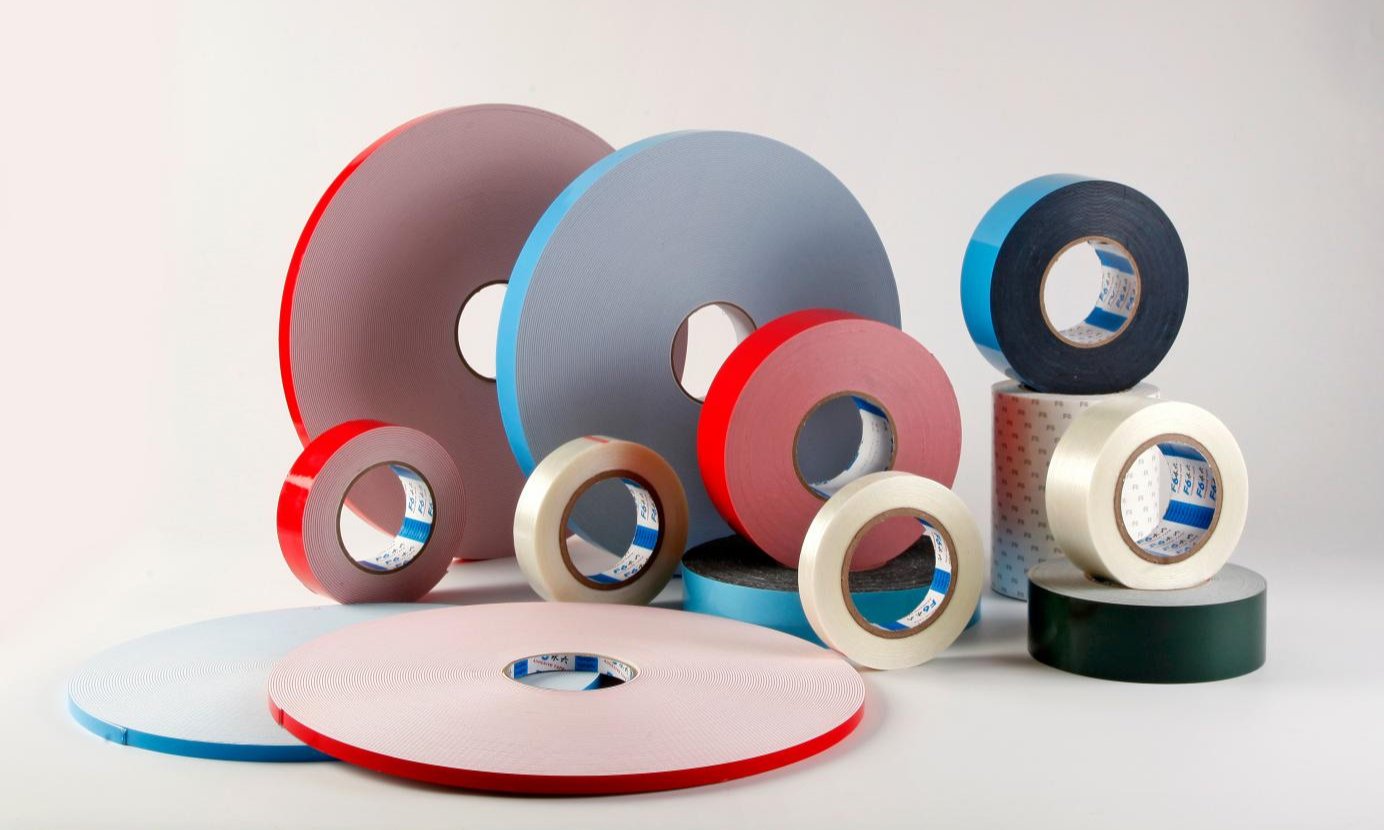
When evaluating foam double-sided tape applications, technical specifications are the core determinant of bonding success—especially in industrial scenarios such as electronics assembly, EV interior fitting, and high-temperature manufacturing. Most high-quality PE foam tapes offer a peel adhesion strength of 15 to 25 N/25mm, a level of grip that ensures mounted objects remain secure and stable over long-term use, even under mild vibration or environmental stress.
Thickness is another critical factor that directly impacts application effectiveness. Foam tapes typically range from 0.5mm to 3.0mm in thickness, with each specification tailored to specific bonding needs. Thicker foam cores excel at filling large gaps between uneven surfaces (e.g., automotive interior trim, electronic component mounting), while thinner tapes are preferred for precision bonding where a low profile is required—such as PCB assembly, gold finger protection, or small electronic module fixing.
Temperature resistance varies significantly by the type of foam and adhesive system used, which is particularly important for industrial processes involving wave soldering, reflow soldering, or automotive engine compartment applications. Acrylic foam tapes, often used in high-demand scenarios, can sustain temperatures up to 150°C for short durations. In contrast, standard EVA foam tapes are generally rated for indoor environments with moderate temperatures (20°C~60°C). Selecting a tape with the correct thermal rating is essential to prevent bond failure, adhesive degradation, or residue in high-heat industrial settings.
How to Select the Ideal Foam Tape for Your Project
How to Select the Ideal Foam Tape for Your Project
Selecting the right foam double-sided tape depends on three key factors: environmental conditions, surface types, and application requirements—all of which align with common use cases like EV interior parts, electronic component bonding, and industrial masking. First, identify the surface energy of the materials you are bonding: high surface energy materials (e.g., metals, glass) bond easily with most foam tapes, while low surface energy plastics (e.g., PP, PE, PET) may require specialized adhesives or primers to ensure strong adhesion.
Next, consider the weight of the object and the duration of the load. For permanent, heavy-duty structural bonding—such as automotive interior panel fixing, battery pack assembly, or industrial equipment mounting—acrylic foam is the industry standard, offering superior cohesion and shear resistance. For lightweight indoor mounting (e.g., non-structural electronic labels, decorative trim), PE or EVA foam tapes provide a cost-effective solution without compromising basic adhesion performance. Additionally, assessing environmental exposure is crucial for outdoor or harsh industrial applications, where UV light, moisture, and temperature fluctuations can degrade ordinary tapes over time.
The texture of the substrate also influences your selection. If the surfaces are rough, uneven, or mismatched (e.g., metal brackets, foam insulation in EVs), a thicker, more conformable foam is necessary to ensure maximum contact between the adhesive and the surface, eliminating gaps that could lead to bond failure. Properly matching the tape to the application not only ensures a long-lasting, safe bond but also optimizes cost and process efficiency. To find the right fit, it is helpful to browse specialized categories like those found at F6 Foam Double Sided Tape, where you can compare material properties, adhesive types (rubber,water based or solvent-based), and performance specifications tailored to industrial and electronic applications.
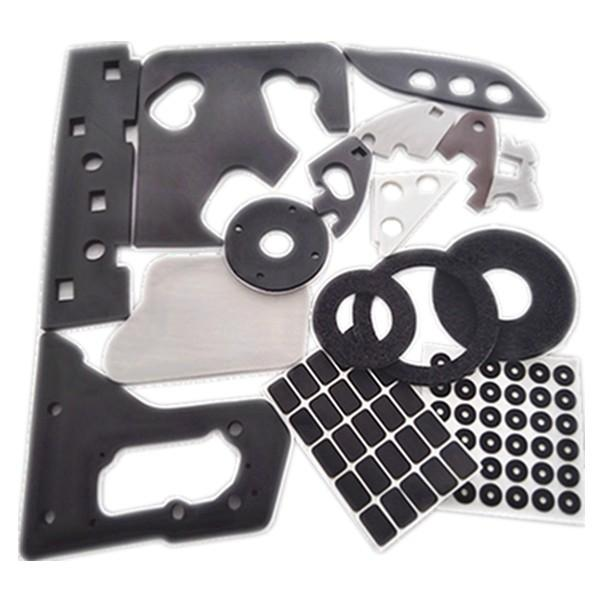
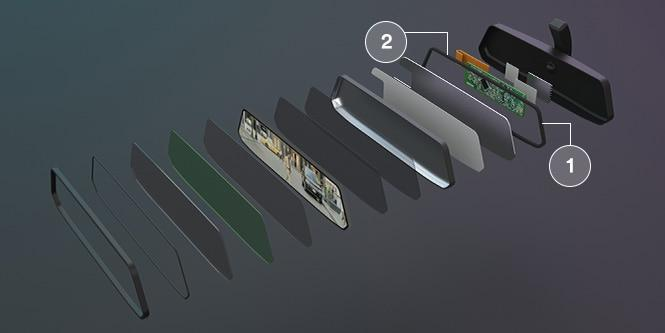
Industrial Foam Double Sided Tape Applications in Mounting and Home Improvement Uses
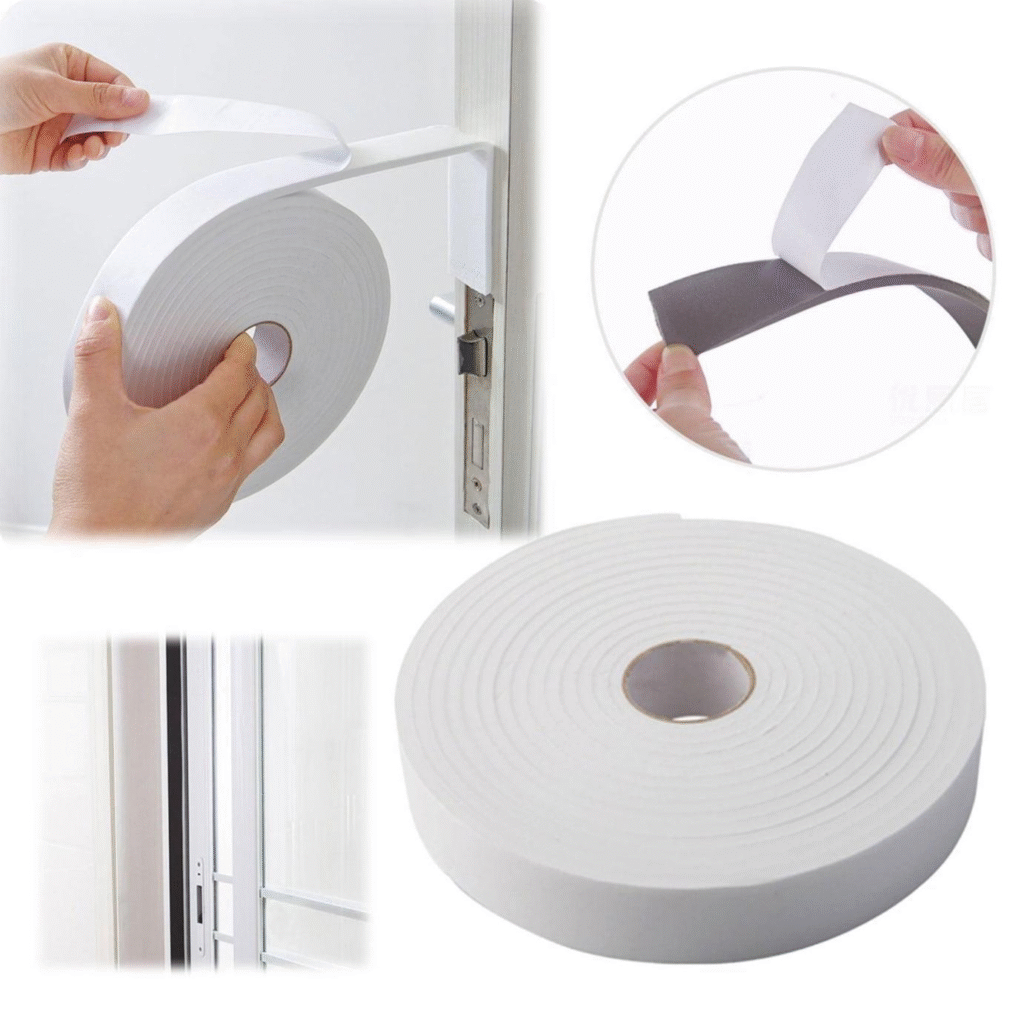
Foam double-sided tape is widely used in wall decoration, especially for hanging mirrors, picture frames, and other light-to-medium weight items. It offers a clean, damage-free alternative to nails and screws, making it ideal for renters or anyone looking to avoid wall damage. The tape’s flexibility allows it to adhere securely to a variety of surfaces, including painted walls, wood, and textured surfaces, ensuring a firm bond for decorations.
Additionally, foam double-sided tape is useful for securing other wall-mounted items, such as shelves, hooks, and even vinyl decals. It helps in organizing spaces and adding decorative accents without the need for drilling or permanent fixtures. Whether for temporary setups or long-term display, this tape provides a reliable, easy-to-apply solution for all your wall decorating needs.
Our FW200805 delivers excellent adhesion, durability and stability, perfectly meeting the above requirements for various wall decoration applications.
Industrial Foam Double Sided Tape Applications in Home Appliance
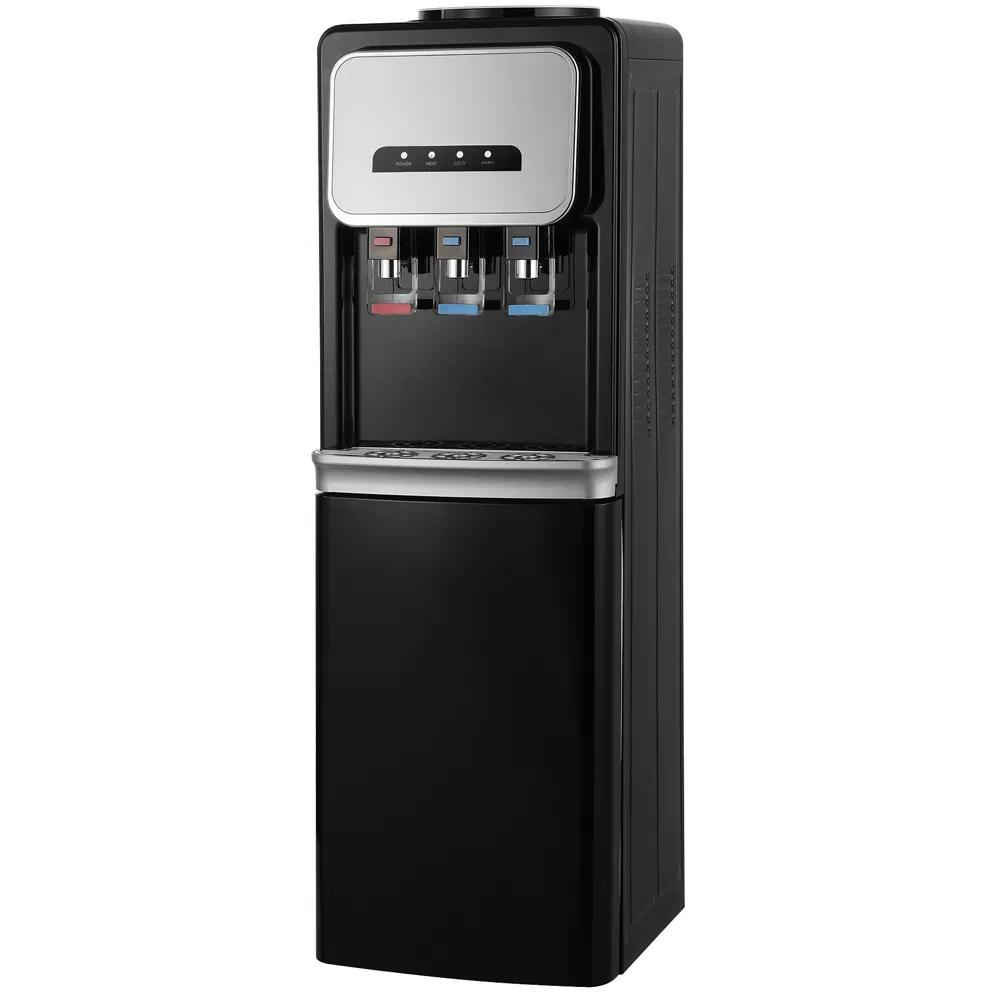
1. Refrigerators & Freezers: Sealing, Insulation & Structural Bonding
Refrigerators and freezers have strict requirements for sealing, thermal insulation, and structural stability, making foam double sided tape an ideal choice. The door seal is the core application: high-density EVA or PE foam tape is used to bond the door gasket to the door body, ensuring tight sealing to prevent cold air leakage and reduce energy consumption. The foam’s compressibility and resilience effectively fill the micro-gaps between the gasket and the door, maintaining long-term sealing performance even after repeated opening and closing.
In addition, foam tape is widely used in the internal structural bonding of refrigerators—such as bonding the inner liner to the shell, fixing the evaporator and condenser, and mounting control panels. Acrylic foam tape, with its excellent temperature resistance (-40℃~120℃) and strong cohesion, is suitable for low-temperature environments inside freezers, avoiding bond failure due to temperature changes. It also eliminates the damage to the shell and inner liner caused by screws, ensuring the aesthetic appearance of the product and reducing production processes.
2. Washing Machines & Dryers: Vibration Dampening & Waterproof Bonding
Washing machines (especially front-loading models) and dryers generate significant vibration and noise during operation, while also requiring waterproof and moisture-resistant bonding. Industrial foam double sided tape plays a key role in vibration dampening and structural reinforcement: thick PE foam tape is used to bond the motor, control panel, and shell, absorbing vibration and reducing noise transmission, improving the user’s use experience.
For the waterproof and moisture-resistant needs of washing machine door seals, detergent boxes, and water inlet/outlet pipes, foam tape with waterproof adhesive (such as solvent-based acrylic foam tape) is selected. It not only bonds firmly to metal, plastic (PP, PET), and rubber substrates but also has excellent water resistance, preventing water seepage and protecting internal electronic components from moisture damage. Meanwhile, the residue-free peel performance of the tape facilitates maintenance and disassembly of the appliance, reducing after-sales costs.
3. Air Conditioners: Noise Reduction, Sealing & Component Fixing
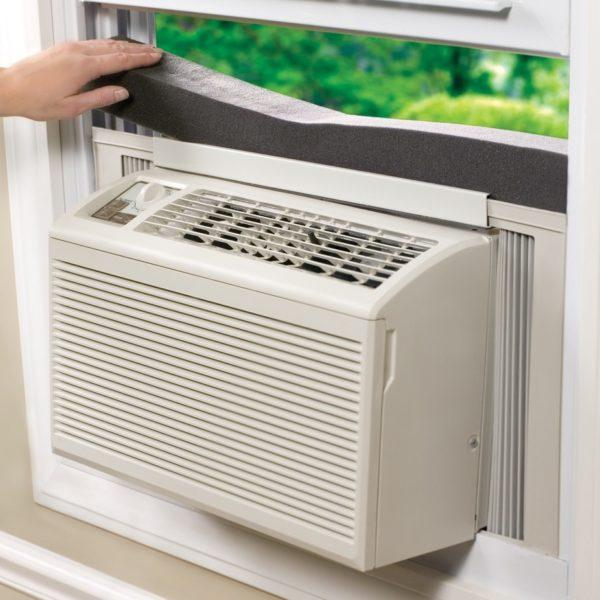
Air conditioners (both split and window types) require strict sealing, noise reduction, and stable component fixing, which are perfectly matched with the performance of industrial foam double sided tape. In the indoor unit, foam tape is used to bond the air outlet grille, filter cover, and shell, filling gaps to prevent air leakage and reduce wind noise. In the outdoor unit, high-temperature resistant acrylic foam tape is used to fix the compressor, heat exchanger, and wiring harness, withstanding long-term high-temperature operation (up to 150℃ for short durations) and harsh outdoor environments (UV radiation, rain, temperature fluctuations) without adhesive degradation.
In addition, foam tape is used for the bonding of air conditioner decorative panels and control panels, ensuring a flat and aesthetic surface without unsightly screw holes. For the connection between the indoor and outdoor units’ copper pipes and wall holes, foam tape with good flexibility and sealing performance is used to fill gaps, preventing dust and rainwater from entering the room and improving the energy efficiency of the air conditioner.
4. Small Home Appliances: Aesthetic Bonding & Functional Enhancement
Small home appliances (such as microwave ovens, rice cookers, blenders, and electric kettles) focus on compact structure, aesthetic appearance, and safe use.