
 Canada
 USA
USA Japan
Japan


Masking Tape Uses: A Guide for Painting and Industry

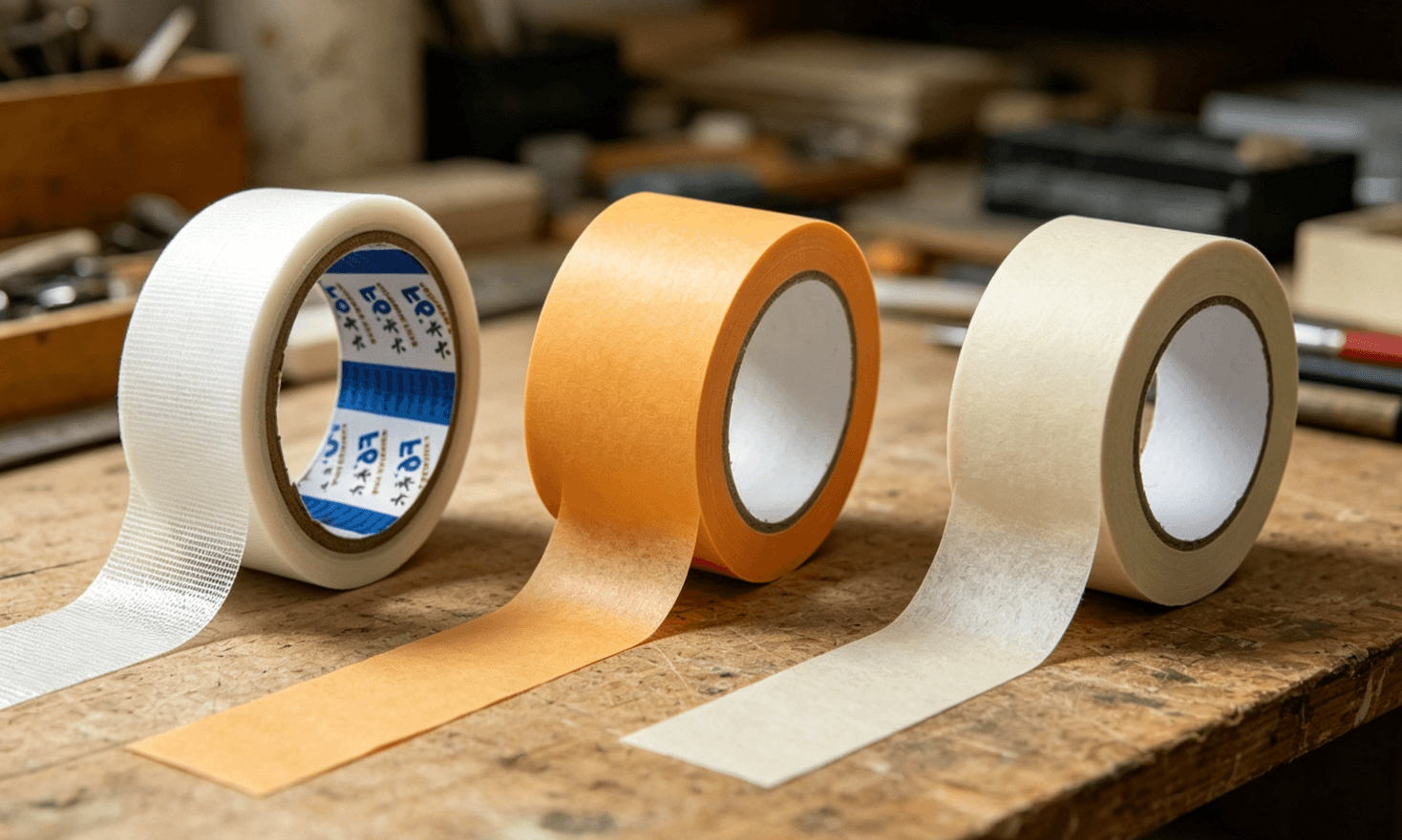
Masking tape is a versatile tool found in almost every workshop and construction site. It features a thin, easy-to-tear paper backing combined with a pressure-sensitive adhesive. Professionals rely on it to protect surfaces from paint, dust, or damage. Understanding the diverse masking tape uses ensures that projects remain clean and precise.
This adhesive tool was originally invented to solve automotive painting challenges in the 1920s. Today, it has evolved into various specialized grades for residential and heavy-duty industrial applications. Its primary function is to provide a temporary bond that removes cleanly without damaging the underlying surface.
What Are the Different Types and Masking Tape Uses?
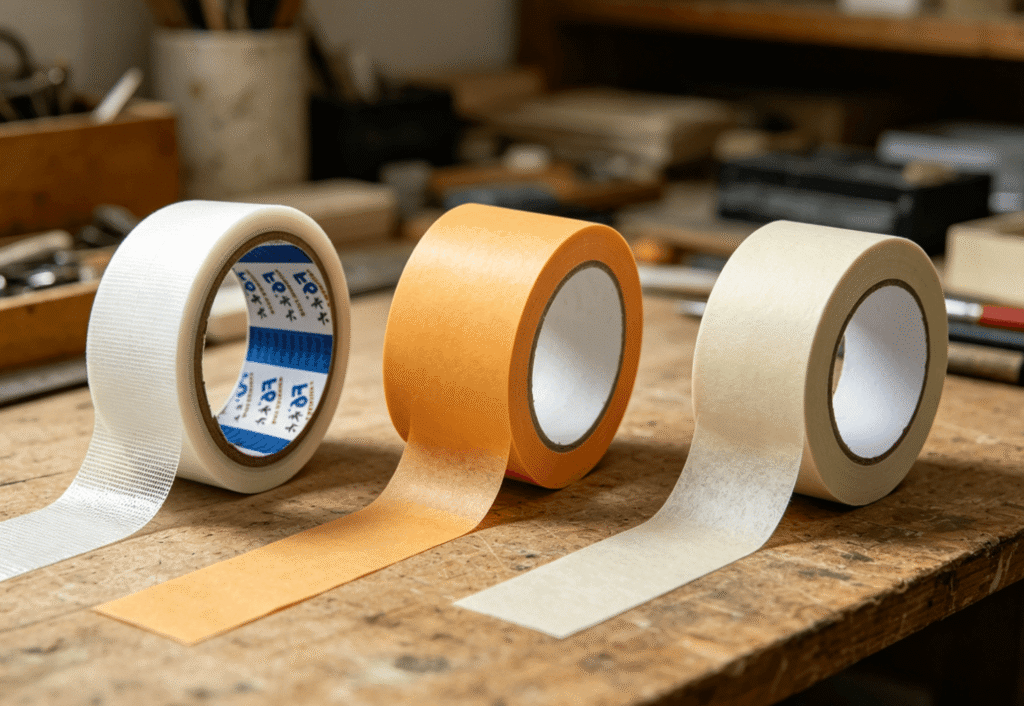
General-purpose masking tape is the most common variety used for labeling and bundling. It typically uses a crepe paper backing that provides excellent flexibility. This allows it to conform to irregular shapes and corners during basic home repairs.
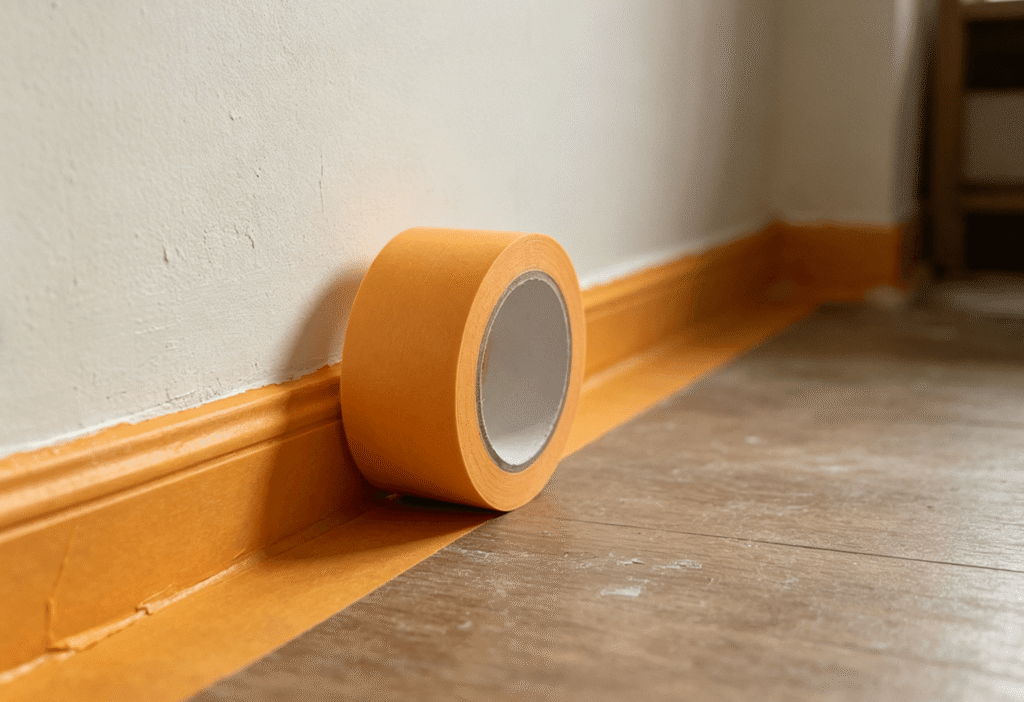
Professional-quality painter’s tape is a specialized sub-type designed specifically for decorative projects. It often incorporates Washi paper, which is thinner and stronger than standard crepe paper. This material prevents paint from seeping under the edges, resulting in razor-sharp lines on walls and trim.
Industrial-grade masking tapes are engineered to withstand extreme conditions. These tapes often feature high-performance adhesives that resist heat and chemical exposure. They are essential in manufacturing environments where standard household tapes would fail or melt.
| Tape Type | Temperature Limit | Adhesion Level | Best Use Case |
| General Purpose | 60°C (140°F) | Medium | Labeling and bundling |
| Painter’s Tape | 80°C (176°F) | Low to Medium | Interior wall painting |
| High-Temp Industrial Tape | 150°C (302°F) | High | Automotive baking cycles |
| UV-Resistant Tape | 60°C (140°F) | Medium | Outdoor window protection |
Primary Masking Tape Uses in Professional Painting
In the world of professional decor, masking tape uses focus on precision and protection. Painters apply the tape to baseboards, window frames, and ceilings to prevent over-painting. High-quality tapes offer clean removal for up to 14 days, even when exposed to sunlight.
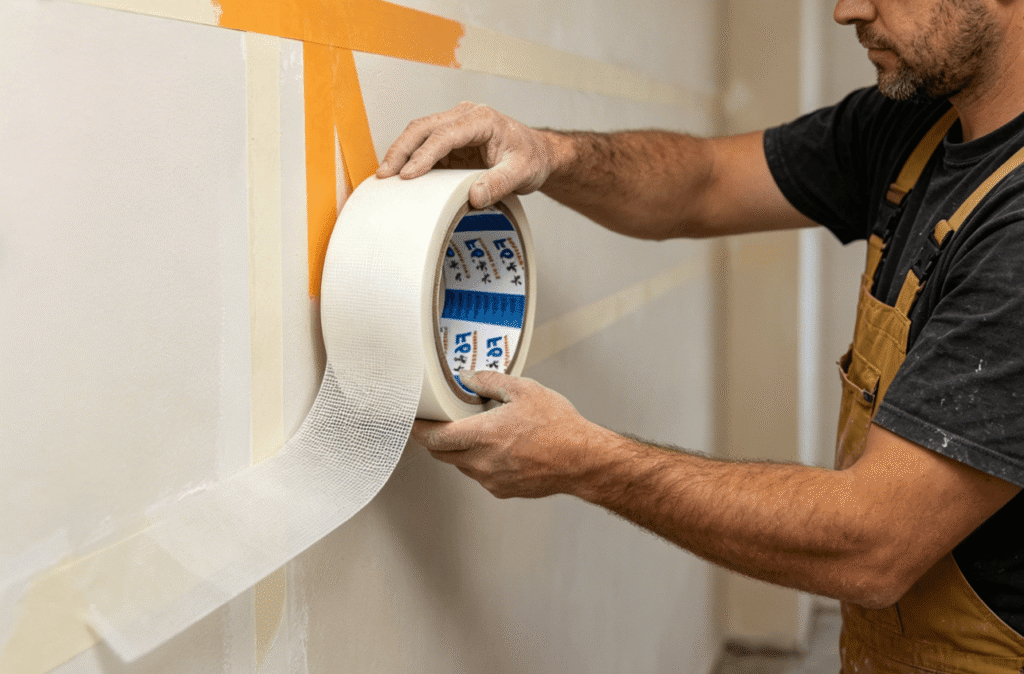
Applying tape correctly requires a clean, dry surface to ensure proper adhesion. Professionals often use a plastic putty knife to press the edges down firmly. This technique eliminates air gaps where liquid paint could potentially bleed through.
Modern painter’s tapes are often treated with specialized polymers to block paint moisture. This technology creates a microscopic barrier at the tape’s edge. Because of this, even thin stains or heavy latex paints cannot penetrate the masked area.
Essential Industrial Masking Tape Applications
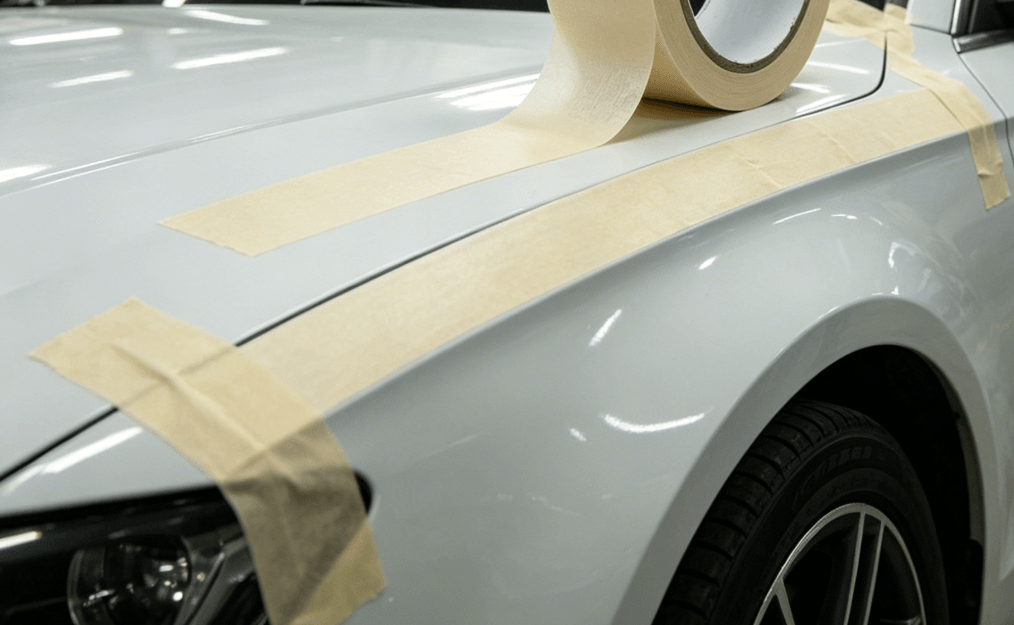
Industrial sectors require high-performance solutions for complex manufacturing processes. One of the most critical masking tape uses is in the automotive industry. Tapes must withstand baking temperatures up to 150°C without losing adhesion or leaving residue on car bodies.
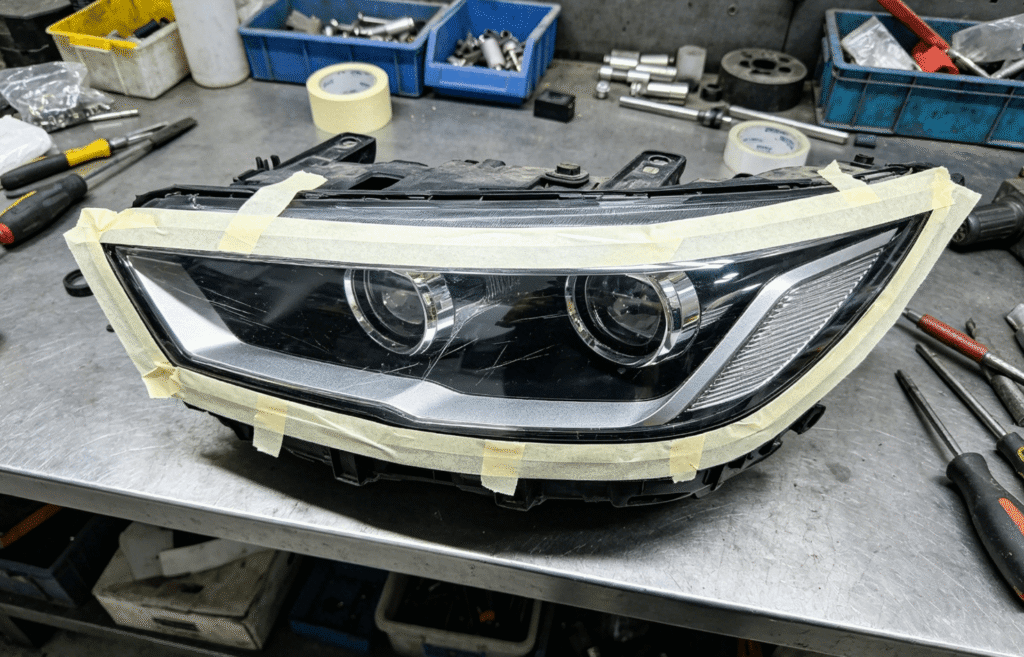
Electronics manufacturers use masking tape to protect sensitive components during soldering. These tapes are often made from polyimide or specialized paper that resists high heat. They prevent solder from bridging connections on printed circuit boards.
In the aerospace and maritime industries, tape protects large surfaces during sandblasting or chemical stripping. These tapes are significantly thicker, often reaching 0.15mm to 0.20mm in thickness. This durability ensures the underlying metal remains unharmed by abrasive materials.
How to Select the Right Masking Tape for Your Project
Choosing the correct tape depends heavily on the surface texture and environmental conditions. Smooth surfaces like glass or metal require low-tack adhesives to prevent permanent bonding. Conversely, rough surfaces like brick or concrete need high-adhesion tapes to stay in place.
Temperature is a deciding factor for industrial applications. If the project involves heat-curing or outdoor exposure, standard tape may dry out and become impossible to remove. You should verify the thermal resistance rating before applying tape to any heated equipment.
When evaluating professional options, consider the duration of the application. Some tapes are designed for immediate removal, while others can stay on a surface for weeks. For high-stakes industrial projects, sourcing from specialized categories like those found at F6Tape Masking Products provides the necessary technical parameters for success.
Summary
The most effective masking tape uses involve protecting surfaces while ensuring clean, sharp boundaries between materials. Whether you are painting a room or manufacturing automotive parts, selecting the right grade is vital. High-quality tape saves time, reduces cleanup costs, and ensures a professional finish for every application.
FAQ
Q:What is the main difference between masking tape and painter’s tape?
Painter’s tape is a specialized version of masking tape designed to prevent paint bleed and remove cleanly without leaving residue. While all painter’s tapes are masking tapes, not all masking tapes are suitable for high-quality painting.
Q:How long can I leave masking tape on a surface?
Standard masking tape should be removed within 24 hours to avoid adhesive transfer. Professional-grade painter’s tapes can often remain for 14 to 60 days depending on the specific product’s UV resistance.
Q:Can masking tape withstand high temperatures?
Yes, but only if it is specifically rated as “High-Temperature” or “Industrial” grade. Most standard tapes fail at temperatures above 60°C, while industrial versions can handle up to 150°C or higher.
Q:Does masking tape work on outdoor surfaces?
Specialized UV-resistant masking tapes are required for outdoor use. Standard paper tapes will degrade quickly under sunlight, making the adhesive gummy and very difficult to strip away.
Q:Why does my masking tape tear into small pieces when I remove it?
This usually happens because the tape was left on the surface too long or was exposed to excessive heat. The paper backing becomes brittle, and the adhesive bonds too strongly to the substrate.
Reference Sources
- Pressure Sensitive Tape Council – Industry Standards for Adhesive Tapes: https://pstc.org/
- ASTM International – Standard Test Methods for Adhesion of Pressure-Sensitive Tape: https://www.astm.org/
- Occupational Safety and Health Administration – Safe Handling of Industrial Adhesives: https://www.osha.gov/