
 Canada
 USA
USA Japan
Japan


Foam Tape vs Mechanical Fasteners: Industrial Selection Guide

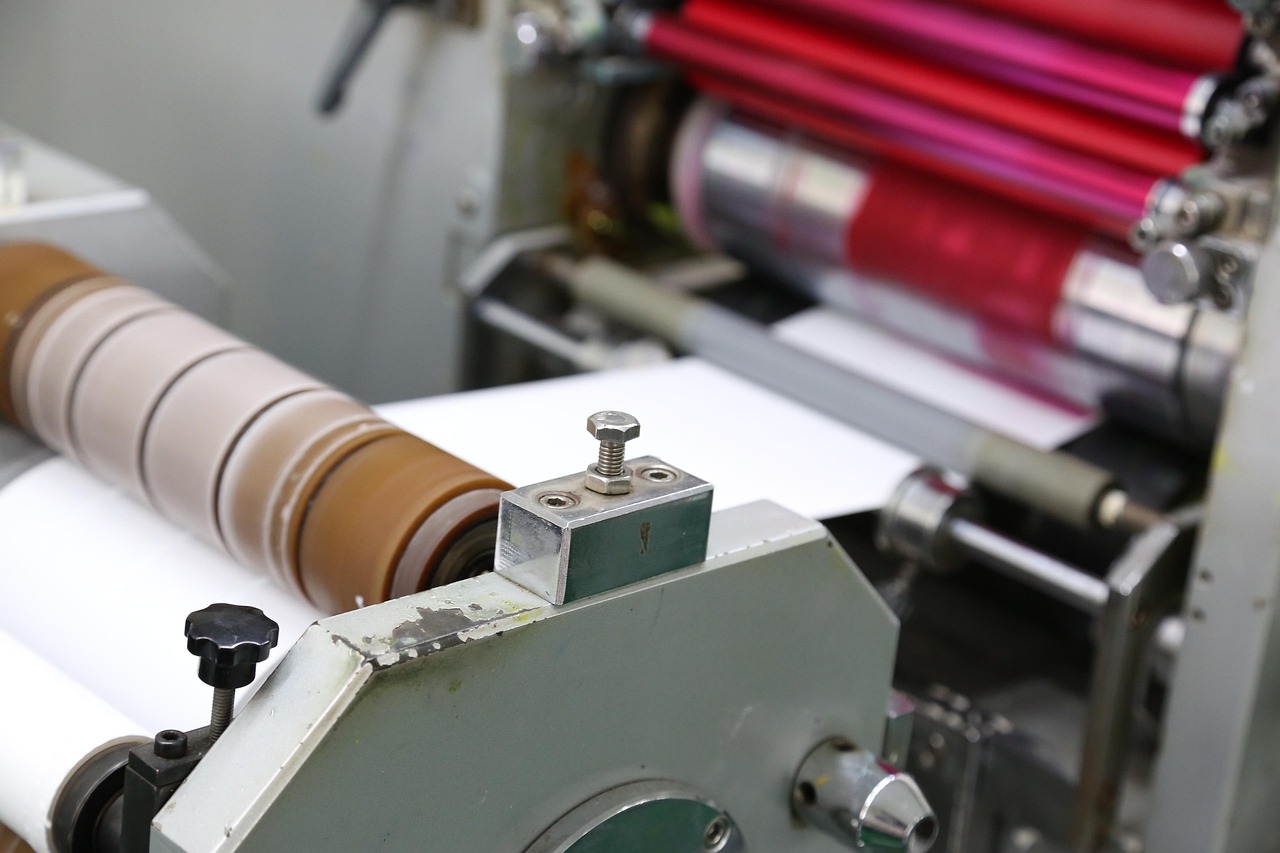
In modern industrial assembly, the choice between traditional mechanical fasteners and high-performance foam tapes is no longer a simple matter of “stick vs. bolt.” Engineers and procurement managers must evaluate structural integrity, long-term durability, and the total cost of ownership. While rivets and screws have been the industry standard for decades, advanced viscoelastic foam tapes are fundamentally changing mechanical industrial fabrication.
The transition from mechanical joining to adhesive bonding is driven by the need for lighter weight, improved aesthetics, and superior stress management. For large-volume production, the decision often hinges on how the assembly responds to environmental stressors like thermal expansion and vibration. This guide analyzes the technical and commercial variables of foam tape vs mechanical fasteners to assist in strategic procurement.
Stress Distribution: The Core Technical Difference
The primary engineering distinction between these two joining methods lies in how they handle mechanical loads. Mechanical fasteners create “point loads.” All the stress of the assembly is concentrated at the specific site of the screw or rivet, which can lead to material fatigue or cracking over time.
High-bond foam tapes utilize a viscoelastic core to distribute stress across the entire surface of the bond. This continuous contact area eliminates localized stress concentrations. In automotive or aerospace environments, this distribution prevents the “tearing” effect often seen in thin-gauge metals joined by traditional fasteners.
Viscoelasticity also allows the tape to act as a shock absorber. While a bolt transmits kinetic energy directly through the substrate, foam tape dissipates vibration. This dampening effect is critical for reducing Noise, Vibration, and Harshness (NVH) in industrial machinery and transportation equipment.
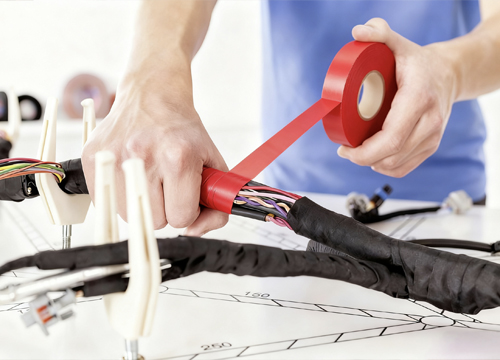
Performance Comparison: Adhesives vs. Traditional Fasteners
When auditing a production line, project managers must compare these technologies across several functional benchmarks. The following table provides a technical overview for B2B evaluation.
| Feature | Mechanical Fasteners (Bolts/Rivets) | High-Bond Foam Tape |
| Stress Points | Concentrated point loads | Uniformly distributed load |
| Weight Impact | Adds significant mass | Negligible weight |
| Sealing Capability | Requires secondary gaskets | Integrated seal against moisture/dust |
| Material Integrity | Requires drilling/damage to surface | Maintains substrate integrity |
| Thermal Expansion | Rigid; can cause buckling | Flexible; compensates for movement |
| Aesthetics | Visible heads/protrusions | Clean, invisible bond lines |
Addressing Corrosion and Dissimilar Material Bonding
Corrosion management is a significant cost driver in industrial maintenance. Mechanical fasteners often create pathways for moisture to enter the assembly through drilled holes. Furthermore, joining dissimilar metals (like aluminum to steel) with a bolt can trigger galvanic corrosion.
Foam tape acts as a dielectric barrier between mismatched materials. By physically separating the two substrates, the tape prevents the electrochemical reaction that leads to rust. This “barrier effect” is a major reason why engineers in mechanical industrial fabrication increasingly specify adhesives for outdoor enclosures and heavy equipment.
Furthermore, foam tapes provide a hermetic seal. While a rivet requires a separate sealant to prevent leaks, the adhesive tape performs both the structural and sealing functions simultaneously. This dual-purpose nature reduces the number of Stock Keeping Units (SKUs) required in the warehouse.
Operational Efficiency in Mechanical Industrial Fabrication
From a manufacturing consultant’s perspective, the “Better” option is often the one that optimizes the assembly workflow. Mechanical fastening is labor-intensive, requiring drilling, countersinking, and high-torque tools. Each hole drilled represents a potential point of failure and an extra step in quality inspection.
In contrast, applying high-bond tape is a rapid, repeatable process. Specialized solutions for mechanical and industrial fabrication allow for immediate handling strength, reducing the need for “clamping time” common with liquid glues. For OEM projects, this translates to faster line speeds and reduced labor costs.
Typical Workflow Comparison:
- Mechanical: Drill
→→Deburr→→Align→→Insert Fastener→→Torque→→Inspect. - Adhesive: Clean Surface
→→Apply Tape→→Pressure→→Inspect.
Automotive environments typically require high precision in assembly. Foam tapes accommodate minor dimensional variances between parts that would make bolt alignment difficult. This “forgiveness” in the manufacturing process can significantly lower scrap rates during large-scale production runs.
Selection Logic: When to Replace Bolts with Foam Tape
Despite the advantages of adhesives, mechanical fasteners remain essential for high-tension, primary structural loads that require periodic disassembly. Identifying the correct application matching is vital for trustworthiness in engineering design.
Choose Mechanical Fasteners when:
- The joint must be frequently disassembled for maintenance.
- The assembly is subjected to extreme “peel” forces at a single edge.
- High-temperature environments exceed the limits of polymer chemistry (typically above 230°C).
Choose High-Bond Foam Tape when:
- You are joining dissimilar materials with different thermal expansion rates.
- Weight reduction is a primary KPI for the finished product.
- You need to eliminate visible fasteners for a sleek, modern aesthetic.
- The assembly requires integrated damping for vibration or sound.
For B2B procurement, evaluating the “total installed cost” is more important than the cost per unit. While a roll of high-performance tape may seem more expensive than a box of screws, the elimination of drilling equipment, secondary sealants, and labor hours often results in a higher ROI.
FAQ
Can foam tape withstand extreme outdoor temperatures?
Most industrial-grade acrylic foam tapes are engineered for temperatures between -40°C and 150°C. For automotive or roofing applications, these tapes maintain their bond strength under UV exposure and moisture.
How do I prepare a metal surface for industrial tape?
Surface compatibility is non-negotiable. Typically, a 50/50 Isopropyl Alcohol (IPA) and water mix is used to remove oils and dust. Some powder-coated surfaces may require a specialized primer to increase surface energy.
Is foam tape permanent?
Yes. High-bond industrial foam tapes are designed for permanent applications. Removing them usually requires specialized tools or chemical solvents, as the bond is often stronger than the foam carrier itself.
How does foam tape handle thermal expansion?
Foam tape is viscoelastic, meaning it can stretch and recover. When a metal panel expands in the sun against a plastic frame, the tape absorbs the movement without transferring stress to the bond line.
What is the “dwell time” for industrial adhesives?
While many tapes have high initial “tack,” most reach 100% bond strength after 72 hours. However, 50% to 80% of the strength is typically achieved within the first few minutes of applying pressure.
Reference Sources
- ISO 9001:2015: Quality management systems for manufacturing. ISO.org
- ASTM D3330: Standard Test Method for Peel Adhesion of Pressure-Sensitive Tape. ASTM.org
- PSTC (Pressure Sensitive Tape Council): Technical resources for adhesive selection. PSTC.org
- SAE International: Standards for automotive NVH and material bonding. SAE.org
- SGS / UL Certifications: For chemical compliance and safety in industrial materials.