
 Canada
 USA
USA Japan
Japan


Industrial Double Sided Tape Manufacturer: 7 Evaluation Factors

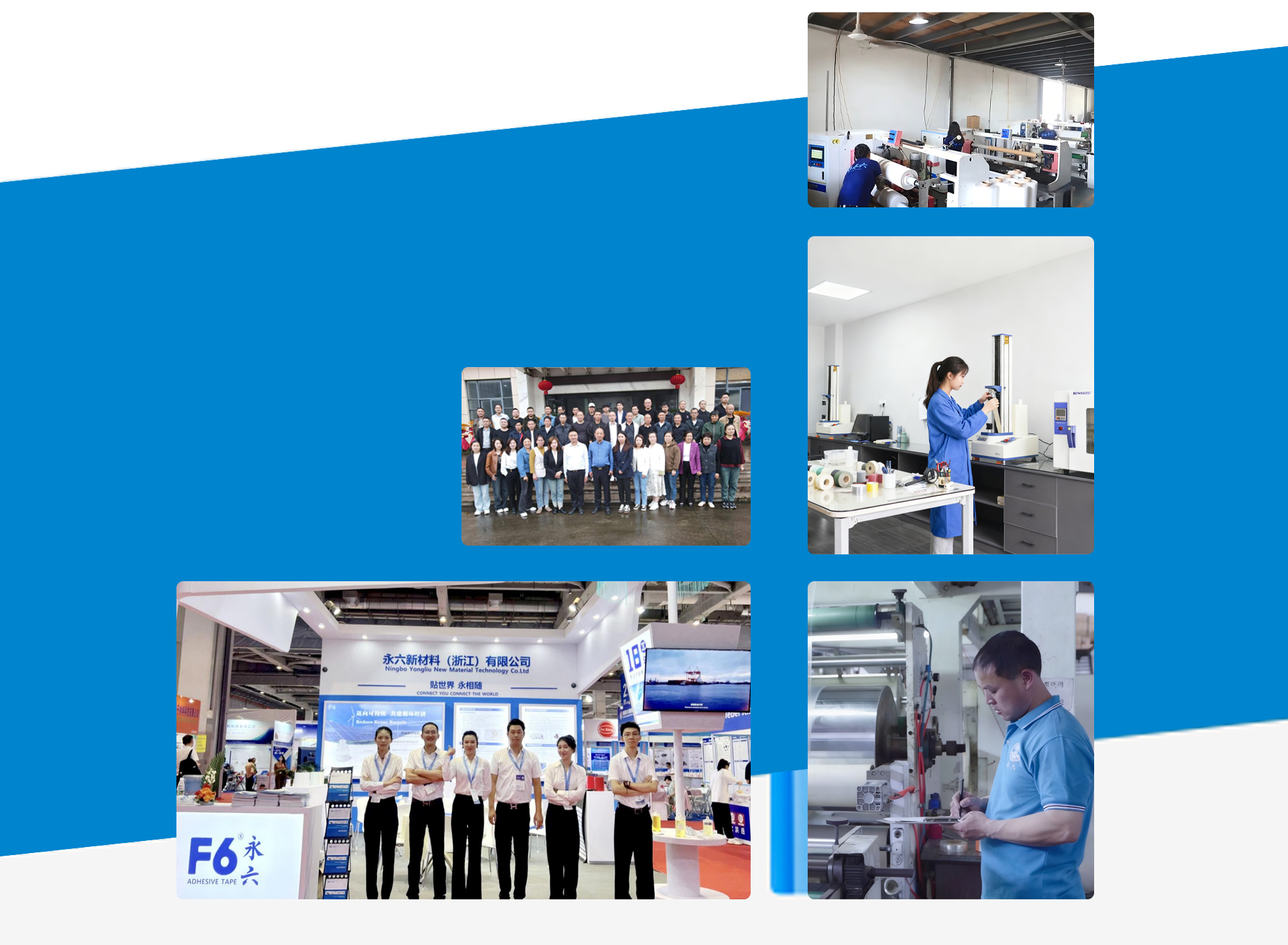
In high-volume manufacturing, adhesive failure is more than a technical glitch; it is a significant commercial risk that can lead to product recalls and production line stoppages. For procurement managers and OEM engineers, finding a reliable industrial double sided tape manufacturer requires looking beyond the price per roll. You are not just buying a consumable; you are selecting a technical partner capable of ensuring bond integrity across varied environmental stressors.
A manufacturer’s ability to customize carrier materials, adhesive chemistry, and dimensional tolerances is what separates a generic supplier from a strategic asset. This guide outlines the critical engineering and commercial benchmarks for auditing a B2B adhesive tape partner.
1. Substrate Compatibility and Surface Energy Expertise
The primary cause of adhesive failure is a mismatch between the tape’s chemistry and the substrate’s surface energy. High Surface Energy (HSE) materials like stainless steel are easy to bond, but modern manufacturing frequently utilizes Low Surface Energy (LSE) plastics or powder-coated metals.
A top-tier manufacturer must offer specialized formulations for these “difficult-to-bond” surfaces. When vetting a supplier, inquire about their experience with:
- Modified Acrylics: Essential for LSE substrates like polypropylene (PP) or polyethylene (PE).
- Rubber-based Adhesives: Preferred for high initial tack and indoor applications.
- Surface Tension Testing: Can the manufacturer provide dyne level assessments for your specific components?
2. Diverse Carrier Options for Structural Needs
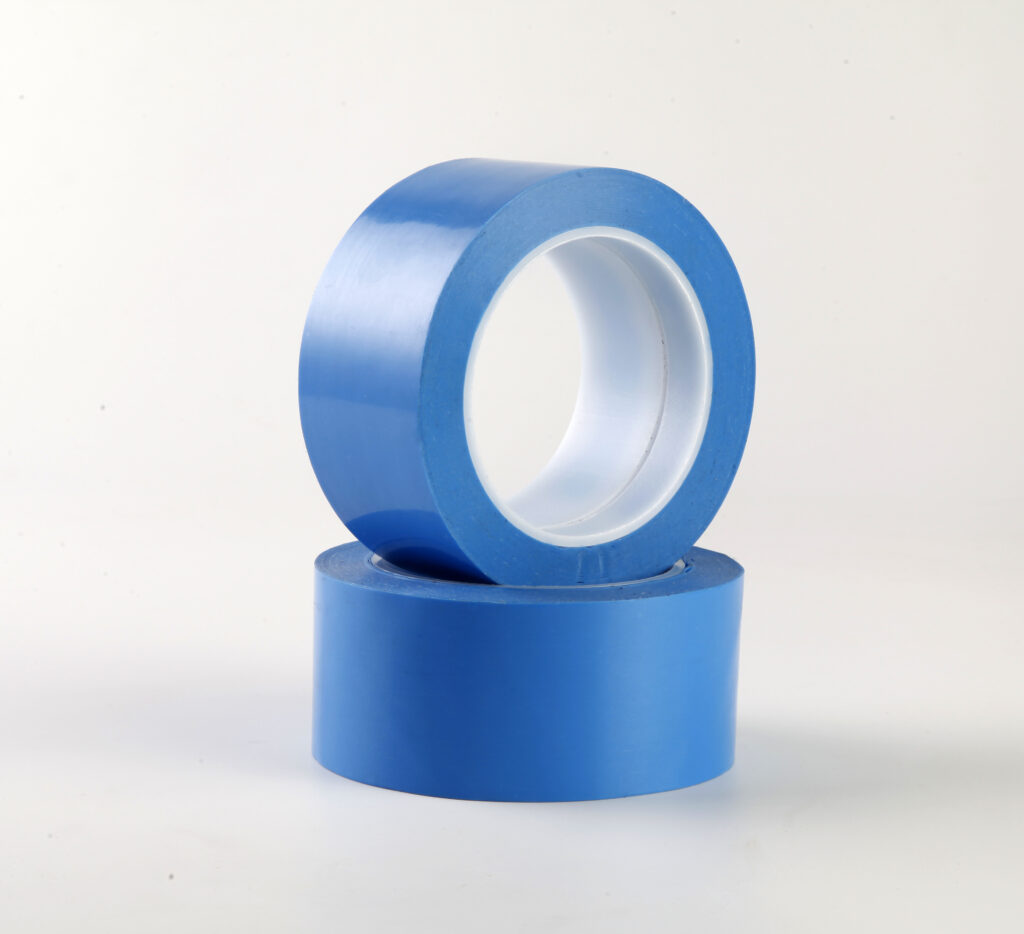
The “carrier” is the backbone of the tape. An experienced industrial double sided tape manufacturer will offer a range of carriers to match the mechanical requirements of your project.
| Carrier Type | Primary Advantage | Typical Industrial Application |
| PET/Polyester | Dimensional stability, high heat resistance | Electronics, battery mounting, splicing |
| PE Foam | Gap filling, vibration damping, conformability | Automotive trim, signage, construction |
| Tissue/Non-woven | Easy hand-tear, high conformability | Paper/print industry, leather bonding |
| Acrylic Foam | Ultra-high bond (UHB), replaces rivets | Structural glazing, aerospace, heavy machinery |
For instance, F6Tape’s product range demonstrates a clear segmentation of these materials, offering specialized PE foam double sided tapes for damping and structural PET tapes for precision electronics.
3. Converting and Customization Capabilities
Industrial workflows rarely rely on standard off-the-shelf roll widths. A manufacturer’s value-add is often found in their converting department. You must verify that your supplier can handle the following:
- Precision Slitting: Can they maintain tolerances of ±0.5mm for automated dispensing machines?
- Die-Cutting: Do they provide custom-shaped gaskets with extended liners for easy manual application?
- Spooling/Traverse Winding: For continuous production lines, spooled tapes reduce downtime by offering significantly longer lengths per roll.
Sampling delays frequently occur when a manufacturer lacks in-house converting tools. Selecting a partner with integrated slitting and die-cutting ensures a faster transition from R&D trials to mass production.
4. Engineering Support and R&D Testing
In large-volume production, “trial and error” is not an acceptable strategy. A reputable manufacturer should provide technical data sheets (TDS) that go beyond basic thickness metrics. They should be able to simulate your environmental stressors in a lab setting.
Ask if the manufacturer can perform:
- Dynamic Shear Strength Tests: Measuring resistance to sliding forces.
- 180-degree Peel Adhesion: Testing the force required to remove the tape.
- Accelerated Aging: Using UV and humidity chambers to predict 5-year or 10-year performance.
5. Quality Management Systems and Compliance
Trust is built on verifiable standards. For automotive, medical, or electronic sectors, compliance is non-negotiable. A reliable industrial double sided tape manufacturer should adhere to international quality frameworks.
Check for the following certifications:
- ISO 9001:2015: Ensures consistent manufacturing quality and process control.
- RoHS & REACH: Critical for ensuring the absence of hazardous substances in electronics.
- UL Certification: Required for tapes used in electrical insulation or fire-retardant applications.
A manufacturer that cannot provide a Certificate of Analysis (COA) for each batch should be disqualified from high-stakes OEM projects.
6. Production Scalability and Lead Times
Supply chain resilience is a primary concern for B2B procurement. Small-scale converters often struggle with “jumbo roll” inventory, leading to bottlenecks when your demand spikes.
Evaluate the supplier’s:
- Log Inventory: Do they stock raw jumbo rolls of various adhesive types?
- Lead Times: What is the standard turnaround for custom-slit rolls vs. standard SKUs?
- MOQ Flexibility: Can they support low-volume prototyping while offering competitive pricing for 10,000+ unit runs?
Automotive environments typically require “Just-In-Time” (JIT) delivery. Ensure your manufacturer has the logistical capacity to hold safety stock for your high-running SKUs.
7. Cost-to-Performance Ratio (ROI Analysis)
The “cheapest” tape often becomes the most expensive when labor costs for rework are factored in. When evaluating quotes, consider the “Total Cost of Ownership.”
A manufacturer might offer a lower price by using a thinner carrier or a less stable adhesive monomer. However, if the tape requires more dwell time or fails under summer heat, the ROI evaporates. A professional project manager should ask for “application-specific” recommendations that balance cost with the required safety factor of the bond.
Evaluation Checklist for B2B Procurement
If you are currently evaluating F6Tape or another manufacturer, use this evaluation workflow:
- Request a TDS: Verify the temperature resistance and peel strength match your design spec.
- Audit the Converting Line: Ensure they can provide the exact widths required for your dispensers.
- Validate Compliance: Request RoHS/SGS reports early in the RFQ process.
- Prototype Phase: Request a “sample roll” from a production-grade batch, not just a lab hand-draw.
- MOQ Discussion: Confirm if they can scale from trial quantities to full-container loads.
FAQ
What is the difference between a tape manufacturer and a converter?
A manufacturer coats the adhesive onto the carrier to create jumbo rolls. A converter slits or die-cuts those rolls into final shapes. Choosing a manufacturer with integrated converting (like F6Tape) usually results in lower costs and better quality control.
Why does double sided tape fail on powder-coated surfaces?
Powder coatings are often Low Surface Energy (LSE) materials. Standard acrylic adhesives cannot “wet out” the surface, meaning the adhesive stays on the peaks of the texture rather than flowing into the valleys. You need a “high-tack” modified acrylic or a primer.
What is the standard lead time for custom industrial tape?
For standard adhesives, lead times typically range from 7 to 15 business days. Custom adhesive coatings or specialized carriers may take 4 to 6 weeks depending on raw material availability.
How should industrial tape be stored to ensure shelf life?
Tapes should be stored in a cool, dry place (21°C / 50% relative humidity) away from direct sunlight. Most industrial tapes have a guaranteed shelf life of 12 to 24 months under these conditions.
Can I get custom-printed liners for OEM branding?
Yes. Most high-end manufacturers offer custom-branded release liners. This is a common requirement for retail-facing industrial kits or specialized repair sets.
Reference Sources
- ASTM D3330: Standard Test Method for Peel Adhesion of Pressure-Sensitive Tape. astm.org
- ISO 9001: Quality management systems — Requirements. iso.org
- PSTC (Pressure Sensitive Tape Council): Technical resources for adhesive selection. pstc.org
- SGS Global: Chemical and compliance testing for industrial materials. sgs.com
- UL Solutions: Safety standards for electrical and flame-retardant tapes. ul.com