
 Canada
 USA
USA Japan
Japan


Top 10 Industrial Uses of Foam Tape in Manufacturing

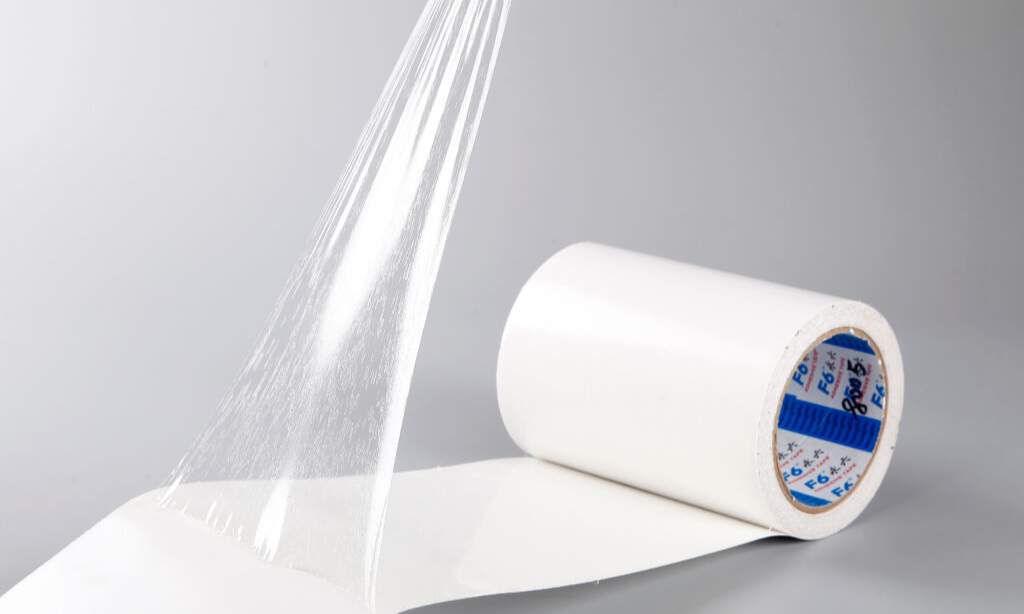
Industrial foam tape serves as a cornerstone in modern manufacturing processes. It offers a unique combination of adhesive strength and material flexibility. Engineers often prefer it over mechanical fasteners like screws or rivets. These tapes provide a clean finish while maintaining high structural integrity.
Understanding foam tape industrial uses helps manufacturers optimize their production lines. The material consists of a foam carrier coated with pressure-sensitive adhesive. This structure allows the tape to conform to irregular surfaces easily. It effectively seals gaps that traditional fasteners cannot reach.
High-performance foam tapes are essential for improving product durability. They reduce noise, vibration, and harshness across various applications. Using the right tape can significantly lower assembly costs and time. This guide explores the most critical applications in today’s industrial landscape.
Why Foam Tape is Critical for Industrial Efficiency
Manufacturing environments require materials that withstand extreme conditions. Foam tape industrial uses are popular because the material handles thermal expansion well. It acts as a buffer between materials with different expansion rates. This prevents stress cracks and joint failures over time.
Data shows that replacing mechanical fasteners with foam tape can reduce assembly time by up to 40%. This efficiency boost directly impacts the bottom line of large-scale operations. Additionally, foam tapes provide a continuous bond that distributes stress across the entire surface. This prevents localized pressure points that often lead to material fatigue.
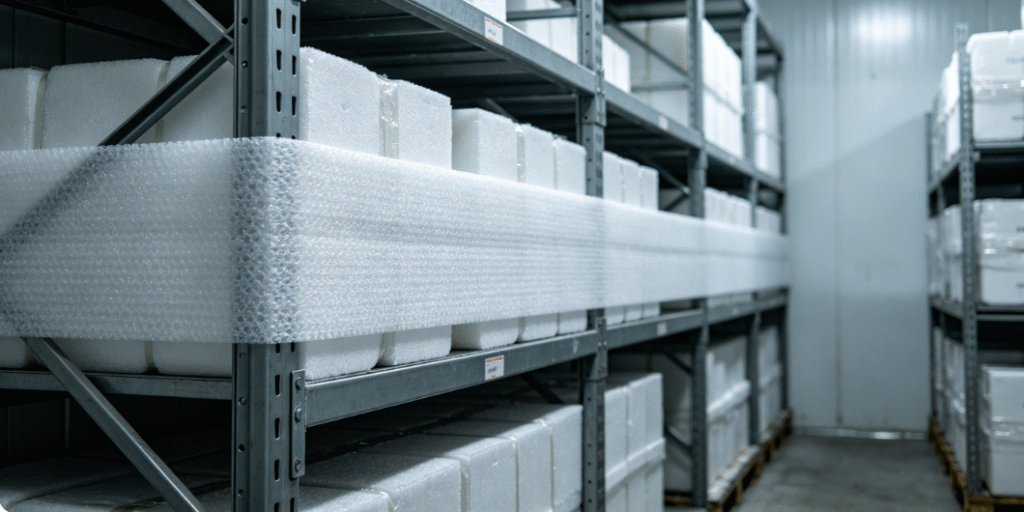
Thermal management is another key reason for its widespread adoption. Many foam tapes offer high-insulation properties with thermal conductivity as low as 0.035 W/mK. This makes them ideal for sensitive environments like battery manufacturing or cold storage units. They provide both a physical bond and a thermal barrier.
Top 10 Industrial Uses of Foam Tape in Manufacturing
The versatility of foam tape allows it to solve complex engineering challenges. Below are the primary foam tape industrial uses found in modern factories.
- Automotive Sealing and Gasketing: Manufacturers use PE foam tape to seal doors, windows, and sunroofs. It prevents water ingress and reduces wind noise during high-speed travel.
- HVAC System Insulation: Foam tape seals ductwork joints to prevent air leaks. Properly sealed HVAC systems can improve energy efficiency by nearly 15%.
- Electronics Shock Absorption: In smartphones and laptops, thin foam tapes protect delicate components. They absorb kinetic energy during accidental drops to prevent internal damage.
- Construction Glazing: Double-sided foam tapes secure glass panels into window frames. This provides a weather-tight seal while allowing for natural building movement.
- Appliance Vibration Dampening: Washing machines and refrigerators use foam tape to reduce motor noise. The foam dissipates kinetic energy before it reaches the outer casing.
- Signage and Display Mounting: Heavy-duty acrylic foam tapes mount signs to walls without drilling. This preserves the integrity of the mounting surface and prevents rust.
- Medical Device Padding: Soft foam tapes provide cushioning in wearable medical monitors. They offer biocompatibility and comfort for long-term patient use.
- Marine Waterproofing: Closed-cell foam tapes are essential for sealing hatches on boats. They resist saltwater corrosion and maintain a seal under hydraulic pressure.
- Aerospace Weight Reduction: Replacing metal brackets with high-strength foam tape reduces aircraft weight. Every pound saved contributes to significant fuel savings over the aircraft’s lifespan.
- Industrial Packaging Protection: Custom-cut foam tapes line shipping crates for heavy machinery. They prevent surface scratches and absorb road vibrations during transit.
| Tape Type | Primary Material | Key Benefit | Typical Industry |
| PE Foam Tape | Polyethylene | Waterproof / Low cost | Automotive |
| EVA Foam Tape | Ethylene-vinyl acetate | Shock absorption | Packaging |
| EPDM Foam Tape | Synthetic Rubber | UV & Weather resistance | Construction |
| Acrylic Foam | High-density Acrylic | Extreme bond strength | Aerospace |
How to Evaluate Foam Tape for Specific Applications
Choosing the right material requires an understanding of the environment. Foam tape industrial uses vary based on temperature, UV exposure, and chemical contact. Manufacturers must consider the “compression set” of the foam. This refers to the foam’s ability to return to its original thickness after being squeezed.
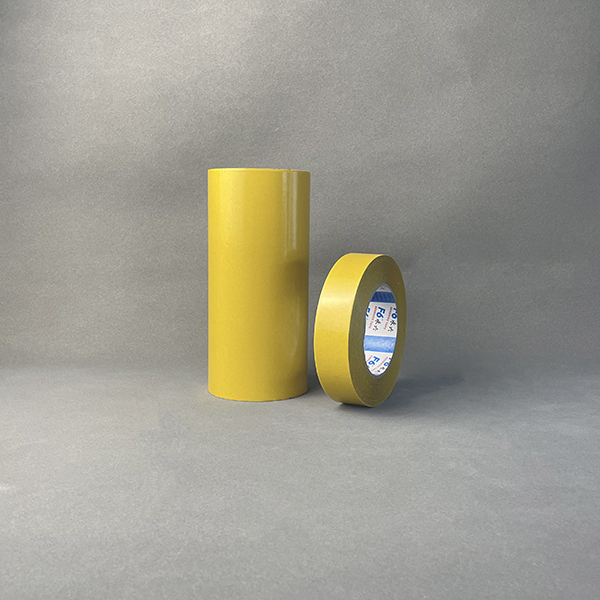
High-density foams are typically better for load-bearing applications. They offer higher tensile strength and better resistance to shearing forces. In contrast, low-density foams are superior for light-blocking and dust-sealing. They compress easily to fill small gaps without applying too much pressure.
Adhesive chemistry is equally important for a successful bond. Acrylic adhesives offer excellent long-term durability and resistance to sunlight. Rubber-based adhesives provide high initial “tack” but may degrade faster under heat. Always match the adhesive type to the surface energy of the materials being joined.
Selecting the Right Product Specifications
When browsing through professional product catalogs, focus on technical parameters. Identifying the correct foam tape industrial uses depends on matching thickness to gap size. A tape that is too thin will fail to seal properly. Conversely, a tape that is too thick may cause mechanical stress on the components.
Temperature resistance is a non-negotiable factor in industrial settings. Many manufacturing environments reach temperatures above 80°C (176°F). Standard tapes may soften or lose adhesion under these conditions. Look for specialized heat-resistant variants if your application involves engine bays or industrial ovens.
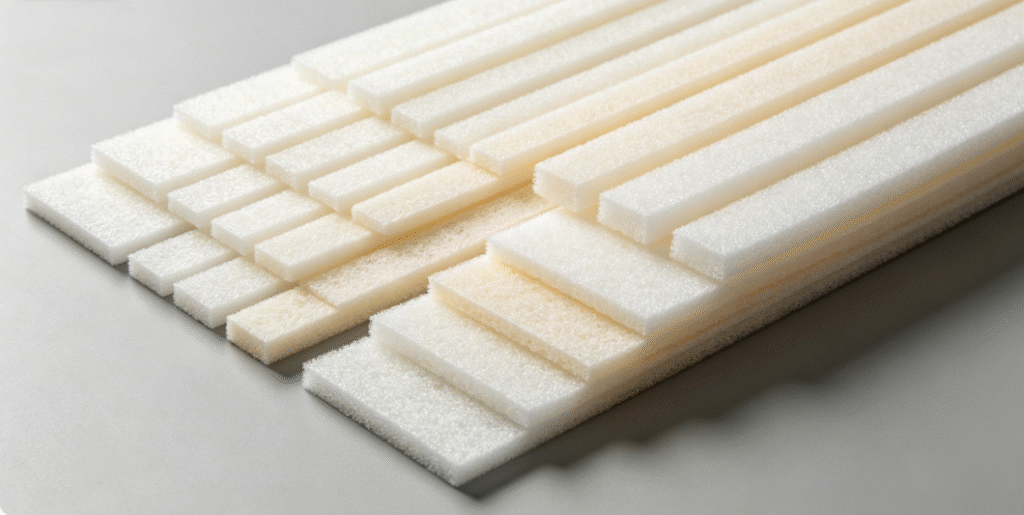
Finally, consider the ease of integration into your current production line. Some foam tapes are available in “spool” formats for automated dispensing. This reduces the frequency of roll changes and keeps the assembly line moving. Selecting a supplier with diverse thickness and width options ensures a perfect fit for your design.
Summary
Foam tape industrial uses cover everything from heavy construction to delicate electronics. These tapes provide essential sealing, dampening, and bonding functions that improve product quality. By choosing the right density and adhesive, manufacturers can significantly enhance efficiency. This versatile tool remains a staple in modern engineering and industrial design.
FAQ
What is the most durable foam tape for outdoor use?
EPDM and Acrylic foam tapes are the most durable for outdoor environments. These materials offer superior resistance to UV radiation, ozone, and extreme weather fluctuations.
Can foam tape replace mechanical fasteners entirely?
Yes, high-strength acrylic foam tapes can often replace screws and rivets. They distribute stress evenly and prevent the corrosion risks associated with drilling holes.
Is foam tape waterproof?
Closed-cell foam tapes, such as PE foam tape, are inherently waterproof. They do not absorb moisture, making them ideal for gaskets and external seals.
What temperature can industrial foam tape withstand?
Performance varies by material, but many industrial tapes handle -40°C to 150°C. Specialized silicone or acrylic foams are required for the highest temperature ratings.
How do I prepare a surface for foam tape application?
Surfaces should be clean, dry, and free of oils or dust. Using an isopropyl alcohol wipe is a standard industrial practice to ensure maximum adhesive contact.
Reference Sources
- International Organization for Standardization (ISO) – Standards for Pressure-Sensitive Tapes
https://www.iso.org/ - Association of the European Adhesive & Sealant Industry (FEICA) – Technical Guides
https://www.feica.eu/ - Pressure Sensitive Tape Council (PSTC) – Tape University Resources
https://pstc.org/