
 Canada
 USA
USA Japan
Japan


How Automotive Adhesive Tape Enhances Vehicle Manufacturing

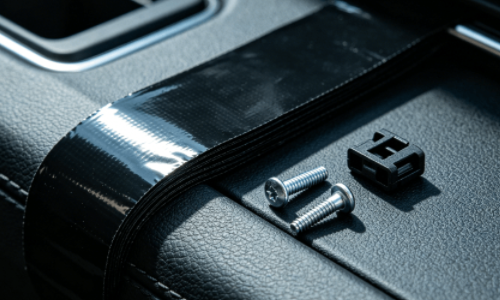
Modern vehicle manufacturing has evolved significantly over the last few decades. Engineers now prioritize lightweight materials and streamlined assembly processes. Automotive adhesive tape plays a critical role in this transformation. These specialized bonding solutions replace traditional mechanical fasteners like bolts, rivets, and welds.
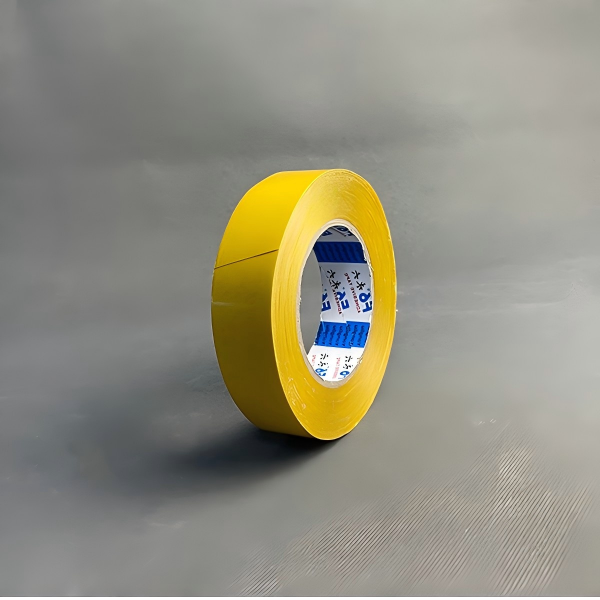
By using advanced adhesives, manufacturers can reduce vehicle weight. This weight reduction directly improves fuel efficiency and reduces carbon emissions. Furthermore, automotive adhesive tape provides a continuous bond across surfaces. This distribution of stress prevents localized points of failure common in metal fasteners.
High-performance industrial tapes are now essential for both interior and exterior vehicle applications. They ensure long-lasting durability under extreme environmental conditions. From attaching sensor brackets to securing exterior body moldings, these tapes offer unmatched versatility. Understanding the technical aspects of these materials is vital for modern automotive engineering.
Why is automotive adhesive tape essential for modern vehicle assembly?
Traditional fastening methods often lead to corrosion at the point of penetration. Screws and rivets create holes that allow moisture to enter the vehicle structure. In contrast, automotive adhesive tape creates a hermetic seal during the bonding process. This seal protects sensitive components from water, dust, and road salt.
The automotive industry faces strict regulations regarding vehicle weight and safety. Research shows that replacing 10% of a vehicle’s weight can improve fuel economy by 6% to 8%. Automotive adhesive tape allows for the use of thinner, lighter materials without sacrificing structural integrity. It enables the bonding of dissimilar materials, such as aluminum to carbon fiber.
Additionally, adhesive tapes provide excellent vibration damping and noise reduction. Mechanical fasteners can loosen over time, leading to rattles and squeaks. Automotive adhesive tape absorbs energy and reduces “Noise, Vibration, and Harshness” (NVH) levels. This creates a quieter and more comfortable cabin experience for drivers and passengers.
Common types of automotive adhesive tape and their applications
Manufacturers select different tape chemistries based on the specific requirements of the assembly. The most common varieties include PE foam, acrylic foam, and PET-based tapes. Each type offers distinct advantages regarding thickness, flexibility, and bond strength.
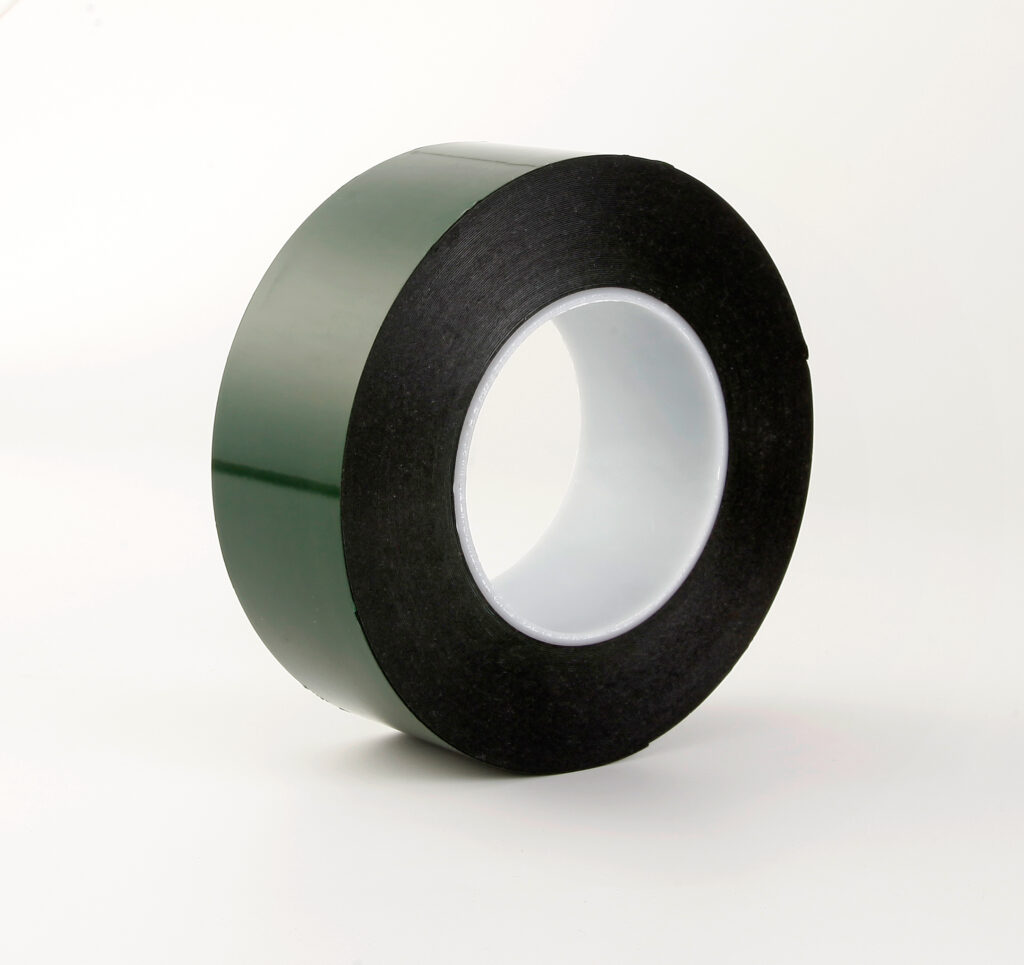
PE foam tapes are frequently used for interior trim and emblem mounting. Their conformable nature allows them to fill gaps between irregular surfaces. This is crucial for securing door panels and dashboard components. These tapes typically feature high initial tack for immediate assembly speed.
Acrylic foam tape is the standard for high-stress exterior applications. This material exhibits viscoelastic properties, meaning it can absorb and dissipate energy. It is ideal for mounting side body moldings and roof ditch moldings. Acrylic-based automotive adhesive tape maintains bond strength even when exposed to UV light and extreme heat.
| Tape Type | Material Base | Common Application | Key Benefit |
| PE Foam Tape | Polyethylene | Interior trim, emblems | Gap filling and cushioning |
| Acrylic Foam Tape | Acrylic Polymer | Exterior moldings, spoilers | High weather resistance |
| PET Tape | Polyester Film | Electronic components, sensors | High precision and thin profile |
| Tissue Tape | Fiber Tissue | Foam and fabric lamination | Low VOC and easy to die-cut |
Technical performance metrics for industrial automotive tapes
To ensure safety, automotive adhesive tape must meet rigorous international standards. Engineers evaluate these tapes based on peel adhesion, shear strength, and temperature resistance. Most automotive-grade adhesives must withstand temperatures ranging from -40°C to 150°C. This range ensures the bond holds in both arctic winters and desert summers.
Peel adhesion measures the force required to remove the tape from a specific substrate. High-performance tapes often reach values exceeding 30 N/25mm on painted steel surfaces. This high level of adhesion prevents parts from detaching during high-speed driving. It also ensures the tape can resist the mechanical stresses of car washes.
Static and dynamic shear tests determine how the tape handles constant loads over time. For example, a spoiler attached with automotive adhesive tape experiences constant wind resistance. The adhesive must resist “creep,” which is the slow movement of the bonded part. Data suggests that high-quality acrylic tapes can maintain stability under heavy loads for the entire lifespan of the vehicle.
Chemical resistance is another vital performance metric for these products. Tapes are often exposed to gasoline, oil, and various cleaning agents. Automotive adhesive tape must maintain its molecular structure when in contact with these fluids. Failure to resist chemicals could lead to catastrophic de-bonding in critical areas.
How to choose the right industrial double-sided tape for your project
Selecting the correct automotive adhesive tape requires a deep understanding of surface energy. Substrates like polypropylene have low surface energy and are difficult to bond. In these cases, a specialized primer or a high-tack adhesive is necessary. Conversely, metals and glass have high surface energy and bond more easily.
You must also consider the environmental exposure the tape will face daily. If the component is located near the engine, heat resistance is the primary concern. For exterior parts, moisture and UV resistance are the most critical factors. Choosing a tape with the wrong carrier material can lead to premature failure.
The thickness of the tape is another essential factor in the decision-making process. Thicker foam tapes are better for managing thermal expansion between different materials. Thinner PET tapes are preferred for electronic displays where space is limited. Matching the tape thickness to the gap tolerances is essential for a professional finish.
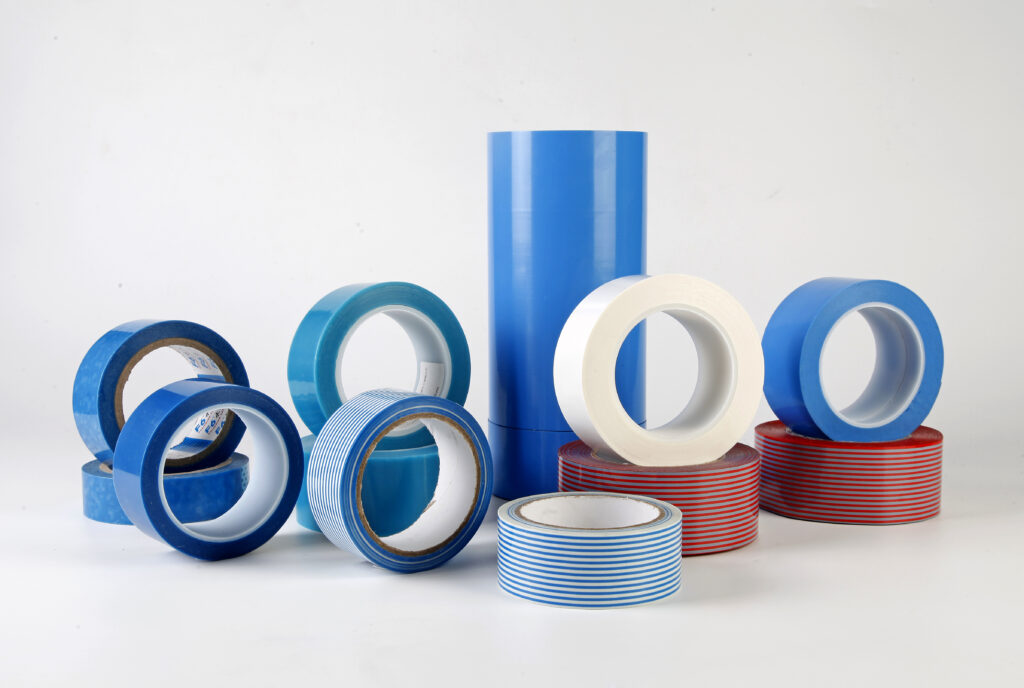
Manufacturers should also evaluate the ease of application during the assembly line process. Some tapes are designed for manual application, while others are optimized for automated robotic systems. Industrial double-sided tape with a stable liner ensures smooth feeding into dispensing machines. This efficiency reduces production downtime and lowers overall manufacturing costs.
Summary
Automotive adhesive tape is a versatile tool that improves vehicle safety, durability, and efficiency. By replacing mechanical fasteners, it reduces weight and prevents corrosion. Choosing the right tape depends on understanding surface energy and environmental stress. High-quality adhesive solutions are fundamental to the future of automotive engineering and design.
FAQ
What is the strongest automotive adhesive tape?
Acrylic foam tape is generally considered the strongest option for automotive applications. It provides a permanent bond that can replace rivets and welds in many exterior trim scenarios.
Can automotive adhesive tape withstand car washes?
Yes, high-quality industrial tapes are designed to resist high-pressure water and cleaning chemicals. Once fully cured, the bond is waterproof and durable enough for repeated washing cycles.
How long does it take for automotive tape to reach full strength?
Most automotive tapes achieve about 50% strength immediately, reaching 100% after 72 hours. Temperature can influence this curing time, with warmer environments accelerating the bonding process.
Can adhesive tape be used on low-surface energy plastics?
Yes, but it often requires a specific adhesive formulation or a surface primer. Specialized automotive adhesive tape is engineered to wet out on difficult plastics like TPO or PP.
Reference Sources
- SAE International – Society of Automotive Engineers
https://www.sae.org/ - ASTM International – Standards for Adhesive Testing
https://www.astm.org/ - Adhesives & Sealants Industry (ASI) Magazine
https://www.adhesivesmag.com/