
 Canada
 USA
USA Japan
Japan


Guide to Waterproof and Weather Resistant Tape

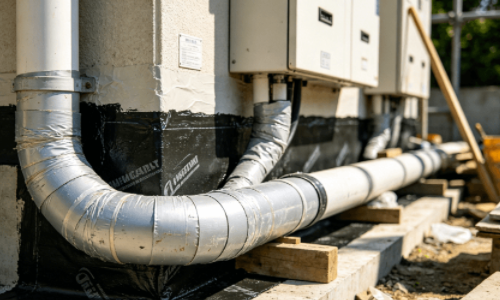
Waterproof adhesive tape is a vital tool for modern construction and repair. It provides a reliable barrier against moisture, wind, and temperature fluctuations. Engineers and DIY enthusiasts use it to seal leaks and protect surfaces.
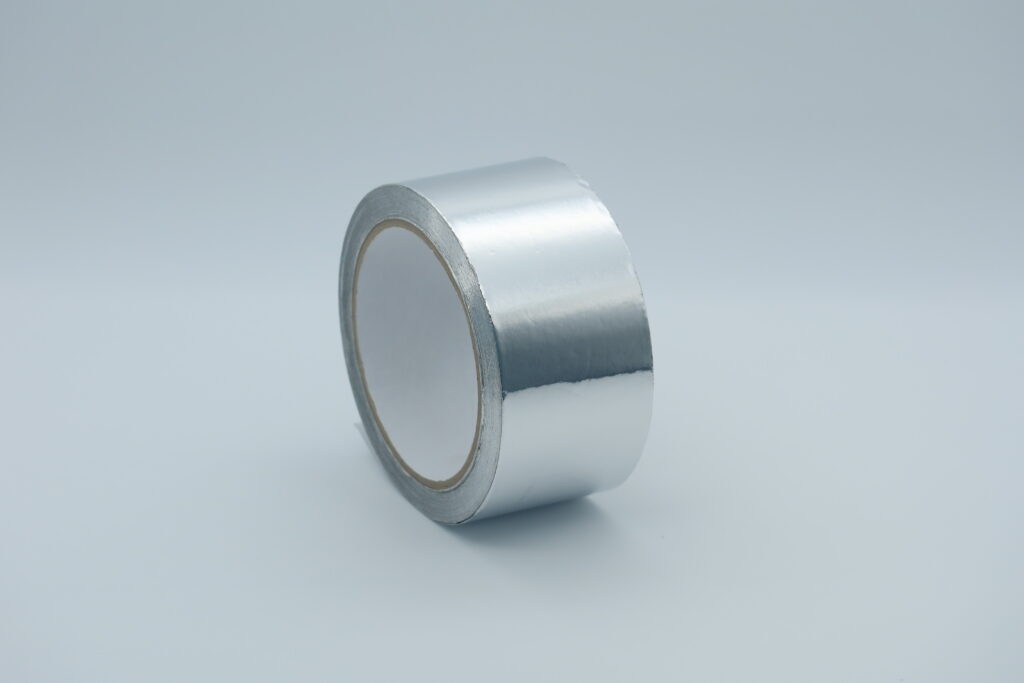
The effectiveness of the tape depends on its chemical composition. Manufacturers combine specialized adhesives with durable backing materials. This combination allows the tape to function in submerged or outdoor environments. Choosing the right product requires an understanding of these components.
Understanding the science behind weather resistance helps users avoid common failures. Not all tapes can handle prolonged exposure to the elements. This article explores the technical details that make waterproof adhesive tape a high-performance solution.
What Makes a Tape Truly Waterproof?
A true waterproof adhesive tape must resist water penetration at the molecular level. Most standard tapes use adhesives that dissolve or weaken when wet. In contrast, waterproof versions use hydrophobic materials like rubberized bitumen or acrylic.
The backing material also plays a significant role in performance. Polyvinyl Chloride (PVC) and Polyethylene (PE) are common choices for their water-shedding properties. These materials do not absorb moisture, preventing the tape from swelling or rotting.
The bond strength of the adhesive is measured by its “peel adhesion” value. High-quality waterproof tapes often feature a peel strength exceeding 15 Newtons per centimeter. This ensures the tape remains attached even when subjected to hydrostatic pressure.
How Weather Resistance Impacts Long-Term Durability
Weather resistance refers to a tape’s ability to withstand UV rays and temperature swings. Sunlight can break down polymer chains in lower-quality adhesives. Consequently, the tape may become brittle and lose its seal within weeks.
Advanced waterproof adhesive tape includes UV stabilizers to prevent this degradation. These stabilizers absorb harmful radiation and dissipate it as heat. This process protects the integrity of the adhesive bond over several years.
Temperature fluctuations also test the limits of adhesive technology. High-quality tapes maintain flexibility at temperatures as low as -40°C. They also resist melting or sliding at temperatures reaching 90°C. This range is essential for outdoor applications in varying climates.
| Feature | PVC Foam Tape | Butyl Tape | Acrylic Tape |
| Water Resistance | Excellent (Closed-Cell) | Superior | High |
| UV Stability | Good | Moderate | Excellent |
| Temperature Range | -20°C to 80°C | -40°C to 120°C | -30°C to 150°C |
| Primary Use | Gasketing & Sealing | Heavy-Duty Patching | Permanent Bonding |
The Science of Foam Structures in Waterproof Tapes
Many high-performance tapes utilize a foam core to improve sealing capabilities. This foam must have a “closed-cell” structure to be effective. Closed cells prevent water from traveling through the body of the tape.
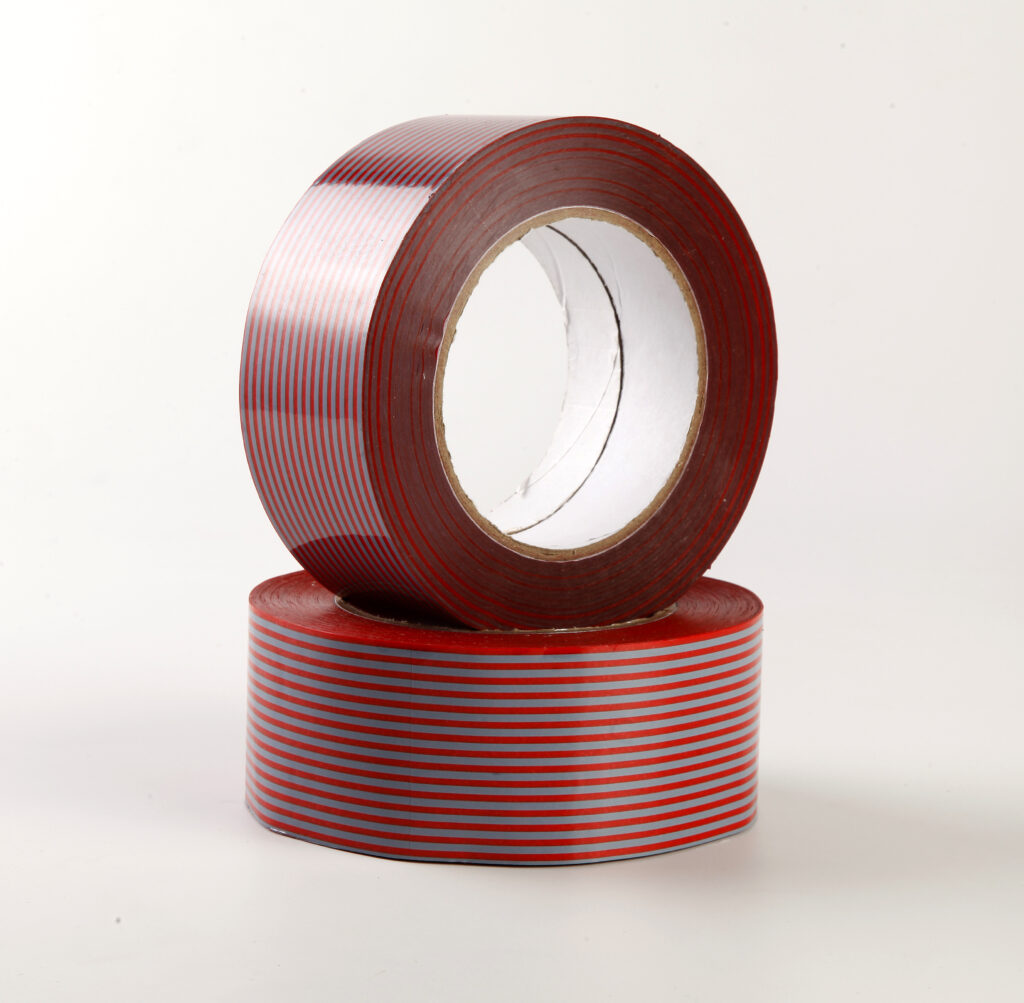
The quality of this foam depends on the chemical blowing agents used during production. These agents create uniform gas bubbles within the polymer matrix. A consistent cell structure ensures that the tape provides a 100% moisture barrier.
In technical tests, high-density foam tapes show water absorption rates below 5%. This low absorption rate is critical for automotive and marine applications. It prevents the tape from acting like a sponge and holding water against a surface.
Why Material Quality Matters in Tape Production
The performance of waterproof adhesive tape starts with the raw chemical additives. For example, PVC-based tapes require specific foaming agents to achieve the right density. These additives determine the tape’s ability to compress and fill irregular gaps.
Thermal stability is another critical factor influenced by chemical components. A high-quality blowing agent ensures that the foam does not collapse during high-temperature manufacturing. This results in a more resilient final product with better recovery properties.
Uniformity in the foam structure also impacts the distribution of the adhesive. If the surface of the foam is uneven, the adhesive cannot form a continuous bond. Therefore, choosing products made with precision chemical agents is vital for industrial reliability.
How to Determine if a Tape Is Suitable for Your Project
Selecting the right waterproof adhesive tape requires looking beyond the packaging labels. You must evaluate the specific environmental conditions the tape will face. Consider the surface energy of the material you are sticking the tape to.
Check the technical data sheet for “water vapor transmission rates” (WVTR). A lower WVTR indicates a more effective moisture barrier. For most outdoor sealing tasks, a rate below 10 g/m²/24h is preferred.
Compatibility with the substrate is also a major factor for success. Some adhesives react poorly with certain plastics or coated metals. Always test a small strip of tape on the surface before full application. This prevents chemical interference that could lead to premature bond failure.
Reliable performance is often tied to the consistency of the internal materials. Tapes manufactured with high-grade PVC foaming agents offer superior compression set resistance. This means the tape will bounce back after being squeezed, maintaining a tight seal.
Summary
Waterproof adhesive tape provides a durable seal by combining hydrophobic adhesives with robust backing materials. Its effectiveness depends on UV stability, temperature resistance, and a closed-cell foam structure. By checking technical specifications like peel strength and cell uniformity, users can ensure long-lasting protection against the elements.
FAQ
Can I use waterproof adhesive tape on wet surfaces?
Most waterproof adhesive tape requires a dry surface for the initial bond to form correctly. However, once cured, the adhesive is completely impervious to water. Some specialized butyl tapes are designed for emergency application under damp conditions.
How long does weather-resistant tape last outdoors?
High-quality weather-resistant tapes typically last between 5 and 10 years. This lifespan depends on the intensity of UV exposure and the severity of temperature cycles. Choosing a tape with acrylic adhesive generally provides the best longevity in direct sunlight.
What is the difference between water-resistant and waterproof tape?
Water-resistant tape can repel splashes but may fail when submerged or exposed to constant rain. Waterproof adhesive tape is designed to remain functional while under water pressure or during heavy storms. It creates a complete hermetic seal that prevents any moisture passage.
Does the thickness of the tape affect its performance?
Thickness often correlates with the tape’s ability to seal uneven or rough surfaces. Thicker foam tapes can conform to gaps and absorb vibrations more effectively. However, the chemical composition of the adhesive is more important than thickness for actual water resistance.
Why does my tape peel off in the heat?
Peeling usually occurs when the adhesive reaches its “shear adhesion failure temperature” (SAFT). If the environment exceeds this temperature, the adhesive softens and loses its grip. High-performance tapes use cross-linked polymers to maintain strength in extreme heat.
Reference Sources
- ASTM International: Standards for Adhesive Performance
https://www.astm.org/ - Pressure Sensitive Tape Council (PSTC): Testing Methods
https://pstc.org/ - International Organization for Standardization (ISO): Chemical and Polymer Standards
https://www.iso.org/ - The Adhesive and Sealant Council: Technical Education
https://www.ascouncil.org/