
 Canada
 USA
USA Japan
Japan


5 Effective Ways to Remove Double Sided Tape Without Damage

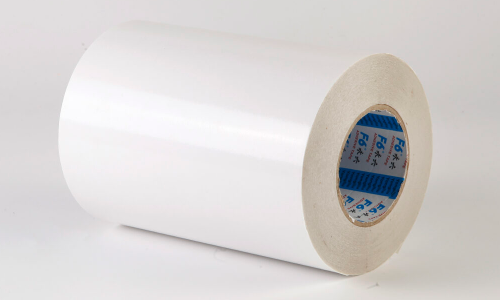
Double-sided tape provides a powerful and convenient solution for mounting everything from mirrors to industrial components. However, there comes a time when you need to remove double sided tape for repairs, redecorating, or maintenance. If handled incorrectly, the removal process can strip paint, scratch glass, or leave behind a stubborn, sticky residue. Understanding the chemistry of the adhesive and the sensitivity of the surface is key to success.
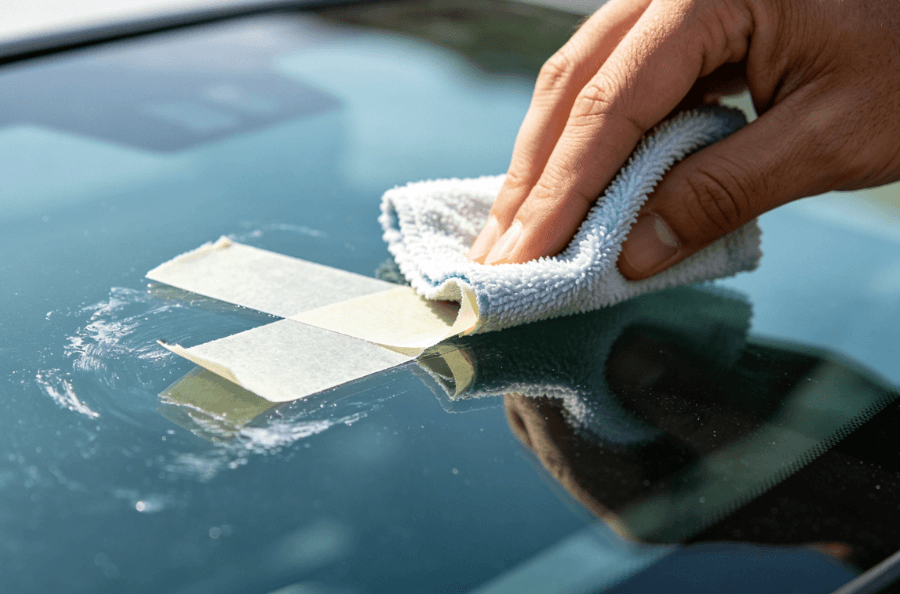
Most high-quality adhesives are designed to create a semi-permanent bond through a process called cross-linking. Over time, these bonds strengthen, making manual peeling difficult and potentially destructive. This guide provides science-backed methods to clear surfaces effectively while preserving their integrity. Whether you are dealing with industrial-grade strips or foam mounting tape, the right approach makes all the difference.
Understanding Why Adhesives Stick So Firmly
Adhesives used in double-sided tapes are often composed of acrylic or rubber-based polymers. These materials are viscoelastic, meaning they exhibit both liquid and solid characteristics. When applied, the adhesive “flows” into the microscopic pores of a surface. This creates a high level of mechanical interlocking and molecular attraction.
Industrial tapes are particularly challenging because they are engineered for high shear strength. For instance, some heavy-duty acrylic tapes can withstand up to 90 pounds of weight per square inch. This strength is beneficial during use but complicates the removal process. Environmental factors like UV light and heat can further cure the adhesive, making it brittle or extra-sticky over time.
Foam-backed tapes add another layer of complexity. The foam carrier can tear during removal, leaving a sandwich of foam and adhesive stuck to the wall. To remove double sided tape with a foam core, you must address both the carrier material and the chemical bond. Using the wrong tool can lead to surface gouging or permanent discoloration.
Step-by-Step: How to Remove Double Sided Tape Safely
The most effective way to remove double sided tape is to weaken the adhesive bond before applying force. Heat is the most common and accessible method for DIY and professional applications alike. Applying heat increases the kinetic energy of the adhesive molecules, causing them to soften and lose their grip.
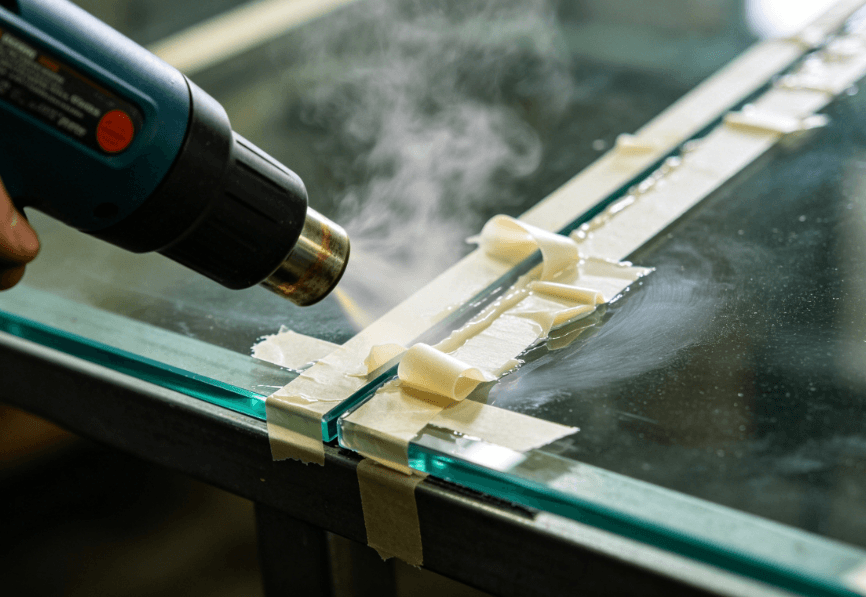
Follow these steps for a safe removal process:
- Use a hair dryer or a heat gun on a low-setting to warm the tape for 60 seconds.
- Maintain a distance of at least six inches to avoid overheating the surface material.
- Gently lift a corner with a plastic scraper or a fingernail once the adhesive feels tacky.
If heat is not sufficient, chemical solvents can break down the polymer chains. Isopropyl alcohol (70% or higher) is highly effective for most acrylic-based residues. For rubber-based adhesives, oil-based removers like Goo Gone or even vegetable oil can work by infiltrating the bond. Always test a small, inconspicuous area first to ensure the solvent does not dissolve the surface finish.
| Method | Best Surface Compatibility | Safety Level | Effectiveness |
| Heat Application | Glass, Metal, Wood | High | 85% |
| Isopropyl Alcohol | Metal, Unpainted Plastic | Medium | 90% |
| Fishing Line/Floss | Painted Walls, Foam Tape | High | 75% |
| Oil-Based Cleaners | Plastic, Finished Wood | High | 80% |
Mechanical removal is often necessary for thick foam tapes. You can use a piece of dental floss or thin fishing line to “saw” through the foam layer. Position the line behind the tape and move it back and forth in a downward motion. This leaves behind a thin layer of residue, which is much easier to treat with solvents than the full tape assembly.
Choosing Removal Methods Based on Surface Type
The material you are working on dictates the safest way to remove double sided tape. For example, glass is highly resistant to chemicals but can crack if exposed to extreme, localized heat. When removing tape from windows, a razor blade used at a 45-degree angle is effective. However, you must keep the glass lubricated with soapy water to prevent scratches.
Painted drywall requires the most caution. The bond between the tape and the paint is often stronger than the bond between the paint and the wall. Using aggressive solvents can melt the paint, while pulling too hard can rip the paper facing of the drywall. In these cases, slow heat application is the only recommended path. Gentle, consistent warmth is the safest tool for painted surfaces.
For finished wood, avoid harsh chemicals like acetone, as they will strip the varnish. Instead, use a combination of light heat and mineral oil. The oil helps lubricate the adhesive as it lifts, preventing the wood fibers from splintering. Always wipe the area clean with a mild detergent afterward to remove any oily film that could interfere with future coatings.
Selecting the Right Tape to Minimize Surface Damage
Choosing the correct product initially can prevent many removal headaches later. When selecting an adhesive, consider whether the application is permanent or temporary. Industrial double sided tape is designed for maximum durability and may require professional-grade solvents for clean removal. These are ideal for metal-to-metal bonding or outdoor signage where longevity is the priority.
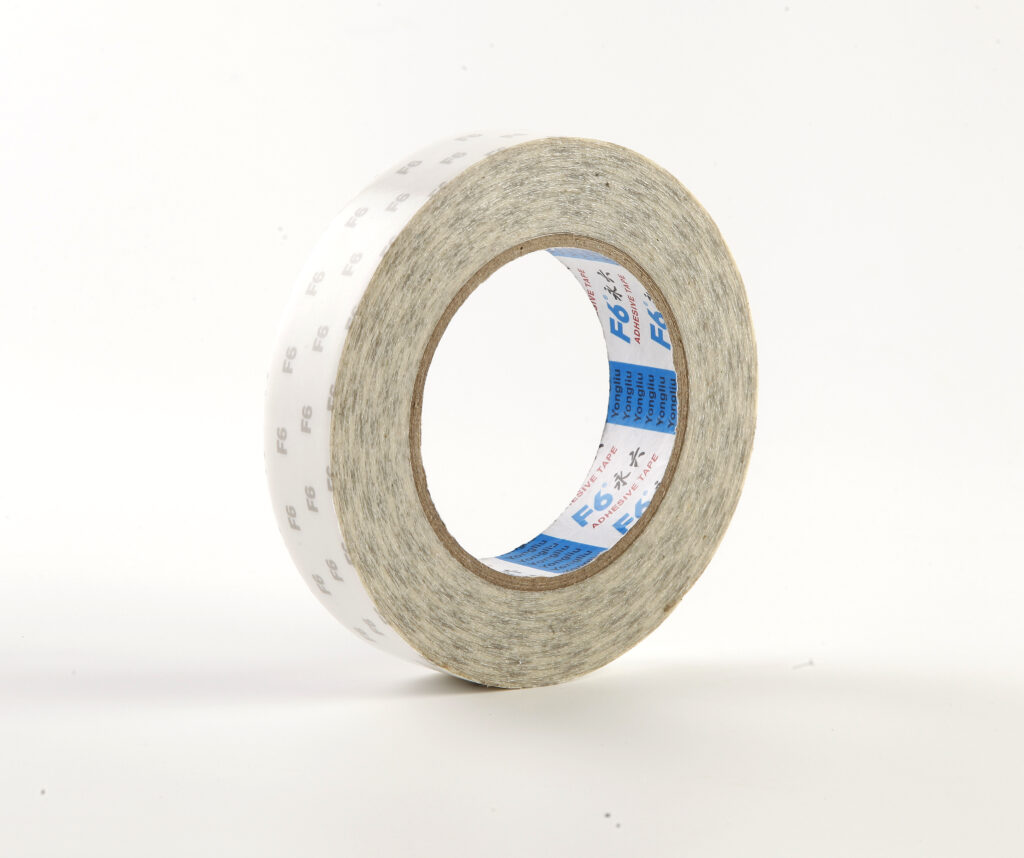
If you are working with uneven surfaces or need vibration dampening, foam double sided tape is the superior choice. Foam tapes conform to textures, providing a more complete seal. However, because they use high-tack adhesives, you should evaluate the foam density. High-density PE or EVA foams are less likely to tear during removal than low-density alternatives.
To ensure you select a tape that balances performance with surface safety, evaluate the “peel adhesion” rating. Tapes with lower initial tack but high long-term bond strength are often easier to reposition during installation. Understanding the technical specifications of your adhesive helps you predict how it will behave during the removal phase. Always match the tape’s chemical base—acrylic or rubber—to the intended environment to avoid premature failure or permanent staining.
Summary
To remove double sided tape successfully, you must match your removal method to both the adhesive type and the surface material. Utilizing controlled heat or specific solvents like isopropyl alcohol can break the bond without causing structural damage. By choosing the right high-quality tape from the start, you ensure a professional finish and a simpler removal process in the future.
FAQ
How do I remove residue after the tape is gone?
Apply a small amount of rubbing alcohol or an oil-based remover to a microfiber cloth. Rub the area in a circular motion until the sticky spots lift away completely.
Will a heat gun damage my car’s paint?
It can if the temperature exceeds 150 degrees Fahrenheit for a prolonged period. Keep the heat gun moving and use the lowest setting to safely remove double sided tape from automotive surfaces.
Can I use vinegar to remove adhesive?
Yes, the acetic acid in vinegar can help break down some water-based adhesives. It is a safer, non-toxic alternative for light-duty tapes on glass or plastic.
What is the best tool for removing tape from a wall?
A flexible plastic putty knife is the best tool. It provides enough leverage to lift the tape without the sharp edges that could gouge the drywall or plaster.
Why did my tape leave a yellow stain?
Yellowing is often a sign of adhesive degradation caused by UV exposure or high temperatures. This is more common with rubber-based adhesives; acrylic adhesives are generally more resistant to yellowing over time.
Reference Sources
1.3M – Adhesives and Tapes Technical Guides
https://www.3m.com
2.National Association of Home Builders (NAHB) – Surface Maintenance Tips
https://www.nahb.org
3.ASTM International – Standard Test Method for Peel Adhesion of Adhesive Tape
https://www.astm.org