
 Canada
 USA
USA Japan
Japan


Custom Appliance Tape: Evaluating the Right Appliance Tape Supplier

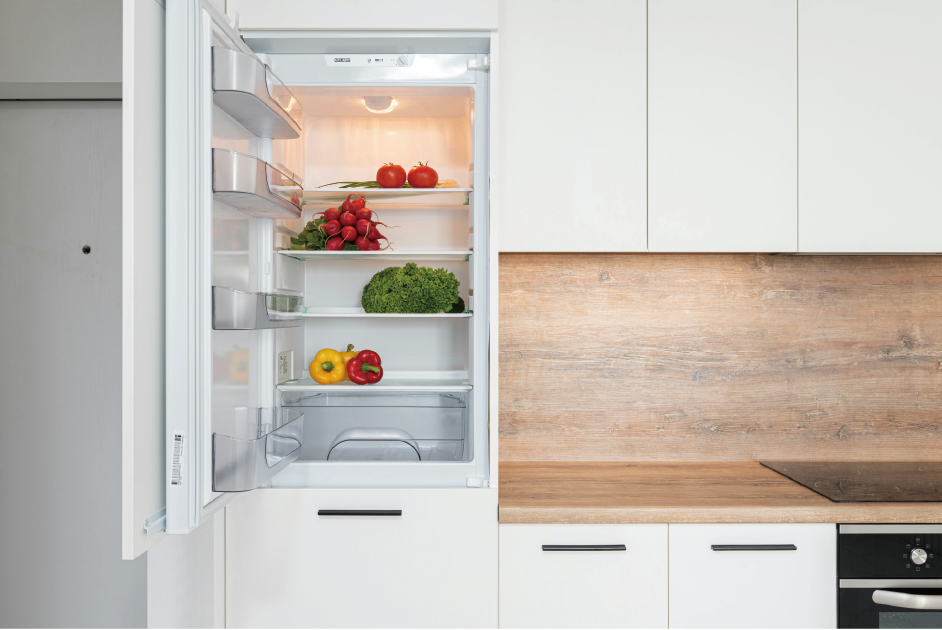
For home appliance manufacturers (OEMs), the choice of adhesive tape is a critical engineering decision that impacts both production efficiency and end-user satisfaction. Whether securing internal components of a refrigerator during global shipping or bonding decorative panels on a high-end oven, the adhesive must perform under extreme temperature fluctuations and stress without leaving “ghosting” or adhesive residue.
As a procurement consultant or project manager, evaluating an appliance tape supplier goes beyond price per square meter. It requires an audit of material science expertise, manufacturing scalability, and the ability to provide custom die-cut solutions that integrate seamlessly into automated assembly lines.
Common Applications of Adhesive Tape in Appliance Manufacturing
| Application | Tape Requirement |
|---|---|
| Component Mounting | Strong adhesion |
| Foam & Insulation Fixing | Flexible bonding |
| Vibration Reduction | Damping performance |
| Surface Protection | Clean removal |
| Packaging & Transportation | Secure holding |
Material Engineering: Backing and Adhesive Chemistry
The performance of appliance tape is dictated by the synergy between its backing material and the adhesive coating. In the “white goods” industry, three primary configurations dominate the market:
1. Tensilized Polypropylene (TPP) and PET Backing
Blue holding tapes, frequently used in refrigerators and washing machines, typically utilize tensilized polypropylene or PET. These materials offer high tensile strength and low elongation, ensuring that drawers, shelves, and glass panels remain immobile during transit. A high-quality supplier ensures these backings are resistant to slivering, allowing factory workers or consumers to remove the tape in a single piece.
2. Filament and Strapping Tapes
For heavy-duty component reinforcement, filament tapes—reinforced with continuous fiberglass yarns—provide the high shear strength necessary to prevent heavy doors from shifting. The engineering challenge here is balancing “grab” with “clean removal.”
3. Adhesive Formulation: Natural Rubber vs. Synthetic
- Natural Rubber Adhesives: Preferred for their excellent “quick stick” and ability to bond to Low Surface Energy (LSE) plastics commonly used in appliance liners (like PP and ABS). Crucially, they offer superior residue-free removal even after long-term exposure to heat or cold.
- Synthetic Acrylics: Often used for permanent bonding of nameplates or control panels, where long-term UV and temperature resistance are prioritized over removability.
Critical Application Scenarios in Home Appliance Manufacturing
The application logic for appliance tape is divided between Temporary Holding (shipping and assembly) and Permanent Bonding (structural and aesthetic).
- Refrigerator Assembly: Securing glass shelves, vegetable crispers, and evaporator coils. The tape must withstand temperatures as low as -30°C without losing adhesion or becoming brittle.
- Cooking Appliances: Tapes used near oven doors or hobs must be rated for high-temperature resistance, often requiring specialized PET or Polyimide carriers.
- Surface Protection: Protective films are applied to stainless steel or “black stainless” finishes to prevent scratches during the stamping and assembly process. A reliable appliance tape supplier must ensure the film’s adhesion level is precisely calibrated to the metal’s surface energy to prevent “adhesive transfer” during removal.
Strategic Evaluation: Choosing an Appliance Tape Supplier
When moving through the transactional phase of procurement, manufacturers must evaluate suppliers based on technical capability and supply chain reliability.
Technical Customization and Die-Cutting
In large-volume production, manual tape application is a bottleneck. Leading suppliers, such as F6 Tape, offer custom die-cut shapes and “extended liners” (finger lifts). This allows for:
- Faster application on the assembly line.
- Reduction in material waste (scrap rates).
- Precision placement for aesthetic components like control panels.
Quality Inspection and Compliance
A BOFU-ready supplier must provide documentation for international standards. Ensure your supplier adheres to:
- ISO 9001/14001: For quality and environmental management.
- RoHS/REACH Compliance: Essential for appliances sold in European and North American markets to ensure the absence of hazardous substances in adhesives.
- UL Certification: Particularly for tapes used in electrical components or near heat sources.
Production Scalability and Lead Times
For OEM projects, sampling delays can derail a product launch. Evaluate the supplier’s R&D speed. Can they provide prototype samples for LSE plastic bonding tests within 48-72 hours? Furthermore, verify their “Master Roll” inventory levels to ensure they can scale from pilot runs to mass production without supply chain interruptions.
Comparison Table: Appliance Tape Selection Logic
| Tape Type | Primary Backing | Adhesive Base | Key Property | Typical Use Case |
| Blue Holding Tape | PET / TPP | Natural Rubber | Residue-free removal | Securing fridge shelves |
| Filament Tape | Fiberglass / PET | Synthetic Rubber | High tensile strength | Securing heavy washer doors |
| Protective Film | PE / CPP | Low-tack Acrylic | Scratch resistance | Stainless steel finish protection |
| Double-Sided Foam | PE / Acrylic Foam | High-tack Acrylic | Gap filling / Vibration dampening | Mounting control panels |
Procurement Workflow: From RFQ to Mass Production
For B2B buyers, the procurement cycle for custom tape follows a strict technical validation path:
- Substrate Analysis: The supplier tests the surface energy of your appliance’s plastic or metal components (measured in dynes).
- Environmental Stress Testing: Tapes are subjected to accelerated aging, “bake tests” (heat), and humidity cycles to ensure the bond does not fail in tropical or arctic shipping routes.
- Die-Cut Prototyping: Providing custom-shaped gaskets or tabs for specific assembly points.
- Trial Run (Pre-production): Small volume (MOQ-based) testing on the live assembly line.
- Full-Scale Supply: Establishing JIT (Just-In-Time) delivery schedules to minimize the manufacturer’s on-site inventory costs.
Conclusion: Engineering the Perfect Bond
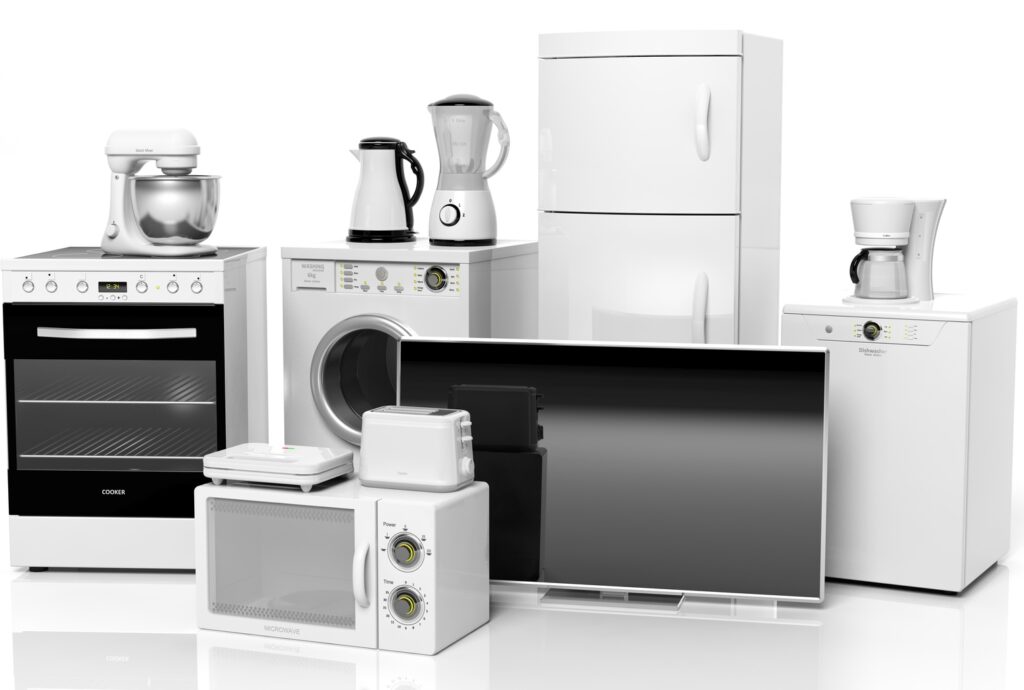
In the home appliance sector, tape is much more than a packaging material; it is a structural and protective component that reflects the brand’s quality. A failure in tape performance—whether a scratched surface or adhesive residue that a customer cannot remove—immediately diminishes the perceived value of a $2,000 appliance.
By partnering with a specialized appliance tape supplier, manufacturers gain access to advanced material science and customized converting capabilities that protect the product from the factory floor to the consumer’s kitchen.
Custom Appliance Tape Development Process
For appliance manufacturers, choosing the right adhesive tape solution often requires more than selecting an existing product. A professional custom tape manufacturer should provide a complete development process to ensure the tape meets specific application requirements, production conditions, and long-term performance expectations.
Application Analysis and Requirement Evaluation
The customization process begins with understanding the customer’s application requirements.
Important factors include:
- Bonding materials (plastic, metal, glass, foam, painted surfaces)
- Required adhesion strength
- Temperature conditions
- Environmental exposure
- Application method
- Production requirements
A detailed application analysis helps manufacturers recommend the most suitable tape structure and adhesive technology.
Material and Adhesive Selection
Based on the application requirements, the tape manufacturer selects suitable materials and adhesive systems.
Common options include:
| Tape Type | Typical Applications |
|---|---|
| Double Sided Foam Tape | Component mounting and vibration reduction |
| PET Double Sided Tape | Thin and precise bonding applications |
| Transfer Tape | Lightweight component fixing |
| Die Cut Adhesive Tape | Customized appliance components |
The correct material selection improves bonding reliability and reduces failure risks during production.
Prototype and Sample Testing
Before mass production, professional suppliers usually provide samples for testing and validation.
Testing may include:
- Adhesion performance testing
- Temperature resistance testing
- Aging evaluation
- Surface compatibility testing
- Application simulation
Sample testing allows appliance manufacturers to confirm performance before committing to large-volume production.
Performance Validation and Optimization
After initial testing, the tape solution may require adjustments to achieve the best performance.
Optimization areas may include:
- Adhesive formulation
- Tape thickness
- Backing material
- Die-cut shape
- Release liner design
This stage ensures the final product matches both technical requirements and manufacturing processes.
Mass Production and Quality Control
Once the customized tape solution is approved, the supplier begins mass production with strict quality control procedures.
A reliable manufacturer should monitor:
- Raw material consistency
- Production parameters
- Adhesion performance
- Product dimensions
- Batch stability
Consistent manufacturing quality ensures reliable supply for appliance production lines.
Continuous Technical Support
A professional custom appliance tape supplier should continue providing support after delivery.
Support services may include:
- Application improvement suggestions
- Production troubleshooting
- New product development
- Packaging and delivery solutions
Working with an experienced manufacturer helps appliance companies develop reliable adhesive solutions while improving production efficiency and reducing long-term costs.
FAQ
Q: What is the typical MOQ for custom die-cut appliance tape?
A: Minimum Order Quantities vary based on material type and complexity. Generally, for custom die-cuts, MOQs start at 5,000–10,000 pieces, while master rolls may have lower requirements depending on the slitting width.
Q: How do we prevent adhesive residue on stainless steel appliances?
A: This is prevented by selecting a tape with a cross-linked natural rubber adhesive or a specialized low-tack acrylic. The supplier must match the adhesive to the specific “micron-level” texture of the stainless steel.
Q: Can your tape withstand the high temperatures of self-cleaning ovens?
A: Standard holding tapes are not designed for operational heat. However, specialized high-temperature tapes (such as glass cloth or polyimide) can be sourced for components that remain on the appliance during use.
Q: What is the lead time for custom-developed adhesive solutions?
A: Standard product slitting usually takes 1–2 weeks. Custom material development and rigorous environmental testing can take 4–8 weeks depending on compliance requirements.
Q: Are free samples available for substrate testing?
A: Yes, most professional B2B suppliers provide A4 sheets or sample rolls for initial lab testing and surface compatibility validation.
Reference Sources
- ASTM D3330: Standard Test Method for Peel Adhesion of Pressure-Sensitive Tape.
- ISO 29862: Self-adhesive tapes — Determination of peel adhesion properties.
- UL 746C: Standard for Polymeric Materials – Use in Electrical Equipment Evaluations.
- Afera (The European Adhesive Tape Association): Classification and technical guides for industrial tapes.
- F6 Tape Solutions: Appliance and Electronics Tape Technical Portfolio.