
 Canada
 USA
USA Japan
Japan


Choosing Automotive Adhesive Tape Suppliers: Quality, Performance and Manufacturing Guide

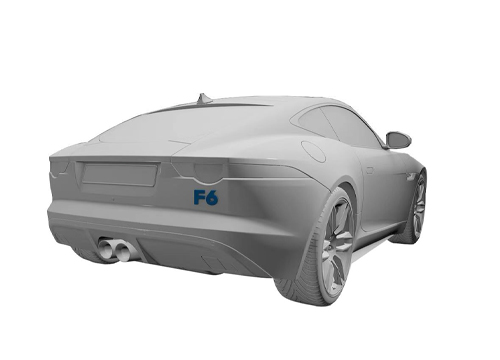
Sourcing automotive components from China has evolved from a simple cost-reduction exercise into a strategic partnership for innovation. For Tier 1 and Tier 2 suppliers, the challenge is no longer finding a manufacturer, but rather vetting a partner capable of meeting the rigorous zero-defect requirements of the global automotive industry.
When choosing automotive adhesive tape manufacturers in China, the evaluation must transcend price per square meter. It requires a deep dive into the manufacturer’s quality management systems (QMS), their R&D capability for low-surface energy (LSE) plastics, and their ability to provide documented compliance with international standards. In the high-stakes automotive environment, a tape failure can lead to Buzz, Squeak, and Rattle (BSR) issues or, in extreme cases, electrical harness fires.
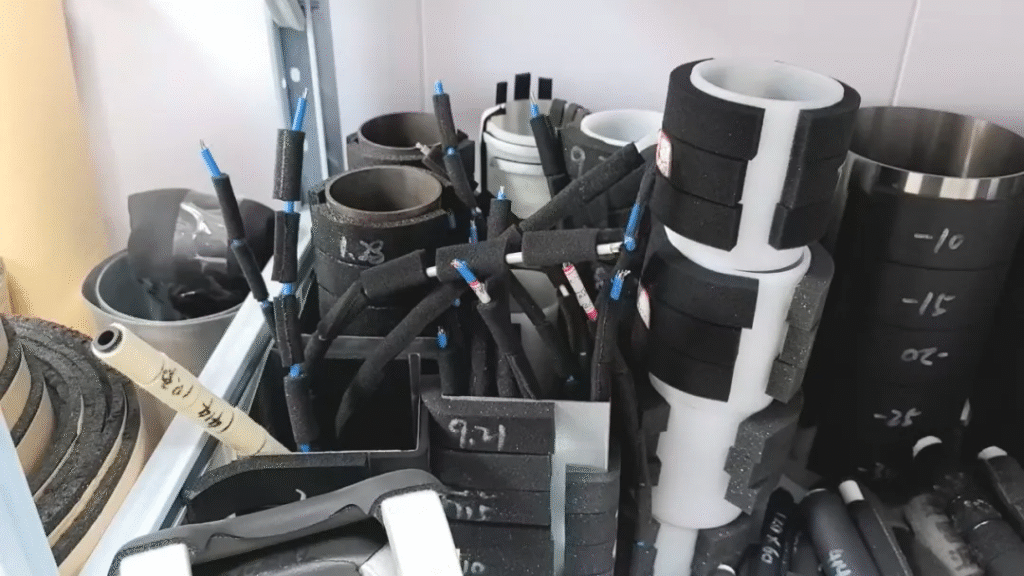
Mandatory Quality Certifications: The IATF 16949 Benchmark
The first filter in your procurement workflow must be the IATF 16949 certification. Unlike standard ISO 9001, IATF 16949 is specifically designed for the automotive supply chain, emphasizing defect prevention and the reduction of variation and waste.
A reliable manufacturer will not only possess this certificate but will also actively apply its Core Tools:
- APQP (Advanced Product Quality Planning): Ensuring the tape is designed to meet specific vehicle life-cycle requirements.
- PPAP (Production Part Approval Process): Providing the necessary evidence that the manufacturing process can consistently produce the part at the required rate.
- FMEA (Failure Mode and Effects Analysis): Identifying potential failure points in tape adhesion or backing durability before they reach the assembly line.
If a manufacturer lacks a verifiable IATF 16949 record, they are likely a general-purpose adhesive converter rather than a specialized automotive partner.
Technical Evaluation: Matching Material Specs to Application
Automotive tapes are not “one size fits all.” When auditing a supplier, you must evaluate their technical depth across three primary application pillars:
Wire Harness Wrapping
Engine compartment tapes require high thermal resistance (Class T3 or T4, up to 150°C), whereas cabin tapes focus on noise damping and flexibility. Verify if the supplier offers PET fleece, cloth, or PVC backings that meet specific OEM flame retardancy standards (e.g., FMVSS 302).
Interior Mounting and NVH
Interior applications demand Low VOC (Volatile Organic Compounds) and low-odor adhesives to maintain air quality inside the cabin. High-performance suppliers, such as F6Tape, develop specialized acrylic foam tapes and PE foam solutions that address Noise, Vibration, and Harshness (NVH) requirements while ensuring a permanent bond to low-surface energy plastics.
Exterior Trim and Emblems
Exterior tapes must withstand UV exposure, temperature cycling (-40°C to +90°C), and chemical resistance to road salts and car wash detergents. Ask for weathering test data (Xenon arc testing) to verify long-term adhesion.
Comparison: Tier 1 OEM Supplier vs. Wholesale Converter
| Feature | Specialized Automotive Manufacturer | General Adhesive Converter |
| QMS | IATF 16949 | ISO 9001 Only |
| Testing | In-house Lab (Peel, Shear, Aging) | Third-party or Minimal |
| Customization | Custom Die-cuts & Adhesive Formulations | Standard Slit Rolls |
| Compliance | IMDS, REACH, RoHS | Limited Documentation |
| MOQ | Flexible for OEM Sampling | Large Volumes Only |
OEM Customization and R&D Capacity
In the B2B automotive sector, customization is the norm. A manufacturer’s value is often found in their “converter” capabilities. When choosing automotive adhesive tape manufacturers in China, assess their ability to provide:
- Custom Die-cutting: Precision shapes for emblems, sensors, or gaskets that integrate seamlessly into automated assembly lines.
- Adhesive Formulation: The ability to adjust the “tack” or “shear” of an adhesive to bond with specific clear coats or textured plastics.
- Prototyping Speed: In the automotive development cycle, receiving a sample in 3–5 days can be the difference between hitting or missing a project milestone.
Reliable manufacturers maintain internal laboratories capable of performing 180-degree peel tests, static shear tests, and environmental chamber cycling to simulate the 15-year lifespan of a vehicle.
Executing the RFQ: Questions for Your Supplier
To move from a “Shortlist” to a “Selection,” your Request for Quote (RFQ) should include technical inquiries that test the manufacturer’s expertise:
- “Do you have a registered IMDS (International Material Data System) ID?” (Essential for automotive material transparency).
- “Can you provide a VDA 6.3 audit report?” (Commonly required by German automakers and their global partners).
- “What is your capability for Low VOC testing? Which standard do you follow (e.g., ISO 16000 or VDA 278)?”
- “How do you manage batch traceability from raw chemical input to finished roll?”
Conclusion: Building a Strategic Sourcing Partnership
Choosing the right manufacturer in China requires a balance of technical auditing and commercial negotiation. By focusing on specialized solutions providers like those found in the F6Tape automotive solutions portfolio, procurement managers can ensure they are getting more than just a roll of tape—they are gaining a component engineered for safety, comfort, and durability.
FAQ
What is the standard MOQ for custom automotive tape in China?
MOQs vary significantly. For standard slit rolls, it may be 50–100 rolls. For custom die-cut parts or unique adhesive formulations, manufacturers typically require a minimum order value rather than a piece count, often starting around 1500–3,000 to cover machine setup and raw material overhead.
How do I verify a Chinese manufacturer’s IATF 16949 certificate?
Do not rely on a PDF copy alone. Request the IATF 16949 certificate number and verify it through the IATF Global Oversight website. This ensures the certificate is active and registered to the correct production site.
Can Chinese manufacturers meet European and US automotive environmental standards?
Yes. Leading manufacturers are fully compliant with REACH (Registration, Evaluation, Authorisation, and Restriction of Chemicals) and RoHS (Restriction of Hazardous Substances). Many also provide UL-listed flame retardant tapes for EV battery applications.
How is the lead time for automotive tape shipping from China?
Standard production lead times are 2–3 weeks. Shipping via sea freight to the US or Europe takes 4–6 weeks, while air freight takes 5–7 days. Many B2B buyers maintain a 2-month safety stock to mitigate global logistics fluctuations.
Reference Sources
- IATF (International Automotive Task Force): IATF 16949:2016 Quality Management System requirements.
- SAE International: Standards for automotive adhesive testing and material specifications.
- IMDS (International Material Data System): Global standards for material declaration in the automotive industry.
- VDA (Verband der Automobilindustrie): Quality management and environmental standards for the German automotive industry.
- ISO 16000: International standards for indoor air and VOC testing in vehicle cabins.