
 Canada
 USA
USA Japan
Japan


Automotive Wire Harness Tape Specifications: A Professional Selection Guide

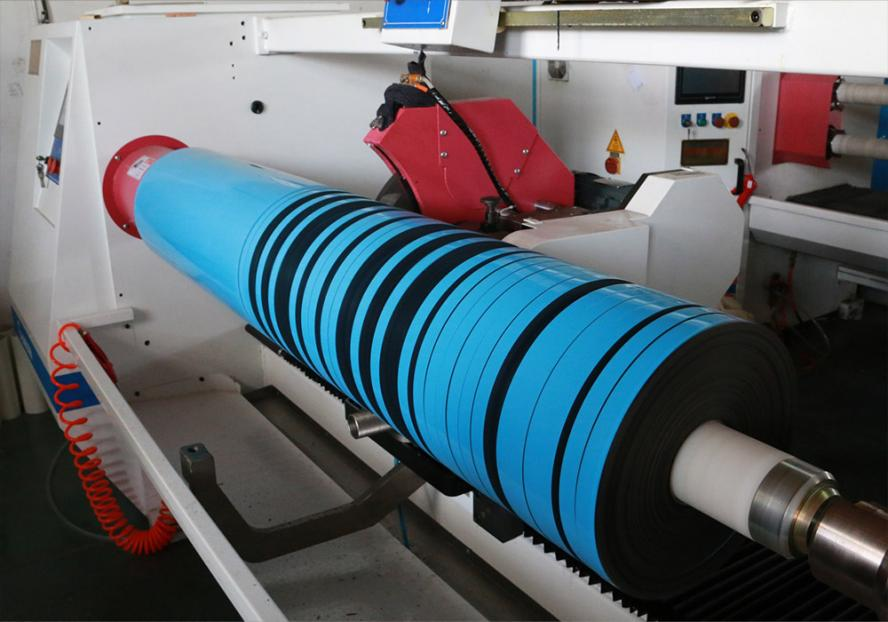
Modern vehicle architectures function as complex nervous systems, with wire harnesses extending several kilometers in length. Protecting these critical circuits from extreme heat, friction, and environmental contaminants requires specialized adhesive solutions. Understanding automotive wire harness tape specifications is essential for engineers to ensure long-term electrical reliability and passenger safety.
In the automotive industry, “standard” tape does not exist. Each application zone—from the high-temperature engine bay to the acoustically sensitive cabin—demands a specific material profile. Selecting the wrong specification can lead to terminal harness failure, costly recalls, or unacceptable Noise, Vibration, and Harshness (NVH) levels.
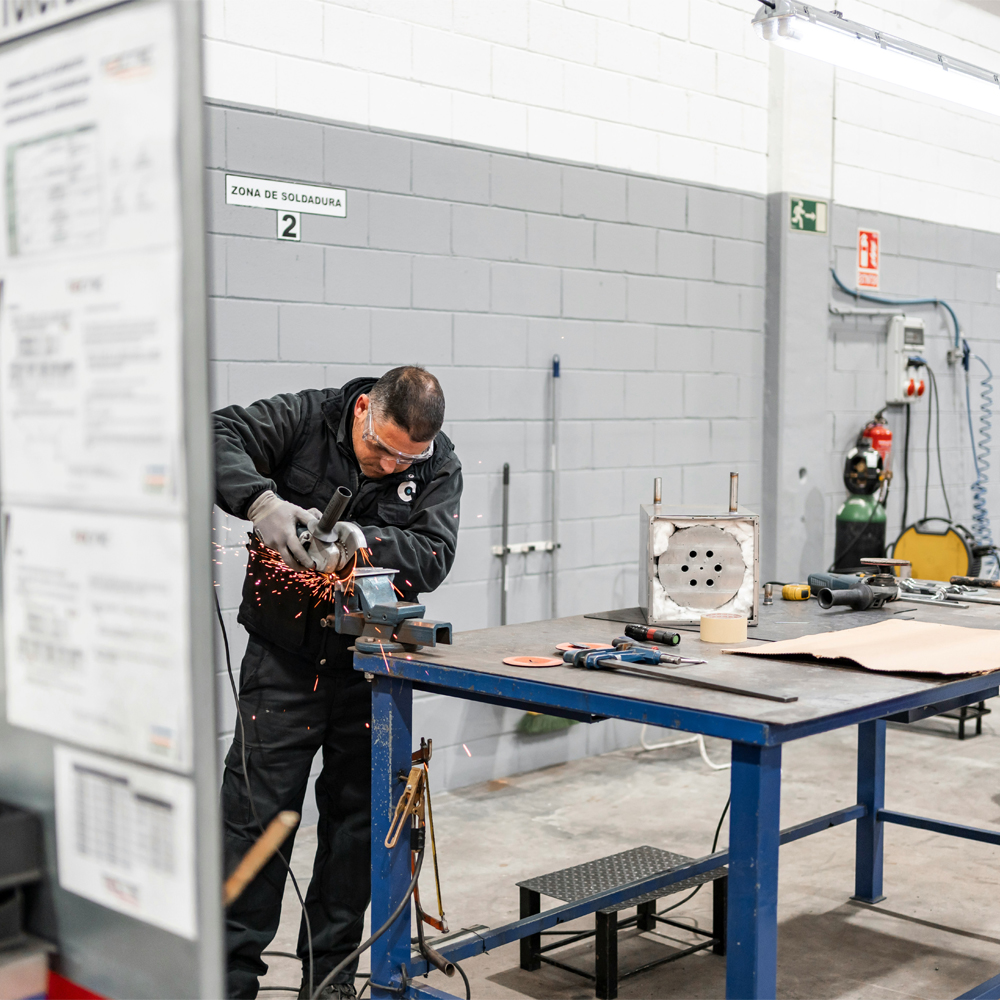
Critical Performance Metrics in Wire Harness Protection
Automotive wire harness tape specifications are defined by their ability to withstand the lifecycle of the vehicle. Engineers prioritize three primary metrics: thermal stability, mechanical protection, and acoustic management.
Temperature Resistance (Class T1 to T6)
Temperature classes are the most vital part of any technical datasheet. These classes define the continuous operating temperature the tape can withstand for 3,000 hours without degrading.
- Class T1/T2 (85°C – 105°C): Suitable for basic interior cabin applications.
- Class T3 (125°C): Standard for engine peripherals and general under-the-hood routing.
- Class T4 (150°C): Mandatory for close-proximity engine mounting.
Abrasion Resistance (Class A to G)
Abrasion protection prevents the wire insulation from wearing through against sharp metal edges or vibrating chassis components. Specification tests typically involve a weighted needle rubbing across the tape surface. Class D and above often utilize high-density PET cloth or textile backings to ensure maximum puncture resistance.
Noise Damping (Class A to E)
For interior harnesses, preventing “rattle” is a primary engineering goal. Noise damping classes measure the decibel reduction achieved by the tape. Fleece-based tapes are the industry standard for Class D and E damping, effectively decoupling the harness from hard plastic interior panels.
Comparing Material Specifications by Application Zone
Different vehicle zones present unique stressors. A professional selection guide must match the substrate material to the specific environmental hazards of each zone.
| Application Zone | Key Specification Requirement | Recommended Material |
| Engine Bay | High Temp (Class T4), Fluid Resistance | PET Cloth / Heat-reflective Foil |
| Interior Cabin | Noise Damping (Class E), Low VOC | PET Fleece / Soft Cloth |
| Door Panels | Moisture Resistance, Flexibility | PVC / PE Film |
| Underbody | High Abrasion (Class G), Impact Resistance | Heavy-duty Textile / Rugged PET |
| EV Battery | Flame Retardancy (UL 94 V-0), Dielectric Strength | Specialized Polyimide / FR PET |
Industry Standards and Testing Compliance
Top-tier manufacturers do not simply claim quality; they verify it through standardized testing protocols. When sourcing, engineers look for compliance with two dominant global standards: LV 312 and VDA.
LV 312 Standard
Developed by major German OEMs, LV 312 provides a unified framework for testing adhesive tapes in automotive environments. It covers adhesion to backing, chemical resistance to automotive fluids (engine oil, brake fluid), and long-term aging. Compliance with LV 312 ensures the tape will not “flag” or unravel over the 15-year lifespan of a vehicle.
Chemical and Fluid Resistance
Specifications must account for exposure to gasoline, diesel, and battery acids. Reliable tapes utilize acrylic or high-performance rubber adhesives that maintain bond strength even when saturated with hydrocarbons. This is particularly critical for harnesses routed near fuel lines or hydraulic systems.
How to Choose a Reliable Automotive Tape Supplier
Selecting a reliable automotive tape supplier is essential for ensuring product quality, production stability, and long-term cooperation. A professional supplier should not only provide suitable tape products but also understand automotive industry requirements, quality standards, and customized application needs.
Automotive Industry Experience
A supplier with automotive industry experience can better understand the requirements of OEMs and Tier suppliers. Buyers should evaluate whether the supplier has experience supporting automotive applications, including wire harness assembly, interior components, and electrical systems.
Quality Control Capability
Consistent quality is critical for automotive adhesive tape applications. Reliable suppliers should have strict quality control processes, material inspection procedures, and testing capabilities to ensure stable performance across different production batches.
Customization Capability
Different automotive projects may require specific tape specifications, including width, thickness, adhesive type, backing material, color, and packaging. Suppliers with customization capabilities can provide solutions that better match manufacturing requirements.
Production Capacity and Delivery Reliability
For automotive manufacturers, supply continuity is important. A qualified supplier should have sufficient production capacity, stable raw material sourcing, and reliable delivery capabilities to support long-term production schedules.
Technical Support and Application Guidance
Professional automotive tape suppliers should provide technical assistance during product selection and application testing. Support with material recommendations, performance evaluation, and application optimization can help customers reduce risks during mass production.
Selection Guide: Engineering Considerations for OEM Projects
Choosing the right tape involves balancing performance with assembly efficiency. Manual wrapping remains common, so hand-tearability and “unwind force” are critical for production line throughput.
Low VOC and Fogging Standards
Modern cabin interiors are subject to strict air quality regulations. Tapes used in the dashboard or headliner must meet low-VOC (Volatile Organic Compound) specifications. This prevents the “fogging” effect on windshields and ensures the vehicle interior remains free of toxic chemical odors.
Compatibility with Wire Insulation
Chemical compatibility between the tape adhesive and the wire insulation (typically PVC or XLPE) is paramount. Some adhesives can cause “plasticizer migration,” which softens the wire insulation and leads to short circuits. Professional suppliers provide aging test data to prove compatibility with specific wire types.
Strategic sourcing partners, such as those listed in the F6Tape automotive solutions portfolio, focus on providing tapes that meet these rigorous IATF 16949 quality standards. By integrating these high-performance materials early in the design phase, manufacturers can significantly reduce the risk of field failures.
The Commercial Impact of High-Spec Tapes
In large-volume production, the “Total Cost of Ownership” (TCO) outweighs the initial roll price. Using a tape with superior heat-aging specifications reduces the need for expensive secondary plastic conduits or corrugated tubing.
Furthermore, high-performance fleece tapes can replace bulky foam wraps for noise reduction. This reduces the overall diameter of the harness, saving space in tight pillars and reducing the total weight of the vehicle—a critical factor for EV range optimization.
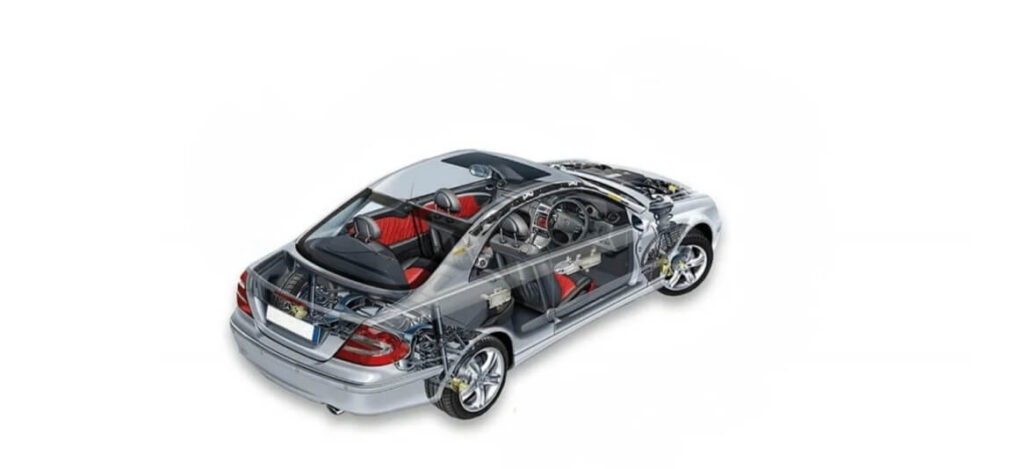
Types of Automotive Wire Harness Tape
Automotive wire harness tapes are available in different materials and structures to meet the requirements of various vehicle applications. The right tape selection depends on factors such as temperature resistance, abrasion protection, noise reduction, flexibility, and long-term durability.
PVC Wire Harness Tape
PVC wire harness tape is commonly used for general automotive wiring applications due to its good insulation performance, flexibility, and cost efficiency. It provides reliable protection for wire bundles in areas where moderate temperature resistance and mechanical protection are required.
PET Cloth Tape
PET cloth tape is designed for applications that require higher abrasion resistance and durability. Its strong backing material helps protect wire harnesses from friction and mechanical stress, making it suitable for demanding automotive environments.
Fleece Tape
Automotive fleece tape is widely used in vehicle interiors where noise reduction and comfort are important. Its soft surface helps minimize rattling sounds caused by wire movement while providing protection and flexibility for complex wiring systems.
Aluminum Foil Tape
Aluminum foil tape is mainly used in applications that require electromagnetic interference (EMI) shielding. It helps protect sensitive electrical components from electromagnetic interference while providing additional protection for automotive wiring systems.
FAQ
What is the most common temperature class for engine bay tape?
Class T3 (125°C) is the most common standard for general engine bay routing. However, for tapes placed directly on the engine block or near exhaust manifolds, Class T4 (150°C) or specialized heat-reflective foils are required to prevent adhesive crystallization.
Why is LV 312 compliance important for Tier 1 suppliers?
LV 312 is a globally recognized testing standard adopted by major OEMs like Audi, BMW, and Mercedes-Benz. Using LV 312 compliant tapes simplifies the validation process for Tier 1 suppliers and ensures international market entry.
Can I use PVC tape for all automotive applications?
No. While PVC tape is excellent for moisture resistance and flexibility in door panels, it typically has low temperature resistance and poor noise damping. It is generally avoided in the engine bay and acoustic-sensitive cabin areas.
What is “flagging” and how do specifications prevent it?
Flagging occurs when the end of a tape roll peels back from the harness. Specifications for “Adhesion to Backing” and “Unwind Force” ensure that the tape stays securely wrapped even under thermal stress and vibration.
Reference Sources
- ISO 6722-1: Road vehicles — 60 V and 600 V single-core cables — Part 1: Dimensions, test methods and requirements.
- LV 312: Protective tapes for wire harnesses in motor vehicles (German OEM Standard).
- VDA 278: Thermal Desorption Analysis of Organic Emissions for the Characterization of Non-Metallic Materials for Automobiles.
- SAE J2192: Recommended Practice for Testing of Adhesive Tapes for Automotive Applications.
- UL 510: Standard for Polyvinyl Chloride, Polyethylene, and Rubber Insulating Tape.