
 Canada
 USA
USA Japan
Japan


Selecting the Right Adhesive for Different Surfaces & Energies

Understanding Surface Energy: The Key to Selecting an Adhesive for Different Surfaces
In industrial assembly, the failure of a bond is rarely a fault of the adhesive itself. Instead, it is frequently a result of a mismatch between the adhesive’s chemistry and the substrate’s surface energy. For engineers and OEM project managers, selecting an adhesive for different surfaces requires a deep understanding of surface science, specifically how a liquid adhesive “wets out” on a solid substrate.
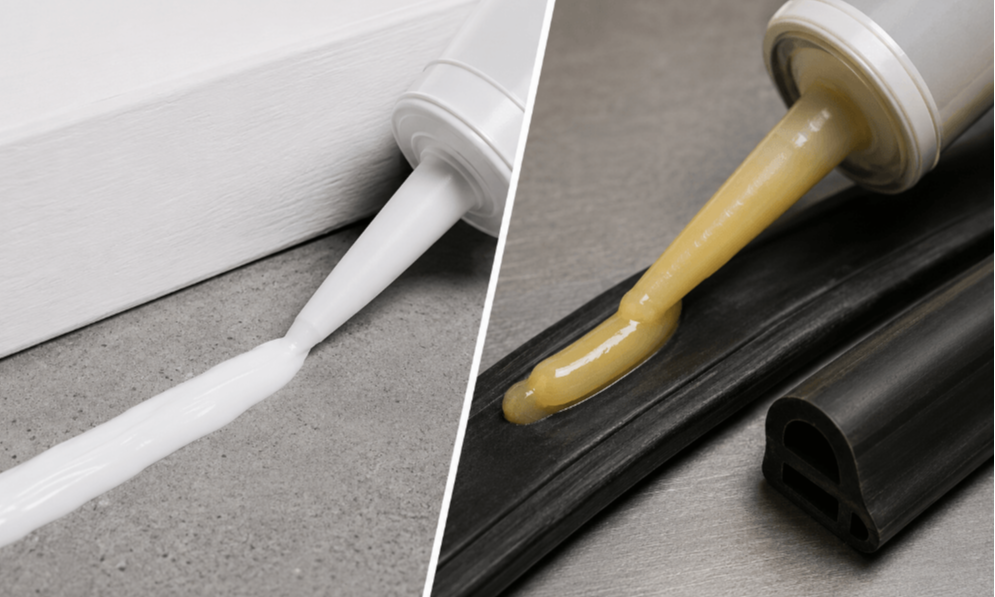
Surface energy is essentially the degree to which a surface attracts or repels an adhesive. When the surface energy of the substrate is significantly higher than the surface tension of the adhesive, the adhesive flows easily, creating a strong molecular bond. Conversely, if the substrate has low surface energy, the adhesive will bead up, much like water on a freshly waxed car, leading to premature bond failure.
What is Surface Energy and How Does it Affect Adhesion?
Surface energy is measured in dynes per centimeter (dyn/cm). It represents the excess energy at the surface of a material compared to the bulk. In manufacturing, we categorize materials into two primary groups: High Surface Energy (HSE) and Low Surface Energy (LSE).
A successful bond occurs when the adhesive achieves “total wetting.” This means the adhesive spreads across the surface to maximize the contact area. This contact allows for van der Waals forces—the primary chemical attraction in most industrial tapes and glues—to take hold. If the adhesive cannot wet the surface, the physical bond is limited to the peaks of the surface roughness, drastically reducing shear and peel strength.
High Surface Energy (HSE) vs. Low Surface Energy (LSE) Materials
Selecting an adhesive for different surfaces begins with identifying where the substrate falls on the dyne scale. The material choice dictates whether a standard acrylic adhesive will suffice or if a specialized modified acrylic or rubber-based system is required.
| Substrate Category | Typical Materials | Surface Energy (dyn/cm) | Bonding Ease |
| HSE (High) | Metals (Steel, Aluminum, Copper), Glass, Kapton | 250 – 1000+ | High |
| MSE (Medium) | PVC, ABS, Polycarbonate, Acrylic, Nylon | 35 – 45 | Moderate |
| LSE (Low) | Polyethylene (PE), Polypropylene (PP), PTFE (Teflon), Silicone | 18 – 30 | Difficult |
Metals are generally easy to bond because their high energy “pulls” the adhesive into every microscopic crevice. However, LSE plastics like Polypropylene are increasingly common in automotive and consumer electronics due to their low cost and durability. These surfaces require high-tack adhesives specifically engineered to overcome the material’s natural repellency.
Why “Wetting” is Critical for an Adhesive for Different Surfaces
Wetting is the physical manifestation of the interaction between the adhesive’s surface tension and the substrate’s surface energy. In a manufacturing environment, visual inspection of wetting can prevent massive line failures.
- Good Wetting: The adhesive spreads thin and covers the surface. This is common on metals and high-energy plastics.
- Poor Wetting: The adhesive beads up. This indicates that the substrate’s energy is too low for that specific adhesive formulation.
In high-volume production, engineers often use Dyne Pens to test the surface energy of incoming raw materials. If a batch of plastic parts has a dyne level below 36, it may require corona treatment, flame treatment, or a specialized primer before the adhesive application to ensure consistent performance.
Industrial Selection Criteria for Challenging Substrates
Beyond surface energy, several environmental and mechanical constraints influence the selection of a bonding solution. For instance, an adhesive for different surfaces must also withstand the specific stresses of the application environment.
When evaluating a tape or liquid bond, consider the following technical constraints:
- Temperature Resistance: High-energy surfaces like stainless steel are often used in high-heat environments. An acrylic adhesive might be chosen for its thermal stability.
- Chemical Exposure: In automotive applications, surfaces may be exposed to oils or fuels. Rubber adhesives might offer quick stick but lower chemical resistance compared to cross-linked acrylics.
- Surface Texture: A rough or porous surface effectively increases the surface area but requires a thicker adhesive or foam carrier to fill the gaps and ensure 100% contact.
For manufacturers looking for specific carrier types and adhesive formulations, exploring a diverse range of industrial tape products is a practical next step. Matching the carrier (such as PET, tissue, or foam) with the correct adhesive chemistry is vital for managing different surface morphologies.
Best Practices for Ensuring Long-Term Bond Integrity
Even the best-matched adhesive for different surfaces will fail if the application process is flawed. To maximize topical authority and bond reliability, manufacturing consultants recommend a standardized “Clean, Apply, Press” workflow.
- Surface Preparation: Contaminants like mold release agents, oils, or even fingerprints can lower the effective surface energy of an HSE material to that of an LSE material. A 50/50 Isopropyl Alcohol (IPA) and water mix is the industry standard for cleaning.
- Dwell Time: Adhesives are “viscoelastic” materials. They do not bond instantly. Most industrial acrylic tapes require 24 to 72 hours to reach their ultimate bond strength as the adhesive continues to “flow” into the surface profile.
- Pressure Application: Pressure-sensitive adhesives (PSAs) require physical force to initiate the wetting process. In automated lines, ensuring consistent nip roller pressure is more critical than the adhesive’s initial tack.
FAQ
How do I know if I have a low surface energy material?
You can perform a simple “water bead” test. If water beads up into droplets, the surface energy is likely low. In professional settings, Dyne Pens are used to provide a precise numerical measurement of surface energy.
Can I bond LSE plastics without specialized adhesives?
It is possible if you use surface treatments such as Corona, Plasma, or Flame treatment. These processes physically break the molecular bonds on the surface to create “anchoring sites” for the adhesive, effectively raising the dyne level.
Why does my tape stick to metal but peel off plastic?
This is usually due to the high surface energy of metal (which promotes wetting) and the low surface energy of many plastics (which resists it). You likely need a modified acrylic adhesive designed for LSE substrates.
Does temperature affect surface energy?
Indirectly, yes. Higher temperatures generally lower the surface tension of the adhesive, which can improve wetting. However, the substrate’s surface energy remains relatively stable.
What role does a primer play in bonding different surfaces?
Primers act as a bridge. They have a chemistry that adheres well to LSE surfaces while providing a high-energy “top coat” for the adhesive to grab onto. They are essential for difficult bonds in automotive and construction sectors.
Reference Sources
- ASTM D3359: Standard Test Methods for Rating Adhesion by Tape Test. ASTM International
- ISO 8510-2: Adhesives — Peel test for a flexible-bonded-to-rigid test specimen assembly. ISO
- The Adhesives and Sealants Council (ASC): Technical whitepapers on polymer science and surface interaction.
- Avery Dennison/3M Technical Guides: Industrial documentation regarding dyne levels and adhesive performance on LSE vs. HSE materials.
- Journal of Adhesion Science and Technology: Peer-reviewed research on “Wetting and Surface Energetics.”