
 Canada
 USA
USA Japan
Japan


Low VOC Adhesive Tape for Automotive Interiors: Safety Guide

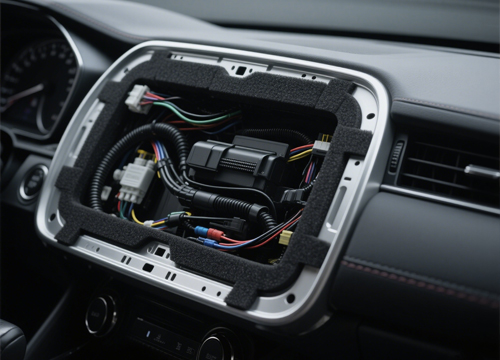
The modern vehicle cabin is an enclosed environment where air quality is a primary safety metric. OEM manufacturers increasingly prioritize materials that minimize Volatile Organic Compounds (VOCs) to ensure passenger health. Low VOC adhesive tape for automotive interiors has transitioned from a niche requirement to a global industry standard for Tier 1 and Tier 2 suppliers.
In the past, high-performance bonding relied on solvent-based acrylics that released harmful odors and gasses over time. Today, engineering focuses on water-based or solvent-free hot-melt technologies. These advanced adhesives must balance strict emission limits with the high-tack requirements of textured plastics and foam substrates.
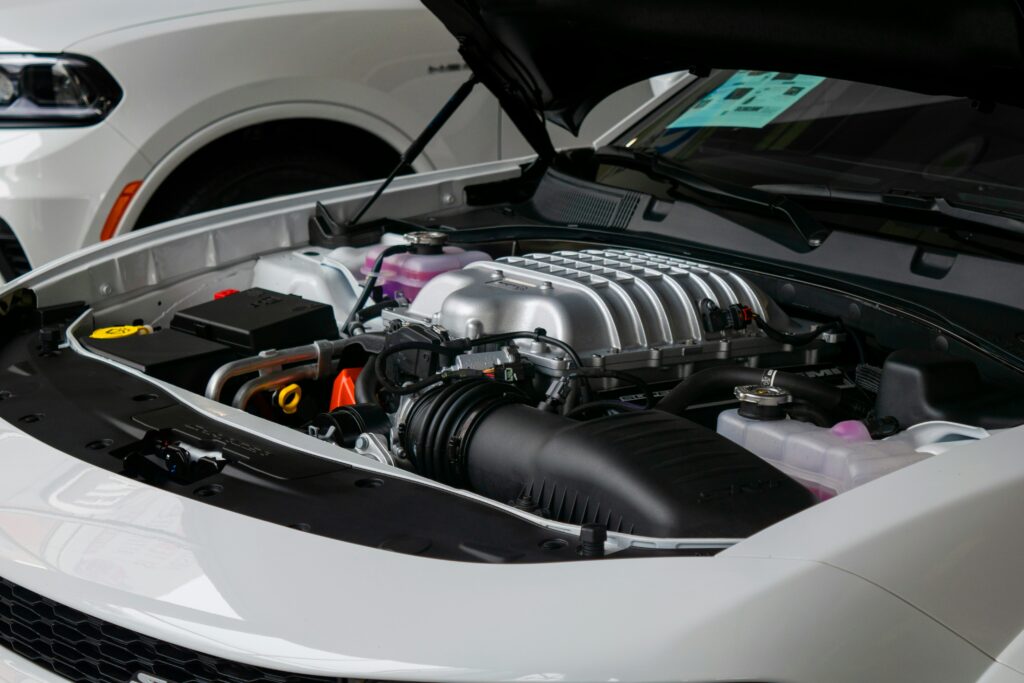
What Defines Low VOC Adhesive Tape for Automotive Interiors?
Technical reliability in automotive cabins is measured by a tape’s ability to maintain structural integrity without outgassing. Low VOC refers to the reduction of detectable organic chemicals like formaldehyde, toluene, and xylene. These substances contribute to the “new car smell” but are strictly regulated by international safety protocols.
Engineering a high-performance low VOC adhesive tape for automotive interiors involves specialized polymer cross-linking. This process ensures the adhesive stays stable under high thermal loads, such as those found on a dashboard exposed to direct sunlight. By removing volatile solvents during the manufacturing phase, suppliers create a safer environment for both assembly workers and end-users.
Critical Applications in Cabin Noise and Trim Mounting
The complexity of an interior assembly requires adhesive solutions that adapt to various low-surface-energy (LSE) materials. Tapes are utilized for more than just simple attachment; they serve as critical components in Noise, Vibration, and Harshness (NVH) management.
Common application scenarios include:
- Instrument Panels: Permanent bonding of decorative trim and electronic displays.
- A Pillar and Pillar Trim: Securing fabric or plastic coverings where impact resistance is vital.
- Headliner Fixation: Managing large-area bonding without adding excessive weight or odor.
- Seat Heating Elements: Bonding heating pads to foam where temperature fluctuations are frequent.
Strategic sourcing partners, such as those found in the F6Tape automotive solutions portfolio, focus on providing tapes that meet these diverse requirements. Utilizing a low VOC solution in these areas prevents the “fogging” effect on windshields, which is caused by chemicals condensing on the glass surface.
How VDA 278 Standards Influence Adhesive Selection
For European and North American OEMs, the VDA 278 test is the gold standard for emission testing. This protocol measures the total “VOC” (up to C20) and “FOG” (C16 to C32) emissions of non-metallic materials. Meeting these standards is a mandatory threshold for any low VOC adhesive tape for automotive interiors.
| Technology Type | VOC Emission Level | Heat Resistance | Best Use Case |
| Solvent-Based | High | Excellent | Exterior Trim / Engine Bay |
| Water-Based | Low | Moderate to Good | Cabin Trim / Sound Dampening |
| Hot-Melt (Solvent-Free) | Very Low | Variable | Gasket Sealing / Interior Foam |
| PE Foam (Low VOC) | Minimal | Good | NVH / Emblem Mounting |
Procurement managers must verify that their suppliers use independent laboratories to certify these emission levels. A tape that passes ISO 16000 or VDA 278 ensures the vehicle remains compliant with international air quality regulations, such as China’s GB/T 27630 standards.
Engineering Considerations for Interior Substrate Compatibility
Selecting a tape involves analyzing the surface energy of the cabin components. Many modern interiors use recycled plastics or TPO (Thermoplastic Polyolefin), which are notoriously difficult for standard adhesives to grip. A high-quality low VOC adhesive tape for automotive interiors often features a modified acrylic or synthetic rubber system to ensure a “wetting” effect.
This mechanical bond is tested through 180-degree peel tests and static shear tests at elevated temperatures. In large-volume production, the “Total Cost of Ownership” (TCO) is influenced by the tape’s ease of application. Tapes that offer high initial tack reduce the need for primers or specialized heating equipment during the assembly line process.
For high-end vehicle projects, manufacturers often review specialized industrial tape solutions to find the perfect balance between adhesion and compliance. By integrating these safety-standard materials early in the design phase, OEM project managers can avoid the high cost of post-production air quality failures.
Strategic Sourcing for Global Automotive Compliance
Reliability in the automotive supply chain is defined by consistency. A supplier must demonstrate not only a low VOC profile but also batch-to-batch uniformity. This is typically managed through IATF 16949 quality management systems, which emphasize defect prevention and waste reduction.
When requesting a quote for low VOC adhesive tape for automotive interiors, engineers should ask for the Fogging Value and the Total VOC weight. These data points are essential for the material’s entry into the International Material Data System (IMDS). A transparent supplier provides these technical datasheets as part of the initial RFQ, accelerating the validation timeline for new vehicle platforms.
FAQ
What is the difference between Low VOC and solvent-free tape?
Solvent-free tapes are manufactured without any liquid solvents, inherently resulting in the lowest possible emissions. Low VOC tapes may use solvents during production but utilize advanced drying and extraction methods to ensure the final product meets strict emission safety thresholds.
Why does automotive tape cause windshield fogging?
Standard industrial tapes release volatile chemicals when heated by the sun. These chemicals travel through the cabin’s air and condense on the cooler surface of the windshield, creating a film that impairs visibility. Low VOC tapes are specifically engineered to eliminate these heavy-molecular-weight “FOG” components.
Are water-based low VOC tapes as strong as solvent-based ones?
Modern polymer science has closed the gap significantly. While solvent-based adhesives were traditionally superior, advanced water-based acrylics now offer comparable peel and shear strength for most interior applications, provided the surface is correctly prepared.
What is the standard VOC limit for automotive interiors?
Limits vary by OEM and region. However, a common benchmark is the German VDA 278 standard, which typically looks for total VOC emissions below 100 µg/g and FOG values below 250 µg/g, depending on the specific vehicle manufacturer’s internal requirements.
Reference Sources
- VDA 278 Standard: Thermal Desorption Analysis of Organic Emissions for the Characterization of Non-Metallic Materials for Automobiles.
- ISO 16000-6: Indoor air — Part 6: Determination of volatile organic compounds in indoor and test chamber air.
- GB/T 27630: Guideline for air quality assessment of passenger cars (Chinese National Standard).
- IATF 16949: Quality management system requirements for automotive production.
- IMDS (International Material Data System): Global standards for material declaration in the automotive industry.