
 Canada
 USA
USA Japan
Japan


PET Holding Tape for Temporary Fixing and Component Protection

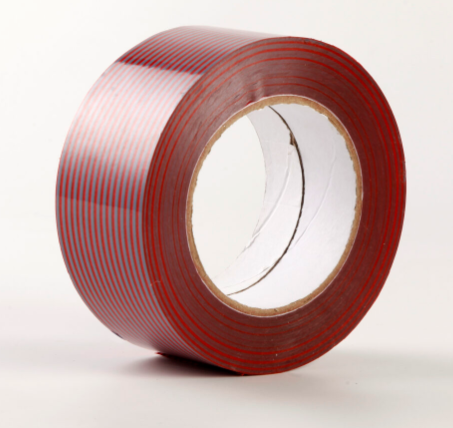
PET holding tape is widely used in manufacturing processes where components require temporary fixing, positioning, or protection before final assembly. With a polyester (PET) film carrier and pressure-sensitive adhesive layer, it provides stable holding performance while helping manufacturers improve production efficiency and handling reliability.
Unlike general-purpose adhesive tapes, PET holding tape is usually selected for applications where dimensional stability, controlled adhesion, and clean removal are important. Electronics manufacturers, appliance producers, and industrial buyers often evaluate tape performance based on substrate compatibility, holding requirements, environmental conditions, and processing methods.
This guide explains what PET holding tape is, where it is used, and how procurement teams can evaluate suitable tape solutions.
What Is PET Holding Tape?
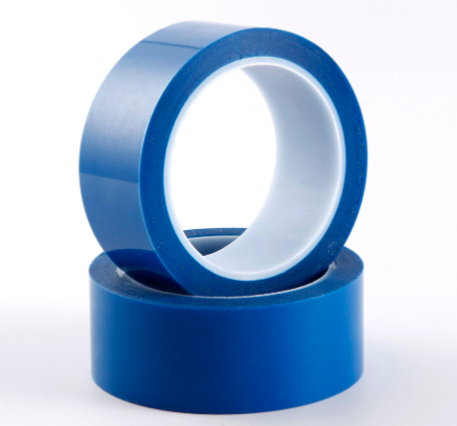
PET holding tape is an adhesive tape that uses a polyester film backing combined with a pressure-sensitive adhesive system. The PET carrier provides good dimensional stability and helps the tape maintain its shape during application and handling.
Compared with softer carrier materials, PET film generally offers better resistance to stretching and deformation. This makes it suitable for temporary fixing applications where accurate positioning and consistent processing are required.
Typical applications include:
- Temporary fixing of components during assembly
- Holding parts during transportation
- Surface protection during production
- Positioning materials before final processing
- Die-cut tape applications
Different adhesive formulations and tape constructions can be selected depending on holding force, removal requirements, temperature exposure, and production conditions.
Common Applications of PET Holding Tape
Electronics Assembly
Electronics manufacturing often requires temporary holding solutions that can maintain component position while reducing the risk of surface damage or adhesive residue.
PET holding tape can be used for:
- Temporary fixing of electronic components
- Positioning parts during assembly
- Holding protective materials during production
- Supporting precision manufacturing processes
For electronics applications, manufacturers typically consider adhesive stability, substrate compatibility, and removal performance before mass production.
Appliance Manufacturing
During appliance production and transportation, temporary fixing materials help prevent component movement and improve handling efficiency.
Common uses include:
- Fixing movable parts before shipping
- Holding components during assembly
- Protecting surfaces during manufacturing
The suitable tape grade depends on the surface material, storage duration, and required removal conditions.
Industrial Processing and Converting
Because PET film provides dimensional stability, PET holding tape is suitable for converting processes such as slitting and die-cutting.
Manufacturers may evaluate:
- Roll consistency
- Edge quality
- Adhesive performance
- Processing speed compatibility
For customized applications, suppliers with coating and converting capabilities can help develop solutions that match production requirements.
Key Factors When Choosing PET Holding Tape
Selecting a PET holding tape supplier requires understanding the actual application environment rather than focusing only on adhesive strength.
Surface Compatibility and Preparation
The substrate surface has a direct influence on bonding performance.
Common application surfaces include:
- Metal
- Plastic
- Painted surfaces
- Electronic components
- Coated materials
Dust, oil, moisture, and surface treatments may affect adhesive contact. Proper surface preparation can improve bonding consistency.
Before production use, manufacturers should test the tape on the actual substrate to confirm compatibility.
Holding Force and Removal Performance
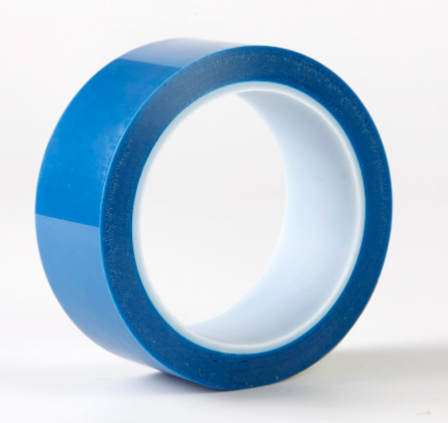
Temporary holding tape needs enough adhesion to maintain position during use while allowing removal when required.
Important considerations include:
- Application time
- Storage period
- Transportation vibration
- Required removal cleanliness
A tape designed for short-term assembly may perform differently after extended application or higher temperature exposure.
Temperature and Environmental Conditions
Manufacturing environments may involve temperature changes, humidity, or chemical exposure.
Before purchasing in large quantities, companies should evaluate:
- Application temperature
- Storage conditions
- Aging performance
- Residue after removal
Testing samples under actual production conditions helps reduce unexpected issues during assembly.
PET Holding Tape Compared with Other Tape Solutions
Different tape constructions are designed for different manufacturing requirements.
| Comparison Factor | PET Holding Tape | Foam Holding Tape | Masking Tape |
|---|---|---|---|
| Carrier material | PET film | Foam carrier | Paper backing |
| Dimensional stability | High | Moderate | Lower |
| Conformability | Moderate | High | Moderate |
| Precision positioning | Suitable | Depends on application | Limited |
| Typical applications | Electronics, components, industrial holding | Uneven surfaces and cushioning | Painting and surface protection |
PET holding tape is often selected when manufacturers need a thin and stable tape structure for temporary fixing applications.
For applications requiring additional cushioning, gap filling, or stronger bonding characteristics, buyers may also evaluate industrial double-sided tape solutions.
PET Holding Tape Converting and Custom Solutions
For industrial buyers, tape performance is only one part of the selection process. Converting capability can also influence production efficiency and application accuracy.
Customized PET holding tape solutions may include:
- Different roll widths
- Die-cut shapes
- Customized packaging
- Specific adhesive requirements
A supplier with coating and converting capabilities can help match tape construction with production requirements.
F6 provides adhesive tape solutions for different industrial applications. Buyers can review the available holding tape product family to identify suitable products for testing.
How to Evaluate a PET Holding Tape Supplier
Choosing the right supplier involves more than comparing product prices. Procurement teams should evaluate product capability, technical support, and supply reliability.
Product Range
A suitable supplier should provide different tape constructions for various application requirements rather than only offering one standard product.
Buyers can explore the PET holding tape product category to review available solutions and determine suitable options.
Manufacturing Capability
Production capacity, coating technology, testing equipment, and converting capability can influence product consistency and supply stability.
F6 introduces its manufacturing experience, production facilities, and technical capabilities on the About Us page.
Sample Testing Support
Before bulk purchasing, buyers should request samples and evaluate performance under actual working conditions.
Recommended evaluation items include:
- Adhesion performance
- Removal behavior
- Residue inspection
- Temperature resistance
- Production line compatibility
Testing and Qualification of PET Holding Tape
Tape qualification should be based on the final application environment.
Common evaluation methods include:
- Peel adhesion testing
- Shear holding testing
- Aging evaluation
- Residue inspection
Industry references such as ASTM D3330 Standard Test Method for Peel Adhesion of Pressure-Sensitive Tape anASTM D3654 Standard Test Method for Shear Adhesion of Pressure-Sensitive Tapes can provide guidance during tape evaluation.
Specific acceptance requirements should be determined according to the application and production conditions.
Where to Find PET Holding Tape Products
F6 provides PET holding tape solutions for temporary fixing, component positioning, and industrial assembly applications.
Manufacturers and distributors can review the PET holding tape product category to compare available products and request samples.
For more adhesive tape solutions, visit the F6 products page to explore additional tape categories.
Conclusion
PET holding tape plays an important role in temporary fixing, component positioning, and protection during manufacturing processes.
The correct tape selection depends on multiple factors, including substrate type, application time, environmental conditions, and removal requirements.
For procurement teams, testing samples under real production conditions is an effective way to confirm whether a PET holding tape solution matches specific application needs.
FAQ
What is PET holding tape used for?
PET holding tape is mainly used for temporary fixing, component positioning, and surface protection during manufacturing, assembly, and transportation processes.
Can PET holding tape be removed without residue?
Removal performance depends on adhesive formulation, application time, temperature, and substrate conditions. Testing on the actual surface is recommended before production use.
Is PET holding tape suitable for electronics assembly?
Yes. PET holding tape is commonly considered for electronics applications where dimensional stability and controlled temporary holding performance are required.
How do I choose a PET holding tape supplier?
Buyers should evaluate product range, manufacturing capability, sample testing support, and whether the supplier can provide suitable tape solutions for their application requirements.