
 Canada
 USA
USA Japan
Japan


Best High Temperature Adhesive Tape Guide

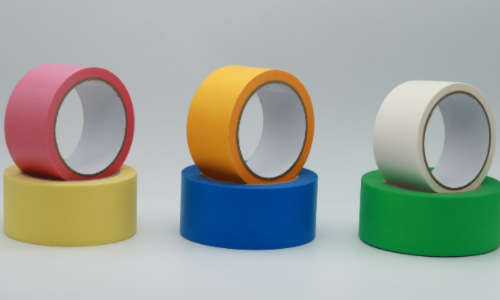
Industrial environments often subject components to extreme thermal stress. Standard adhesives fail when temperatures rise, leading to bond failure and safety risks. Choosing the high temperature adhesive tape requires an understanding of material science and thermal limits. These specialized tapes maintain their structural integrity even in harsh conditions. They provide reliable bonding for automotive, electronic, and aerospace applications.
Thermal stability is the primary requirement for any heat-resistant bonding solution. Engineers must look beyond simple adhesion to consider long-term performance. A high-quality high temperature adhesive tape prevents shifting or peeling during operation. It also offers resistance to chemicals and UV radiation. Finding the right balance between heat resistance and cost is essential for manufacturing success.
Understanding High Temperature Adhesive Tape Performance
The performance of any high temperature adhesive tape depends on its chemical composition. Most industrial heat-resistant tapes use either silicone or modified acrylic adhesives. Silicone adhesives can typically withstand temperatures up to 260°C (500°F). They remain flexible and functional in both extreme heat and intense cold. This makes them ideal for heavy-duty industrial shielding and masking.
Modified acrylic adhesives are a common alternative for lower thermal ranges. They often support continuous temperatures around 80°C to 100°C. However, high-performance acrylics can handle short-term spikes up to 150°C. These adhesives offer excellent initial tack and high peel strength on various substrates. They are particularly effective for bonding plastics and foams in automotive interiors.
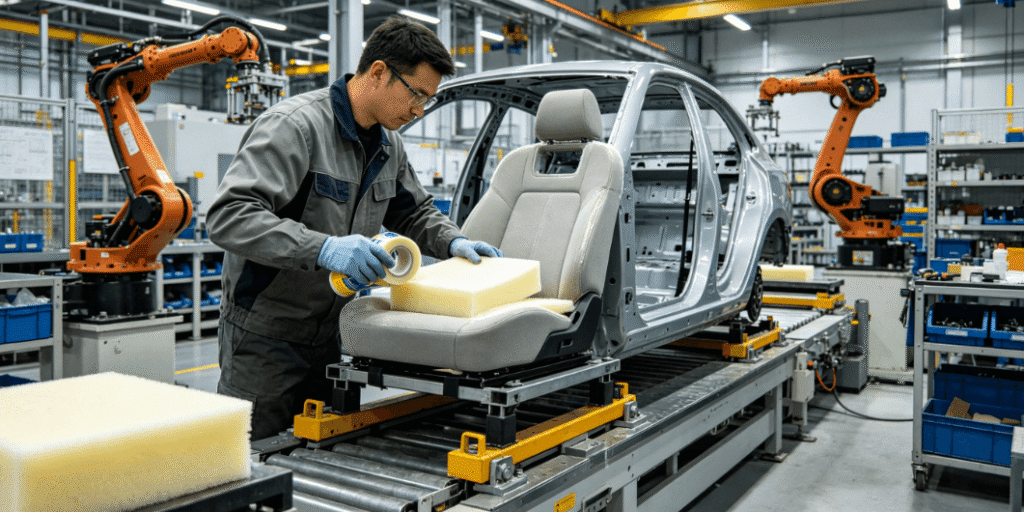
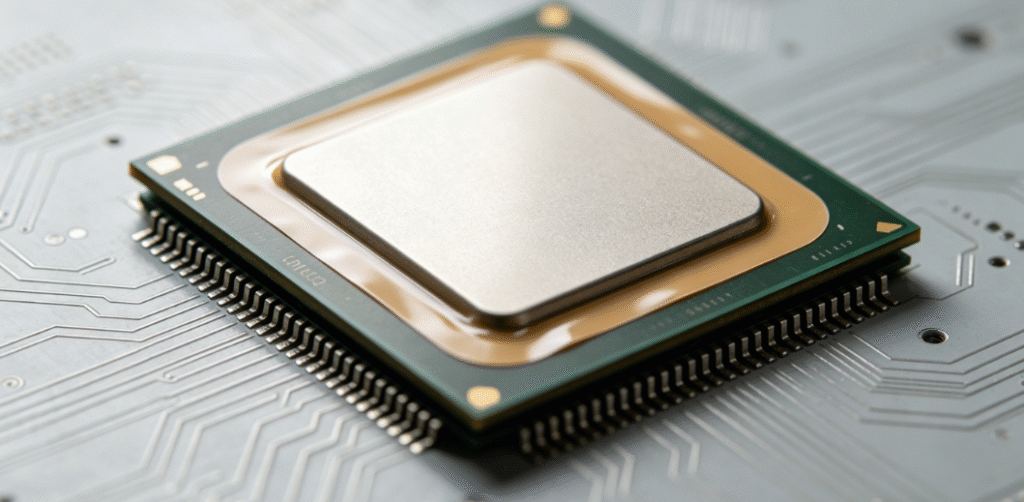
Thermal conductivity and insulation are also critical performance factors. Some tapes are designed to dissipate heat away from sensitive electronic parts. Others act as thermal barriers to protect surrounding components from damage. You must evaluate the specific thermal environment before selecting a tape. Understanding the difference between short-term peaks and long-term exposure is vital.
| Material Type | Long-Term Temp Limit | Short-Term Peak Limit | Common Use |
| Polyimide (Kapton) | 260°C (500°F) | 400°C (752°F) | Circuit Board Masking |
| PTFE (Teflon) | 200°C (392°F) | 260°C (500°F) | Heat Sealing |
| Heat Resistant Tissue | 80°C (176°F) | 150°C (302°F) | Nameplates & Foams |
| Aluminum Foil | 150°C (302°F) | 300°C (572°F) | HVAC & Shielding |
Key Materials for Heat Resistant Bonding
Polyimide is perhaps the most well-known material for extreme heat. It is often referred to by the brand name Kapton. This material maintains its physical properties across a massive temperature range. It is frequently used in the electronics industry for gold finger masking. The film does not soften at high temperatures, ensuring a clean removal.
PTFE tapes offer a combination of heat resistance and low friction. These are commonly used in packaging machinery and heat-sealing equipment. The non-stick surface prevents molten plastic from adhering to the heating elements. PTFE tapes usually handle continuous exposure up to 200°C. They also provide exceptional chemical resistance in corrosive environments.
Tissue-based double-sided tapes represent a versatile category for manufacturing. These tapes use a thin tissue carrier coated with high-performance adhesive. They are prized for their conformability and ease of hand-tearing. While not as heat-resistant as polyimide, they are more cost-effective. They provide strong permanent bonding for nameplates and membrane switches.
How to Select the Right Industrial Tape
Selecting the correct high temperature adhesive tape involves several technical steps. First, you must identify the maximum temperature the tape will encounter. It is important to distinguish between “operating temperature” and “peak temperature.” A tape rated for 150°C peak might fail if exposed for hours. Always check the manufacturer’s technical data sheet for duration limits.
Second, analyze the surface energy of the bonding substrates. Low surface energy (LSE) plastics like polypropylene require specific adhesive formulations. Modified acrylics are often engineered to bond well with these difficult surfaces. High surface energy (HSE) materials like metals are generally easier to bond. Ensure the adhesive chemistry is compatible with your specific material.
Third, consider the environmental factors beyond just heat. Will the tape be exposed to oils, solvents, or moisture? High-performance adhesives must resist degradation from these external elements. For example, automotive tapes must withstand vibration and temperature cycling. A bond that is strong at room temperature may weaken significantly at 80°C. Always perform a sample test in a simulated environment.
Technical Standards for Thermal Resistance
Industry standards ensure that high temperature adhesive tape meets safety requirements. Organizations like ASTM International provide standardized testing methods for adhesive strength. ASTM D3330 measures the peel adhesion of pressure-sensitive tapes. This test helps determine how well a tape stays stuck under tension. Consistency in these metrics is crucial for high-stakes industrial projects.
The Pressure Sensitive Tape Council (PSTC) also sets rigorous guidelines. These standards help manufacturers compare the shear strength of different products. Shear strength indicates a tape’s ability to resist sliding forces. At high temperatures, adhesives can become “soft” or “leggy,” reducing shear resistance. Tapes with high thermal shear strength are necessary for vertical mounting.
Flame retardancy is another critical technical specification for many sectors. Tapes used in aerospace or public transport must often meet UL 94 standards. These tests evaluate how quickly a material stops burning after ignition. Using a certified flame-retardant tape enhances the overall safety of the final product. Always verify that your supplier provides the necessary certifications.
Selecting Heat Resistant Tissue Tape for Industrial Use
Choosing a tissue-based high temperature adhesive tape depends on specific mechanical needs. These tapes are ideal when you need a thin, conformable bond. A high-quality tissue tape should feature a modified acrylic adhesive. This chemistry allows for reliable performance at short-term temperatures of 150°C. It provides a strong initial grip on irregular surfaces.
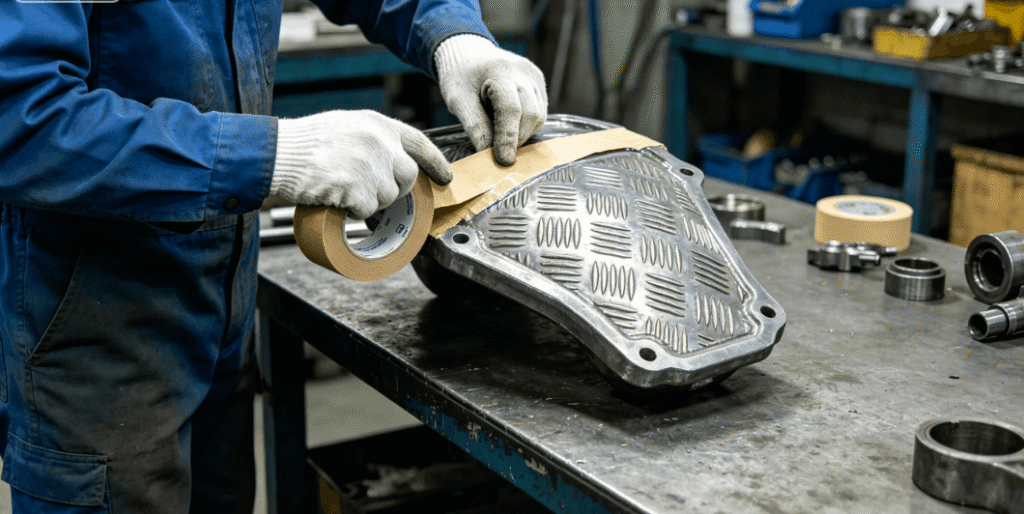
You should evaluate the tape’s tensile strength and dimensional stability. A strong tissue carrier prevents the tape from stretching during application. This is vital for precision bonding in membrane switches or automotive parts. The ability to tear the tape by hand also improves assembly speed. For projects requiring permanent bonding of foams or nameplates, this tape is a superior choice.
The F502 Heat Resistant Tissue Double Sided Tape exemplifies these industrial requirements. It balances high adhesion with the ability to withstand 80°C long-term. Its modified acrylic adhesive is designed for durability and aging resistance. This type of tape ensures that plastic components stay bonded even under thermal expansion. It serves as a reliable solution for various general industrial assembly tasks.
Summary
The best high temperature adhesive tape depends on your specific thermal and material requirements. For extreme heat, polyimide or silicone tapes are preferred. For general industrial bonding with moderate heat, tissue-based tapes offer excellent efficiency. Always verify temperature limits and surface compatibility to ensure a permanent, safe, and reliable bond.
FAQ
What is the highest temperature tape can withstand?
The highest temperature for common industrial tapes is approximately 260°C (500°F) for silicone or polyimide materials. Some specialized ceramic or metal-based tapes may exceed these limits for short durations.
Can double-sided tape be heat resistant?
Yes, double-sided tapes can be heat resistant if they use modified acrylic or silicone adhesives. These tapes are engineered to maintain bond strength even when the substrate expands due to thermal stress.
What is the difference between long-term and short-term heat resistance?
Long-term resistance refers to the temperature a tape can withstand for days or weeks. Short-term resistance refers to peak temperatures the tape can survive for minutes or hours without failing.
Is tissue tape better than polyimide for bonding?
Tissue tape is better for conformability and cost-effectiveness in lower temperature ranges up to 150°C. Polyimide is superior for extreme heat applications and electrical insulation where tissue would fail.
How do I prepare a surface for high temperature tape?
Surfaces should be clean, dry, and free of oils or dust. Use an isopropyl alcohol wipe to ensure maximum contact between the adhesive and the substrate for a secure bond.
Reference Sources
1.ASTM International: Standard Test Method for Peel Adhesion of Pressure-Sensitive Tape
https://www.astm.org/
2.Pressure Sensitive Tape Council: PSTC Test Methods and Standards
https://pstc.org/
3.ISO – International Organization for Standardization: Adhesive Standards
https://www.iso.org/