
 Canada
 USA
USA Japan
Japan


Solvent Based Adhesive Advantages: OEM Technical Guide

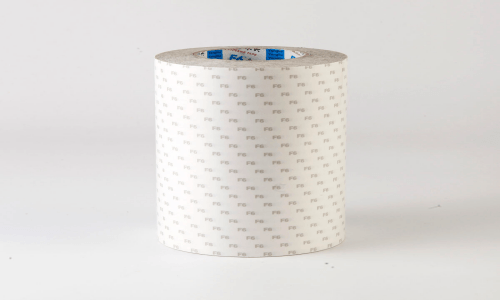
In the precision-driven world of industrial bonding, the choice of adhesive chemistry dictates the ultimate lifespan and reliability of a product. For engineers and OEM project managers, solvent-based adhesive tapes—specifically solvent acrylic formulations—represent the gold standard for high-performance applications.
Unlike water-based or hot-melt alternatives, solvent-based systems rely on the dissolution of polymers in an organic solvent. As the solvent evaporates during the coating process, it leaves behind a highly cross-linked, robust adhesive film. This technical transition creates a bond that is fundamentally different in its molecular structure and environmental resilience.
Why Engineers Specify Solvent-Based Adhesives
The primary driver behind selecting a solvent-based tape is its “weathering” profile. In manufacturing environments where components face fluctuating temperatures, chemical exposure, or mechanical stress, solvent acrylics maintain their integrity long after other adhesives have degraded.
From a manufacturing perspective, these adhesives offer a unique balance of high initial tack and long-term shear strength. This is particularly vital in the assembly of electronic components and automotive interiors, where the bond must resist “lifting” on curved surfaces or under constant tension.
Key Solvent Based Adhesive Advantages
1. Extreme Temperature and Environmental Resilience
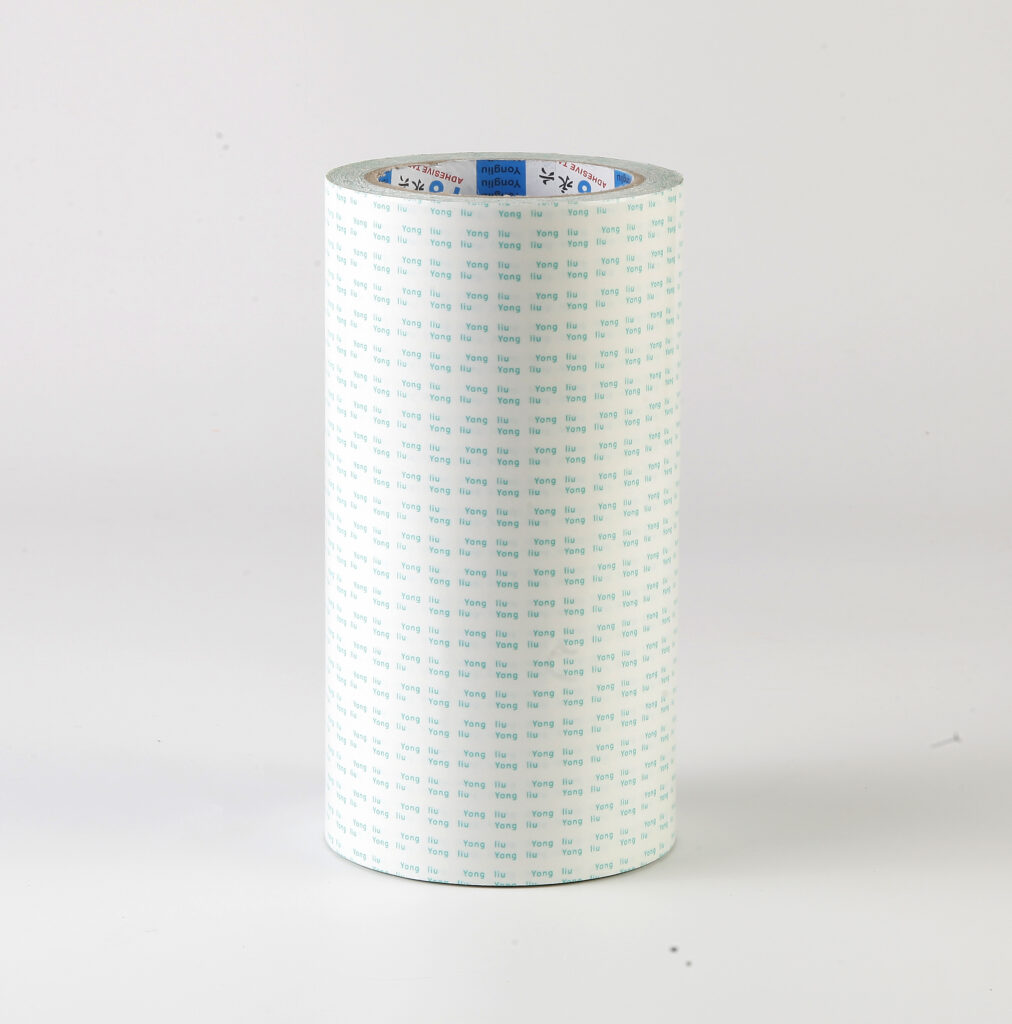
One of the most significant solvent based adhesive advantages is the ability to withstand thermal cycling. Standard adhesives often soften or lose cohesion at high temperatures, but specialized solvent acrylics, such as the F502 Heat Resistant Tissue Tape, are engineered to maintain performance at temperatures exceeding 150°C. This makes them indispensable for under-the-hood automotive applications and heat-dissipating electronic assemblies.
2. Superior Chemical and Plasticizer Resistance
In industrial settings, tapes are frequently exposed to oils, fuels, and cleaning agents. Solvent-based systems are naturally more resistant to these contaminants. Furthermore, they excel in bonding to flexible plastics that may migrate plasticizers over time—a common cause of failure for water-based adhesives which can become “mushy” when in contact with PVC or certain foams.
3. High Initial Tack on Low Surface Energy (LSE) Substrates
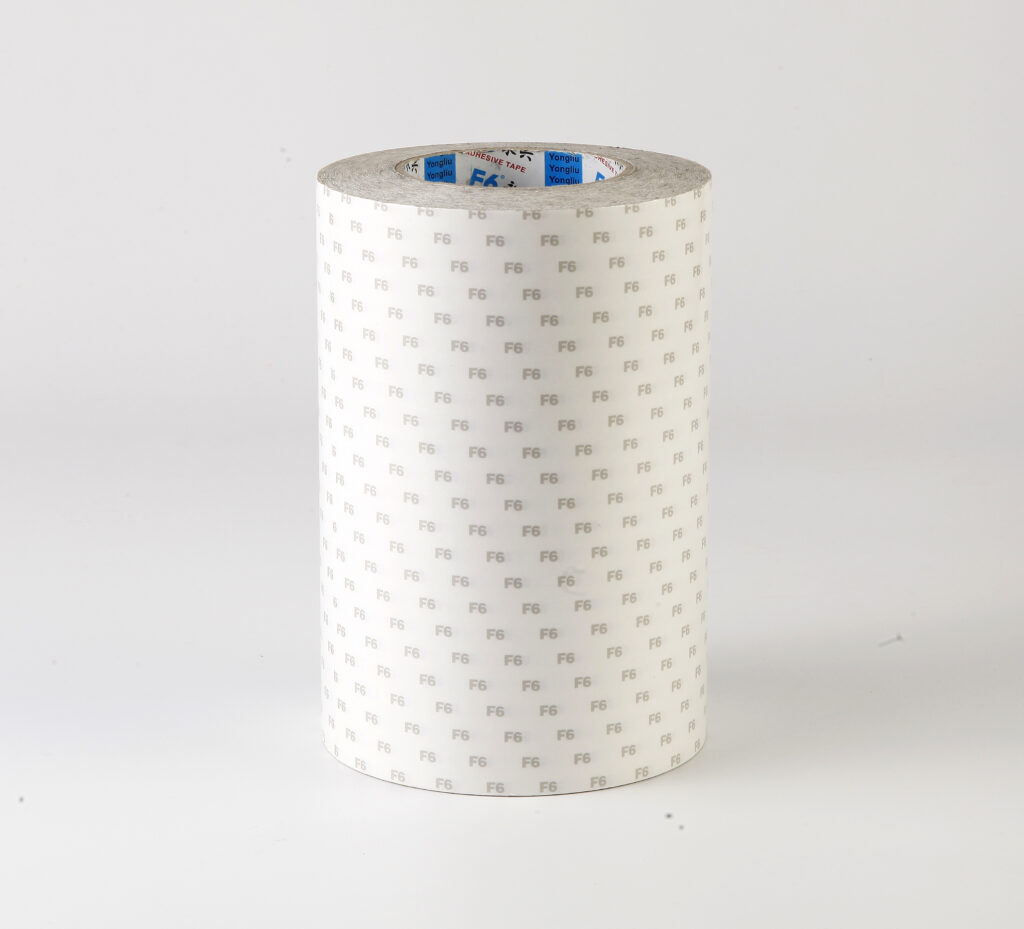
Achieving a permanent bond on materials like PP, PE, or powder-coated metals is notoriously difficult. Solvent-based formulations can be “tuned” for ultra-high viscosity. Products like the F5015 Ultra Viscosity Tissue Tape leverage this chemistry to provide immediate grab on “hard-to-bond” surfaces, reducing the need for mechanical fasteners or extensive surface priming.
Addressing the Disadvantages: The Evolution of Low-VOC Systems
Historically, the primary disadvantage of solvent-based adhesives was their environmental footprint and the presence of Volatile Organic Compounds (VOCs). Traditional solvent tapes could emit a “chemical smell” or outgas, which is unacceptable in enclosed spaces like vehicle cabins or cleanroom electronics.
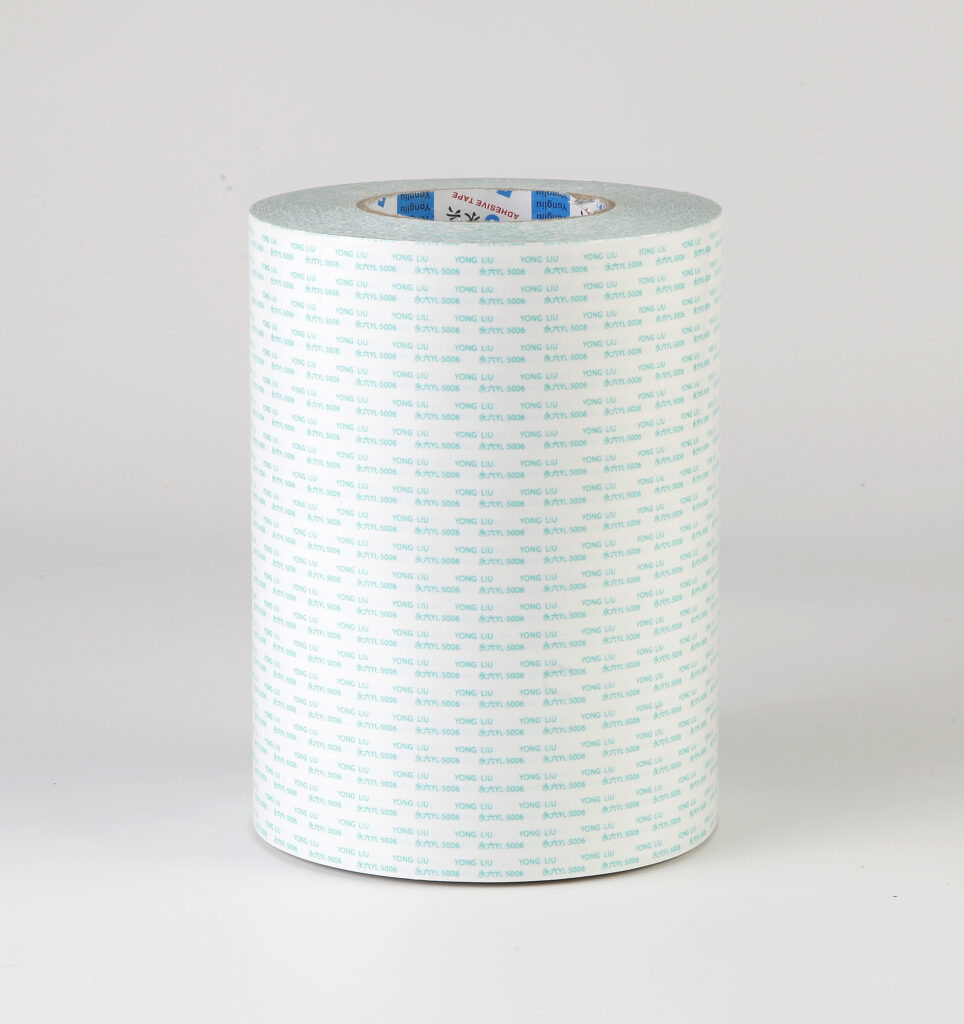
However, modern adhesive engineering has mitigated these drawbacks. Specialized formulations, such as F506 Low VOC/Low Odor Tissue Tape, provide the high-strength benefits of solvent acrylics while meeting stringent indoor air quality and automotive emissions standards. By utilizing advanced drying and filtration processes during manufacturing, the residual solvent content is reduced to negligible levels.
Solvent vs. Water-Based vs. Hot Melt: Technical Comparison
| Performance Metric | Solvent-Based Acrylic | Water-Based (Emulsion) | Hot Melt (Synthetic Rubber) |
| Temperature Range | Excellent (-40°C to +150°C+) | Moderate (0°C to +70°C) | Poor (Softens at 60°C+) |
| UV/Aging Resistance | Superior (Years) | Moderate | Poor (Yellows/Brittle) |
| Chemical Resistance | High | Low | Very Low |
| Initial Tack | High | Medium | Very High |
| Cost | Premium | Economical | Lowest |
Application Logic: Matching Tape to Substrate
When selecting a solvent-based tape, the carrier (or backing) is as important as the adhesive itself. Tissue-backed solvent tapes are particularly valued in OEM projects for their:
- Conformability: They easily follow the contours of die-cut parts.
- Hand-Tearability: Increasing efficiency on manual assembly lines.
- Dimensional Stability: Preventing the “stretching” of thin plastic parts during application.
For example, when bonding decorative nameplates to electronic housings, the high-viscosity nature of a solvent acrylic ensures that the edges do not lift, even if the housing surface has slight textures or imperfections.
Commercial Guidance for Procurement and OEM Managers
For high-volume manufacturing, the “cost per roll” is a misleading metric. Instead, procurement teams should evaluate the Total Cost of Failure.
- Reduced Rework: While solvent tapes carry a higher initial price point than hot melt, they drastically reduce field failures caused by adhesive delamination in extreme climates.
- Process Compatibility: High-quality solvent tapes are designed for high-speed die-cutting. Low-quality adhesives may “bleed” or gum up tooling, leading to significant downtime.
- Compliance Support: Ensure your supplier provides documentation for RoHS, REACH, and specific VOC requirements if the product is destined for the automotive or medical sectors.
FAQ
Q: Are solvent-based adhesives waterproof?
A: Yes, once fully cured and bonded, solvent acrylic adhesives offer excellent resistance to moisture, humidity, and even intermittent water immersion, making them suitable for outdoor applications.
Q: How long does it take for a solvent-based tape to reach maximum bond strength?
A: While they offer high initial tack, solvent acrylics typically require 24 to 72 hours to reach their ultimate bond strength through a process called “wet-out,” where the adhesive flows into the microscopic valleys of the substrate.
Q: Can solvent-based tapes be used in the automotive industry?
A: Absolutely. They are the preferred choice for automotive interiors and engine bay components due to their heat resistance. However, for interior parts, it is critical to specify a Low VOC version like F506 to meet air quality standards.
Q: What is the shelf life of solvent-based adhesive tapes?
A: Most industrial-grade solvent acrylic tapes have a shelf life of 12 to 24 months when stored in a cool, dry environment (typically 21°C and 50% relative humidity) away from direct sunlight.
Reference Source
- ASTM D3330: Standard Test Method for Peel Adhesion of Pressure-Sensitive Tape.
https://store.astm.org/d3330_d3330m-04r18.html - ISO 18916: Imaging materials — Processed imaging materials — Photographic activity test for enclosure materials.
https://www.iso.org/standard/81416.html - PSTC (Pressure Sensitive Tape Council): Technical standards for adhesive properties and testing.
https://pstc.org/ - AFERA (The European Adhesive Tape Association): Classification of solvent-based systems in manufacturing.
https://afera.com/