
 Canada
 USA
USA Japan
Japan


Automotive Acrylic Foam Tape for OEM High Bond Applications

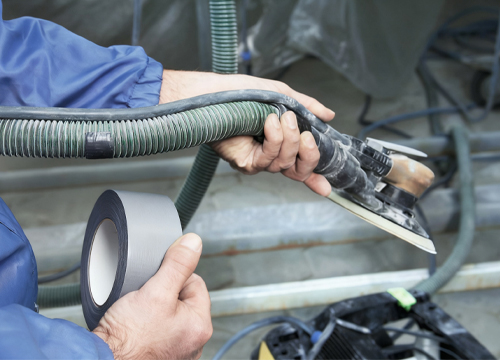
The automotive and transportation industries are currently undergoing a structural transition toward lightweighting and electrification. In this high-stakes engineering environment, traditional mechanical fasteners like rivets, screws, and welds are increasingly being replaced by high-performance acrylic foam tape automotive solutions. These specialized pressure-sensitive adhesives (PSAs) provide a permanent, structural bond that survives the extreme vibrational and thermal stressors of a vehicle’s lifespan.
For OEM project managers and manufacturing consultants, the move toward acrylic foam technology is driven by the need for superior aesthetics and improved process efficiency. Unlike mechanical joining methods that create localized stress points, acrylic foam tape distributes the load across the entire surface area. This redistribution prevents material fatigue and protects the structural integrity of thin-gauge metals and composite materials used in modern EV (Electric Vehicle) designs.
Viscoelasticity: The Science Behind Acrylic Foam Performance
What distinguishes acrylic foam tape from standard PE or EVA foam tapes is its viscoelastic core. From a polymer science perspective, “viscoelastic” means the material possesses both viscous and elastic properties. When a mechanical load is applied, the tape flows into the microscopic valleys of the substrate (viscous) and then recovers its original shape (elastic) to maintain the bond.
This mechanical behavior is critical for managing the “Coefficient of Thermal Expansion” (CTE) mismatch. In large-volume production, engineers often bond dissimilar materials, such as aluminum to polycarbonate. As temperatures fluctuate from -40°C in winter to 120°C in direct sunlight, the materials expand at different rates. The acrylic core stretches to absorb this movement, preventing the bond from shearing or cracking over years of service.
Core Applications in Modern Vehicle Assembly
Acrylic foam tape has become the industry standard for both exterior and interior attachments. Its ability to provide an instantaneous bond with high initial tack allows for rapid assembly on high-speed production lines without the need for clamping or curing ovens.
Exterior Attachment and Weather Sealing
The exterior of a vehicle is a hostile environment. Components are subjected to UV radiation, high-pressure car washes, and road chemicals.
- Body Side Moldings: Tape provides a seamless look while acting as a barrier against moisture and salt ingress.
- Spoilers and Shark Fin Antennas: High-bond strength ensures aerodynamic components remain attached at high speeds.
- Emblems and Nameplates: Precision die-cut tapes allow for flush-mounting on curved surfaces without visible hardware.
Interior Dynamics and NVH Management
In the cabin, the primary engineering goal is the reduction of Noise, Vibration, and Harshness (NVH). Traditional clips often “buzz” or rattle over time.
- Instrument Panel Mounting: Tape acts as a damping gasket between plastic components.
- Touchscreen and Sensor Integration: Provides high dimensional stability for delicate electronics.
- Headliner and Pillar Trim: Reduces the weight of the interior assembly while maintaining a silent cabin environment.
Comparison: Acrylic Foam vs. PE Foam vs. Mechanical Fasteners
For procurement consultants evaluating a comprehensive automotive solution, the following table outlines the technical trade-offs between joining technologies.
| Feature | Mechanical Fasteners | PE Foam Tape | Acrylic Foam Tape |
| Bond Type | Point-load | Surface contact | Viscoelastic structural |
| CTE Compensation | Poor (Rigid) | Moderate | Excellent |
| Vibration Damping | Zero | Good | High (Dissipates energy) |
| Corrosion Risk | High (Drilled holes) | Low | Zero (Protects surface) |
| Aesthetics | Visible heads/rivets | Thick bond line | Invisible, thin profile |
| B2B ROI | High labor cost | Low material cost | Lower total system cost |
Engineering Constraints and Manufacturing Logic
While acrylic foam tape automotive applications offer massive benefits, successful implementation requires a rigorous audit of the manufacturing workflow. Engineering teams must account for substrate surface energy and ambient conditions.
Substrate Surface Energy (LSE vs. HSE)
Metals are generally High Surface Energy (HSE) and easy to bond. However, modern vehicles use Low Surface Energy (LSE) plastics like Polypropylene (PP) or EPDM rubber. In these cases, a specialized modified acrylic adhesive or a chemical primer is required to ensure the tape “wets out” the surface properly. Failure to account for surface energy is the leading cause of bond failure in Tier-1 supply chains.
Dwell Time and Peak Performance
Project managers must understand that PSAs are time-dependent. While the tape achieves high “handling strength” immediately, the ultimate bond strength usually develops over 24 to 72 hours. This “dwell time” allows the adhesive to flow into the surface morphology. In large-volume production, parts can typically be moved immediately, but structural testing should be delayed until full wet-out is achieved.
Surface Preparation Protocols
Consistency is the hallmark of professional manufacturing. Contaminants like mold release agents, oils, or dust can reduce the effective bonding area by 50% or more. A standardized cleaning protocol—typically utilizing a 50/50 Isopropyl Alcohol (IPA) and water mix—is non-negotiable for ensuring trustworthiness in the finished assembly.
Strategic Procurement and ROI for B2B Buyers
From a B2B standpoint, the “cost per roll” is a misleading metric. Procurement specialists should focus on the “total installed cost.” When you factor in the elimination of drilling equipment, the reduction in specialized labor, and the removal of secondary sealing steps, acrylic foam tape often yields a 20-30% reduction in total assembly costs.
For facilities specializing in automotive and transport fabrication, sourcing from a manufacturer capable of providing custom slitting and die-cutting is essential. Custom shapes reduce material waste and allow for seamless integration into robotic application arms, which are increasingly common in Industry 4.0 environments.
Automotive environments typically require materials that meet specific smoke and flame retardancy standards (like FMVSS 302). It is vital to verify that your supplier provides a complete Technical Data Sheet (TDS) and certifications that align with your regional safety regulations.
FAQ
What is the difference between acrylic foam tape and PE foam tape for cars?
Acrylic foam is 100% solid adhesive, making it structural and resistant to high heat and UV. PE foam has a separate adhesive layer on a foam carrier and is better suited for light-duty gap filling and temporary gaskets rather than permanent exterior bonding.
How does cold temperature affect the application of automotive tape?
Standard acrylic adhesives can become “firm” in cold weather, reducing initial tack. For winter production, it is recommended to apply tape at temperatures above 15°C (60°F) or use a “cold-weather” grade acrylic designed to maintain tackiness in sub-zero environments.
Can acrylic foam tape replace structural welding?
In many “secondary” structural applications (like roof skins or stiffener bars), yes. However, for the primary safety cage of the vehicle, tape is usually used in conjunction with structural liquid adhesives or spot welds to provide a “fix-and-seal” solution.
What is “wet-out” in adhesive bonding?
Wet-out refers to the process of the adhesive flowing into the microscopic irregularities of the substrate. Maximum wet-out leads to maximum contact area, which determines the ultimate peel and shear strength of the acrylic foam tape automotive bond.
How long does the bond last in outdoor environments?
High-quality acrylic foam tapes are designed to last the life of the vehicle. They are highly resistant to “creep” (slippage) and do not turn brittle after decades of exposure to UV radiation and thermal cycling.
Reference Sources
- ASTM D3330: Standard Test Method for Peel Adhesion of Pressure-Sensitive Tape.
- ISO 9001:2015: Quality management systems — Requirements for industrial tape manufacturing.
- SAE International (Society of Automotive Engineers): Technical papers on adhesive bonding for lightweight vehicle structures.
- PSTC (Pressure Sensitive Tape Council): Industry standards for tape selection and performance testing.
- SGS/UL Testing Reports: Performance validation for automotive chemical consumables.
Summary
Select acrylic foam tape for automotive based on viscoelastic requirements and substrate energy. This technology replaces mechanical fasteners to reduce vehicle weight, improve NVH, and ensure long-term durability in high-volume production.