
 Canada
 USA
USA Japan
Japan


Reliable Adhesive Tape Supplier: 7 Vetting Criteria for B2B

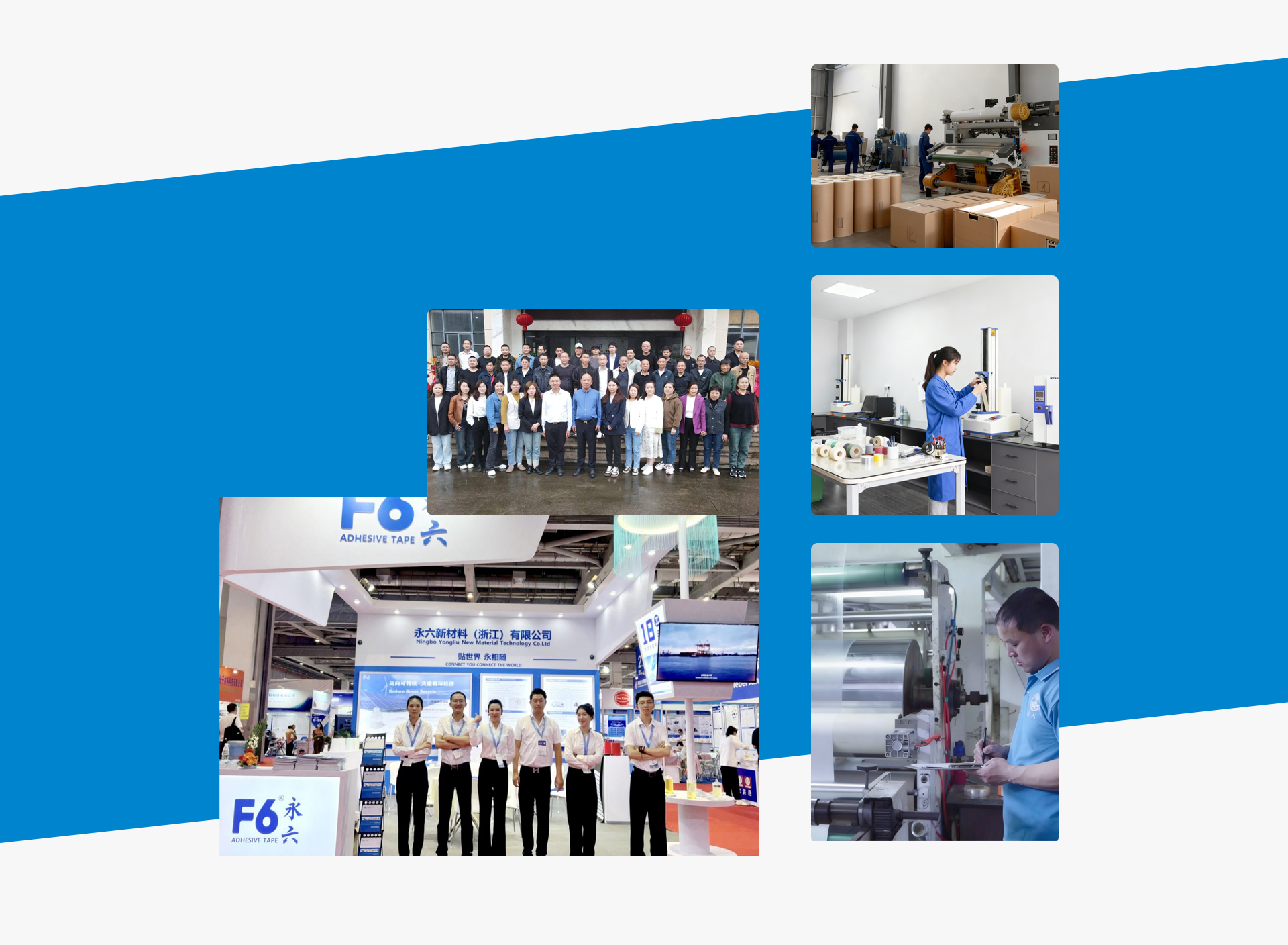
In high-volume industrial manufacturing, adhesive failure is not merely a technical glitch; it is a significant commercial liability that can lead to product recalls and production line stoppages. For procurement managers and OEM project managers, the search for a reliable adhesive tape supplier must move beyond comparing prices per roll. True reliability is found at the intersection of chemical expertise, manufacturing precision, and supply chain transparency.
A strategic supplier acts as a technical consultant, ensuring that the selected carrier and adhesive chemistry are perfectly matched to the substrate’s surface energy and environmental stressors. This guide outlines the critical engineering and operational benchmarks required to audit and select a Tier-1 adhesive partner.
Technical R&D and Substrate Expertise
The primary cause of bond failure is a mismatch between the tape and the substrate. A reliable adhesive tape supplier should possess deep expertise in surface energetics. They must distinguish between High Surface Energy (HSE) materials like stainless steel and Low Surface Energy (LSE) plastics like polypropylene.
When vetting a supplier, evaluate their ability to provide:
- Custom Adhesive Formulation: Can they adjust the tack, shear, and peel strength for specific automotive or electronic environments?
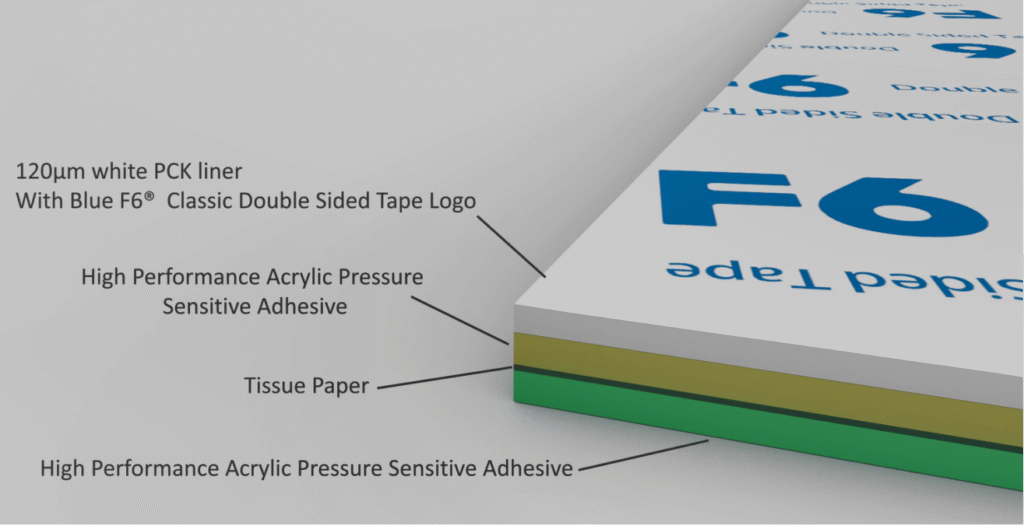
- Carrier Selection: Do they offer a variety of carriers including PET, PE Foam, Tissue, and high-bond Acrylic Foam for different mechanical loads?
- Dyne Level Testing: Can they assist in auditing your surface preparation protocols to ensure 100% “wet-out” of the adhesive?

Converting and Customization Capabilities
Industrial workflows rarely accommodate standard “off-the-shelf” roll widths. A reliable partner must have in-house converting capabilities to align the product with your automated assembly lines.
| Capability | B2B Value | Impact on Manufacturing |
| Precision Slitting | Custom widths (±0.1mm tolerance) | Reduces material waste; fits automated dispensers. |
| Die-Cutting | Custom shapes and gaskets | Faster assembly; eliminates manual trimming. |
| Spooling | Ultra-long lengths (traverse winding) | Reduces downtime by minimizing roll changes. |
| Liner Options | Finger-lift or extended liners | Improves manual application speed. |
Suppliers like F6Tape demonstrate this versatility by offering a comprehensive range of industrial tapes—from thin PET double-sided tapes for electronics to high-density foam tapes for vibration damping—all of which can be customized to specific dimensional requirements.
Quality Management and Global Compliance
For industries such as automotive, medical, and aerospace, compliance is non-negotiable. A reliable adhesive tape supplier must operate under a rigorous Quality Management System (QMS).
Key certifications and standards to audit include:
- ISO 9001:2015: Ensures consistent manufacturing processes and batch-to-batch repeatability.
- RoHS & REACH: Critical for ensuring the absence of hazardous substances in global supply chains.
- UL Certification: Required for electrical insulation and flame-retardancy applications.
- IATF 16949: Essential if you are a Tier-1 or Tier-2 automotive supplier.
Requesting a Certificate of Analysis (COA) for every shipment should be a standard part of your procurement workflow to ensure the material matches the validated Technical Data Sheet (TDS).
Scalability and Supply Chain Resilience
Sampling delays and fluctuating lead times are the primary drivers of “hidden costs” in B2B procurement. A reliable supplier must demonstrate the capacity to scale from low-volume prototyping to full-container-load production without compromising quality.
Inquire about their Logistics and Inventory Buffers. Can the supplier hold safety stock for your high-running SKUs? A partner with a global logistics footprint can mitigate the risks of raw material shortages, ensuring your “Just-in-Time” (JIT) production lines never face an “out-of-stock” scenario.
The Validation and Sampling Protocol
In large-volume production, “trial and error” is an expensive strategy. A professional adhesive tape supplier provides a structured sampling protocol. This typically involves:
- Technical Audit: Reviewing your substrate materials and environmental conditions (temperature, UV, chemical exposure).
- Sample Provision: Providing A4 sheets or short-length rolls for initial lab testing.
- On-site Trials: Validating the tape’s performance on your actual production machinery.
- Accelerated Aging Reports: Providing data on how the bond will perform over 5 or 10 years of environmental stress.
Commercial Depth and ROI Analysis
The “cheapest” tape often becomes the most expensive when labor costs for rework or warranty claims are factored in. A reliable supplier focuses on the Total Cost of Ownership (TCO).
For example, a high-performance acrylic foam tape might have a higher unit price than a mechanical fastener, but it eliminates the need for drilling, prevents corrosion, and reduces assembly time. A strategic partner will help you build the business case for the most efficient joining method, even if it means using less total volume of material.
FAQ
What is the typical MOQ for custom-width adhesive tape?
MOQs vary significantly based on the carrier type. For standard PET or tissue tapes, MOQs might be as low as one jumbo roll slit to your width. For specialized coatings, MOQs are generally higher to account for the chemical setup of the coating line.
How do I verify the shelf life of industrial tapes?
Most industrial tapes have a shelf life of 12–24 months when stored at 21°C (70°F) and 50% relative humidity. A reliable supplier will clearly mark the manufacture date and expiration date on every carton.
Can the supplier provide die-cut samples for prototyping?
Yes, high-tier suppliers often have “rapid prototyping” capabilities where they can use laser-cutting or flatbed plotting to provide die-cut samples without the need for expensive hard tooling during the R&D phase.
What documentation should I expect with my order?
At a minimum, you should receive a Packing List, Commercial Invoice, and a Certificate of Analysis (COA). For specialized sectors, you may also require an MSDS (Material Safety Data Sheet) or environmental compliance statements (RoHS/REACH).
Why do lead times vary between suppliers?
Lead times are usually dictated by the supplier’s inventory of “jumbo rolls.” Suppliers who coat their own adhesives or maintain large stocks of master rolls (like those seen in the F6Tape product catalog) can typically offer lead times of 1–2 weeks, whereas brokers may take 4–6 weeks.
Reference Sources
- ISO (International Organization for Standardization): Quality management standards (ISO 9001). iso.org
- ASTM International: Standards for testing peel adhesion (ASTM D3330) and shear strength. astm.org
- PSTC (Pressure Sensitive Tape Council): Industry-wide technical resources and selection guides. pstc.org
- RoHS Directive: EU regulations on hazardous substances in electronics.
- ECHA (European Chemicals Agency): Guidance on REACH compliance for chemical substances. echa.europa.eu
Summary:
Select a reliable adhesive tape supplier based on technical substrate expertise, custom converting capabilities (slitting/die-cutting), and verifiable ISO/RoHS compliance to ensure industrial bond integrity and maximum ROI.