
 Canada
 USA
USA Japan
Japan


High-Bond Acrylic Foam Tape for Signage: The Fabricator’s Guide

In the modern visual communication industry, the transition from traditional mechanical fasteners—such as rivets, screws, and welds—to advanced bonding solutions is nearly complete. For sign fabricators and architectural engineers, the adoption of acrylic foam tape for signage has moved from a novelty to a structural necessity.
Signage environments are inherently hostile. Whether it is a channel letter set mounted on a sun-drenched facade or wayfinding panels in a high-vibration transit hub, the bond must withstand dynamic loads while maintaining a “clean” aesthetic. Acrylic foam tape (AFT) provides a unique combination of high-strength adhesion and viscoelastic properties that liquid glues or mechanical fixings simply cannot replicate.
The Science of Viscoelasticity in Signage Applications
The primary reason acrylic foam tape is the “gold standard” for the signage industry is its viscoelastic nature. Viscoelasticity allows the tape to behave both like a liquid (viscous) and a solid (elastic).
When a sign is subjected to high wind loads or physical impact, the acrylic foam core absorbs the energy and redistributes the stress across the entire bonded surface. Unlike a rivet, which creates a concentrated stress point where cracks can initiate, AFT ensures the load is spread evenly.
In outdoor applications, materials like aluminum, acrylic (PMMA), and Dibond expand and contract at different rates due to temperature fluctuations—a phenomenon known as the Coefficient of Thermal Expansion (CTE) mismatch. High-quality acrylic foam tapes can stretch up to three times their original thickness to accommodate this movement without losing bond integrity. This prevents the “bowing” or warping often seen in signs that are rigidly fastened.
Core Applications: Where Acrylic Foam Tape Excels
B2B procurement officers and shop managers must select tape grades based on specific substrate challenges. The versatility of AFT allows it to bridge the gap between disparate materials.
1. Mounting Channel Letters
Fabricators often use AFT to mount metal or plastic channel letters to raceways or directly to building exteriors. The tape provides an instant “green strength” (immediate bond), allowing the sign to be handled or shipped shortly after assembly. It also acts as a permanent weather seal, preventing moisture from entering the letter’s electrical housing.
2. Architectural Cladding and Facade Panels
Large-scale architectural signs often use composite panels. Using acrylic foam tape for signage in these scenarios eliminates the need for unsightly screw heads or the heat-distortion caused by welding. This is critical for maintaining the high-gloss finish of ACM (Aluminum Composite Material) panels.
3. Interior Wayfinding and ADA Signage
For high-end office environments or hotels, aesthetics are paramount. Clear or white acrylic foam tapes allow for “invisible” bonding on glass or transparent acrylic surfaces. This creates a floating effect for signs, enhancing the architectural intent without visible hardware.
4. Road and Traffic Signage
In highway environments, vibration is a constant threat. The damping properties of the acrylic foam core prevent the vibration-induced loosening common with threaded fasteners. Furthermore, the tape’s resistance to chemicals and road salt ensures a service life often exceeding 10 years.

Performance Evaluation: Acrylic Foam vs. PE Foam
A common mistake in procurement is substituting high-performance acrylic foam tape with standard Polyethylene (PE) foam tape to reduce costs. From a manufacturing and engineering perspective, this is a high-risk tradeoff.
| Feature | Acrylic Foam Tape (AFT) | Polyethylene (PE) Foam Tape |
| Adhesive Chemistry | 100% Solid Acrylic | Rubber or Acrylic coating on PE core |
| UV Resistance | Excellent (Does not yellow or degrade) | Poor to Moderate |
| Temperature Range | -40°C to 150°C (Short term) | -20°C to 70°C |
| Structural Integrity | High cohesive strength; viscoelastic | Low cohesive strength; prone to splitting |
| Outdoor Suitability | Permanent (10+ years) | Temporary/Short-term indoor |
For signage, PE foam should be restricted to lightweight, indoor Point-of-Sale (POS) displays. Any structural or outdoor sign requires the 100% acrylic construction of AFT to ensure it does not delaminate under UV exposure.
Technical Installation Logic for Maximum Bond
Even the highest-grade acrylic foam tape for signage will fail if the application logic is flawed. Industrial adhesive performance is 50% chemistry and 50% surface preparation.
- Surface Energy Assessment: Metals and glass are high surface energy (HSE) materials and bond easily. However, many modern sign components are made of powder-coated metals or low surface energy (LSE) plastics like Polypropylene. These require specific LSE-grade acrylic tapes or the use of an adhesion promoter (primer).
- Cleaning Protocols: Surfaces must be free of oils, dust, and oxidation. A 50:50 Isopropyl Alcohol (IPA) and water mixture is the industry standard for cleaning most sign substrates.
- Abrasion: For heavily oxidized metals, a light scuff with a Scotch-Brite™ pad increases the surface area for bonding, significantly improving the mechanical interlock.
- Pressure Application: Acrylic adhesives are pressure-sensitive. A minimum of 15 psi (1 kg/cm ²) should be applied via a J-roller to ensure the adhesive “wets out” the microscopic valleys of the substrate.
- Temperature Constraints: Tapes should ideally be applied between 21°C and 38°C. Applying tape in near-freezing temperatures prevents the adhesive from flowing into the surface pores, leading to immediate failure.
Sourcing and Customization Capability
When evaluating a supplier like F6Tape, project managers should look for customization options that streamline the fabrication workflow.
High-performance AFT is typically available in:
- Colors: Grey (general purpose), White (clean aesthetics), and Clear (glass/backlit signs).
- Thicknesses: Ranging from 0.25mm to 3.0mm to accommodate different gap-filling requirements.
- Liners: Red PE liners are standard for easy identification, but 3PL paper liners may be preferred for automated die-cutting processes.
As an OEM or wholesale partner, the ability to procure specialized acrylic foam double-sided tape in custom slit widths reduces material waste in the shop. Furthermore, ensuring the tape meets UL 746C standards is vital for signs involving electrical components or those installed in public spaces with strict fire safety codes.
Long-Term ROI: Why Tape Wins
The commercial justification for switching to tape involves the “Total Cost of Ownership.” While the price-per-roll of acrylic foam tape is higher than a box of screws, the savings are found in:
- Labor Reduction: No drilling, tapping, or clean-up of weld slag.
- Tooling Costs: Lower investment in heavy machinery.
- Material Savings: Ability to use thinner-gauge metals because there is no risk of pull-through at fastener points.
- Warranty Mitigation: Massive reduction in service calls related to corrosion or mechanical loosening.
FAQ: Acrylic Foam Tape for Signage
How long does acrylic foam tape last outdoors?
When properly applied, high-quality acrylic foam tapes are designed to last the lifetime of the sign, typically 10 to 15 years, even in harsh UV and coastal environments.
Can I use acrylic foam tape on powder-coated surfaces?
Powder coatings are generally low surface energy. You must either use a specialized “LSE-grade” acrylic foam tape or apply an adhesion promoter (primer) to the powder-coated surface before taping.
How do I remove the tape if a mistake is made during assembly?
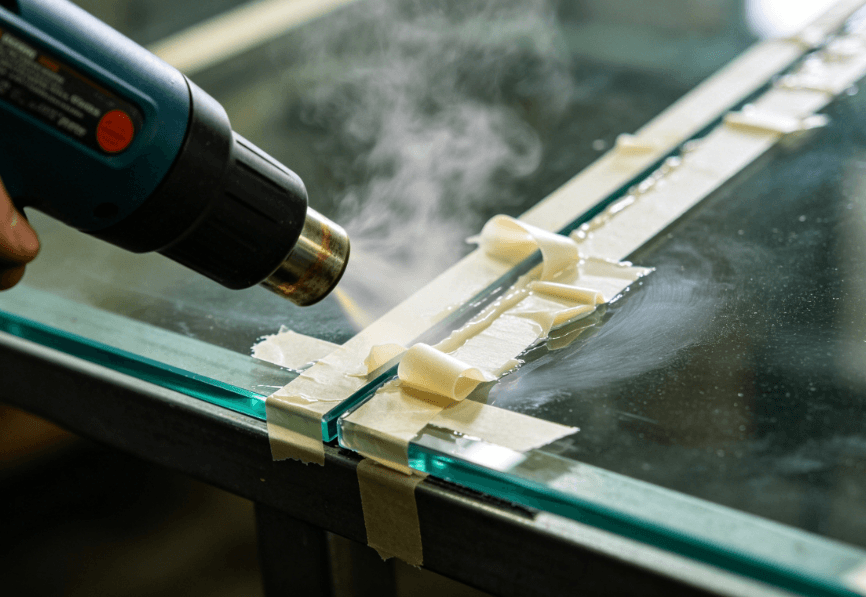
Acrylic foam tape is designed for permanent bonding. Removal usually requires a “cheese wire” or a serrated blade to split the foam core, followed by a citrus-based adhesive remover or a heat gun to lift the remaining residue.
Does the tape provide an airtight seal?
Yes. Because the foam core is closed-cell, it creates a permanent seal against water, dust, and air, making it ideal for protecting internal LED components in channel letters.
Reference Sources
- ASTM D3330: Standard Test Method for Peel Adhesion of Pressure-Sensitive Tape.
- ISO 9001:2015: Quality management systems for adhesive manufacturing.
- PSTC (Pressure Sensitive Tape Council): Technical bulletins on viscoelasticity and adhesive aging.
- UL 746C: Standard for Polymeric Materials — Use in Electrical Equipment Evaluations.