
 Canada
 USA
USA Japan
Japan


Acrylic vs Rubber Adhesive: Which One Is Better?

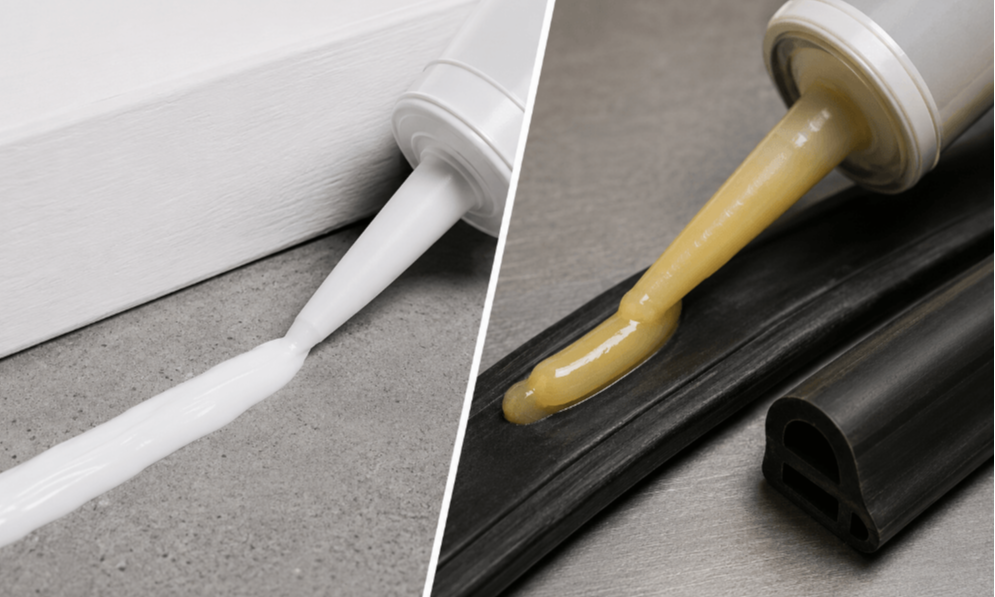
Choosing between acrylic vs rubber adhesive is a critical decision for any industrial or commercial bonding project. Both options offer unique chemical properties that dictate how they perform under stress. A mistake in selection often leads to bond failure, increased costs, or product damage. This guide provides a detailed comparison to help you identify the superior choice for your specific needs.
Adhesive technology has advanced significantly over the last decade. Modern pressure-sensitive tapes rely on these two primary chemistries to meet diverse application requirements. While rubber-based adhesives are known for their “quick stick” capability, acrylics are celebrated for their long-term environmental resistance. Understanding these fundamental differences ensures your assembly remains intact throughout its intended lifespan.
What Are the Key Differences Between Acrylic and Rubber Adhesives?
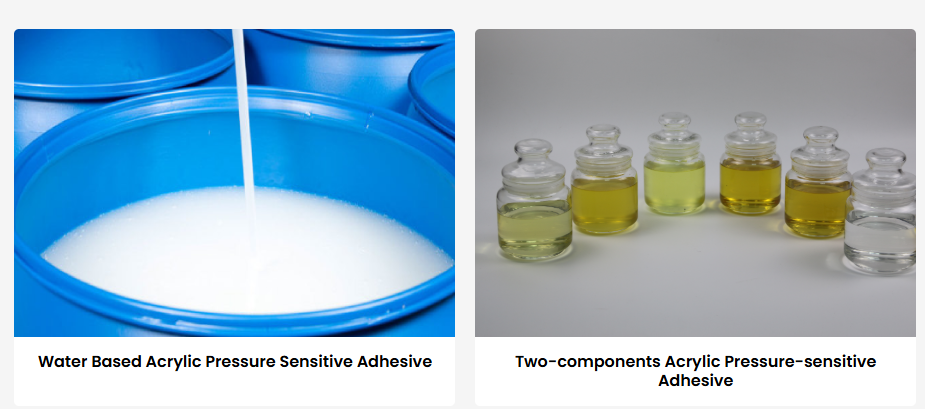
The primary difference lies in their chemical composition and how they interact with surfaces. Rubber adhesives are typically made from natural or synthetic rubber combined with tackifying resins. This mixture creates a high-tack bond that adheres immediately to most substrates. However, these bonds are susceptible to oxidation and UV degradation over time.
In contrast, acrylic adhesives are made from synthetic functional monomers. They do not require the addition of tackifiers to achieve their bonding properties. This inherent stability makes them highly resistant to environmental factors like sunlight and heat. While they may take longer to reach maximum bond strength, the resulting connection is often more permanent.
Comparing Performance Metrics and Technical Data
When evaluating acrylic vs rubber adhesive, technical performance data provides the most objective comparison. Engineers often look at “tack,” “shear,” and “peel” values. Rubber adhesives typically exhibit higher initial tack but lower long-term shear strength. Acrylics often require 24 to 72 hours to achieve a full cross-linked bond with the surface.
The following table highlights the performance variances between these two adhesive types:
| Feature | Rubber-Based Adhesive | Acrylic-Based Adhesive |
| Initial Tack | Very High | Low to Medium |
| Temperature Limit | Up to 150°F (65°C) | Up to 300°F+ (150°C+) |
| UV Resistance | Poor | Excellent |
| Chemical Resistance | Low | High |
| Longevity | Short to Medium Term | Long Term (Years) |
| Substrate Versatility | High (Including Plastics) | Medium (Requires Surface Prep) |
Data suggests that rubber adhesives lose up to 50% of their holding power when exposed to continuous temperatures above 70°C. Conversely, high-performance acrylics can maintain 90% of their bond strength even after prolonged exposure to 150°C. This makes acrylic vs rubber adhesive a question of environmental extremes versus immediate convenience.
Why Choose Acrylic Adhesive for Long-Term Outdoor Use?
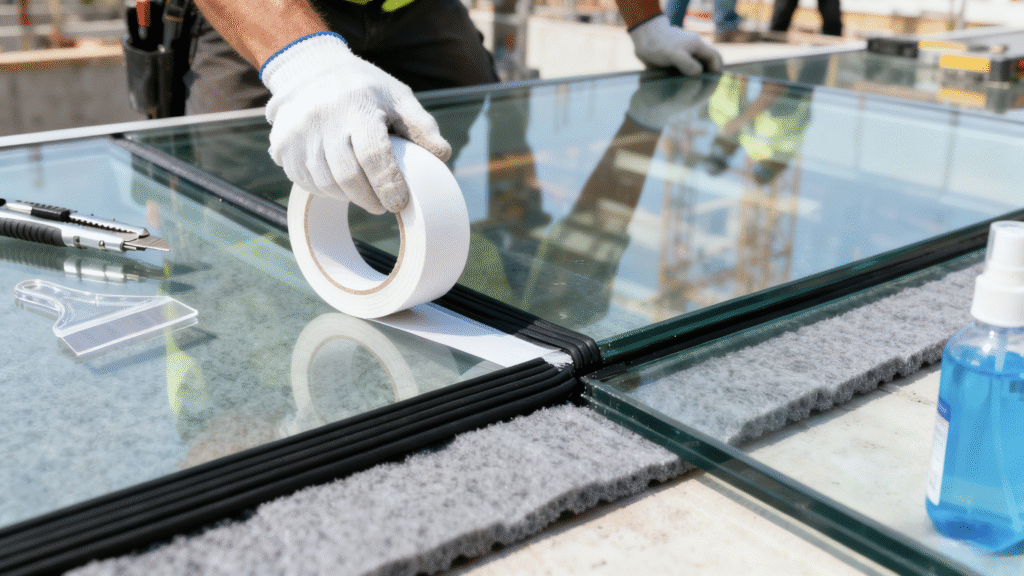
If your project involves outdoor exposure, acrylic adhesive is usually the better choice due to its chemical inertness. It does not react with oxygen or UV rays in the same way rubber does. Rubber adhesives tend to become brittle and yellow when exposed to the sun. This process, known as oxidation, causes the bond to fail as the polymers break down.
Acrylics are also the standard for applications involving plasticizers. Many vinyl and flexible plastic materials contain oils that migrate to the surface over time. Acrylic adhesives resist plasticizer migration, whereas rubber adhesives will soften and turn into a “gooey” mess. This chemical resistance is why acrylic is preferred for automotive trim and outdoor signage.
Furthermore, acrylics handle moisture and solvent exposure with much higher efficiency. If a bond will be cleaned with industrial chemicals or exposed to rain, acrylic is the scientific preference. The molecular structure remains stable, preventing the ingress of fluids that could delaminate the tape.
When is Rubber Adhesive the Better Commercial Choice?
Despite the durability of acrylic, rubber adhesive remains the dominant choice for cost-effective, indoor applications. If you need to bond materials quickly on a high-speed assembly line, the high initial tack of rubber is irreplaceable. It “wets out” the surface instantly, meaning it flows into the microscopic valleys of the substrate without delay.
Rubber is also highly effective for bonding to “low surface energy” (LSE) plastics like polyethylene and polypropylene. Acrylics often struggle to stick to these “slick” surfaces without specialized primers. Rubber-based tapes provide an immediate, functional bond to LSE materials at a lower price point. This makes them ideal for packaging, temporary mounting, and indoor point-of-purchase displays.
However, users must account for the limited temperature range. If a warehouse reaches high temperatures in the summer, a rubber-bonded item might slide or fail. Rubber adhesives are best suited for controlled environments where mechanical stress is low. For short-term projects lasting less than a year, rubber offers the best return on investment.
How to Select the Right Foam Tape for Your Substrate
Selecting the right foam tape involves more than just picking a brand. You must first analyze the surface energy of your substrate. High surface energy materials like metal and glass are easy for both adhesives to grab. If you are working with powder-coated paints or plastics, the acrylic vs rubber adhesive debate becomes more nuanced.
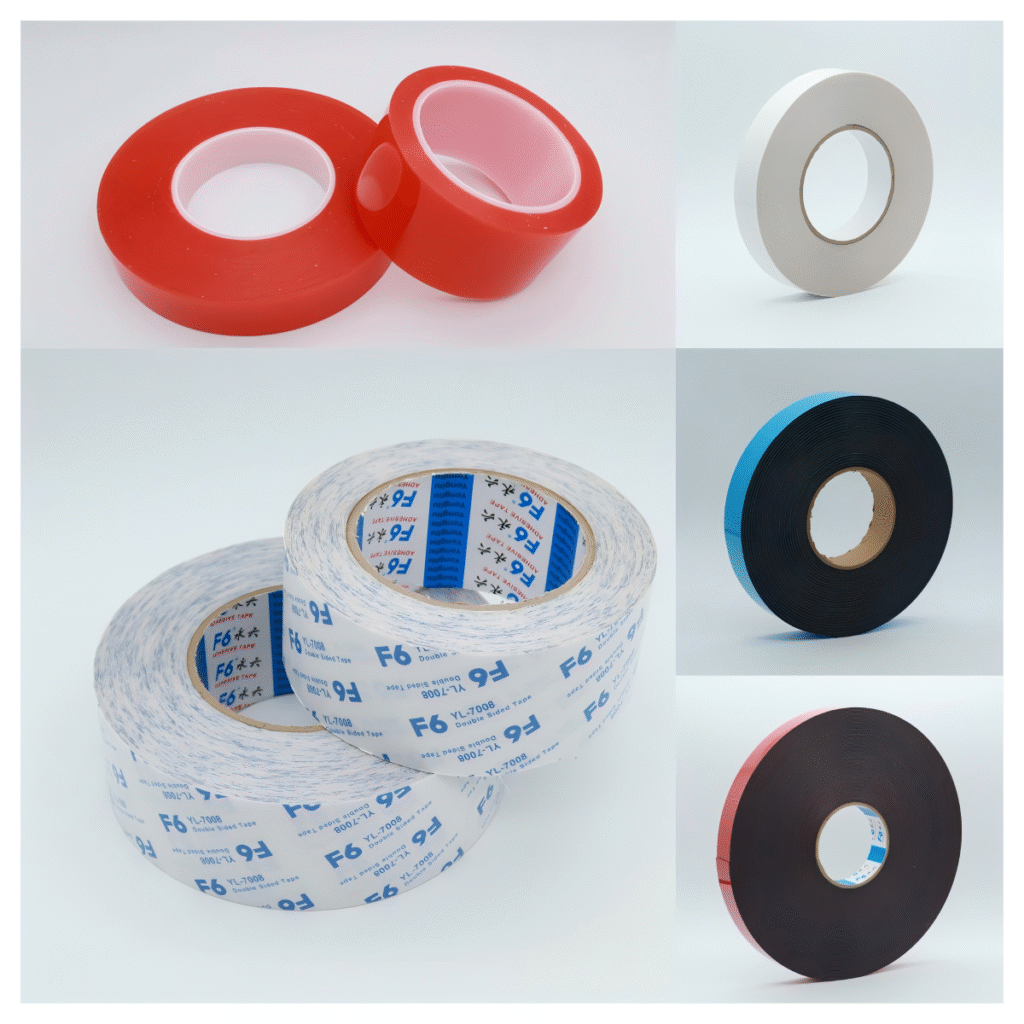
Environmental conditions are the second major factor in your decision. Ask whether the bond will face freezing temperatures or intense heat. Acrylic foam tapes are engineered for structural-grade bonding in fluctuating climates. Meanwhile, rubber-foam tapes are excellent for cushioning, gasketing, and sound dampening in interior office equipment.
Finally, consider the duration of the bond. If the product is intended to last for decades, such as a building component, acrylic is mandatory. For consumable goods or temporary protective packaging, rubber provides the necessary performance without unnecessary expense. Balancing these factors ensures that your choice of acrylic vs rubber adhesive aligns with both your budget and your quality standards.
For professional-grade solutions, exploring high-quality foam double-sided tapes can help you match these adhesive properties to specific industrial foam carriers.
Summary
In the battle of acrylic vs rubber adhesive, there is no universal winner. Acrylic is better for long-term, outdoor, and high-temperature applications. Rubber is better for low-cost, high-tack, and indoor projects. Always match the adhesive chemistry to the environmental stressors your product will face to ensure a permanent and reliable bond.
FAQ
Which adhesive is stronger for permanent mounting?
Acrylic adhesive is stronger for permanent mounting because its bond strength increases over time. While rubber has high initial grab, it degrades much faster than acrylic when exposed to heat and light.
Can rubber adhesive be used outdoors?
Rubber adhesive is generally not recommended for outdoor use because it lacks UV resistance. Sunlight causes the rubber polymers to oxidize, leading to yellowing, brittleness, and eventually total bond failure.
Does acrylic adhesive stick to plastic?
Acrylic adhesive sticks well to high-energy plastics but may require a primer for low-surface-energy plastics. Rubber adhesives often have a natural advantage on difficult-to-bond plastics like polyethylene.
How long does it take for acrylic adhesive to cure?
Acrylic adhesive typically takes 72 hours to reach its maximum bond strength. While it may feel less “sticky” than rubber at first, the chemical cross-linking provides a much more durable hold once fully cured.
Which is more expensive, acrylic or rubber?
Acrylic adhesive is typically more expensive than rubber adhesive due to the cost of synthetic raw materials. However, its long-term durability often results in lower total costs by preventing bond failures and repairs.
Reference Sources:
Pressure Sensitive Tape Council (PSTC) – Surface Energy and Adhesion
https://pstc.org/
ASTM International – Standard Test Method for Peel Adhesion of Pressure-Sensitive Tape (D3330)
https://www.astm.org/
Specialty Tape Industry Association – Performance of Acrylic vs Synthetic Rubber
https://www.stia.org/