
 Canada
 USA
USA Japan
Japan


How to Choose the Right Double Sided Tape for Your Application

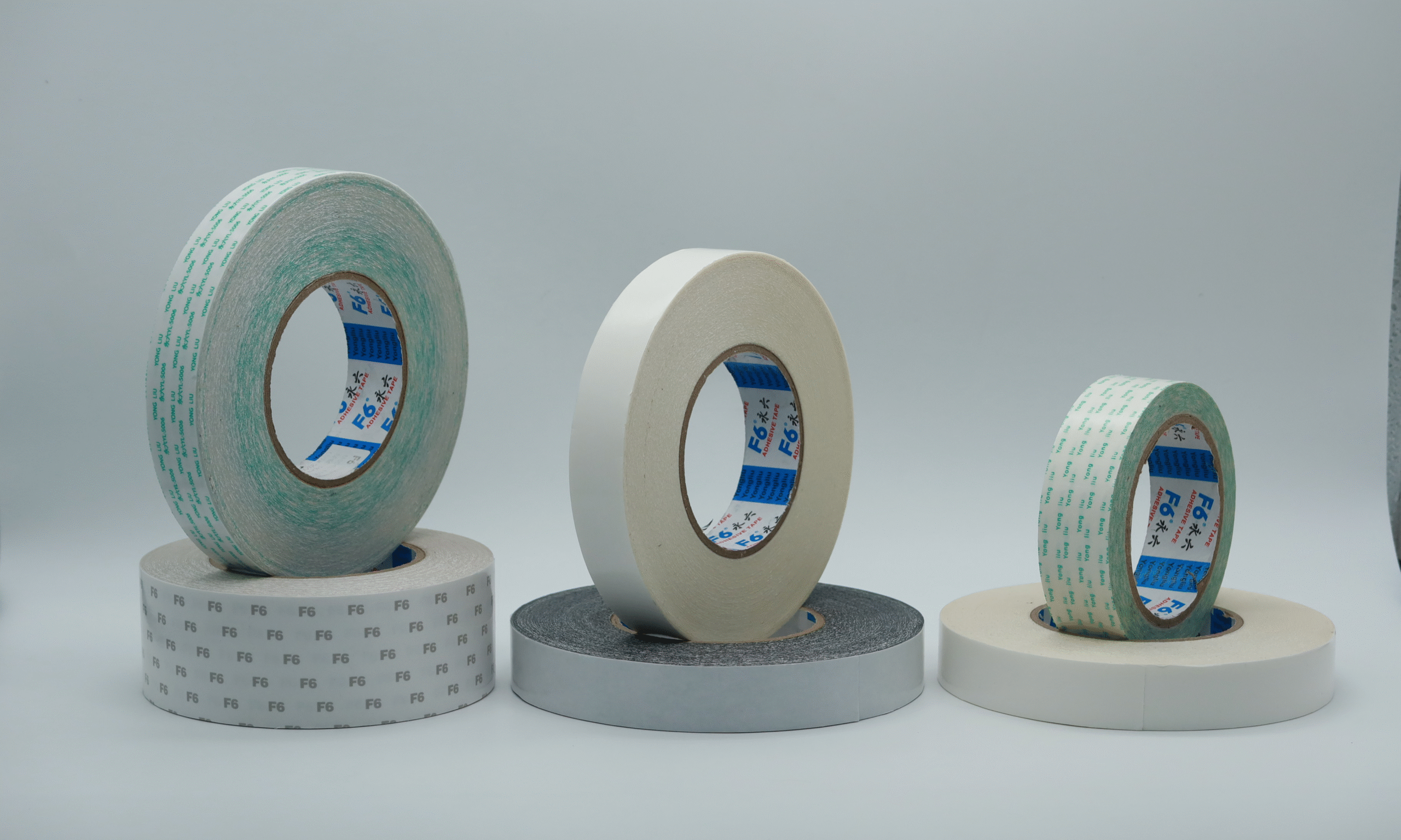
Industrial bonding requires more than just picking a sticky roll off a shelf. Engineers must balance material compatibility, mechanical stress, and environmental conditions. Finding the perfect adhesive solution is critical for long-term project success. This comprehensive guide will help you choose double sided tape that meets your specific technical requirements.
Selecting the wrong adhesive often results in costly debonding or structural failure. You must understand the science behind pressure-sensitive adhesives (PSAs). Modern industrial tapes are engineered for specific substrates and environments. We will explore the key factors that determine bond performance in demanding applications.
Understanding Surface Energy and Adhesion Science
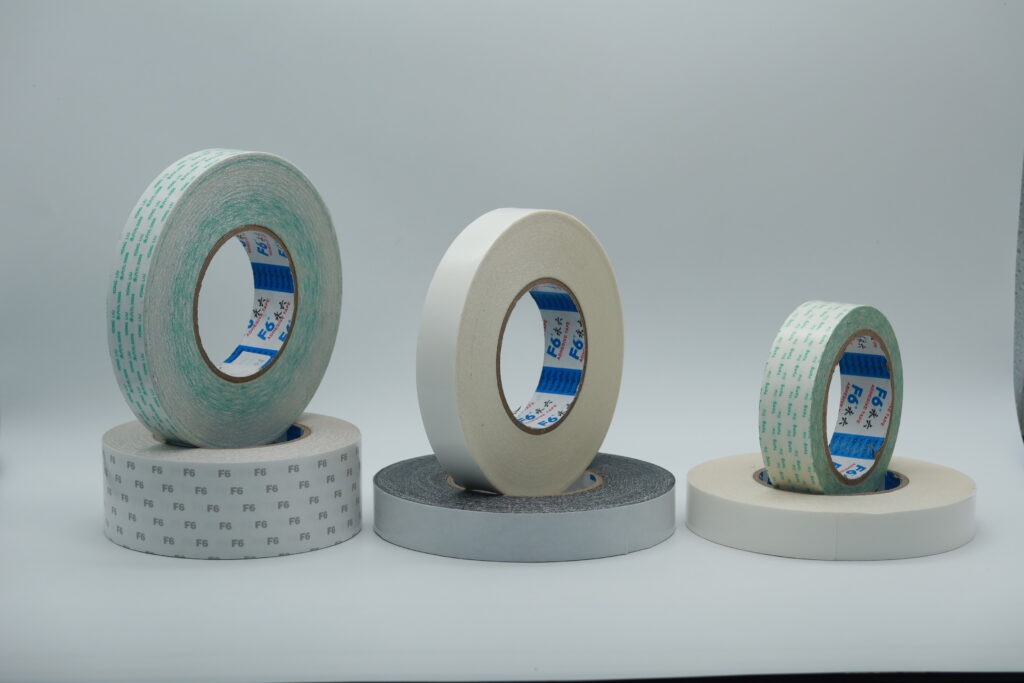
Surface energy is perhaps the most important factor in adhesive selection. It describes the “wettability” of a substrate or how well an adhesive spreads. High surface energy (HSE) materials include metals like stainless steel and aluminum. These surfaces allow the adhesive to flow and create a strong molecular bond.
Conversely, low surface energy (LSE) materials act like non-stick surfaces. Common LSE substrates include polypropylene (PP), polyethylene (PE), and powder-coated paints. When you choose double sided tape for these materials, you need specialized acrylic chemistry. Standard adhesives will simply bead up and fail to grip the surface.
| Substrate Type | Surface Energy Level | Recommended Adhesive Type |
| Metals (Steel, Al) | High (HSE) | General Purpose Acrylic |
| Engineering Plastics | Medium | Modified Acrylic |
| Polyethylene/PP | Low (LSE) | Specialized LSE Acrylic |
| Silicone Rubber | Ultra-Low | Silicone-based Adhesive |
Data shows that bonding to HSE surfaces can achieve peel strengths exceeding 30 N/cm. LSE surfaces often drop below 10 N/cm without the correct tape. Surface preparation, such as cleaning with isopropyl alcohol, is also vital. It removes oils that lower the effective surface energy of the part.
How to Match Tape Carriers to Project Demands
The carrier is the middle layer that holds the adhesive on both sides. It provides the structural integrity and physical properties of the tape. Different carriers offer unique benefits for specific mechanical challenges. Understanding these differences helps you choose double sided tape with the right physical profile.
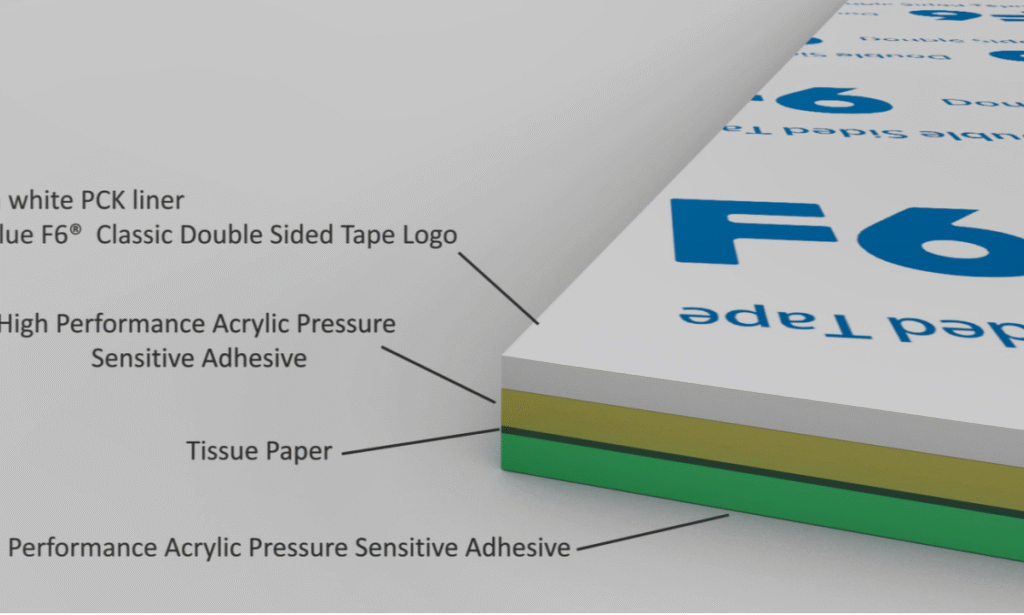
PET and PVC carriers are ideal for applications requiring dimensional stability. They are thin, typically ranging from 0.05mm to 0.2mm in thickness. These tapes are excellent for die-cutting into complex shapes for electronics. They offer high tensile strength and resist stretching during the application process.
Tissue and non-woven tapes provide high conformability for irregular surfaces. They are often used in the paper, packaging, and leather industries. Because the carrier is porous, the adhesive can saturate the material deeply. This creates a very high initial “tack” or immediate grab.
Foam tapes, including PE, EVA, and Acrylic Foam, are designed for gap filling. They absorb vibrations and compensate for thermal expansion between different materials. Acrylic foam tapes (VHB style) can even replace mechanical fasteners like rivets. These tapes distribute stress across the entire bond line rather than at a single point.
Evaluating Environmental Factors for Industrial Tapes
Environmental exposure is the leading cause of adhesive degradation over time. You must consider the maximum and minimum temperatures the bond will face. Standard rubber-based adhesives may fail at temperatures above 65°C (150°F). For high-heat environments, you must choose double sided tape with high-performance acrylic.
UV light exposure is another critical factor for outdoor applications. Sunlight can break down the polymer chains in many low-cost adhesives. This causes the tape to become brittle or turn into a yellowed goo. Tapes designed for construction and signage must be UV-stabilized to last for years.
| Environmental Factor | Potential Impact | Required Tape Property |
| High Heat (>100°C) | Softening/Shear Failure | Thermosetting or High-Temp Acrylic |
| Extreme Cold | Brittleness/Cracking | Cold-weather Acrylic |
| Humidity/Water | Loss of Adhesion | Moisture-resistant Barrier |
| UV/Sunlight | Chemical Breakdown | UV-stabilized Adhesive |
Chemical resistance is also vital in automotive and industrial settings. Tapes may come into contact with fuels, cleaning agents, or hydraulic fluids. Flame retardant properties are often required for electronics and public transport. Specifying these needs early prevents catastrophic failures in the field.
Selecting Your Industrial Bonding Solution
The process of selecting a tape involves matching your substrate to the correct carrier and adhesive. Professional manufacturers offer a wide array of specialized products for this purpose. You might look for PET double sided tape for electronic displays or tissue tape for lightweight assembly. Each category is engineered to solve a specific set of engineering problems.
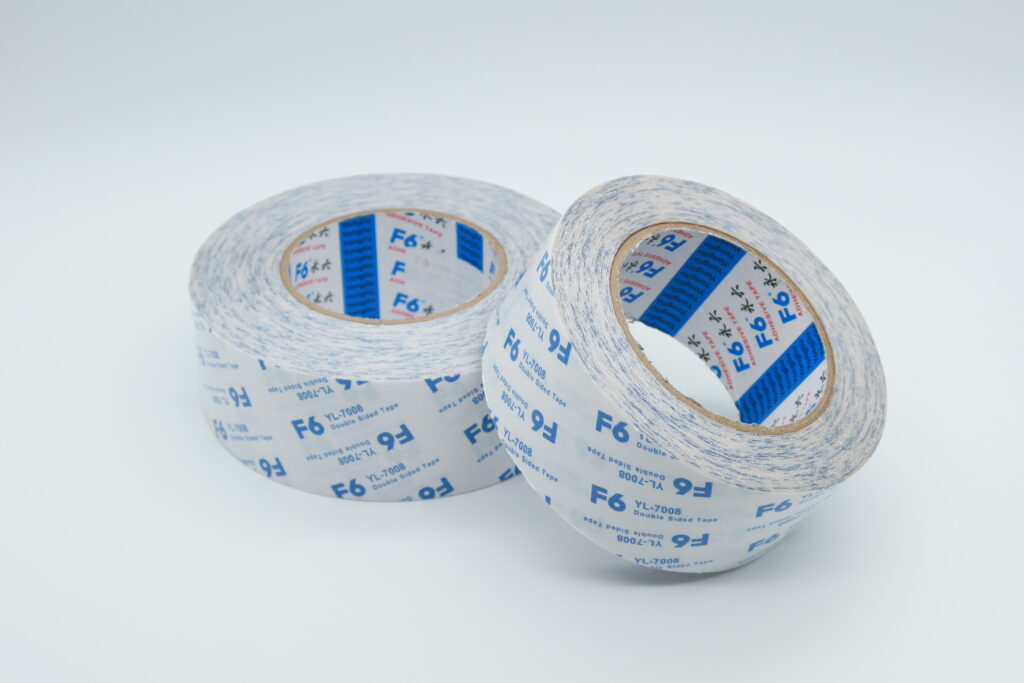
When evaluating your next move, consider the mechanical load the bond must carry. Is it a static load, or will the part experience constant vibration? For heavy-duty mounting, acrylic foam double sided tape is often the superior choice. If you are working with flame-sensitive electronics, look for halogen-free and flame-retardant certifications.
The right partner provides data sheets detailing peel adhesion, shear strength, and temperature limits. Use these metrics to compare different series, such as high-viscosity versus low-VOC options. Testing a sample on your actual substrate is always the safest way to ensure compatibility. This approach guarantees that your choice aligns with both budget and performance goals.
Summary
To choose double sided tape correctly, you must analyze surface energy and environmental stress. Carriers like PET or foam provide the necessary structure for specific mechanical loads. By matching adhesive chemistry to your substrate, you ensure a permanent and reliable bond for any industrial application.
FAQ
What is the best way to choose double sided tape for plastic?
You must identify the plastic type to determine its surface energy. For low surface energy plastics like PE or PP, select a modified acrylic adhesive. These tapes are specifically designed to “wet” surfaces that naturally repel liquids.
Can double sided tape replace screws and rivets?
Yes, high-strength acrylic foam tapes can often replace mechanical fasteners. They provide a continuous bond line that distributes stress evenly across the surface. This reduces the risk of corrosion and eliminates the need for drilling holes.
How does temperature affect double sided tape?
Temperature impacts the viscosity and chemical stability of the adhesive layer. High temperatures can cause standard tapes to soften and slide under a load. Cold temperatures can make the adhesive glass-like and prone to cracking under impact.
What is the difference between tissue tape and PET tape?
Tissue tape uses a soft, porous carrier that is easy to tear by hand. It is highly conformable but has lower tensile strength than film tapes. PET tape uses a polyester film that is strong, transparent, and dimensionally stable.
Does surface preparation really matter for tape performance?
Direct application to contaminated surfaces is the most common cause of tape failure. Oil, dust, and moisture create a barrier between the adhesive and the substrate. Cleaning the surface with a 70% IPA solution significantly increases bond strength.
Reference Sources
Pressure Sensitive Tape Council (PSTC)
https://pstc.org/
European Adhesive Tape Association (AFERA)
https://www.afera.com/
ASTM International (Standards for Adhesives)
https://www.astm.org/