
 Canada
 USA
USA Japan
Japan


Appliance Bonding Tape for Plastics: Engineering Selection Guide

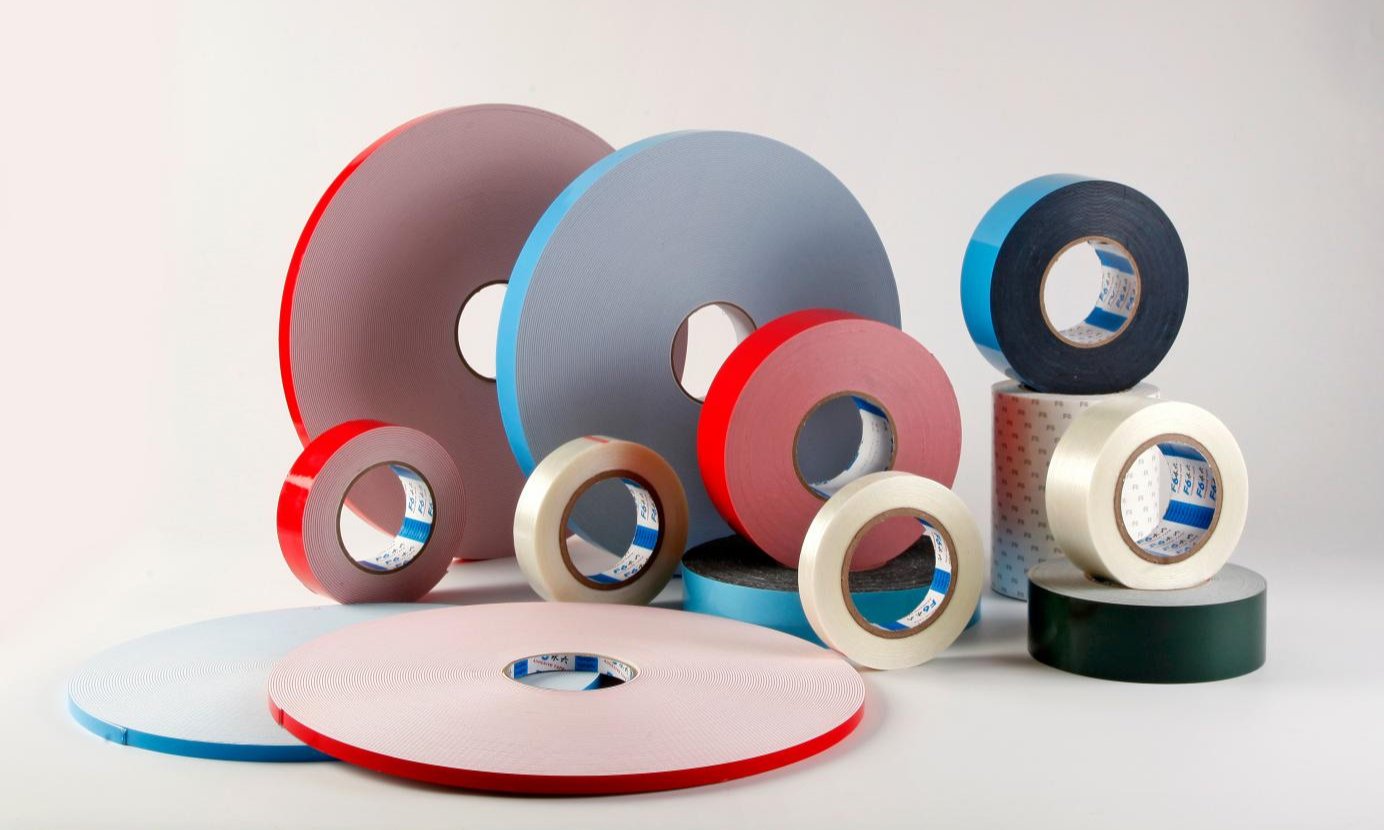
In modern appliance manufacturing, the transition from mechanical fasteners—screws, clips, and rivets—to advanced adhesive solutions is driven by two factors: aesthetic sleekness and assembly efficiency. For engineers, the challenge lies in the “low surface energy” (LSE) nature of plastics like polypropylene (PP) and polystyrene (PS) commonly used in refrigerators, washing machines, and small kitchen electronics.
A high-performance appliance bonding tape does more than just hold components together. It acts as a vibration dampener, a moisture barrier, and a structural bond that accommodates thermal expansion. Selecting a tape that fails to “wet out” on plastic substrates can lead to delamination, causing costly field failures and warranty claims.
The Technical Challenge: Bonding to LSE Plastics
Most plastics used in appliances are chosen for their durability and cost-effectiveness. However, these materials often have surfaces that resist traditional adhesives.
- High Surface Energy (HSE) Plastics: Materials like ABS and Polycarbonate are relatively easy to bond.
- Low Surface Energy (LSE) Plastics: Polypropylene (PP) and Polyethylene (PE) require specialized high-tack acrylic or rubber-based adhesives.
To ensure a permanent bond, engineers must evaluate the “wetting” ability of the adhesive. This refers to how well the liquid adhesive flows into the microscopic valleys of the plastic surface. High-quality appliance bonding tape is engineered with high-flow chemistries that maximize the contact area, even on textured plastic housings.
Why Tissue Double-Sided Tape is an OEM Favorite
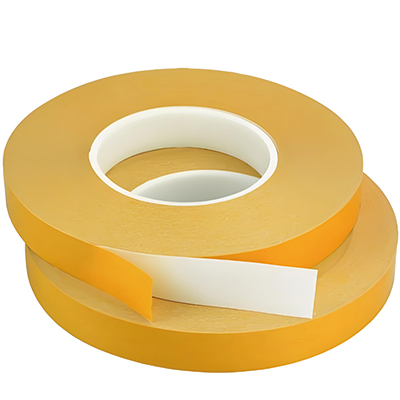
In the hierarchy of industrial adhesives, tissue double-sided tape occupies a critical niche in appliance assembly. Its unique construction—a thin non-woven carrier saturated with adhesive—offers several manufacturing advantages:
- Conformability: The tissue carrier is highly flexible. This allows the tape to follow the contours of curved appliance panels or recessed control interfaces.
- Dimensional Stability: Unlike transfer tapes (adhesive with no carrier), tissue tape provides enough structural integrity to prevent stretching during automated die-cutting or manual application.
- Ultra-Thin Profiles: Appliances require tight tolerances. Tissue tapes allow for bonding nameplates, control panel overlays, and decorative trims without adding visible thickness.
- Hand-Tearability: For assembly lines that aren’t fully automated, tissue tapes allow workers to apply and tear the tape quickly, reducing cycle times.
Performance Evaluation: Beyond the Bond Strength
When auditing a potential appliance bonding tape, procurement managers and engineers must look past the initial “peel strength.” The appliance environment is a test of long-term durability.
| Feature | Requirement for Appliances | Recommended Adhesive Type |
| Temperature Resistance | Must survive -40°C (Freezers) to 80°C+ (Ovens/Motors) | High-Performance Acrylic |
| Vibration Damping | Resisting the constant oscillation of washing machines | Modified Acrylic or Foam-core |
| Chemical Resistance | Exposure to detergents, oils, and cleaning agents | Cross-linked Acrylic |
| Immediate Tack | High “green strength” for fast-moving assembly lines | Solvent-based Acrylic or Rubber |
In high-volume production, “Green Strength” is paramount. If a bonded component requires 24 hours of clamping to reach full strength, the production line stalls. Modern appliance tapes are designed to reach 80% of their ultimate bond strength within seconds of pressure application.
Manufacturing Logic: Automation and Customization
For OEM projects, the “form factor” of the tape is as important as the chemistry. Manufacturers often require tape in specialized formats to integrate with robotic pick-and-place systems.
- Die-Cut Parts: Tapes are often supplied as precision-cut gaskets or shapes on a continuous liner.
- Extended Liners (Finger Lift): Making it easier for workers to remove the backing in manual assembly zones.
- Spool/Pancake Rolls: Long-length spools (up to several thousand meters) reduce the frequency of roll changes on automated machines.
At the procurement level, evaluating an appliance bonding tape supplier involves checking their ability to provide consistent “coat weight.” Variations in the thickness of the adhesive layer can lead to uneven bonding, which is the primary cause of “edge lifting” on plastic trim pieces.
Compliance and Testing Standards
Industrial appliances must meet rigorous safety and longevity standards. A reliable tape partner should provide documentation for:
- UL 746C: Standards for polymeric materials used in electrical equipment evaluations.
- RoHS/REACH Compliance: Ensuring no hazardous substances are present in the adhesive or carrier.
- ASTM D3330: Standardized testing for peel adhesion to ensure batch-to-batch consistency.
For manufacturers looking to optimize their BOM (Bill of Materials), switching from expensive mechanical fasteners to industrial tissue tapes can reduce weight and assembly costs by up to 15% while improving the finished product’s aesthetic.
FAQ: Appliance Bonding Tape for Plastics
Can I bond polypropylene (PP) without a primer?
It depends on the adhesive. High-tack LSE-modified acrylic tapes can often bond directly to PP. However, for structural components subject to high stress, an adhesion promoter (primer) is still recommended to maximize longevity.
How does humidity affect the tape bond in appliances like dishwashers?
Standard rubber adhesives may degrade in high-humidity environments. For appliances exposed to steam or water, a “closed-cell” acrylic adhesive is required to prevent moisture from wicking through the tape carrier.
What is the shelf life of industrial appliance tape?
Typically, 12 to 24 months when stored at 21°C and 50% relative humidity. Using “expired” tape often results in reduced tack and adhesive transfer issues during application.
Is tissue tape stronger than foam tape?
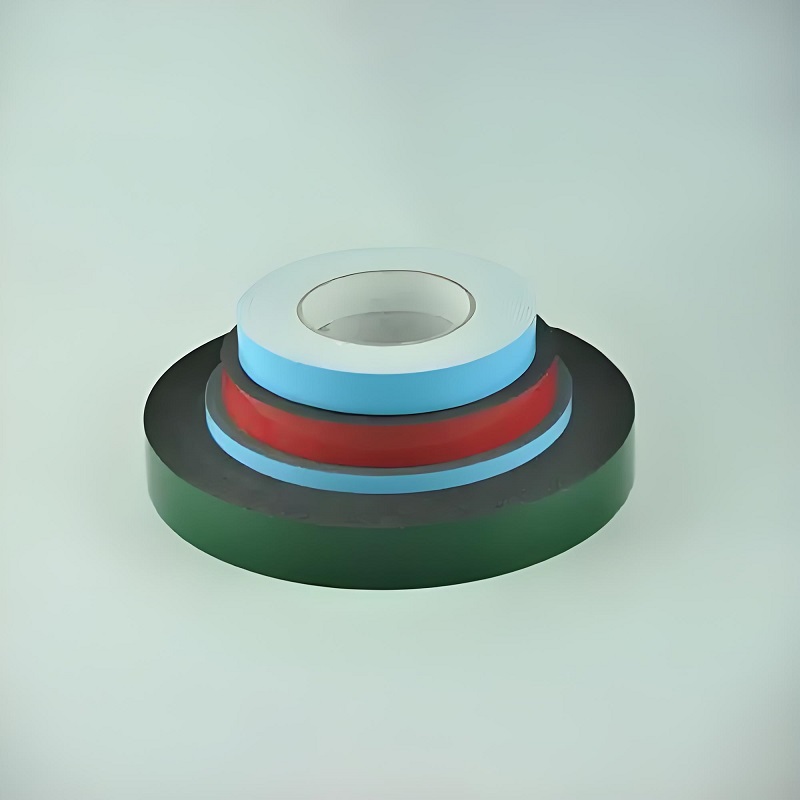
Tissue tape is better for thin, flat surfaces where a flush fit is needed. Foam tape is superior for gap-filling or when bonding two uneven surfaces where “cushioning” is required to absorb vibration.
Reference Sources
- PSTC (Pressure Sensitive Tape Council): Technical Bulletins on Plastic Bonding.
- ISO 9001:2015: Quality management standards for industrial adhesive manufacturing.
- ASTM International: D3330 Standard Test Method for Peel Adhesion of Pressure-Sensitive Tape.
- UL Solutions: Certification requirements for adhesives in appliances and electronics.