
 Canada
 USA
USA Japan
Japan


How ISO 9001 Adhesive Tape Factories Ensure Product Consistency

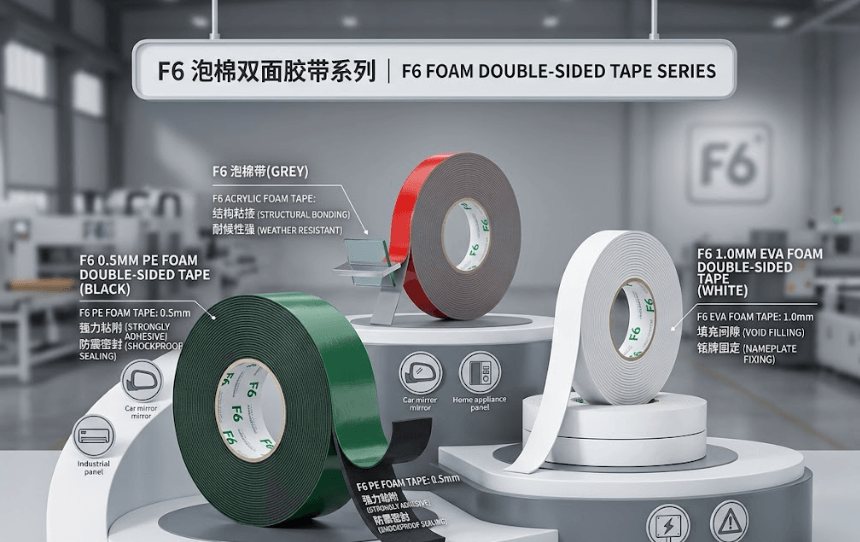
In high-stakes industries like automotive assembly, aerospace, or electronic manufacturing, adhesive tape is more than a consumable. It is a structural component that must perform identically every time. For an engineer, the cost of a “bad batch”—whether through delamination or adhesive transfer—far outweighs the initial purchase price.
This is where the role of an ISO 9001 adhesive tape factory becomes critical. ISO 9001 is not a product quality guarantee in itself. Rather, it is a comprehensive management standard that ensures the manufacturing process is repeatable. When a factory follows these protocols, the output remains within tight tolerances, batch after batch.
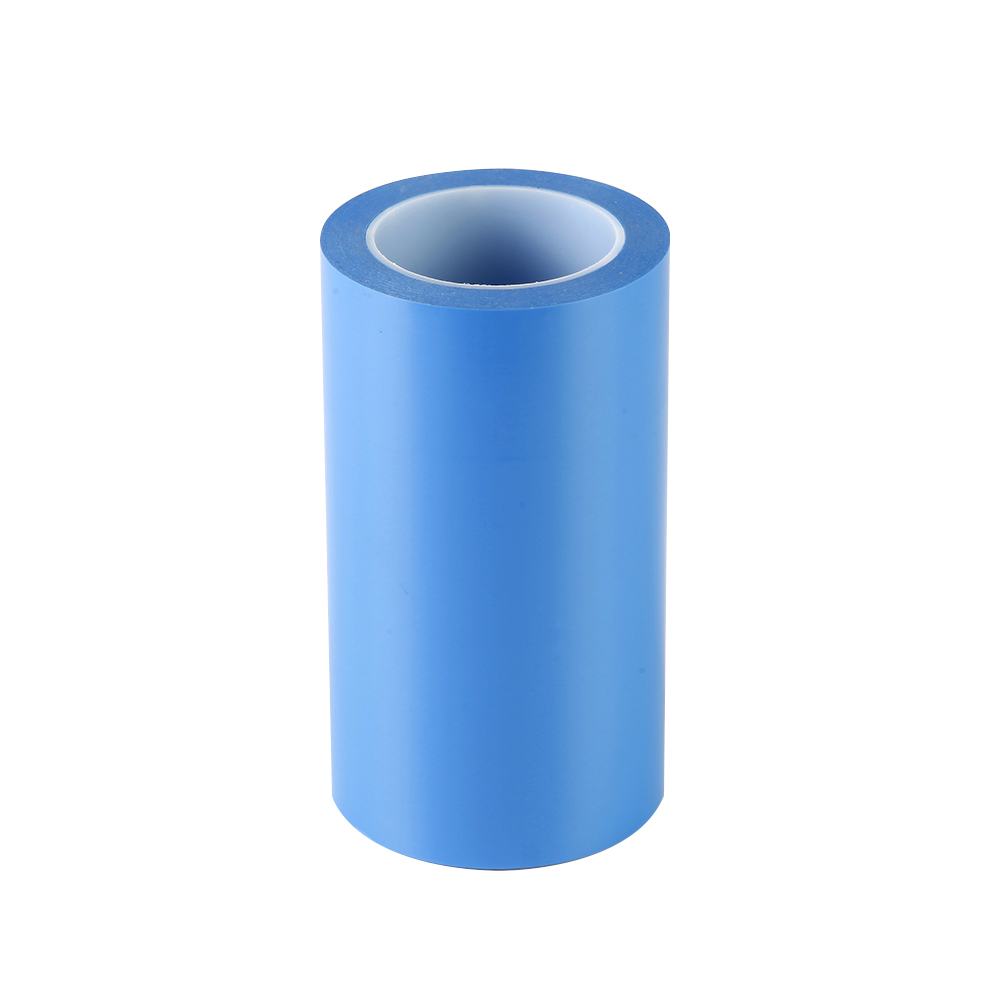
The Foundation: Process-Based Thinking vs. Inspection-Based Quality
Traditional factories often rely on “inspection-based quality,” where they check the tape after it is finished. If a roll fails, it is scrapped. However, this method cannot detect subtle variations that might lead to failure months later in the field.
In contrast, an ISO 9001 certified facility utilizes “process-based thinking.” Quality is built into the workflow at every touchpoint. This involves identifying every variable that affects the final bond—from the ambient humidity in the coating room to the viscosity of the solvent-based adhesive.
Phase 1: Raw Material Standardization and Chemical Auditing
Consistency begins long before the coating line starts. An ISO 9001 adhesive tape factory maintains a strict “Approved Supplier List” (ASL). Every shipment of raw polymer, resin, or carrier substrate must arrive with a Certificate of Analysis (COA).
Engineers at the factory perform “Inward Quality Control” (IQC). They test the chemical properties of incoming resins. This includes checking the solids content and molecular weight distribution. Even minor deviations in raw materials can change the “tack” or “shear” properties of the tape. By standardizing the inputs, the factory eliminates the primary source of product variance.
Phase 2: Precision Coating Weight Control
The most technical stage of tape production is the coating process. The “coat weight”—measured in grams per square meter (gsm)—determines how the tape wets out on a surface.
Modern ISO 9001 factories use real-time monitoring systems. These include:
- Beta-Gauge Sensors: These sensors scan the web in real-time. They measure the thickness of the adhesive layer as it is applied.
- Automatic Die Adjustment: If the sensor detects a 1-micron deviation, the coating die adjusts automatically.
- Viscosity Stabilization: Automated pumps maintain a constant adhesive flow. This prevents “streaking” or “voids” in the adhesive layer.
Precise coat weight is essential for mechanical and industrial fabrication solutions. In these applications, tape often bonds uneven surfaces. A consistent adhesive thickness ensures the bond is gap-free and airtight.
Phase 3: Optimized Curing and Solvent Evaporation
After coating, the “web” passes through a multi-zone drying tunnel. The temperature in each zone must be controlled within ±1°C. If the drying is too fast, the adhesive may “skin over,” trapping solvents inside. This leads to outgassing and bubbles.
If the drying is too slow, the adhesive remains “mushy.” This results in low shear strength. ISO 9001 factories document these “curing profiles” for every product type. This ensures that a roll produced in winter performs exactly like a roll produced in summer.
Comparison: Standard Factory vs. ISO 9001 Factory Workflow
| Production Element | Standard Factory | ISO 9001 Certified Factory |
| Material Sourcing | Price-driven; frequent supplier changes | COA-verified; long-term qualified partners |
| Coating Monitoring | Periodic manual checks | Continuous real-time sensor feedback |
| Environment Control | Ambient shop conditions | Climate-controlled cleanrooms (ISO 7/8) |
| Traceability | Limited to shipping dates | Full batch-to-source traceability codes |
| Testing Frequency | End-of-line random sampling | In-process and post-production validation |
Phase 4: Slitting and Converting Tolerances
The final stage is converting master rolls into slit rolls. Consistency here is measured in dimensional accuracy. An ISO 9001 factory uses precision slitting equipment with laser-guided cores.
For industrial fabrication, width tolerances are often restricted to ±0.1mm. This precision prevents edge-curl during automated application. It also ensures the tape fits perfectly into recessed channels or gaskets. Every slit roll is labeled with a batch number. This provides 100% traceability back to the original raw material lots.
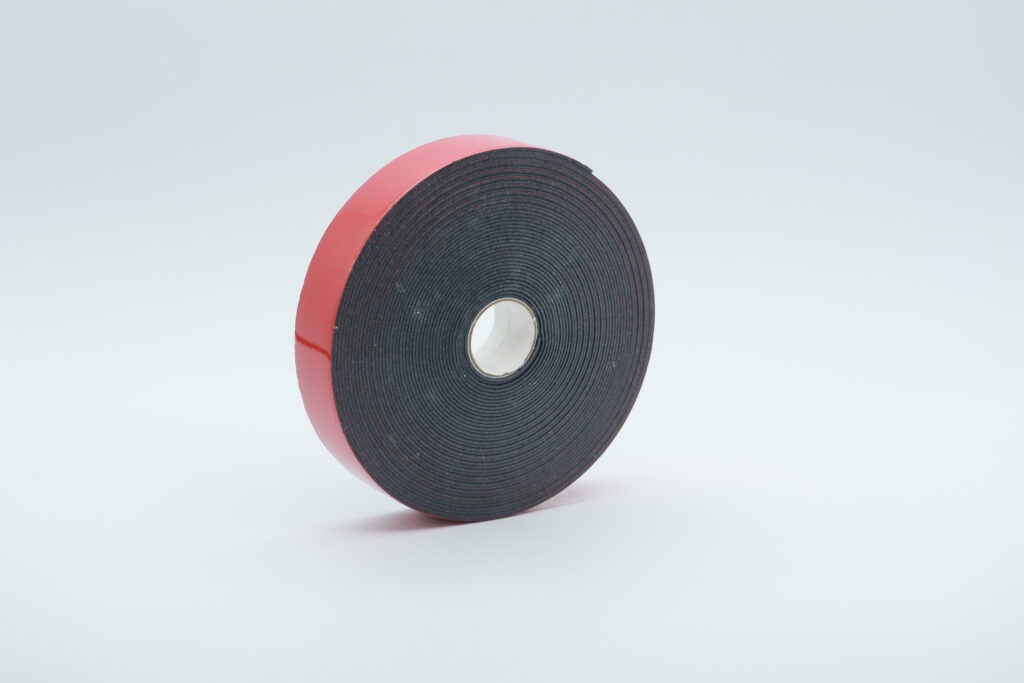
Validation: The Role of the Quality Assurance Lab
An ISO 9001 adhesive tape factory operates an in-house lab. They follow international standards such as ASTM D3330 (Peel Adhesion) or PSTC-107 (Shear Adhesion).
Key tests performed on every batch include:
- 180° Peel Adhesion: Measuring the force required to remove the tape.
- Static Shear: Testing the adhesive’s resistance to sliding under a load.
- Loop Tack: Assessing the “instant” bond upon contact.
- SAFT (Shear Adhesion Failure Temperature): Determining the upper thermal limit of the bond.
These tests confirm that the process control worked. If the lab results deviate even slightly from the “Golden Sample,” the batch is quarantined. This prevents non-conforming products from reaching the customer.
Summary of Industrial Impact
Selecting an ISO 9001 certified partner is about risk management. In high-volume production, consistency is the ultimate value. By controlling the chemistry, the coating, and the environment, these factories provide the “invisible reliability” that industrial fabrication requires. This structural consistency allows engineers to design with confidence, knowing the bond will hold as specified for the life of the product.
FAQ: ISO 9001 and Adhesive Tape Consistency
What is the difference between ISO 9001 and ISO 14001 for tape factories?
ISO 9001 focuses on Quality Management and consistency of the manufacturing process. ISO 14001 focuses on Environmental Management, such as reducing solvent waste and energy consumption. Most top-tier factories hold both.
Does ISO 9001 mean the tape is “high quality”?
ISO 9001 means the factory is consistent. You can produce a low-tack tape under ISO 9001, and it will be consistently low-tack every time. It ensures that the product meets the technical specifications promised on the datasheet.
How can I verify a factory’s ISO 9001 certification?
Always ask for the certificate and the registrar’s name (e.g., SGS, TUV, Intertek). You can verify the certificate number on the registrar’s official database to ensure it is current and covers the scope of “Adhesive Tape Manufacturing.”
Why does “Traceability” matter for adhesive tapes?
If a failure occurs in your product, traceability allows the factory to identify which raw materials were used. This helps determine if the issue was a one-time material defect or a systemic process failure.
Reference Sources
- ISO 9001:2015 Standards: Official requirements for quality management systems. ISO.org
- ASTM D3330 / D3330M: Standard Test Method for Peel Adhesion of Pressure-Sensitive Tape. ASTM International
- PSTC (Pressure Sensitive Tape Council): Industry-standard testing methods and manufacturing whitepapers. PSTC.org
- SGS Quality Certification: Technical guides on auditing adhesive manufacturing facilities. SGS.com