
 Canada
 USA
USA Japan
Japan


Bulk Adhesive Tape Purchasing Guide for Businesses

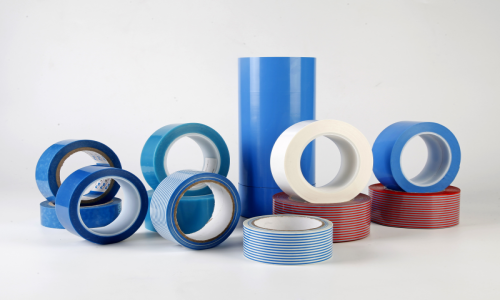
Bulk adhesive procurement involves more than comparing price per roll. For procurement managers and OEM project managers, a wrong choice leads to line downtime or product failure. Technical compatibility must drive every purchasing decision.
B2B buyers face unique challenges when scaling production. We see many businesses struggle with adhesive failure due to improper substrate matching. Understanding the chemistry behind the bond is the first step toward cost-effective procurement.
High-volume orders require rigorous vetting of technical specifications. This guide outlines how to evaluate performance, minimize waste, and select a supplier that supports your manufacturing timeline.
How to Determine the Correct Adhesive Chemistry?
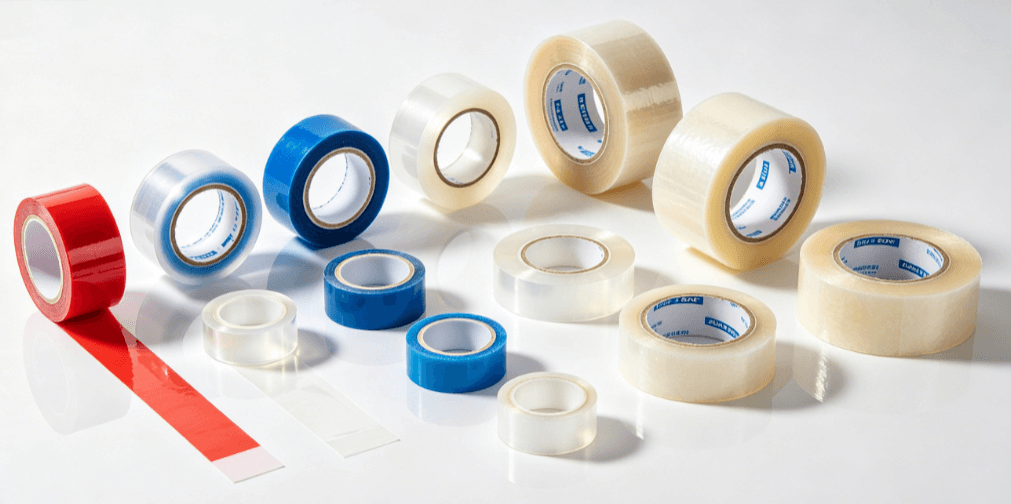
Choosing between acrylic, rubber, or silicone adhesives depends entirely on your application environment. Acrylic adhesives offer excellent UV resistance and long-term aging stability. They are the standard for outdoor construction or automotive parts.
Synthetic rubber adhesives provide high initial tack. These are ideal for rapid packaging lines or indoor temporary bonding. However, they may degrade under high heat or prolonged sunlight exposure.
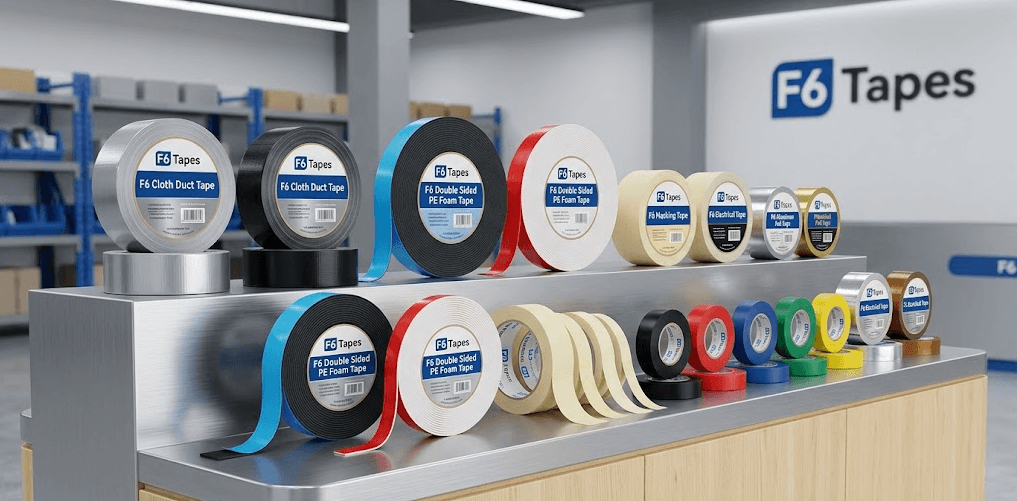
At F6 Tape, we specialize in high-performance bonding solutions. Our product range includes specialized double-sided tapes and industrial foams. We help engineers select the specific adhesive thickness needed for irregular surfaces.
| Adhesive Type | Temperature Resistance | Initial Tack | Long-term Durability |
| Acrylic | High | Medium | Excellent |
| Natural Rubber | Medium | High | Fair |
| Silicone | Very High | Low | Excellent |
| Hot Melt | Low | Very High | Poor |
What Factors Drive the Total Cost of Bulk Orders?
The unit price of a roll is only one part of the expenditure. Buyers must consider “Total Cost of Ownership,” which includes waste, application speed, and shipping logistics. Narrower rolls might seem cheaper but can increase labor time if multiple strips are required.
Volume discounts are standard in the industry, but they often come with storage risks. Adhesive tapes have a shelf life, typically 12 to 24 months. Buying three years of stock to save 5% often results in adhesive crystallization and wasted capital.
We offer customized slitting services to ensure you get the exact width required for your machinery. This precision reduces edge waste and speeds up the assembly process. You can view our full range of customizable options on our products page.
How to Verify Supplier Manufacturing Capabilities?
A reliable manufacturer must demonstrate consistent quality control across thousands of meters. Look for ISO 9001 certification as a baseline for quality management. Consistency in coating thickness is critical for automated application systems.
In our facility, we implement strict testing protocols for peel adhesion and shear strength. This ensures that the first roll in a container performs identically to the last. For complex OEM projects, we provide technical data sheets (TDS) and MSDS documentation upfront.
Supplier location and lead times also impact your bottom line. We prioritize transparency in production scheduling. Knowing exactly when your bulk adhesive shipment leaves the factory allows for leaner inventory management.
- Verify ISO and SGS certifications.
- Request batch-specific testing reports.
- Evaluate customization and die-cutting capabilities.
- Confirm lead times for high-volume peak seasons.
Which Technical Specifications Matter Most for B2B?
Peel adhesion measures the force required to “peel” the tape from a surface. This is vital for temporary masking or protective films. High-shear strength, conversely, is necessary for permanent structural bonding.
Temperature range is another non-negotiable metric. Tapes used in electronics must withstand reflow soldering temperatures. Automotive tapes must remain functional in both freezing winters and scorching summers.
We design our industrial tapes to meet specific environmental stresses. Whether you need high-tack tissue tape or heavy-duty foam, we match the carrier material to your mechanical requirements. Thickness tolerances are kept within industry-leading margins to prevent assembly errors.
Why Is Substrate Compatibility Critical for Success?
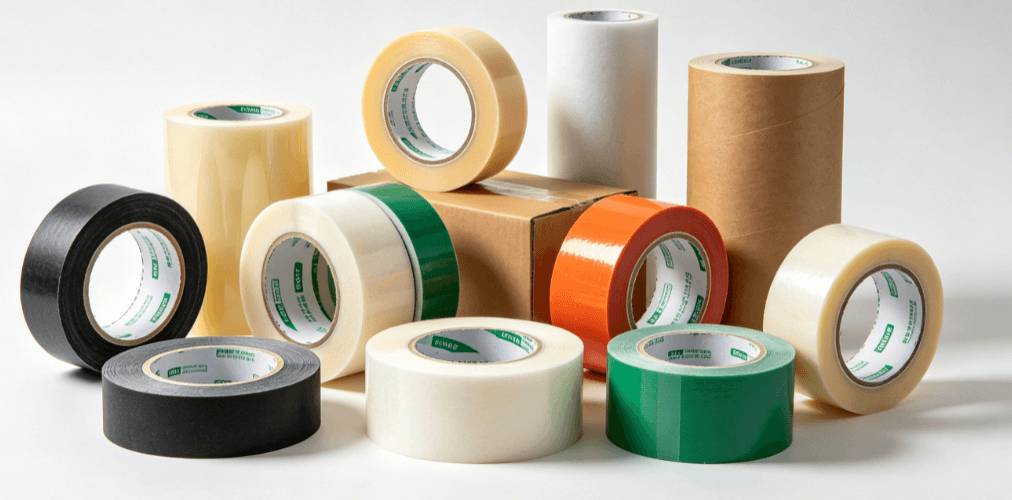
Adhesives interact differently with high surface energy (HSE) and low surface energy (LSE) materials. Metals and glass are typically easy to bond. Plastics like polypropylene or powder-coated surfaces require specialized low-surface-energy adhesives.
Applying the wrong tape to an LSE surface leads to “adhesive ghosting” or immediate delamination. This results in costly product returns and brand damage. Always test samples on the actual production material before committing to a bulk purchase.
Our engineering team provides material compatibility consultations for all our B2B partners. We analyze the surface energy of your components to recommend the most cost-effective bonding solution. This proactive approach eliminates the trial-and-error phase of procurement.
How to Optimize the RFQ Process for Better Pricing?
A vague Request for Quote (RFQ) leads to generic pricing and potential performance gaps. Be specific about your application, the surfaces being bonded, and the environmental conditions. Mentioning the required certifications early prevents delays.
Ask about packaging options for bulk shipping. Efficient palletization can significantly reduce landed costs. We work closely with logistics partners to ensure that bulk orders are protected from humidity and temperature spikes during transit.
When you submit an RFQ to us, we don’t just send a price list. We provide a comprehensive solution that includes material suggestions and volume-based scaling strategies. Our goal is to become a long-term manufacturing partner, not just a vendor.
FAQ
Q: What is the typical MOQ for custom bulk adhesive tape orders?
A: Minimum Order Quantities (MOQ) vary based on the material type and customization requirements. For standard industrial tapes, we generally look for orders that optimize machine run-times, ensuring you receive the best possible price per square meter.
Q: Can you provide samples for technical testing before we place a large order?
A: Yes, we highly recommend sampling. We provide technical samples for compatibility testing on your specific substrates to ensure the adhesive meets your performance standards under real-world conditions.
Q: How do you handle quality disputes in high-volume shipments?
A: Our quality management system tracks every batch. If a performance issue arises, we use retained samples and batch records to conduct a root-cause analysis. We stand behind our manufacturing quality with clear replacement policies.
Q: Do you offer die-cutting services for specialized industrial components?
A: We provide full customization including precision slitting and die-cutting. This allows you to receive adhesive parts in the exact shape needed for your assembly line, significantly reducing labor costs and material waste.
Q: What certifications do your adhesive products carry?
A: Our manufacturing processes align with international standards. Depending on the product line, we offer materials that comply with RoHS, REACH, and UL standards to ensure your final products meet global regulatory requirements.
Reference Sources
- ASTM D3330 – Standard Test Method for Peel Adhesion of Tape
https://www.astm.org/d3330_d3330m-04r18.html - ISO 9001:2015 Quality management systems requirements
https://www.iso.org/standard/62085.html - Pressure Sensitive Tape Council (PSTC): Test Methods for Pressure Sensitive Adhesive Tapes
https://pstc.org/resources/test-methods/