
 Canada
 USA
USA Japan
Japan


Tape Performance in Extreme Conditions: Engineering Guide

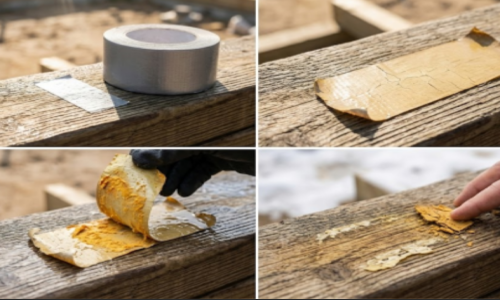
Industrial adhesive tapes are no longer simple office supplies. In modern manufacturing, these materials serve as critical structural components. They must maintain bond integrity where mechanical fasteners often fail. Understanding how a pressure-sensitive adhesive (PSA) reacts to environmental stressors is vital for long-term project success.
Extreme conditions encompass more than just temperature. They include high UV exposure, chemical submersion, vacuum environments, and intense mechanical shear. Engineers must evaluate the synergy between the adhesive chemistry and the carrier material to ensure performance.
What defines extreme environments for industrial adhesives?
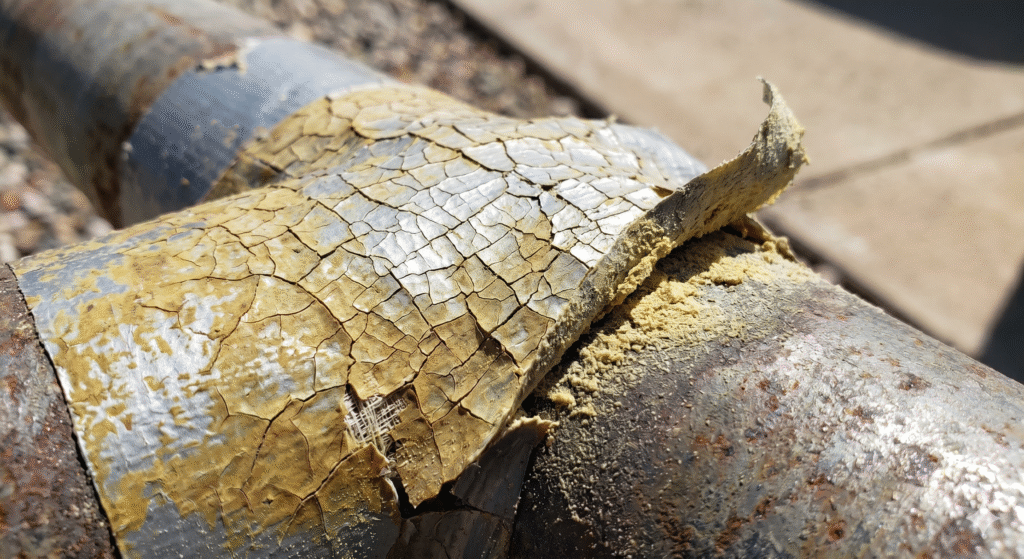
An extreme environment is any condition that pushes a polymer beyond its standard operating window. Most standard tapes are designed for room temperature (21°C) and moderate humidity. When moving into industrial sectors, the definition of “extreme” shifts based on the application.
In aerospace, extreme refers to cryogenic temperatures and vacuum outgassing. In automotive under-hood applications, it means continuous exposure to 150°C and engine fluids. For outdoor infrastructure, it involves decades of intense UV radiation and oxidation.
Engineers categorize these stressors into three main pillars:
- Thermal Stress: High heat softening or low-temperature embrittlement.
- Chemical/Environmental Stress: Exposure to fuels, acids, or salt spray.
- Mechanical Stress: Constant vibration, high shear, or peeling forces.
How high temperatures impact adhesive bond strength?
High heat is the most common cause of adhesive failure. As temperature increases, the molecular structure of many adhesives begins to soften. This leads to a loss of cohesive strength. The tape may “ooze” or slide under a load, a phenomenon known as creep.
Thermoplastic adhesives, like many synthetic rubbers, have lower heat resistance. They typically fail or lose tack above 60°C. For sustained high-heat performance, acrylic and silicone chemistries are preferred. Acrylics can often withstand 150°C, while specialized silicones remain stable up to 260°C.
Cross-linking density plays a massive role here. A highly cross-linked adhesive creates a tighter molecular net. This structure resists the “flow” that heat usually induces. When reviewing technical specifications on the F6 Tape products page, users can identify specific high-performance carriers like PET or Polyimide that complement these heat-resistant adhesives.
| Adhesive Type | Standard Limit | Extreme Limit (Specialized) | Key Characteristic |
| Synthetic Rubber | 65°C | 80°C | High initial tack, low heat resistance |
| Pure Acrylic | 120°C | 180°C | Excellent UV and aging resistance |
| Silicone | 200°C | 300°C+ | Best for extreme thermal cycling |
Why do certain tapes fail in sub-zero temperatures?
At low temperatures, adhesives undergo a physical change called the glass transition (Tg). When the environment drops below this point, the adhesive turns from a flexible, “rubbery” state into a hard, glassy state. The tape loses its “wetting” ability, meaning it cannot flow into the microscopic valleys of the surface.
If a tape is applied in cold conditions, it may fail to bond entirely. If it is applied at room temperature and then moved to a cold environment, it may become brittle. Brittle adhesives crack under vibration or impact.
To combat this, manufacturers use “low-temperature acrylics.” these are formulated with a very low glass transition point. They remain tacky and flexible even at -40°C. Silicone adhesives also excel in cold, maintaining elasticity at temperatures that would shatter standard rubber-based tapes.
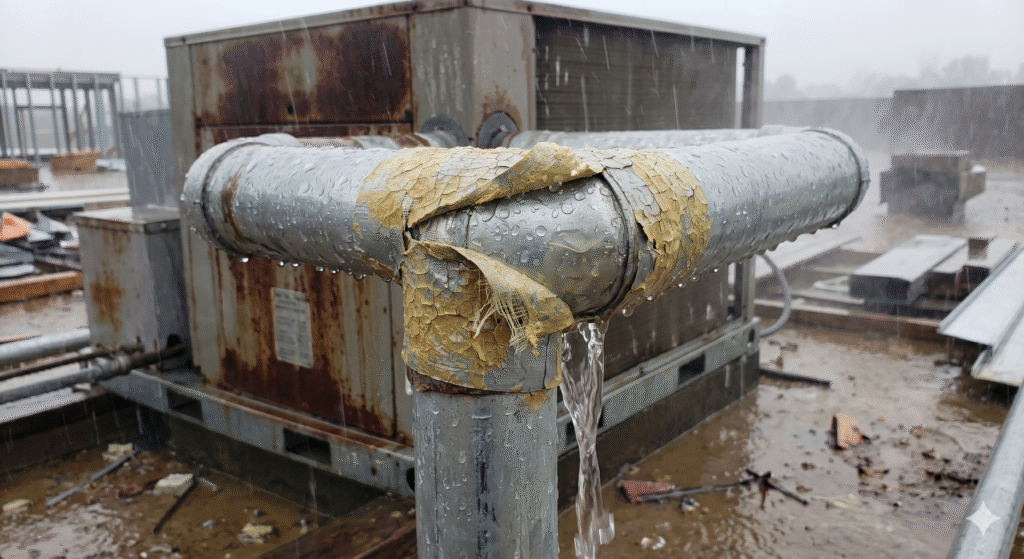
Chemical resistance and UV exposure in outdoor applications?
Outdoor environments present a dual threat: solar radiation and moisture. UV light breaks down the polymer chains in many adhesives, causing them to turn yellow, brittle, and eventually lose all bonding power. This is why standard duct tape fails quickly when left in the sun.
Chemical resistance is equally critical in industrial settings. Tapes used in oil and gas or automotive sectors must resist:
- Hydrocarbons (gasoline, diesel, oil)
- Cleaning solvents (IPA, MEK)
- Acids and alkalis in processing plants
Acrylic adhesives are naturally more resistant to oxidation and UV than rubber-based options. For extreme chemical immersion, specialized fluoropolymer backings (like PTFE) are paired with high-performance adhesives to create an impermeable barrier.
Selecting the right tape substrate for rugged environments?
The “carrier” or backing is just as important as the adhesive itself. The carrier protects the adhesive from the environment and provides structural stability. In extreme conditions, the carrier must match the expansion and contraction of the bonding surfaces.
For instance, aluminum foil carriers provide excellent moisture barriers and heat shielding. PET (Polyester) films offer high dielectric strength and dimensional stability in electronics. Foam carriers, such as those found in the F6 Tape product lineup, are essential for outdoor mounting because they absorb mechanical shock and compensate for irregular surfaces.
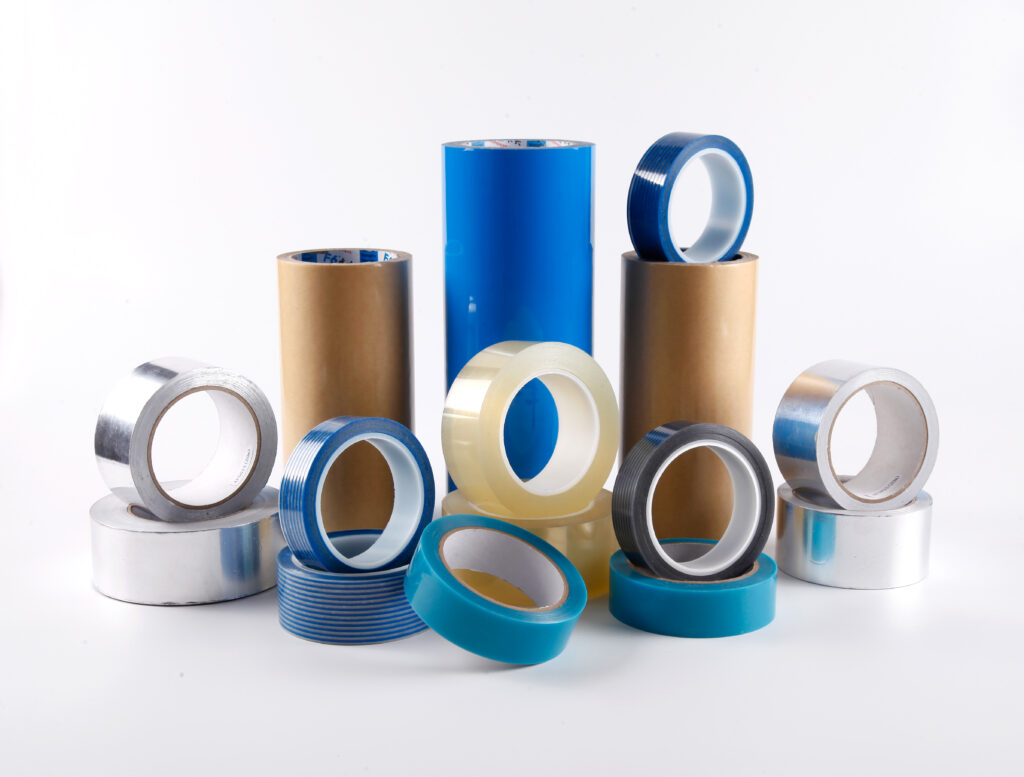
Choosing the right combination requires a deep understanding of the application’s lifecycle. A tape that survives a 200°C oven for ten minutes may not survive 60°C in a tropical jungle for ten years. Always consult technical data sheets (TDS) for aging and environmental testing results.
Testing standards for extreme condition validation?
Reliability is proven through standardized testing. Engineers should look for data validated by international bodies. These tests ensure the tape will perform as promised in the field.
Common testing protocols include:
- ASTM D3330: Peel Adhesion testing to determine bond strength.
- ASTM D3654: Shear Adhesion (Holding Power) at elevated temperatures.
- SAFT (Shear Adhesion Failure Temperature): Determining the exact point a bond fails under heat.
- UL 746C: Standard for Polymeric Materials used in Electrical Equipment Evaluations.
By using these metrics, project managers can move from guesswork to data-driven material selection. Whether it is a cryogenic lab or a desert solar farm, the right adhesive technology ensures the bond remains the strongest link in the assembly.
FAQ
Q: Can I apply adhesive tape in freezing temperatures?
A: Most standard tapes require an application temperature above 10°C to “wet” the surface properly. However, specialized low-temperature acrylics are engineered to be applied at temperatures as low as -10°C, provided the surface is free of frost and moisture.
Q: How long does UV-resistant tape last outdoors?
A: This depends on the adhesive chemistry and the intensity of the sun. High-quality acrylic tapes with UV-stabilized carriers can last upwards of 10 to 20 years, whereas standard rubber-based tapes may degrade within weeks of direct exposure.
Q: Does high humidity affect tape performance?
A: Yes, moisture can plasticize certain adhesives or cause hydrophilic carriers like paper or certain films to swell. For high-humidity environments, it is best to use closed-cell foam or plastic film carriers with moisture-resistant acrylic adhesives.
Q: What is the difference between short-term and long-term heat resistance?
A: Short-term resistance refers to peak temperatures a tape can survive (e.g., during a paint curing cycle). Long-term resistance refers to the continuous operating temperature the tape can withstand for months or years without losing more than 50% of its initial bond strength.
Q: Why do tapes peel off in the presence of chemicals?
A: Many chemicals act as solvents for adhesives. They penetrate the bond line and dissolve the polymer matrix, turning the adhesive into a liquid or a “goo.” Using a chemically inert carrier and a cross-linked adhesive is the only way to prevent this failure.
Reference Sources
- ASTM D3330 – Standard Test Method for Peel Adhesion of Pressure-Sensitive Tape
https://www.astm.org/d3330_d3330m-04r18.html - Pressure Sensitive Tape Council (PSTC) – Technical Resources
https://pstc.org/resources/test-methods - UL 746C – Standard for Polymeric Materials for Electrical Equipment
https://standardscatalog.ul.com/ProductDetail.aspx?productId=UL746C - ISO 29862:2018 – Self-adhesive tapes – Determination of peel adhesion properties
https://shopulstandards.com/ProductDetail.aspx?UniqueKey=49448