
 Canada
 USA
USA Japan
Japan


Choosing the Best Double Sided Tissue Tape for Industry

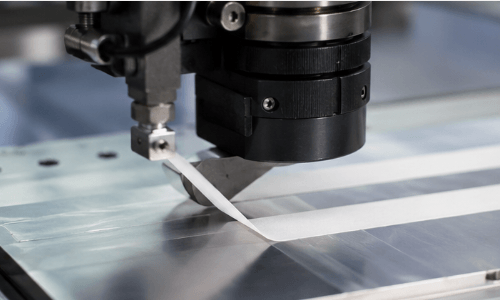
Industrial bonding requires precision and reliable materials to ensure long-term stability. Many manufacturers rely on double sided tissue tape for its flexibility and strong initial tack. This tape consists of a non-woven tissue carrier coated on both sides with high-performance adhesive.
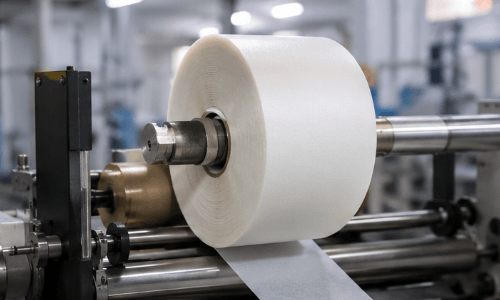
Selecting the right tape ensures your components stay bonded under various environmental stresses. Choosing the wrong adhesive can lead to bond failure and increased production costs. In 2026, the demand for lightweight and thin bonding solutions continues to grow significantly.
Double sided tissue tape offers an excellent balance of conformability and strength. It works exceptionally well on uneven surfaces where rigid tapes might fail. You must understand the specific requirements of your substrate before making a final selection. This article provides the technical insights needed to make an informed commercial decision.
What Factors Determine Double Sided Tissue Tape Performance?
The performance of any double sided tissue tape depends heavily on its adhesive chemistry. Most industrial versions use either solvent-based acrylic or hot-melt rubber adhesives. Acrylic adhesives offer superior resistance to UV light and high temperatures. They are ideal for outdoor applications or environments with fluctuating heat levels.
Rubber-based adhesives provide a much higher initial grab on difficult surfaces. They work well for temporary bonding or for materials with low surface energy. However, rubber adhesives may degrade faster when exposed to direct sunlight over long periods. You must evaluate the environmental conditions of your final product carefully.
Carrier thickness also plays a vital role in how the tape performs. Tissue carriers are typically very thin, ranging from 0.08mm to 0.15mm in total thickness. This thin profile allows for seamless bonding in tight electronic or automotive assemblies. It ensures the bond line remains nearly invisible to the end user.
How to Match Double Sided Tissue Tape to Specific Substrates?
Substrate compatibility is the most critical step in the industrial bonding process. Different materials like plastics, metals, and foams react differently to chemical adhesives. You must identify the surface energy of the material you intend to bond. Metals and glass have high surface energy and bond easily with most tapes.
Low surface energy materials like polyethylene or polypropylene require a specific double sided tissue tape. These surfaces often repel standard adhesives, leading to premature peeling or lifting. High-tack formulations are designed specifically to “wet out” these challenging surfaces effectively. Using the wrong tape on low-energy plastics usually results in immediate bond failure.
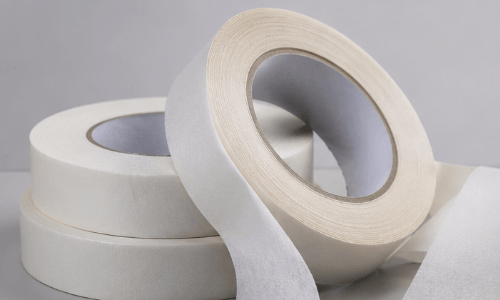
Surface texture also influences how well the double sided tissue tape adheres. Smooth surfaces allow for maximum contact area between the adhesive and the substrate. Rough or porous materials like wood and foam require a thicker adhesive layer. The tissue carrier allows the adhesive to flow into the microscopic valleys of a rough surface.
Analyzing Industrial Bonding Strength and Durability
Scientific data provides the most reliable way to compare different tape options. Standard industrial tests measure peel adhesion, shear strength, and temperature resistance. High-quality double sided tissue tape often features peel adhesion values between 15 and 22 N/25mm. These figures ensure the tape can handle significant mechanical stress during its service life.
Temperature resistance is another crucial metric for industrial applications in 2026. Many tissue tapes can withstand continuous temperatures up to 80°C without losing structural integrity. Short-term exposure to temperatures as high as 150°C is possible for certain specialized acrylic versions. Always check the technical data sheet for the specific thermal limits of your chosen product.
Shear strength measures the ability of the adhesive to resist sliding forces. In vertical bonding applications, high shear strength prevents the bonded parts from slipping over time. Tests conducted in 2026 show that solvent acrylic tissue tapes maintain 95% of their bond strength after moisture exposure. This durability is essential for components used in appliance manufacturing or automotive interiors.
Finding Quality Solutions for Industrial Double Sided Tape
Determining the right supplier is just as important as choosing the tape itself. You should look for manufacturers that provide consistent quality and detailed technical specifications. Professional grade industrial double sided tape helps ensure structural integrity in 2026 manufacturing. Reliable suppliers offer various widths and lengths to fit specific production line requirements.
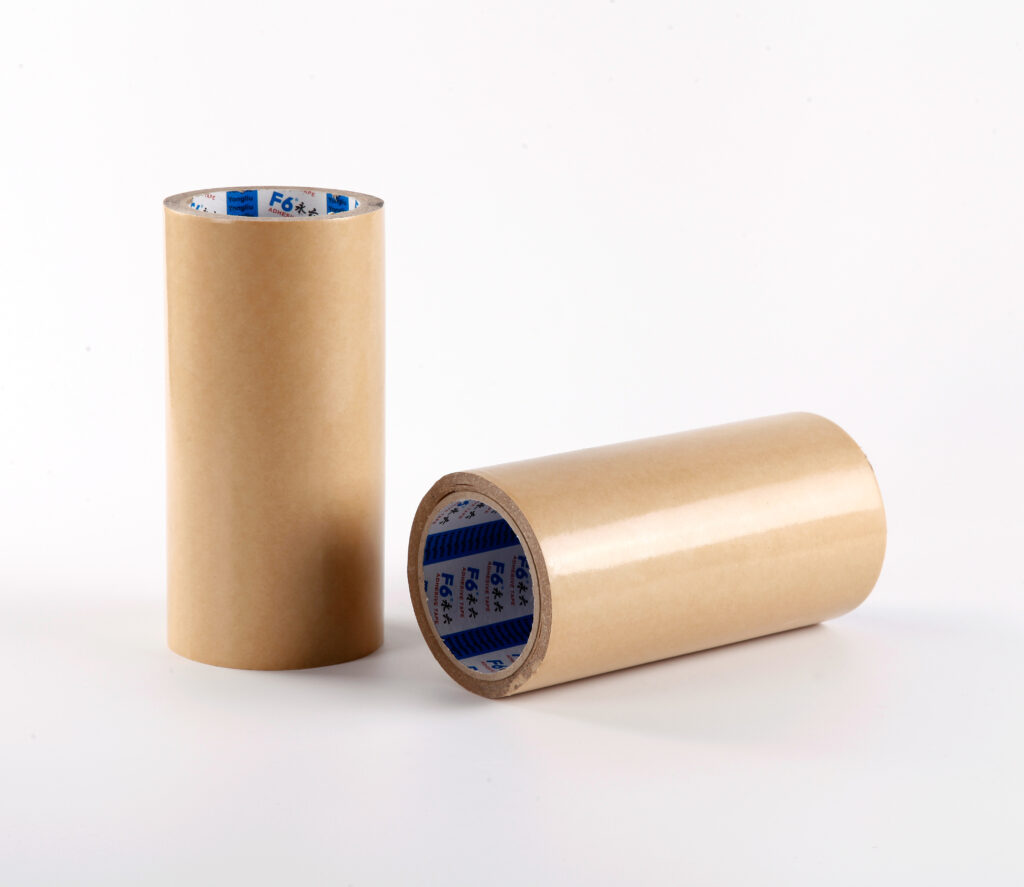
A high-quality product should be easy to handle during the application process. Hand-tearable tissue carriers increase efficiency on the assembly floor by reducing tool dependency. You should also verify the release liner quality to prevent issues with high-speed automated dispensers. A consistent liner release ensures that production remains smooth and free of unnecessary downtime.
If your project involves complex geometries, test the conformability of the tape first. The non-woven carrier should bend easily around curves without cracking or lifting at the edges. Requesting samples for testing on your specific substrates is the best way to verify performance. This proactive approach prevents costly errors once full-scale production begins in your facility.
PRO TIP
When applying double sided tissue tape, always ensure the surface is clean and dry. Use a 50:50 mixture of isopropyl alcohol and water to remove oils or dust. Apply firm pressure across the entire bond area to activate the pressure-sensitive adhesive. This simple step can increase the final bond strength by up to 30% compared to light application.
Summary
Choosing the best double sided tissue tape requires balancing adhesive chemistry with substrate surface energy. Focus on technical specs like peel strength and temperature resistance to ensure long-term durability. By matching the tape carrier to your specific application, you achieve a reliable and professional bond.
FAQ
Can double sided tissue tape be used for permanent bonding?
Yes, most industrial-grade versions feature high-performance acrylic adhesives designed for permanent attachment. These tapes provide long-lasting bonds that resist aging and environmental degradation in 2026.
What is the difference between tissue tape and film tape?
Tissue tape uses a non-woven fiber carrier while film tape uses a solid plastic carrier. Tissue tape is easier to tear by hand and offers better conformability on irregular or curved surfaces.
How should I store double sided tissue tape to maintain its quality?
Store the tape in a cool, dry place away from direct sunlight and humidity. Ideal conditions are typically around 21°C and 50% relative humidity to ensure a shelf life of at least 12 months.
Is double sided tissue tape resistant to chemicals?
Acrylic-based tissue tapes generally offer good resistance to mild chemicals and oils. However, you should conduct specific compatibility tests if the tape will be submerged or heavily exposed to harsh solvents.
Can I use tissue tape on high-temperature machinery?
You must select a specialized high-temperature version if the machinery exceeds 100°C. Standard tissue tapes may soften and lose adhesion if they operate beyond their rated thermal window for extended periods.
Reference Sources
- ASTM International
https://www.astm.org/ - Pressure Sensitive Tape Council (PSTC)
https://pstc.org/ - International Organization for Standardization (ISO)
https://www.iso.org/ - Adhesives & Sealants Industry (ASI)
https://www.adhesivesmag.com/