
 Canada
 USA
USA Japan
Japan


How to Increase Adhesive Strength of Industrial Tape

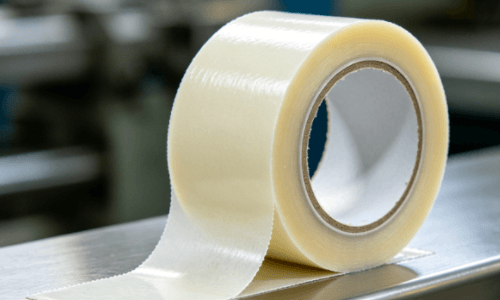
Achieving a permanent bond is critical for industrial efficiency and safety. You can increase adhesive strength tape performance by following specific application protocols. Most industrial failures occur due to improper surface preparation or environmental factors. Understanding the science of adhesion helps you avoid costly errors.
Adhesion depends on the molecular interaction between the tape and the surface. High-performance tapes require specific conditions to reach their maximum load-bearing capacity. These conditions include surface energy, application temperature, and physical pressure. By optimizing these factors, you ensure a reliable and long-lasting bond.
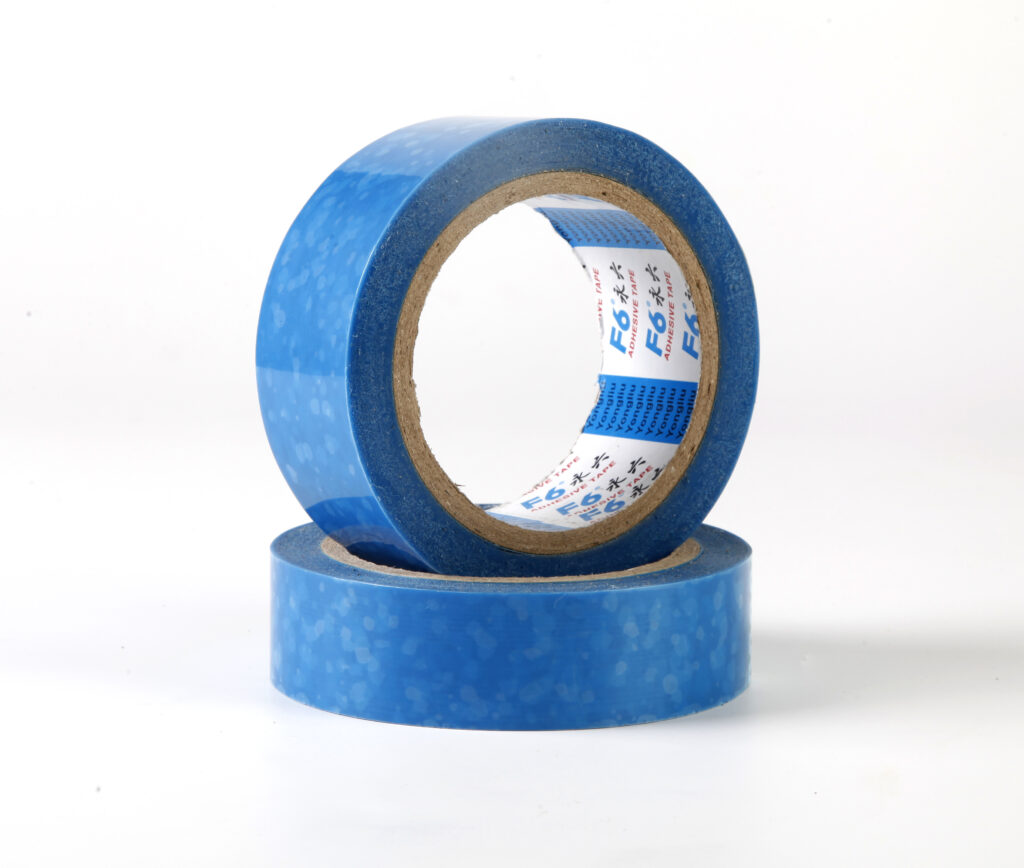
Understanding Factors That Impact Bond Strength
Surface energy is a primary factor in how well an adhesive “wets” a substrate. High surface energy materials, like stainless steel, allow adhesives to spread easily. Low surface energy materials, such as PTFE or polyethylene, often resist bonding. You must match your adhesive type to the specific material surface energy.
Temperature significantly influences the flow of the adhesive mass. Most industrial tapes are designed for application between 21°C and 38°C (70°F to 100°F). Applying tape in cold environments reduces the initial “tack” or stickiness. This prevents the adhesive from flowing into the microscopic valleys of the surface.
Dwell time is the period required for the bond to reach full strength. Adhesives do not reach their maximum capacity the moment they are applied. Usually, a bond reaches 50% strength after 20 minutes. It typically takes 72 hours for a high-performance adhesive to achieve 100% strength.
5 Effective Ways to Increase Adhesive Strength Tape
To effectively increase adhesive strength tape performance, you must first focus on surface cleanliness. Contaminants like oil, dust, and moisture act as barriers to bonding. Even fingerprints can leave oils that compromise the integrity of the adhesive. Always use a clean, lint-free cloth for the final wiping stage.
Mechanical abrasion is a proven method to enhance the physical bond. Lightly sanding a surface increases the total surface area available for the adhesive. This process creates “teeth” that allow the adhesive to grip the substrate mechanically. Be sure to remove all sanding debris before applying the tape.
Applying firm and uniform pressure is essential for pressure-sensitive adhesives (PSA). Use a roller or a squeegee to ensure 100% contact across the entire surface. For many industrial tapes, a pressure of 15 psi is recommended for initial contact. This pressure forces the adhesive into the surface texture for a deeper bond.
| Factor | Recommended Action | Impact on Strength |
| Surface Cleaning | Use 50:50 Isopropyl Alcohol/Water | Prevents bond interference |
| Temperature | Maintain 21°C to 38°C | Ensures proper adhesive flow |
| Pressure | Apply 15+ PSI with a roller | Maximizes surface contact |
| Dwell Time | Wait 72 hours for full cure | Reaches 100% bond capacity |
| Abrasion | Light sanding (fine grit) | Increases bonding surface area |
Heating the surface or the tape can also improve initial adhesion. Warmth reduces the viscosity of the adhesive, allowing it to flow better. You can use a heat gun to gently warm the substrate before application. Do not overheat, as excessive temperatures can degrade the chemical structure of the tape.
Finally, selecting the correct adhesive chemistry for the environment is vital. Silicone adhesives perform well in extreme heat but have lower initial tack. Acrylic adhesives offer excellent UV resistance and long-term durability. Ensure the chemical properties of the tape align with your operational environment.
Surface Preparation: The Key to Maximum Adhesion
Proper surface preparation can increase adhesive strength tape longevity by up to 300%. The most common cleaning agent is a mixture of 50% isopropyl alcohol and 50% water. This solution effectively removes most common oils and light contaminants. For heavy grease, you may need stronger degreasers that leave no residue.
Primers are chemical treatments that create a new bonding surface on the substrate. They are especially useful for low surface energy plastics and powder-coated paints. A primer acts as a bridge between the difficult substrate and the tape adhesive. This step is often necessary for safety-critical industrial applications.
Consistency in the preparation process reduces the risk of bond failure. Documenting your cleaning and application steps ensures quality control across large projects. If the surface is porous, such as wood or concrete, it must be sealed. Sealing prevents the adhesive from being “absorbed” away from the contact interface.
Selecting the Right Industrial Tape for Your Application
Choosing the correct tape involves more than just checking the adhesive strength. You must evaluate the backing material and its resistance to external stressors. For example, PTFE tapes are ideal for high-heat environments and chemical exposure. Polyimide tapes offer superior electrical insulation for electronics manufacturing.
If your application involves high tension, look for tapes with high tensile strength. Fiberglass reinforced tapes provide the structural integrity needed for heavy bundling. Conversely, PET or polyester tapes are excellent for masking and surface protection. Each material interacts differently with the adhesive layer to provide specific benefits.
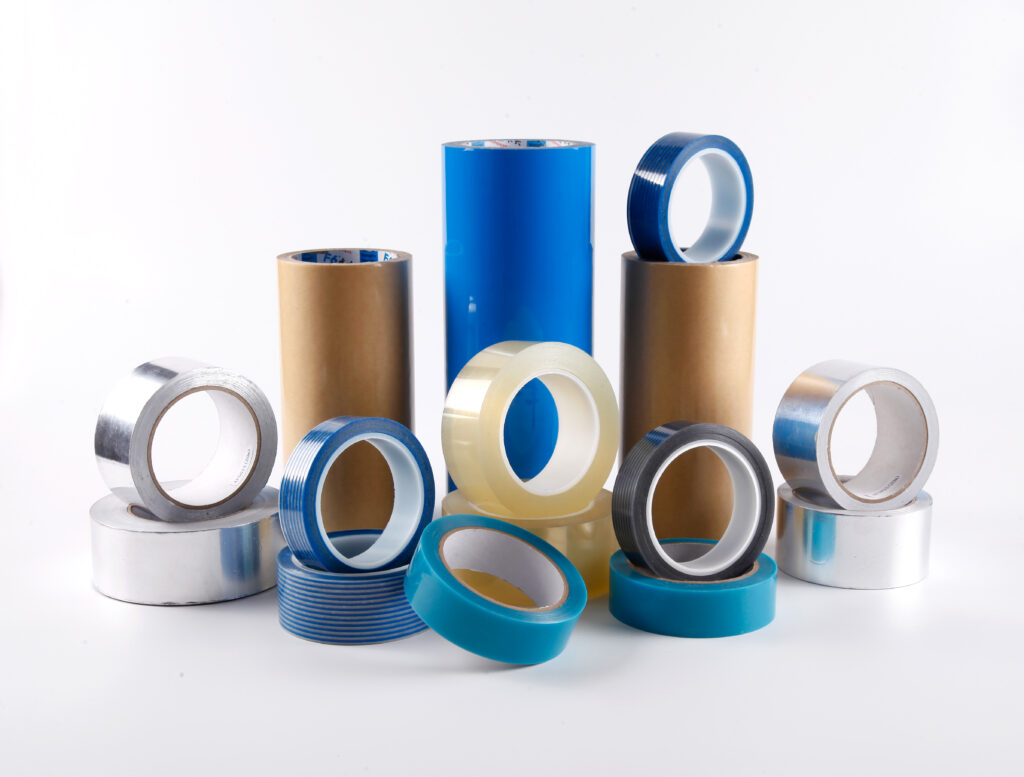
Understanding your specific substrate is the first step in the selection process. Different tapes are formulated to bond with specific materials like glass, metal, or plastic. You should consider the environmental conditions, such as humidity and UV exposure. Evaluating these criteria helps you find the most reliable solution for your needs.
Summary
To increase adhesive strength tape performance, prioritize surface cleanliness, apply consistent pressure, and allow for proper dwell time. Maintaining an optimal temperature during application ensures the adhesive flows correctly. By matching the tape material to your specific environment, you achieve a secure and permanent industrial bond.
FAQ
How can I make tape stick better to plastic?
You should clean the plastic with alcohol and use a dedicated surface primer. Primers increase the surface energy, allowing the adhesive to create a stronger chemical bond.
Does heating tape make it stick better?
Yes, gentle heat lowers the adhesive’s viscosity and allows it to “wet” the surface more effectively. This is particularly useful when applying tape in cold or damp environments.
How long does it take for industrial tape to fully bond?
Most high-performance industrial tapes require 72 hours to reach 100% strength. Avoid applying heavy loads to the bond during the first 24 hours of application.
Can I reuse industrial tape to save costs?
No, industrial tapes are designed for single-use applications only. Reusing tape compromises the adhesive structure and significantly reduces the total bond strength.
What is the best way to apply pressure to industrial tape?
Use a rubber J-roller or a weighted roller to apply uniform pressure. This ensures that the adhesive makes full contact with the microscopic peaks and valleys of the surface.
Reference Sources
- PSTC (Pressure Sensitive Tape Council) – Test Methods for Pressure Sensitive Tapes.
https://pstc.org/ - ASTM International – Standard Test Method for Peel Adhesion of Pressure-Sensitive Tape.
https://www.astm.org/ - ScienceDirect – Mechanics of Adhesion and Pressure Sensitive Adhesives.
https://www.sciencedirect.com/