
 Canada
 USA
USA Japan
Japan


Why Use Pressure Sensitive Adhesive in Manufacturing?

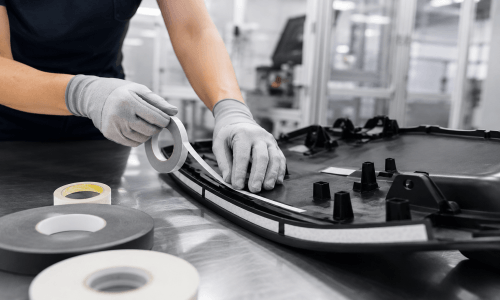
Pressure sensitive adhesives (PSAs) have transformed how companies assemble products in 2026. These materials bond surfaces through light pressure alone. They require no heat, water, or solvents to activate. This makes them highly efficient for high-speed production lines. One of the primary psa adhesive benefits is the elimination of curing time. Unlike liquid glues, PSAs offer immediate handling strength. This allows products to move quickly to the next stage of manufacturing.
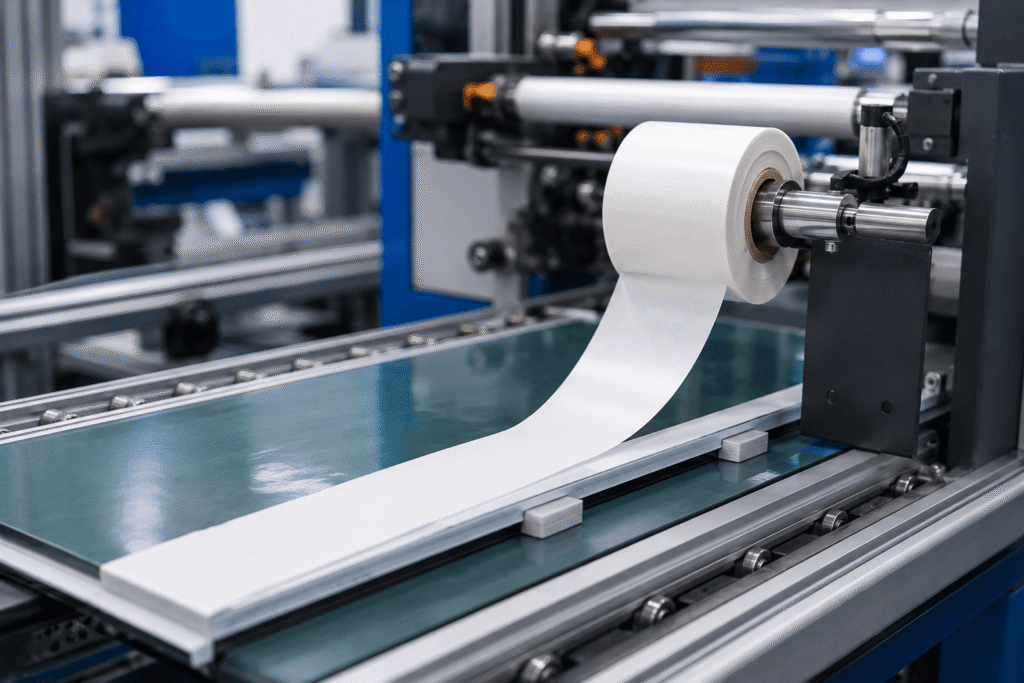
Engineers increasingly choose PSAs to replace traditional mechanical fasteners. Screws and rivets create stress points that can weaken materials. Pressure sensitive adhesives distribute stress evenly across the entire bond area. This prevents localized fatigue and extends the lifespan of the assembly. Manufacturers also value the clean aesthetic that tapes provide. There are no visible fastener heads or messy glue squeeze-out.
In the automotive and electronics sectors, weight reduction is a critical goal. PSAs are significantly lighter than metal hardware. Switching to adhesive bonding can reduce the overall weight of a component by up to 15 percent. This improvement enhances fuel efficiency and portable device ergonomics. The versatility of these adhesives allows for bonding dissimilar materials. You can easily join plastic to metal without risking galvanic corrosion.
What are the primary psa adhesive benefits?
The most significant advantage of PSAs is the simplification of the manufacturing process. Conventional bonding methods often require complex mixing or expensive ventilation systems. PSAs are ready-to-use and do not release volatile organic compounds (VOCs). This creates a safer and more environmentally friendly workplace. It also reduces the regulatory burden on manufacturing facilities in 2026.
Another benefit involves the dampening of noise and vibration. In machinery and appliances, metal fasteners can rattle over time. Pressure sensitive adhesives act as a flexible cushion between moving parts. This acoustic insulation improves the perceived quality of the final product. It also protects sensitive electronic components from mechanical shock during transport.
Cost reduction is a driving factor for many industrial facilities. While the tape itself has a cost, the total applied cost is often lower. Using PSAs reduces labor costs by accelerating the assembly sequence. Workers do not need specialized training to apply tape. Furthermore, there is no need for expensive drilling or welding equipment.
| Feature | Mechanical Fasteners | Pressure Sensitive Adhesive |
| Assembly Speed | Slow (drilling/tightening) | Fast (instant bond) |
| Stress Distribution | Concentrated at holes | Uniform across surface |
| Weight Impact | Increases weight | Minimal weight added |
| Vibration Control | Poor (can loosen) | Excellent (dampening) |
| Aesthetics | Visible hardware | Invisible bond lines |
How does PSA technology improve bond durability?
Modern PSAs are engineered to withstand extreme environmental conditions. In 2026, high-performance acrylic PSAs maintain their integrity in temperatures exceeding 150°C. Chemical resistance is a core feature of industrial-grade pressure sensitive adhesives. They can resist oils, fuels, and ultraviolet radiation without losing adhesion. This makes them suitable for both indoor and outdoor applications.
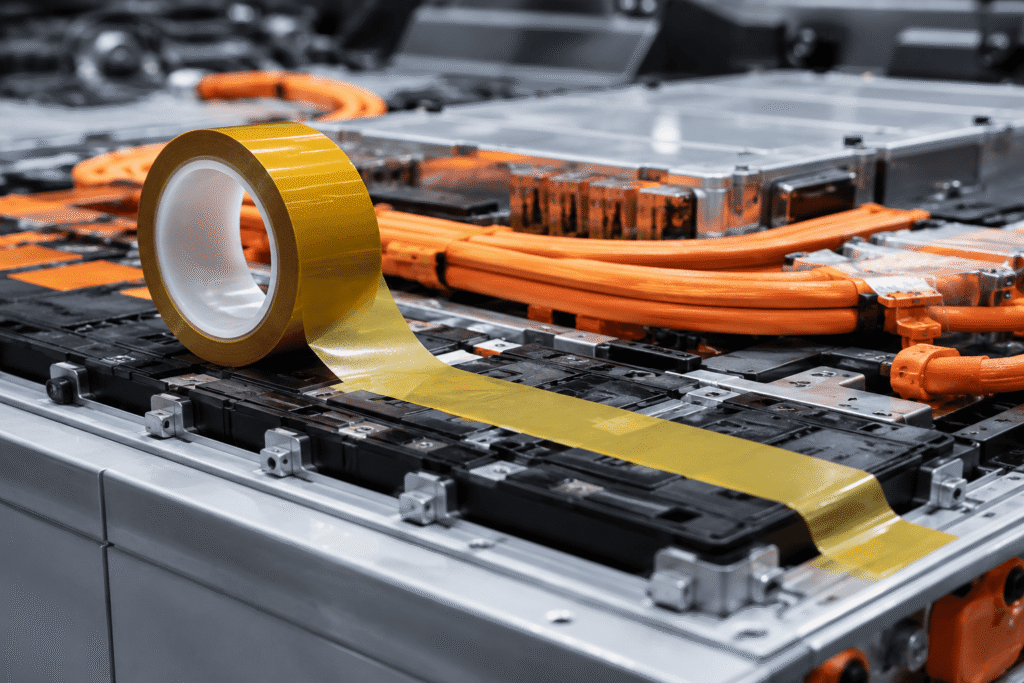
The concept of “wetting out” is essential for long-term bond strength. When pressure is applied, the adhesive flows into the microscopic valleys of the surface. This creates a high level of molecular contact between the tape and the substrate. Over the first 72 hours, the bond typically increases in strength. This progression ensures the assembly can handle significant shear forces.
Peel strength and shear resistance are the two metrics used to measure durability. Peel strength refers to the force required to pull the tape off the surface. Shear resistance measures the ability to resist sliding under load. High-viscosity PSAs provide exceptional resistance to static loads. This prevents components from shifting or sagging over the life of the product.
Choosing the Right Tissue PSA for Industrial Tasks?
Selecting the correct adhesive carrier is just as important as the chemistry. Tissue-based tapes are popular because they conform well to irregular surfaces. An ultra viscosity tissue double sided tape provides a stable foundation for complex bonds. The tissue carrier allows for easy hand-tearing, which speeds up manual application. It also provides dimensional stability to thin foam or rubber materials.
When working with nameplates or membrane switches, thickness consistency is vital. A high-quality ultra viscosity tissue double sided tape ensures a flat profile. This model is particularly effective for bonding to textured plastics and foams. Its high initial tack means parts stay in place immediately upon contact. This is crucial for avoiding misalignment errors during rapid assembly.
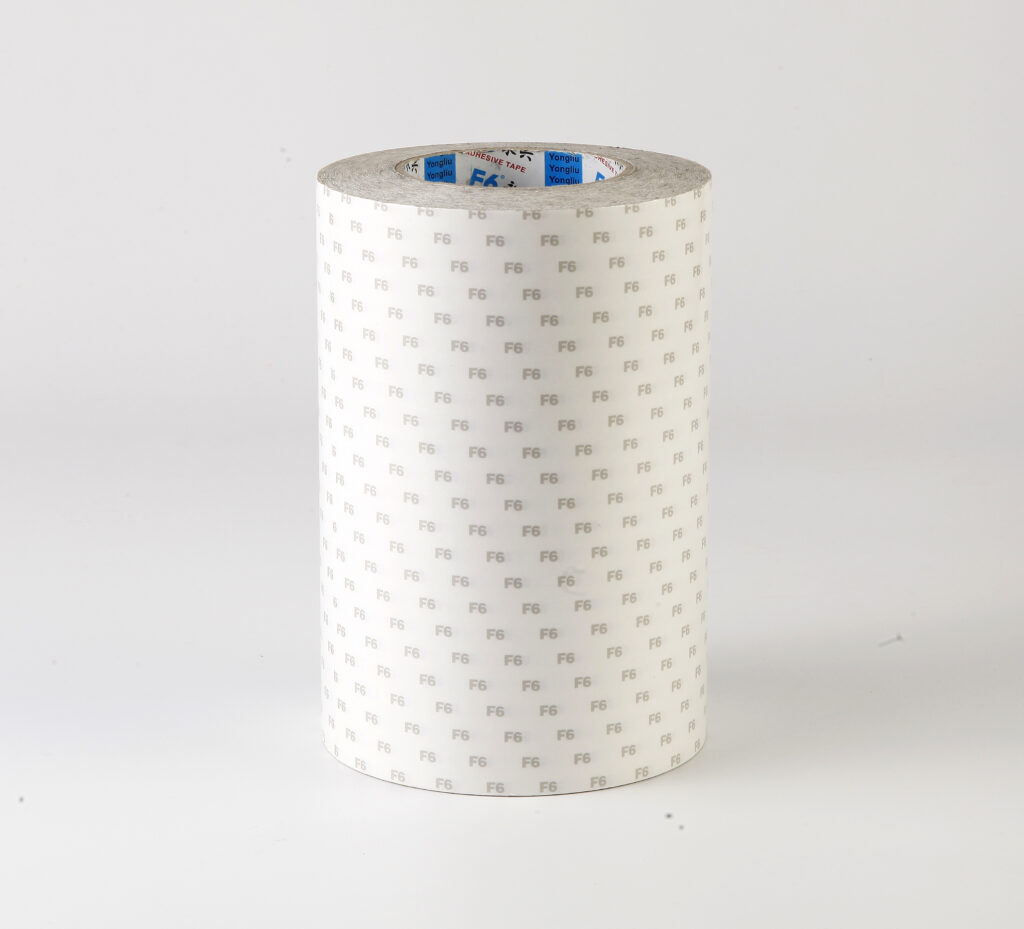
Manufacturers must also consider the surface energy of their substrates. Low surface energy (LSE) plastics, like polyethylene, are notoriously difficult to bond. Specially formulated tissue PSAs can penetrate LSE surfaces for a permanent hold. Evaluating the specific viscosity of the adhesive helps in matching the tape to the material. A more aggressive adhesive is usually required for porous or rough surfaces.
PRO TIP
Always clean the bonding surfaces with a 50/50 isopropyl alcohol and water mixture before application. Removing oils and dust ensures that the PSA achieves maximum “wet-out” on the substrate. Even a small amount of skin oil can reduce bond strength by over 20 percent. For 2026 production standards, automated cleaning and application systems are recommended for the highest consistency.
Summary
The decision to use pressure sensitive adhesive in manufacturing is driven by efficiency and performance. The most impactful psa adhesive benefits include faster assembly times and superior stress distribution. By replacing mechanical fasteners, companies can create lighter, more durable, and more attractive products. Selecting the right tissue-based tape ensures a reliable bond across diverse industrial applications.
FAQ
Why should I choose PSA over liquid adhesives?
PSAs provide an instant bond without the need for drying or curing equipment. This eliminates the bottleneck of waiting for glues to set on the production line.
Can pressure sensitive adhesives hold heavy loads?
Yes, high-performance PSAs are designed for structural and semi-structural industrial applications. Their shear resistance allows them to support significant weight when applied to a sufficient surface area.
How long does a PSA bond last?
Most industrial PSAs are designed to last the entire life of the product, often exceeding 20 years. Their resistance to aging and environmental factors ensures long-term reliability in 2026.
Are PSAs difficult to apply in cold environments?
Standard PSAs may lose tack in cold weather, but cold-weather versions remain functional. For best results, it is recommended to apply tape at room temperature to ensure proper surface wetting.
Reference Sources
- Pressure Sensitive Tape Council PSTC Technical Methods
https://pstc.org - ASTM International Standards for Adhesives
https://www.astm.org - European Adhesive Tape Association AFERA Industry Trends
https://www.afera.com - 3M Science of Adhesion Education Center
https://www.3m.com