
 Canada
 USA
USA Japan
Japan


Custom Adhesive Tape Manufacturing: A Complete Guide

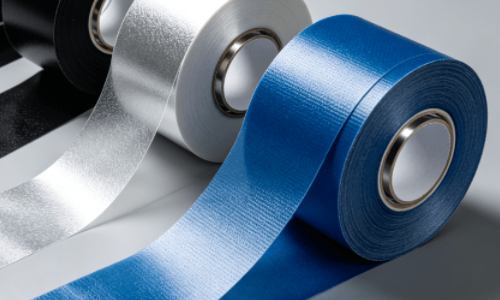
Selecting the right industrial materials is a critical decision for any logistics or manufacturing business. Standard tapes often fail to meet the specific demands of specialized packaging or extreme environments. Customadhesive tape manufacturing offers a tailored solution to these complex operational challenges. By customizing backings, adhesives, and dimensions, companies can significantly improve their packaging efficiency.
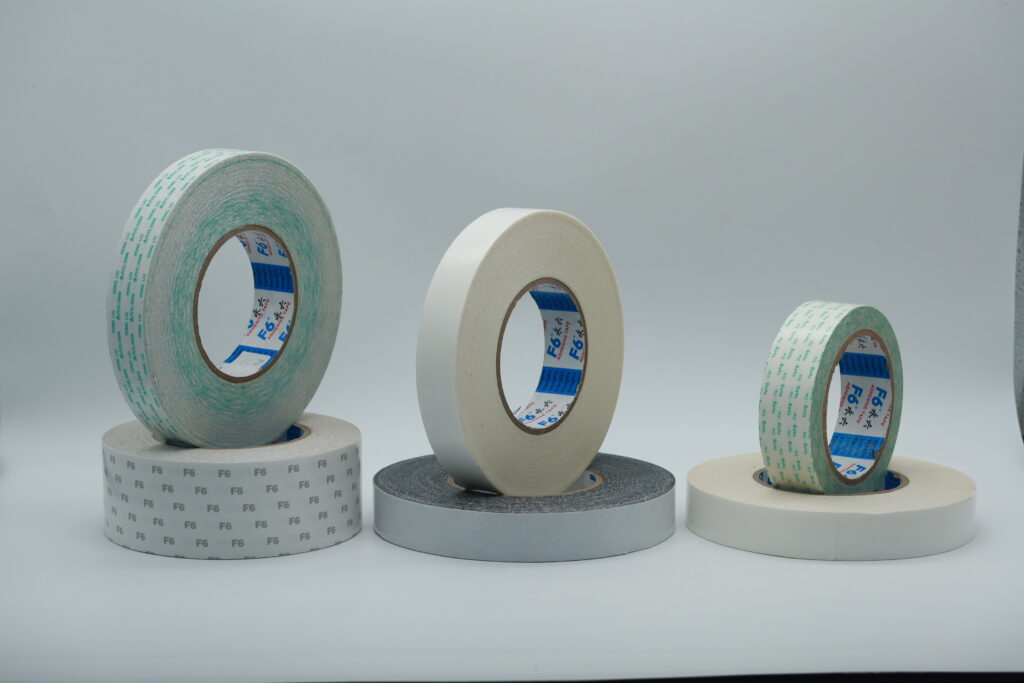
High-quality tape does more than just seal a box. It protects the integrity of the product and reinforces brand identity. The global adhesive tape market is projected to reach over $80 billion by 2027. This growth highlights the increasing reliance on specialized bonding solutions across various sectors. Understanding the nuances of production helps businesses make informed procurement decisions.
The Core Processes of Custom Adhesive Tape Manufacturing
The production of specialized tape involves several precise engineering stages. It begins with the selection of a carrier material, also known as the backing. Common carriers include BOPP film, crepe paper, cloth, or various types of foam. Each material offers different levels of tensile strength and flexibility.
Coating is the most technical phase of custom adhesive tape manufacturing. During this stage, manufacturers apply a precise layer of adhesive to the carrier. Modern coating machines utilize advanced sensors to maintain thickness accuracy within ±1 micron. This level of precision ensures consistent bonding performance across every inch of the roll.
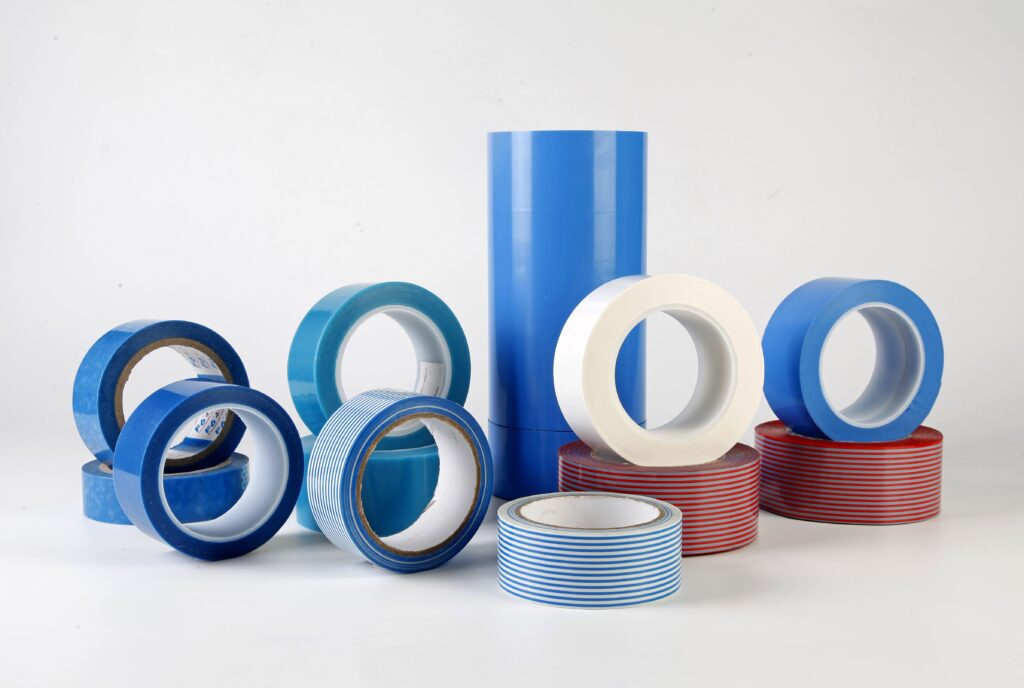
After coating, the large “jumbo rolls” undergo a drying or curing process. Once stable, the material is moved to the slitting department. Here, automated blades cut the wide rolls into specific widths requested by the client. Advanced slitting technology ensures clean edges, which prevents tearing during automated application.
Selecting Materials for Performance and Durability
The choice of adhesive determines how well the tape performs under stress. Most manufacturers offer three primary types: acrylic, hot melt, and natural rubber. Acrylic adhesives provide excellent UV resistance and long-term stability. Hot melt adhesives offer a quick initial bond, making them ideal for fast-paced shipping environments.
The substrate material must also align with the application environment. For example, reinforced filament tape is necessary for heavy-duty bundling. Conversely, masking tape requires a paper backing that allows for clean removal without residue. The following table summarizes the typical properties of common tape components.
| Component Type | Material Options | Primary Benefit |
|---|---|---|
| Backing | BOPP, PVC, Cloth, Foam | Tensile strength and flexibility |
| Adhesive | Acrylic, Hot Melt, Rubber | Bonding speed and temperature range |
| Release Liner | Paper, Film | Ease of unwinding and application |
Data shows that adhesive performance can vary by up to 40% based on surface energy. Custom adhesive tape manufacturing allows for the adjustment of adhesive “coat weight” to match specific surfaces. For instance, recycled corrugated cardboard often requires a higher coat weight for a secure seal. Understanding these variables prevents costly shipping failures and product damage.
Quality Standards in Professional Tape Production
Consistency is the hallmark of a reliable manufacturing partner. Leading producers adhere to international standards such as ISO 9001 to ensure process stability. They conduct rigorous testing on every batch produced. Common tests include peel adhesion, shear strength, and tensile strength measurements.
Peel adhesion testing measures the force required to remove the tape from a standard surface. Most industrial applications require a minimum peel strength of 25 N/100mm. Shear strength, on the other hand, measures the tape’s ability to resist sliding under a constant load. High shear strength is vital for tapes used in structural mounting or heavy carton sealing.
Environmental factors also play a significant role in tape reliability. Custom adhesive tape manufacturing can incorporate additives to resist extreme temperatures. Some specialized tapes can withstand environments ranging from -30°C to over 150°C. Verifying these technical specifications ensures the tape will not fail during transit through diverse climates.
Customization Options for Brand and Functionality
Customization extends beyond physical dimensions and adhesive strength. Printing is a popular feature for businesses looking to enhance their brand visibility. Manufacturers can print logos, handling instructions, or tamper-evident patterns directly onto the tape. This serves a dual purpose of marketing and security.
Size customization allows businesses to optimize their material usage. Standard roll lengths may not fit specialized automated machinery. Custom manufacturers can produce rolls in lengths exceeding 1,000 meters for high-volume industrial lines. This reduces the frequency of roll changes and increases overall production uptime.
Furthermore, width customization is essential for niche applications. While 48mm and 72mm are standard for shipping, some electronics require widths as narrow as 2mm. Custom adhesive tape manufacturing provides the flexibility to meet these micro-specifications. Having the exact width prevents material waste and ensures a cleaner finish on the final product.
How to Evaluate an Industrial Tape Partner
Choosing a manufacturer requires a deep look at their technical capabilities. You should prioritize partners who offer comprehensive material testing reports. A reliable supplier will provide samples for real-world testing before moving to full-scale production. This step is crucial for verifying compatibility with your specific application.
Evaluate the manufacturer’s lead times and minimum order quantities (MOQs). High-volume facilities may offer lower prices but require larger orders. Smaller, specialized shops might provide more flexibility for custom prototypes. Ensure the partner can scale production as your business requirements grow.
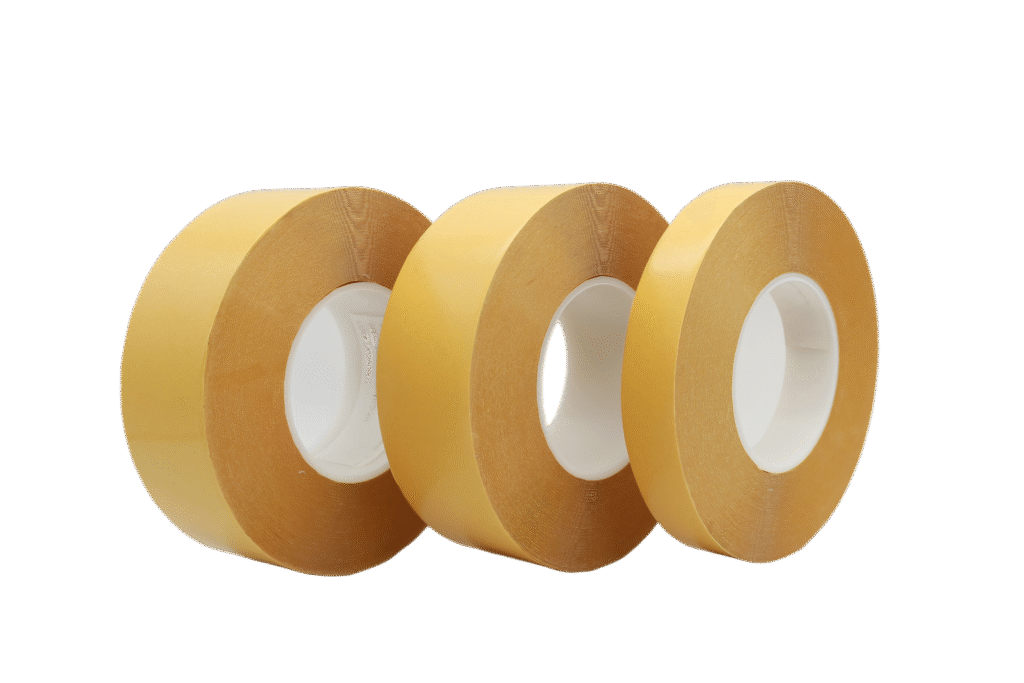
Finally, consider the technical support offered by the manufacturing team. Custom adhesive tape manufacturing is a collaborative process between the client and the engineer. A good partner will suggest material improvements to reduce your costs or improve performance. They should act as a technical consultant rather than just a commodity supplier.
Summary
Custom adhesive tape manufacturing provides the specific tools needed to solve unique industrial bonding and packaging problems. By selecting the right combination of substrates and adhesives, businesses can enhance security and efficiency. Success depends on choosing a partner with high precision, rigorous quality control, and the ability to customize every aspect of the tape.
FAQ
What is the minimum order quantity for custom tape?
MOQs typically vary between 500 and 5,000 rolls depending on the level of customization. Specialized prints or unique material backings usually require higher minimums to offset setup costs.
Can custom tapes be used in outdoor environments?
Yes, tapes can be engineered with UV stabilizers and weather-resistant acrylic adhesives. These modifications allow the tape to maintain its bond even when exposed to direct sunlight and moisture.
How long does the custom manufacturing process take?
Standard production cycles usually range from two to four weeks. This timeline includes material sourcing, coating, slitting, and quality assurance testing.
Is it possible to create eco-friendly custom tapes?
Many manufacturers now offer biodegradable backings and water-based adhesives. These options help companies meet sustainability goals without sacrificing significant bonding performance.
Reference Sources
- Pressure Sensitive Tape Council (PSTC): Industry standards for pressure-sensitive adhesive tapes.
https://pstc.org/ - ASTM International: Standard test methods for peel adhesion and shear strength of tapes.
https://www.astm.org/ - Adhesive and Sealant Council (ASC): Technical resources on adhesive technologies and market trends.
https://www.ascouncil.org/ - Statista: Market data and growth projections for the global adhesive tape industry.
https://www.statista.com/