
 Canada
 USA
USA Japan
Japan


Custom Adhesive Tape Manufacturing: B2B Sourcing Guide

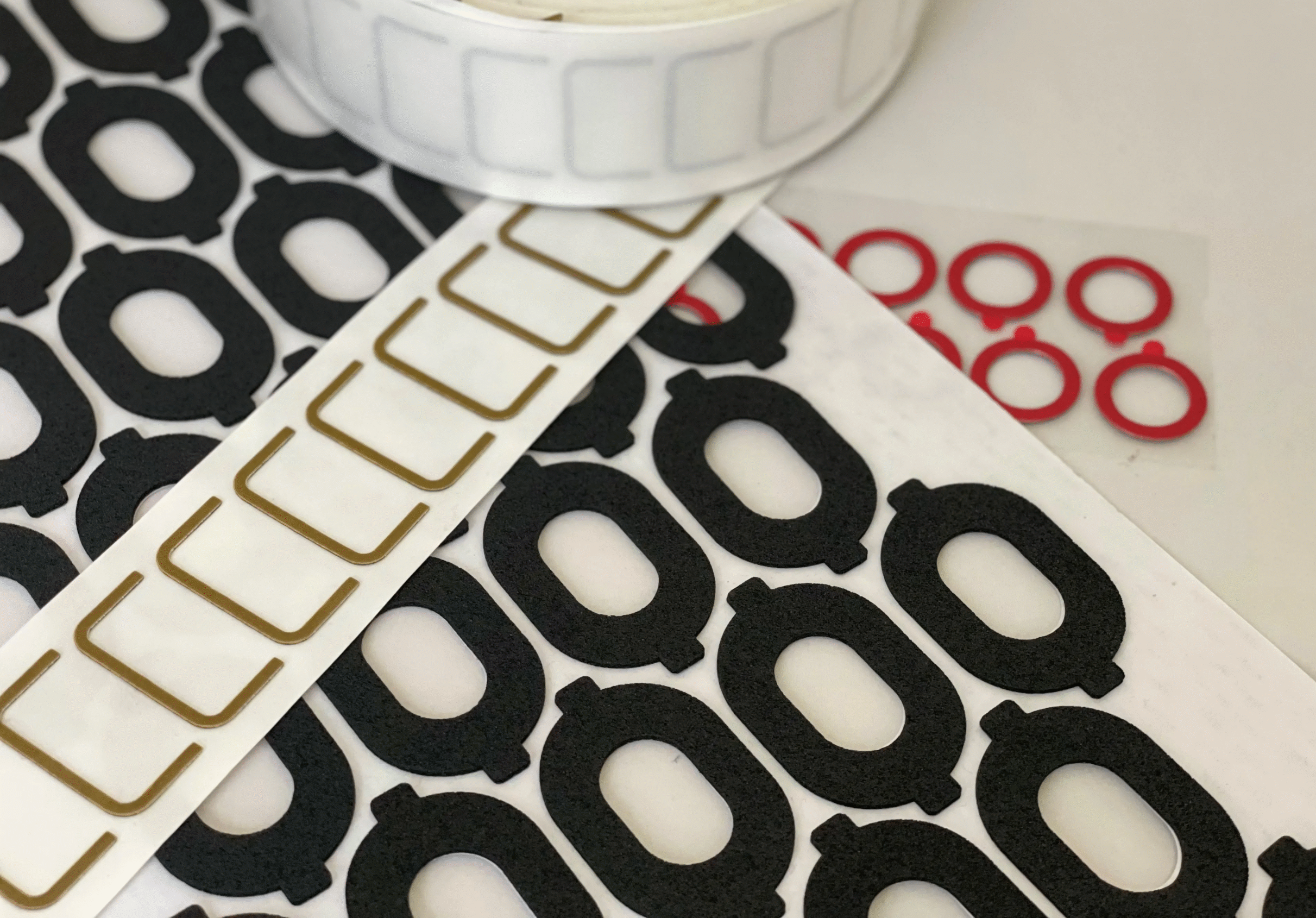
For procurement teams sourcing bonding solutions at production scale, the gap between a catalog sample and a validated production run is where most delays and cost overruns occur. Custom adhesive tape manufacturing bridges that gap — but only when the supplier has genuine formulation, coating, and slitting capabilities under one roof. This guide walks industrial buyers through the evaluation criteria, customization parameters, and RFQ workflow that separate a reliable OEM tape partner from a reseller.
What Custom Adhesive Tape Manufacturing Actually Involves
Custom adhesive tape manufacturing is the process of engineering tape products to specific performance, dimensional, and regulatory requirements — rather than supplying off-the-shelf rolls. A true manufacturer controls three core production stages in-house:
| Production Stage | Function | Customization Levers |
| Adhesive formulation | Polymerization of water-based or solvent-based PSA | Tack level, shear resistance, temperature range, VOC content |
| Coating | Applying adhesive to backing substrate (PET, tissue, foam, cloth) | Coat weight, thickness uniformity, multi-layer lamination |
| Slitting & rewinding | Cutting master rolls to customer-specified widths and lengths | Width tolerance, core ID, roll length, splicing |
Buyers often assume any supplier listing “custom” capabilities can modify formulations. In practice, many tape vendors source pre-coated jumbo rolls and only perform slitting. This limits customization to dimensions alone. When your application requires a specific peel adhesion value or a flame-retardant additive package, formulation-level control becomes non-negotiable.
Suppliers with in-house adhesive reactors can adjust polymerization parameters and material ratios to meet application-specific targets. F6 Tapes, for example, produces both water-based and solvent-based pressure-sensitive adhesives in its own facility. This matters for buyers working with challenging substrates like low-surface-energy plastics or outdoor-grade materials where standard formulations underperform.
In large-volume production runs, formulation consistency depends on reactor-level process control. A supplier that buys adhesive from multiple third-party sources may exhibit batch-to-batch variation that only surfaces after lamination — when remediation costs are highest.
How to Evaluate a Custom Tape Supplier Before Submitting an RFQ
Supplier qualification in the adhesive tape industry should go beyond catalog breadth. The following criteria determine whether a manufacturer can deliver consistent quality at production volume:
- In-house adhesive production: Indicates the ability to tune tack, shear, and peel performance without relying on third-party adhesive suppliers
- Coating line versatility: Multiple coating technologies (solvent-based, water-based, natural rubber) accommodate different substrate and performance requirements
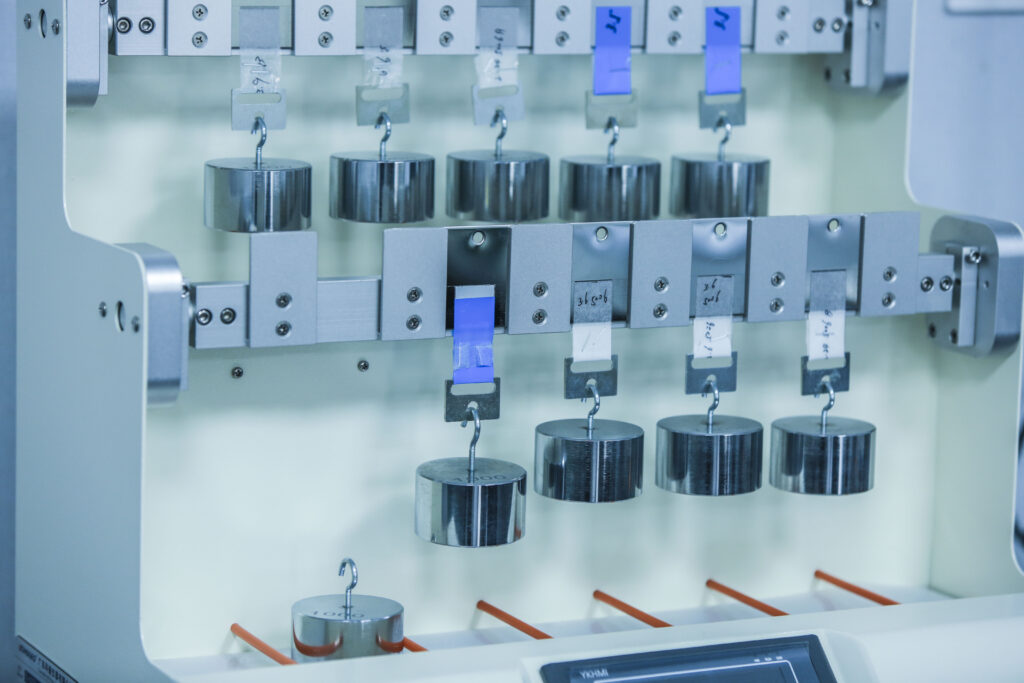
- Quality testing standards: Look for testing per recognized methods such as ASTM D3330 (peel adhesion), ASTM D3654 (shear adhesion), or GB/T 4851 (holding power)
- Regulatory compliance documentation: RoHS, REACH, and UL certifications should be available on request — not just claimed on a website
- Production scalability: Two or more coating lines reduce single-point-of-failure risk in your supply chain
Automotive environments typically require validated thermal cycling data and long-term UV stability evidence. Electronics buyers should confirm electrostatic discharge compatibility and outgassing limits. Construction applications demand accelerated weathering test results. A supplier that cannot produce sector-specific test data is a red flag, regardless of how broad their product range appears.
Sampling delays often occur when a manufacturer needs to outsource adhesive formulation changes or specialty backing materials. Confirm before RFQ submission which production stages are truly in-house and which depend on external partners.
Matching Tape Specifications to Industrial Application Environments
Different industries impose radically different demands on adhesive tape performance. Specifying the right parameters early in the RFQ process reduces iteration cycles and shortens time to first article approval.
Automotive and transportation applications require tapes with high-temperature resistance (120°C and above), long-term UV stability, and vibration damping capability. Tissue-based double-sided tapes with heat-resistant acrylic adhesive are commonly used for trim bonding, weatherstrip attachment, and interior panel assembly. F6’s F500 series exemplifies this category, using flexible tissue paper backing with acrylic adhesive optimized for foam bonding.
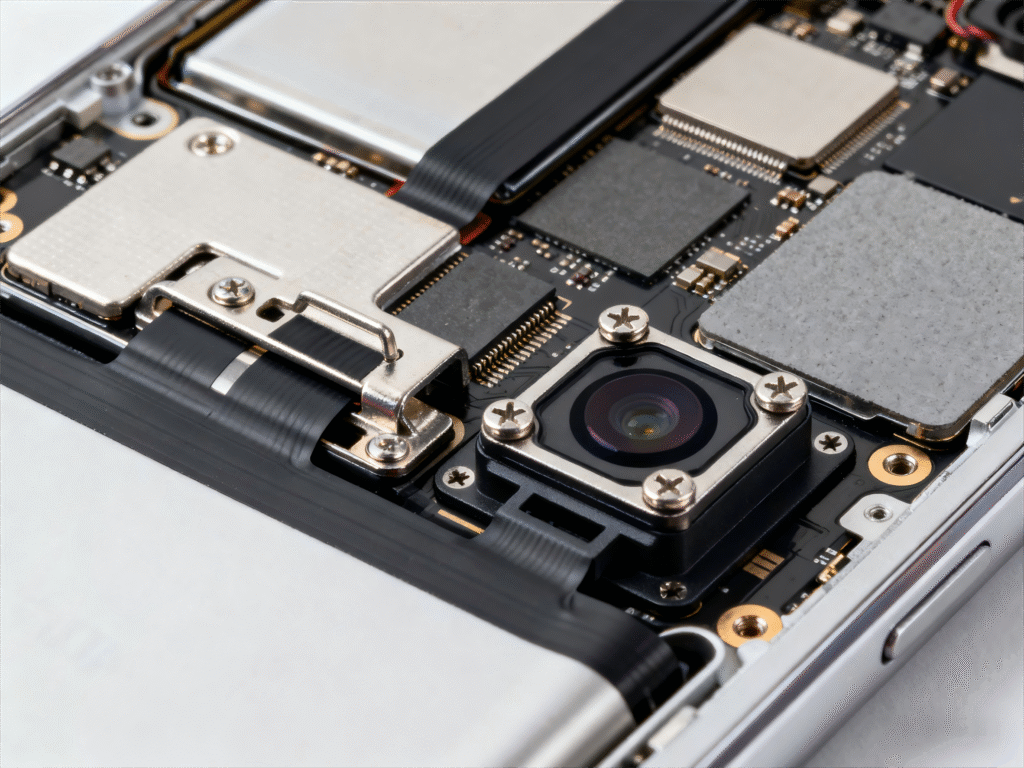
Home appliances and electronics demand tapes that perform across thermal cycling, leave no residue on removal, and comply with RoHS and REACH. PET holding tapes rated for 120°C clean removal suit temporary fixation of movable components during transport and assembly. The F3700 PET holding tape, for instance, leaves no adhesive residue or discoloration upon removal at elevated temperatures.
Building and construction environments call for moisture-resistant cloth tapes with strong initial tack. Reinforced cotton duck duct tapes handle sealing, bundling, and temporary repair on concrete, wood, and metal substrates where surface irregularity would defeat thinner film tapes.
| Application Sector | Recommended Tape Type | Key Performance Need |
| Automotive interior | Heat-resistant tissue double-sided | 120°C+ resistance, foam bonding |
| Electronic component holding | PET holding tape | Clean removal, no residue |
| Construction sealing | Cloth / duct tape | Moisture resistance, hand-tearable |
| Nameplate permanent bonding | Fiberglass mesh double-sided | High tensile strength, low surface energy bonding |
| Low-VOC interior assembly | Low-VOC tissue double-sided | Environmental compliance, minimal odor |
For low-surface-energy substrates — polyethylene, polypropylene, powder-coated metals — standard acrylic adhesives may underperform. Fiberglass mesh double-sided tapes with reinforced yarn distribute stress across a wider contact area. This achieves reliable bonds where conventional films delaminate within weeks of application.
Outdoor applications introduce UV degradation as a primary failure mode. Confirm that the adhesive formulation includes UV stabilizers and that the backing material resists photolytic breakdown. Natural rubber adhesives, while offering excellent initial tack, are generally less UV-stable than acrylic systems.
Customization Parameters to Define in Your RFQ
A well-structured RFQ for custom adhesive tape should specify the following parameters explicitly:
- Backing material: Tissue, PET, foam (PE / PU / EPDM), cloth, fiberglass mesh — each affects conformability, tensile strength, and temperature ceiling
- Adhesive type: Water-based acrylic, solvent-based acrylic, natural rubber, silicone — each offers distinct tack, shear, and environmental resistance profiles
- Total thickness: Including backing and adhesive layers; typical range spans 50 to 300 micrometers for industrial tapes
- Width and tolerance: Standard slitting tolerance is ±0.5 mm; tighter tolerances require precision slitting equipment and may increase cost
- Roll length and core ID: Jumbo rolls (1,000+ meters) for automated lines vs. log rolls for manual application vs. die-cut pieces for direct assembly
- Performance targets: Peel adhesion (N/25mm), holding power (hours at specified load and temperature), tack (steel ball number or rolling ball distance)
- Regulatory requirements: RoHS, REACH, UL 510 flame retardancy, FDA food-contact compliance — specify which apply and request third-party test reports
- Packaging format: Carton dimensions, pallet configuration, barcode labeling, and any retailer- or region-specific marking requirements
Including test method references — for example, “peel adhesion per ASTM D3330, 180-degree peel at 300 mm/min on stainless steel” — eliminates ambiguity. This precision prevents the most common cause of sample rejection: mismatched test conditions between buyer and supplier.
Lead times for fully custom formulations typically run 3 to 6 weeks from approved sample to first production run. Standard-spec slitting from existing master rolls can ship in 7 to 14 days. Confirm the supplier’s current coating line utilization before committing to a timeline. Peak season (Q3 to Q4 in the adhesive tape industry) often extends lead times by 30 to 50 percent.
MOQ structures vary by customization depth. Slitting existing master rolls to custom widths may start at 500 to 1,000 linear meters. Fully custom formulations requiring new adhesive chemistry typically carry minimums of 5,000 to 10,000 square meters. Some manufacturers offer pilot-scale trial runs at reduced MOQ for qualification purposes — ask whether this option exists.
Integrating F6 Tape’s Manufacturing Capabilities Into Your Supply Chain
F6 Tapes (Ningbo F6 Technology) operates two factories with integrated adhesive production, coating, and slitting lines — a vertically integrated structure that enables formulation-level customization. Their in-house adhesive reactors distinguish them from slitting-only converters who cannot modify adhesive chemistry.
The company’s product portfolio spans seven categories: industrial double-sided tape, foam double-sided tape, holding tape, duct tape, plate mounting tape, masking tape, and electrical tape. Adhesive systems include water-based acrylic, solvent-based acrylic, and natural rubber formulations. Backing materials range from tissue paper and PET film to fiberglass mesh and reinforced cotton duck.
For buyers prioritizing environmental compliance, F6 offers low-VOC, low-odor tissue tapes (F506) and water-based adhesive variants (F501A) that meet interior air quality standards. Flame-retardant tissue tapes (F503) serve applications where fire safety certification is mandatory. All products are tested per GB/T 4851 for holding power and carry RoHS and REACH compliance documentation.
Their manufacturing workflow follows four stages: adhesive production, coating, slitting, and global logistics. The coating lines handle PET, foam, and tissue bases with automated thickness control. Slitting and rewinding services accommodate customer-specified dimensions with precision tolerances.
When evaluating F6 — or any manufacturer — as a potential supplier, request the following during initial qualification:
- A technical data sheet (TDS) for the closest catalog match to your application requirements
- Sample rolls for substrate compatibility testing under your actual production conditions
- A coating line schedule estimate for your target production volume
- Third-party test reports for any claimed certifications (not self-declarations)
- A documented change-control process for when formulation adjustments are needed mid-program
This due diligence framework applies equally to any manufacturer under consideration. The goal is not to find the supplier with the broadest catalog, but the one whose manufacturing depth aligns with your technical and commercial requirements.
FAQ
What is the typical MOQ for custom adhesive tape orders?
MOQ varies by customization level. Standard-spec slitting from existing master rolls may require 500 to 1,000 linear meters. Fully custom formulations with new adhesive chemistry typically start at 5,000 to 10,000 square meters. Some manufacturers offer pilot trial runs at reduced MOQ for qualification. Confirm specific minimums during your initial inquiry.
How long does custom adhesive tape production take?
First-time custom orders generally run 3 to 6 weeks from approved sample to production delivery. Reorders of established specifications ship in 2 to 4 weeks. Peak-season lead times (Q3 to Q4) may extend by 30 to 50 percent. Always confirm the supplier’s current coating line schedule before committing to a delivery date.
Can custom adhesive tapes be supplied as die-cut pieces?
Yes. Many manufacturers offer die-cutting services in addition to roll format. Die-cut pieces reduce assembly time on production lines but require tooling investment and carry minimum order quantities. Confirm whether die-cutting is performed in-house or outsourced, as outsourced converting adds lead time and quality control complexity.
What certifications should I request from a custom tape manufacturer?
At minimum, request RoHS and REACH compliance documentation. For flame-retardant applications, ask for UL 510 or equivalent test data. For electronics manufacturing, IPC-compatibility testing may be relevant. For food-contact applications, request FDA-compliant material certifications. Always insist on third-party test reports rather than supplier self-declarations.
How do I specify adhesive performance in an RFQ?
Reference recognized test methods: peel adhesion per ASTM D3330, shear adhesion per ASTM D3654, and holding power per GB/T 4851 or ASTM D3654. Include target values, test substrate, peel angle, and pull speed. This precision prevents the most common qualification delay: mismatched test conditions between buyer and supplier laboratories.
Reference Sources
- ASTM D3330 — Standard Test Method for Peel Adhesion of Pressure-Sensitive Tape. https://www.astm.org/d3330_d3330m-04.html
- ASTM D3654 — Standard Test Method for Shear Adhesion of Pressure-Sensitive Tape. https://www.astm.org/d3654_d3654m-06.html
- ASTM D3652 — Standard Test Method for Thickness of Pressure-Sensitive Tape. https://www.astm.org/d3652_d3652m-06.html
- GB/T 4851-1998 — Test Method for Holding Power of Pressure-Sensitive Adhesive Tape. https://www.chinesestandard.net
- ISO 29862:2019 — Self-adhesive tapes — Determination of peel adhesion properties. https://www.iso.org/standard/70437.html
- UL 510 — Standard for Polyvinyl Chloride, Polyethylene, and Rubber Insulating Tape. https://www.shopulstandards.com
- RoHS Directive 2011/65/EU — Restriction of Hazardous Substances in Electrical and Electronic Equipment. https://eur-lex.europa.eu
- REACH Regulation (EC) No 1907/2006 — Registration, Evaluation, Authorisation and Restriction of Chemicals. https://eur-lex.europa.eu