
 Canada
 USA
USA Japan
Japan


High-Performance Packaging Adhesive Tape: A Technical Engineering Guide

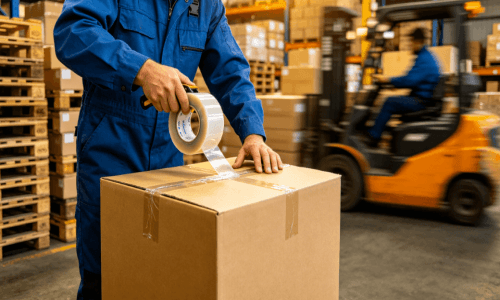
In the global supply chain, the integrity of a shipment often rests on a few microns of polymer and adhesive. Packaging adhesive tape is not a singular commodity but a highly engineered multi-layer system designed to manage mechanical stress, environmental variables, and substrate energy. For packaging engineers and logistics managers, understanding the interaction between the carrier material and the adhesive matrix is essential for ensuring load stability and preventing transit damage.
Industrial-grade tapes must perform under dynamic loads. Unlike consumer-grade alternatives, industrial solutions prioritize shear strength—the ability of an adhesive to resist sliding—and tensile strength, which dictates how much force the tape can withstand before breaking.
Core Material Components: Backing and Adhesive Chemistries
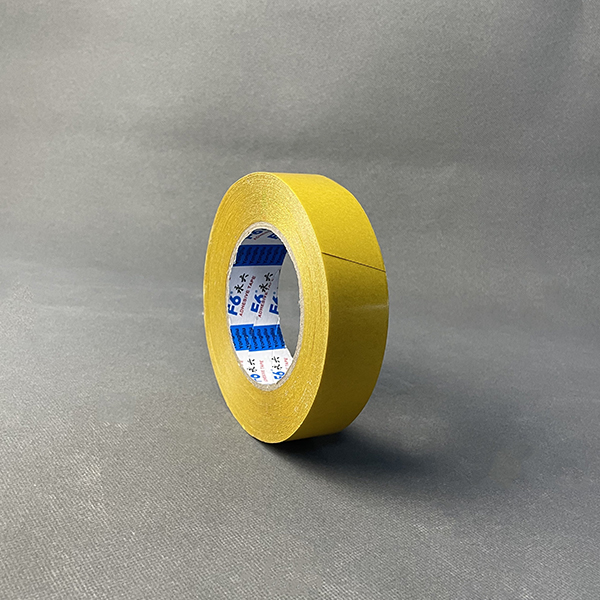
The performance of any packaging adhesive tape is dictated by its “sandwich” construction: the backing (carrier), the primer, the adhesive, and sometimes a release coat.
1. The Carrier (Backing)
The backing provides the structural framework. Common materials include:
- BOPP (Biaxially Oriented Polypropylene): The industry standard for carton sealing due to its high clarity and cost-effectiveness.
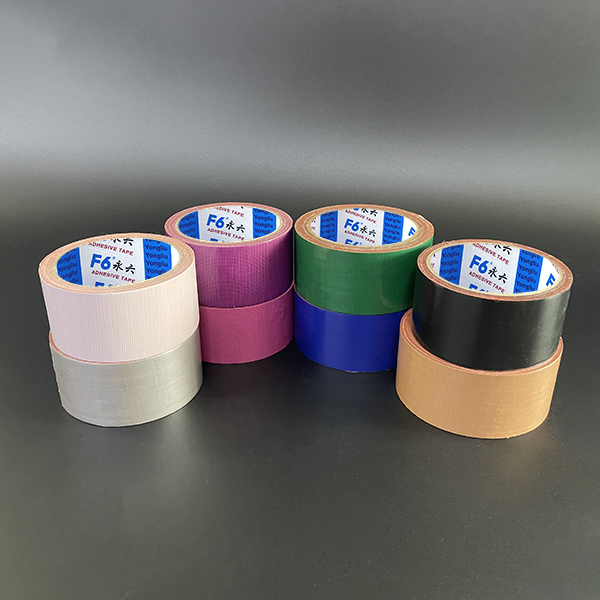
- Cloth/Polyethylene (PE): Found in products like F002 Duct Tape, providing high conformability and hand-tearability for irregular bundling.
- Reinforced Filaments: Synthetic fibers or fiberglass integrated into the carrier to eliminate stretching under high tension.
2. Adhesive Systems
- Synthetic Rubber (Hot Melt): Offers the highest initial “grab” (tack). It is ideal for automated high-speed packaging lines where the bond must be instantaneous.
- Acrylic Adhesive: Known for UV resistance and longevity. It is the preferred choice for long-term storage or environments with fluctuating temperatures.
- Natural Rubber: Provides the most versatile bond, performing well on recycled corrugated liners and in cold-storage environments.
Technical Comparison: Reinforced vs. Standard Carriers
When securing heavy loads or palletizing goods, standard BOPP tape often reaches its elastic limit. This is where reinforced fiberglass tapes become critical. By embedding glass filaments into the adhesive layer, manufacturers can create tapes that are virtually non-extensible.
| Technical Property | Standard Packaging Tape (BOPP) | Mesh Fiberglass Tape (F202) | Striped Fiberglass Tape (F203) |
| Tensile Strength | Moderate (approx. 20-30 lbs/in) | Extremely High (Bi-directional) | Extremely High (Longitudinal) |
| Elongation at Break | High (Up to 150%) | Very Low (<3%) | Very Low (<3%) |
| Primary Failure Mode | Stretching/Snapping | Delamination | Splitting (if torqued) |
| Best Use Case | Light-to-medium carton sealing | Palletizing, Heavy Bundling | Structural Reinforcement |
The Role of Fiberglass Reinforcement in Heavy-Duty Logistics
In high-stress industrial applications, the geometry of reinforcement matters.
Bi-directional Mesh Reinforcement
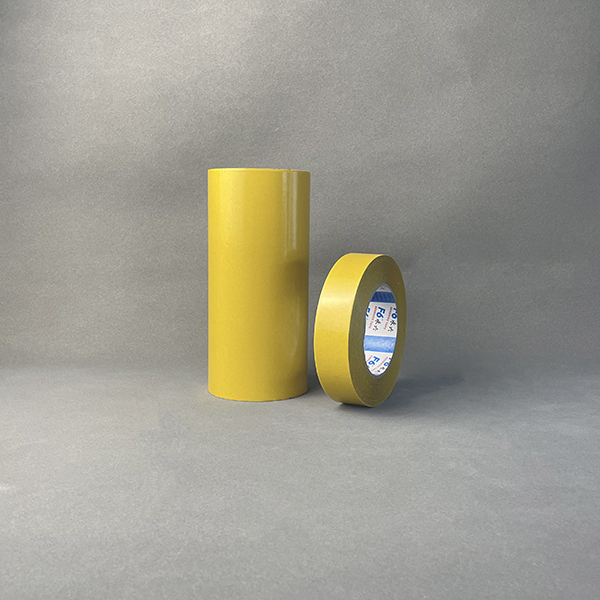
Solutions like F202 Mesh Fiberglass Double-Sided Tape utilize a cross-weave pattern. This engineering choice ensures that the tape resists tearing and stretching in both the longitudinal (lengthwise) and transverse (widthwise) directions. In the packaging industry, this is vital for securing heavy components inside a crate where shifting can occur in multiple planes.
Longitudinal Striped Reinforcement
Conversely, F203 Striped Fiberglass Double-Sided Tape focuses its strength along the machine direction. This is optimized for “strapping” applications. Because the glass filaments run parallel to the length of the roll, the tape can replace plastic or metal banding in many scenarios, offering high tensile resistance without the risk of cutting into the packaging material or injuring handlers.
Surface Energy and Substrate Compatibility
A common point of failure in industrial packaging is the “pop-open” effect, where the tape detaches from the carton. This is rarely a failure of the tape itself, but rather a mismatch between the adhesive and the substrate’s surface energy.
- Recycled Corrugated Fiberboard (RCF): These surfaces often have shorter fibers and more dust, requiring a “high-flow” adhesive like hot melt or natural rubber to penetrate the porous surface.
- Coated/Waxed Surfaces: These are low-surface-energy (LSE) materials. Standard tapes will bead up rather than wet out. Specialized high-tack adhesives are required to create a functional bond.
- Environmental Variables: Temperature is a major catalyst. Most packaging adhesive tapes have an “application temperature” (when the tape is applied) and a “service temperature” (what it can withstand after bonding). Applying tape in a cold-storage facility requires specialized “cold-weather” acrylics.
Structural Integrity Testing Standards
To maintain quality control in manufacturing and packaging, engineers reference standardized tests. When evaluating packaging adhesive tape, look for compliance with:
- ASTM D3330: Standard Test Method for Peel Adhesion of Pressure-Sensitive Tape.
- ASTM D3654: Standard Test Methods for Shear Adhesion of Pressure-Sensitive Tapes.
- ISO 29862: Self-adhesive tapes – Determination of peel adhesion properties.
These metrics provide a data-driven way to predict how a tape will behave under the constant tension of a bulging overstuffed carton or the vibration of a long-haul truck.
Selecting the Right Solution for Packaging Workflows
Choosing the correct tape involves balancing throughput speed with the physical requirements of the cargo.
- Lightweight Cartons: Standard BOPP with acrylic adhesive is sufficient for most e-commerce applications where the weight is under 15kg.
- Heavy Machinery/Bundling: Use a cloth-backed solution like F002 for its high coating weight and ability to conform to irregular metal or plastic surfaces.
- Critical Pallet Stabilization: Fiberglass-reinforced tapes should be used when the failure of a single seal could lead to a catastrophic load shift. The lack of elasticity in fiberglass ensures the load remains “locked” in place.
FAQ
Q: Why does my packaging tape keep peeling off recycled boxes?
A: Recycled cardboard contains shorter fibers and often has a higher concentration of surface dust or residual oils. This requires an adhesive with a higher “coat weight” or a more aggressive synthetic rubber adhesive that can flow into the irregular surface of the recycled material.
Q: What is the difference between “tack” and “adhesion”?
A: Tack refers to the initial “grab” of the tape the moment it touches a surface with minimal pressure. Adhesion (or peel adhesion) is the strength of the bond after it has had time to “wet out” and fully anchor to the substrate.
Q: Can fiberglass-reinforced tape be used for outdoor shipping?
A: While the fiberglass itself is weather-resistant, the carrier material (usually BOPP or PET) and the adhesive must be UV-stabilized. For long-term outdoor exposure, acrylic-based adhesives are generally superior to hot-melt rubbers, which may degrade under direct sunlight.
Q: How does tape thickness (microns) affect performance?
A: Thickness is often split between the backing and the adhesive. A thicker backing increases tensile strength, while a thicker adhesive layer improves the “wet out” on rough surfaces. For industrial packaging, a total thickness of 45-55 microns is common for standard use, while heavy-duty applications may exceed 100 microns.
Reference Sources
- ASTM International: ASTM D3330/D3330M – Standard Test Method for Peel Adhesion of Pressure-Sensitive Tape.
https://store.astm.org/d3330_d3330m-04r18.html - Pressure Sensitive Tape Council (PSTC): Test Methods for Pressure Sensitive Tapes.
https://pstc.org/ - ISO – International Organization for Standardization: ISO 29862:2018 – Self-adhesive tapes.
https://www.iso.org/standard/71180.html