
 Canada
 USA
USA Japan
Japan


How Adhesive Strength Is Measured in Tape: Complete Guide

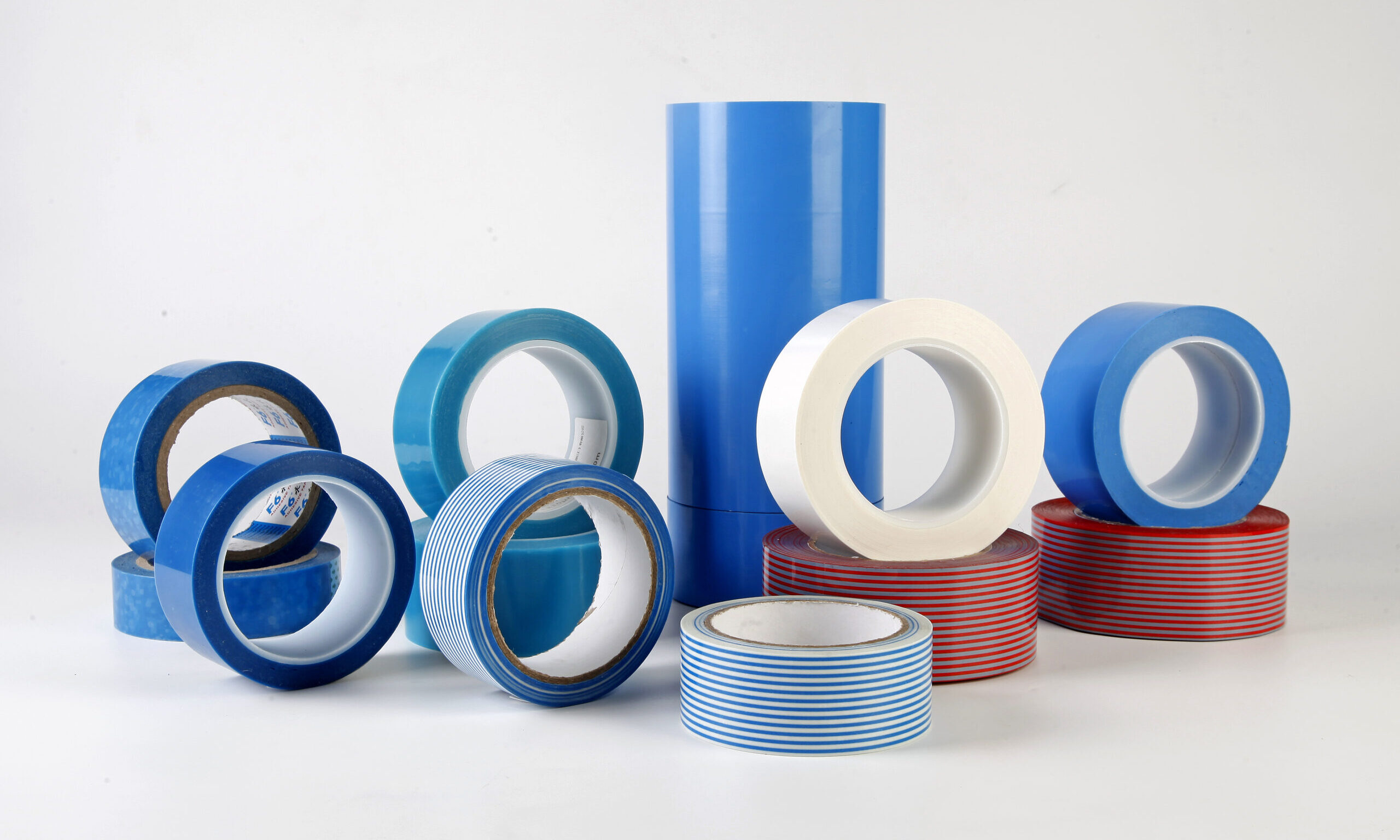
Understanding the reliability of an adhesive bond is critical for industrial applications. Manufacturers and engineers rely on standardized testing to ensure safety and performance. This process involves specific protocols known as adhesive strength measurement tape evaluation. These tests define how well a tape sticks to a surface under various conditions.
Adhesive performance is not a single value but a combination of factors. It includes the ability to resist being pulled away or sliding off a substrate. Professional testing ensures that tapes used in aerospace, electronics, or construction meet rigorous quality standards. By measuring these properties, companies can predict how a tape will behave in real-world environments.
What is Adhesive Strength in Pressure-Sensitive Tapes?
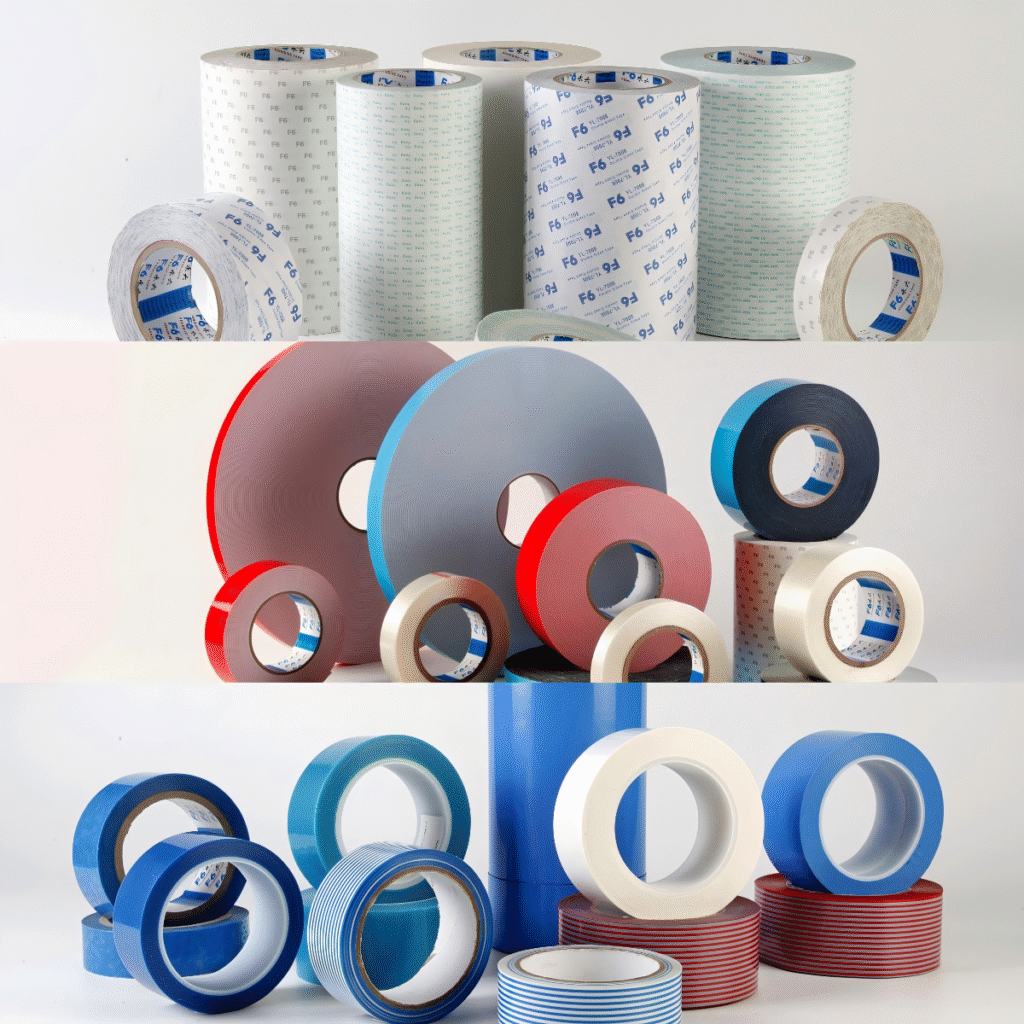
Adhesive strength refers to the bond between an adhesive and a substrate. This is different from “cohesion,” which is the internal strength of the adhesive itself. For pressure-sensitive tapes (PSTs), the bond forms instantly when light pressure is applied. The measured strength of a tape determines its suitability for specific weight-bearing or sealing tasks.
The science behind this measurement involves evaluating molecular interactions at the interface. Factors like surface energy and roughness play a significant role in how well a tape adheres. High-energy surfaces like stainless steel allow for easier bonding than low-energy surfaces like Teflon. Therefore, adhesive strength measurement tape protocols usually specify the test surface to maintain consistency.
Standardized testing provides a common language for engineers and suppliers. Without these metrics, it would be impossible to compare different products accurately. Performance data helps users select the right tape for temperature-sensitive or high-stress environments. Knowing the limits of an adhesive prevents mechanical failures and costly downtime.
Key Methods for Adhesive Strength Measurement Tape
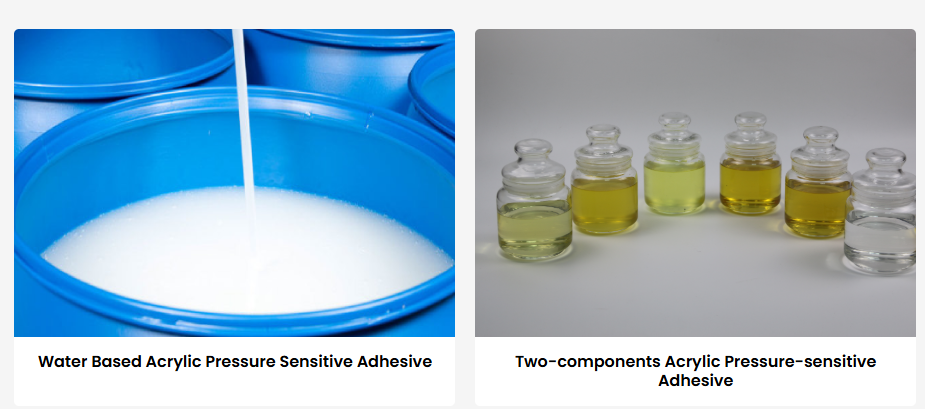
The most common way to evaluate a tape is through the peel adhesion test. This involves pulling the tape away from a standard test panel at a specific angle and speed. Most laboratories use a 180-degree or 90-degree angle for this measurement. A higher peel value indicates a stronger permanent bond to the surface.
Another critical metric is shear strength, which measures the resistance to internal sliding. This test applies a weight to a vertical strip of tape to see how long it holds. It is vital for applications where the tape must support a constant load over time. High shear strength is essential for structural bonding and long-term mounting applications.
Tack measurement evaluates the “initial grab” of the adhesive upon contact. This is often measured using the rolling ball test or a probe tack test. It determines how quickly a tape can form a bond without significant pressure. Initial tack is the primary factor in high-speed labeling and packaging efficiency.
| Test Type | Property Measured | Common Unit | Purpose |
| Peel Adhesion | Bond Strength | N/25mm or oz/in | Measuring removal resistance |
| Shear Strength | Internal Cohesion | Minutes or Hours | Measuring load-bearing capacity |
| Tack (Quick Stick) | Initial Grip | Millimeters or Grams | Measuring instant bond speed |
| Tensile Strength | Material Break Point | lbs/in or N/cm | Measuring the strength of the backing |
Why Testing Standards Like ASTM D3330 Matter
Global standards ensure that adhesive strength measurement tape results are reproducible across different labs. The ASTM D3330 is the most widely recognized standard for peel adhesion. It outlines six different methods to test various tape types and backings. Consistency in testing speed and temperature is mandatory for valid scientific comparisons.
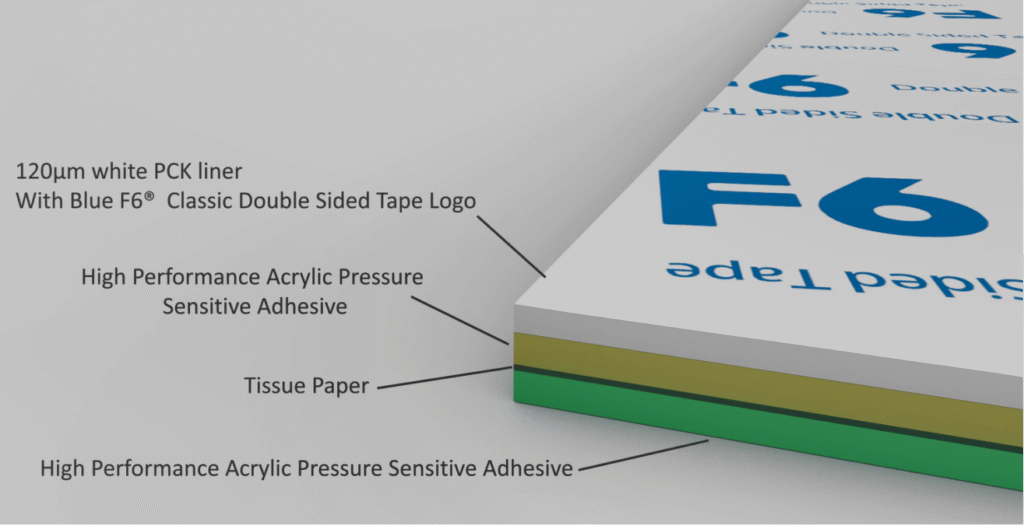
In a standard test, the tape is applied to a stainless steel plate with a controlled roller. The machine then pulls the tape at a speed of 12 inches per minute. This controlled environment eliminates human error and provides a precise numerical value. Reliable data from ASTM tests allows engineers to calculate safety margins for critical assemblies.
In addition to ASTM, the PSTC (Pressure Sensitive Tape Council) provides specialized testing manuals. These standards cover environmental factors like UV exposure and humidity. Tapes used in outdoor environments must undergo accelerated aging tests to prove their longevity. Using certified testing methods is the only way to guarantee industrial-grade performance.
Factors Impacting Real-World Tape Performance
Laboratory results provide a baseline, but environmental factors can change tape behavior. Temperature is one of the most influential variables in adhesive performance. Most adhesives become brittle in extreme cold and soften in extreme heat. The effective operating range of a tape must match its intended environment.
Surface preparation is another factor that affects adhesive strength measurement tape outcomes. Contaminants like oil, dust, or moisture act as barriers to molecular bonding. Even a microscopic layer of oxidation on metal can reduce adhesion by over 50%. Cleaning surfaces with isopropyl alcohol is a standard industry practice for maximizing bond strength.
Dwell time refers to how long the tape has been in contact with the surface. Many adhesives “wet out” over time, meaning they flow into the microscopic valleys of the substrate. This process can increase the bond strength significantly over the first 72 hours. Testing often occurs at different intervals to capture this strength progression.
Choosing the Right Tape for Your Industrial Application
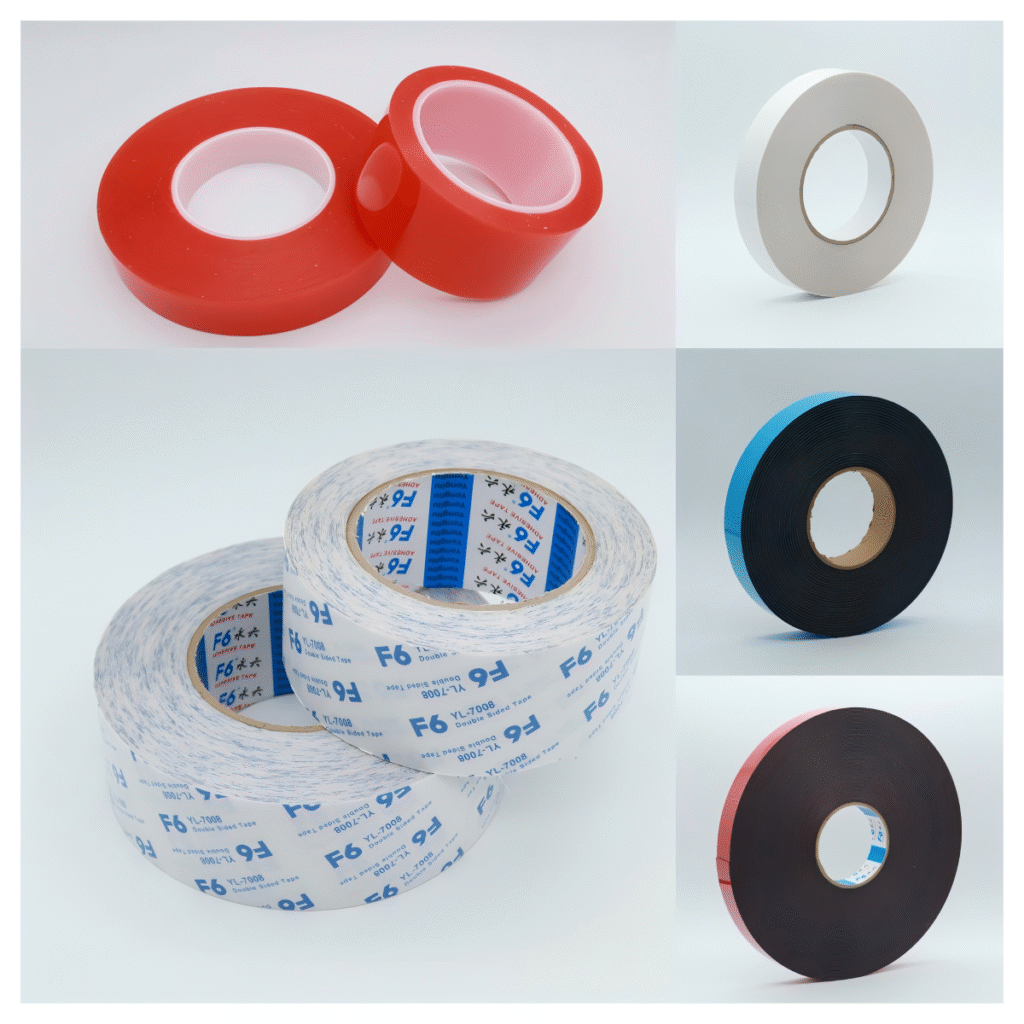
Selecting the correct tape requires a deep understanding of the stresses the bond will face. You must determine if the tape needs to resist high temperatures or chemical exposure. For instance, PTFE and Polyimide tapes are designed for extreme thermal stability. Evaluating the technical specifications of a tape ensures it will not fail under pressure.
Substrate compatibility is the next major hurdle in the selection process. A tape that sticks well to metal may fail completely on a plastic surface. You should look for tapes with specific adhesive formulations, such as acrylic or silicone, based on the material. Matching the adhesive chemistry to the surface energy is the key to a lasting bond.
Consider the mechanical load requirements of your project before finalizing a choice. If the application involves heavy vertical weight, prioritize high shear strength over initial tack. For masking or temporary protection, look for clean-removal properties that prevent residue. Consulting detailed product parameters helps you find the most cost-effective and reliable solution.
Explore a wide range of high-performance options on the F6 Tape Products Page. This resource provides access to specialized materials like high-temperature polyimide and chemical-resistant PTFE tapes. Each product is engineered to meet specific industrial benchmarks for durability and strength.
Summary
Measuring adhesive strength involves standardized peel, shear, and tack testing to ensure reliability. These metrics allow industries to select products that withstand specific environmental and mechanical stresses. By following ASTM and ISO protocols, manufacturers provide the data necessary for safe and efficient industrial applications.
FAQ
Q:What is the most common unit for measuring tape adhesion?
The most common units are Newtons per 25mm (N/25mm) or ounces per inch (oz/in). These units represent the force required to peel a specific width of tape from a standard surface.
Q:How does temperature affect adhesive strength measurement tape results?
Extreme temperatures can significantly alter the viscosity and flexibility of the adhesive. High heat may cause the adhesive to flow and lose shear strength, while cold can make it lose its tack.
Q:What is the difference between tack and adhesion?
Tack is the immediate “stickiness” upon first contact with minimal pressure. Adhesion is the long-term bond strength that develops after the tape has been pressed onto the surface and allowed to dwell.
Q:Why is stainless steel used as the standard test surface?
Stainless steel has a high, consistent surface energy and is easy to clean. This creates a uniform baseline that allows for the comparison of different adhesives without substrate variables.
Q:Can a tape have high peel strength but low shear strength?
Yes, some adhesives are designed to be very “gummy,” providing high peel resistance but failing quickly under a constant vertical load. Balancing these two properties is essential for product development.
Reference Sources
- ASTM International – Standard Test Method for Peel Adhesion of Pressure-Sensitive Tape (ASTM D3330): https://www.astm.org/
- Pressure Sensitive Tape Council (PSTC) – North American Tape Industry Standards and Test Methods: https://pstc.org/
- International Organization for Standardization (ISO) – Self-adhesive tapes — Determination of peel adhesion properties (ISO 29862): https://www.iso.org/
- National Institute of Standards and Technology (NIST) – Adhesion Science and Engineering: https://www.nist.gov/