
 Canada
 USA
USA Japan
Japan


Single Sided vs Double Sided Tape: A Practical Guide

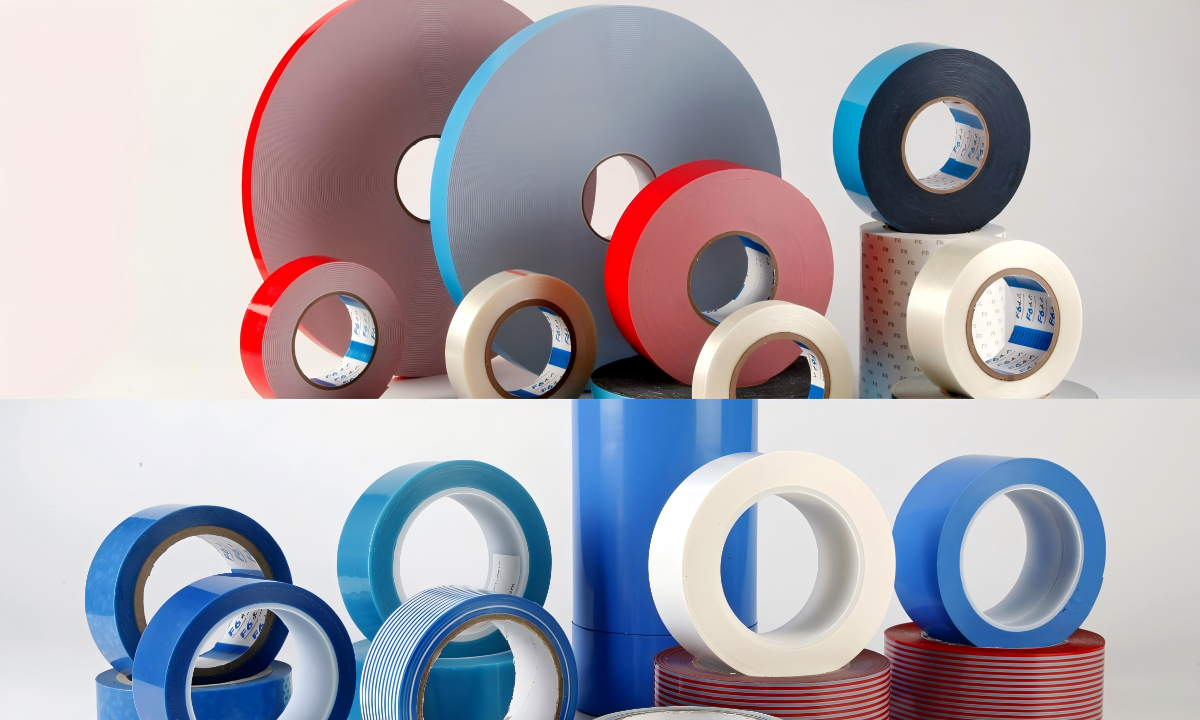
Adhesive tapes are essential tools in modern manufacturing and daily life. They offer quick solutions for bonding, sealing, and protecting various surfaces. Choosing the right product requires understanding the fundamental differences between single sided vs double sided tape.
Each type serves a distinct purpose based on its construction. Single-sided tapes feature adhesive on only one side of a carrier material. In contrast, double-sided tapes have adhesive coated on both sides. This simple structural difference changes how they interact with surfaces.
Understanding these variations ensures project durability and professional results. This guide explores the technical aspects of both tape categories. We will examine their performance, typical applications, and selection criteria.
What Are the Structural Differences?
The primary difference lies in the layers of the tape. A single-sided tape consists of a backing, an adhesive layer, and sometimes a primer. The backing, or carrier, can be film, paper, cloth, or foil. This side remains exposed once applied to a surface.
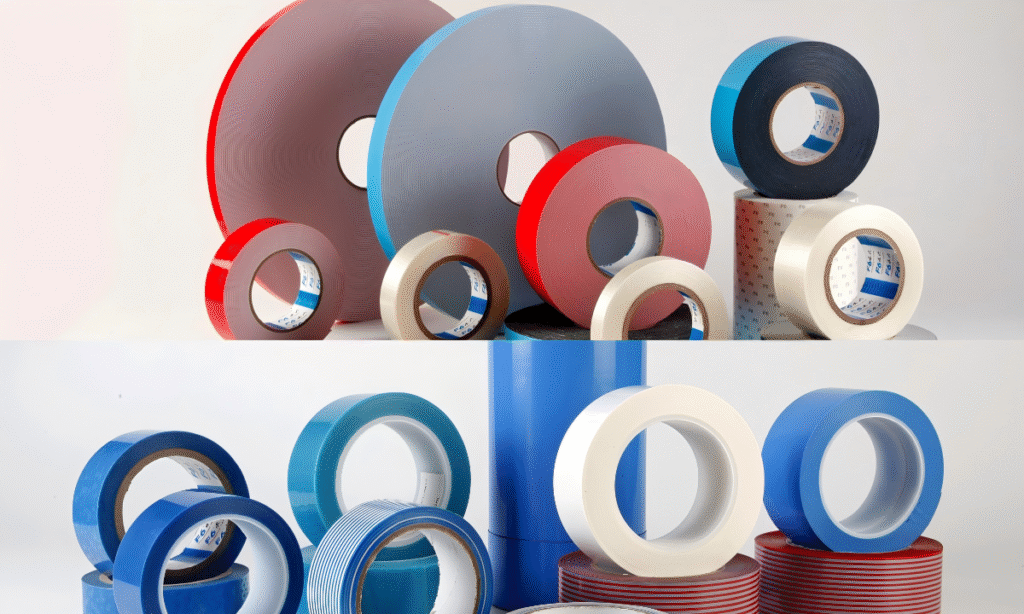
Double-sided tapes involve a more complex construction. They feature a carrier coated with adhesive on both the front and back. A release liner is necessary to keep the tape from sticking to itself. You must remove this liner to expose the second adhesive side.
Structural integrity depends heavily on the carrier material used. Single-sided tapes often prioritize tensile strength or flexibility of the backing. Double-sided tapes focus on the bond strength between two hidden surfaces. Both types use pressure-sensitive adhesives that bond upon contact.
Single Sided vs Double Sided Tape: Performance Comparison
Performance metrics vary significantly between these two categories. Single-sided tapes are usually thinner and more flexible. They conform easily to irregular shapes or corners. Double-sided tapes can be much thicker, especially when using foam carriers.
The following table highlights the key technical differences:
| Feature | Single-Sided Tape | Double-Sided Tape |
| Adhesive Layers | One Side Only | Both Sides |
| Release Liner | Usually Not Required | Mandatory for Application |
| Visible Profile | Visible After Use | Hidden Between Materials |
| Common Thickness | 0.04mm to 0.25mm | 0.10mm to 3.0mm+ |
| Primary Function | Sealing and Surface Protection | Mounting and Joining |
Data shows that single-sided BOPP tapes offer high tensile strength. Most industrial packing tapes withstand over 30 lbs per inch of width. Double-sided foam tapes offer different advantages. They can fill gaps up to 2mm wide between uneven surfaces.
Single sided vs double sided tape choices also affect the final appearance. Single-sided versions are functional but remain visible on the exterior. Double-sided versions provide a “clean” look because the bond stays invisible. This aesthetic factor is vital in signage and electronics.
When Should You Use Single-Sided Tape?
Single-sided tape is the standard choice for surface-level applications. It is ideal for tasks where one side of the tape must remain non-sticky. This includes packaging, masking, and electrical insulation. The exposed backing provides protection against moisture, heat, or abrasion.
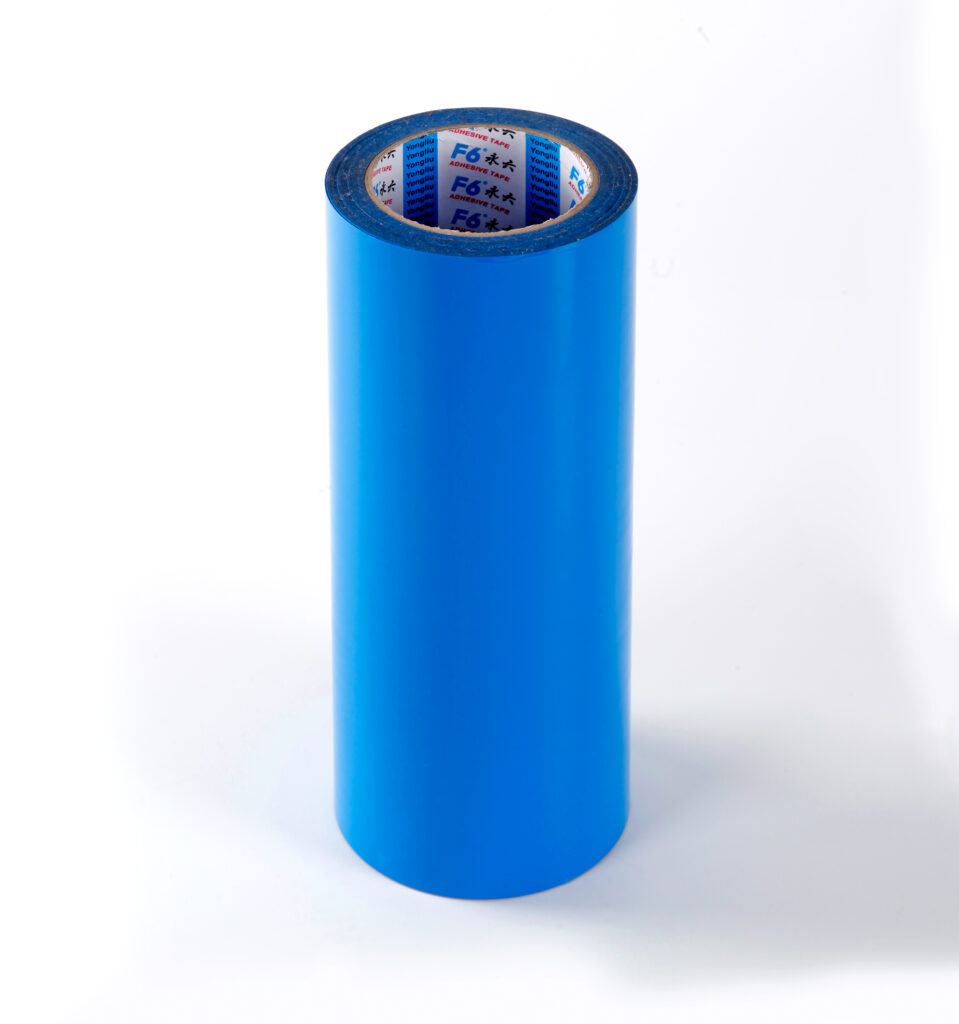
BOPP packing tape is a common example of a single-sided solution. It provides a secure seal for corrugated boxes during transit. The smooth outer surface allows boxes to slide without catching. It is designed for high-speed application in automated packaging lines.
Masking tape serves a different purpose in painting and finishing. It uses a crepe paper backing with a low-tack adhesive. This allows for clean removal without damaging the underlying surface. It is essential for creating sharp paint lines on walls or vehicles.
Cloth and duct tapes offer heavy-duty performance for repairs. These tapes feature a high-strength fabric weave for durability. They are water-resistant and provide excellent grip on rough surfaces. Users often choose them for bundling cables or temporary structural fixes.
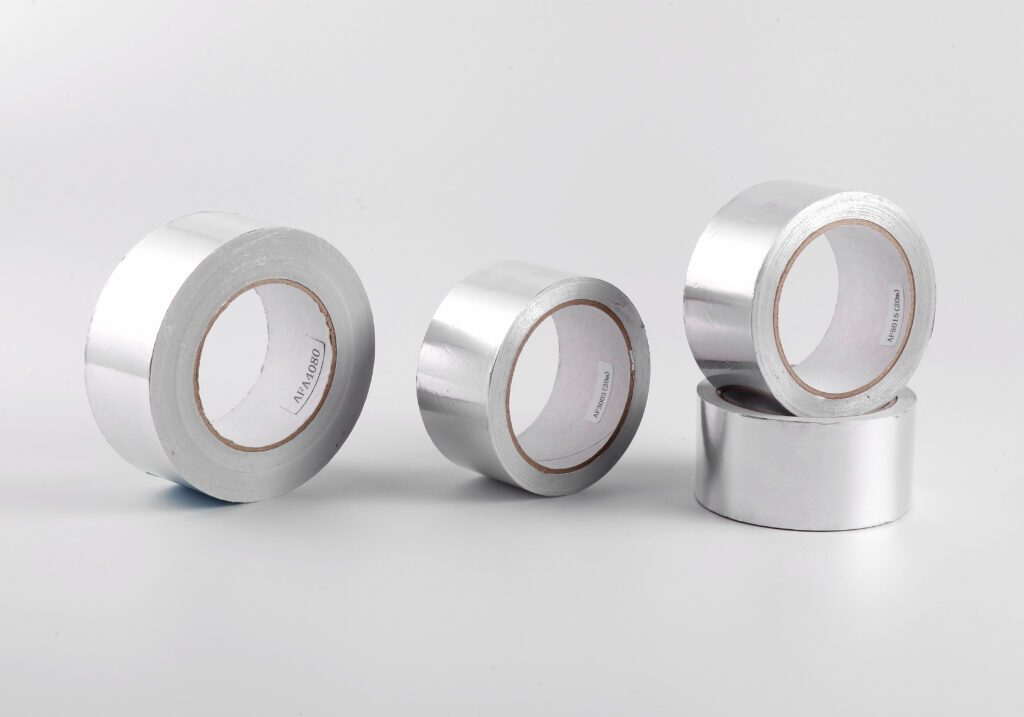
Aluminum foil tape provides specialized thermal and moisture protection. It is frequently used in HVAC systems to seal air ducts. The reflective backing helps maintain temperature efficiency. It also acts as an effective vapor barrier in construction projects.
When Is Double-Sided Tape the Better Choice?
Double-sided tape is superior when you need to join two items together. It acts as an invisible fastener, replacing traditional screws or glue. This is particularly useful for mounting lightweight objects to walls or panels. It distributes stress evenly across the entire bonded area.
Tissue double-sided tape is popular in the paper and print industry. It is very thin and easy to tear by hand. This makes it perfect for scrapbooking, envelope sealing, and light crafts. It provides a permanent bond without adding bulk to the items.
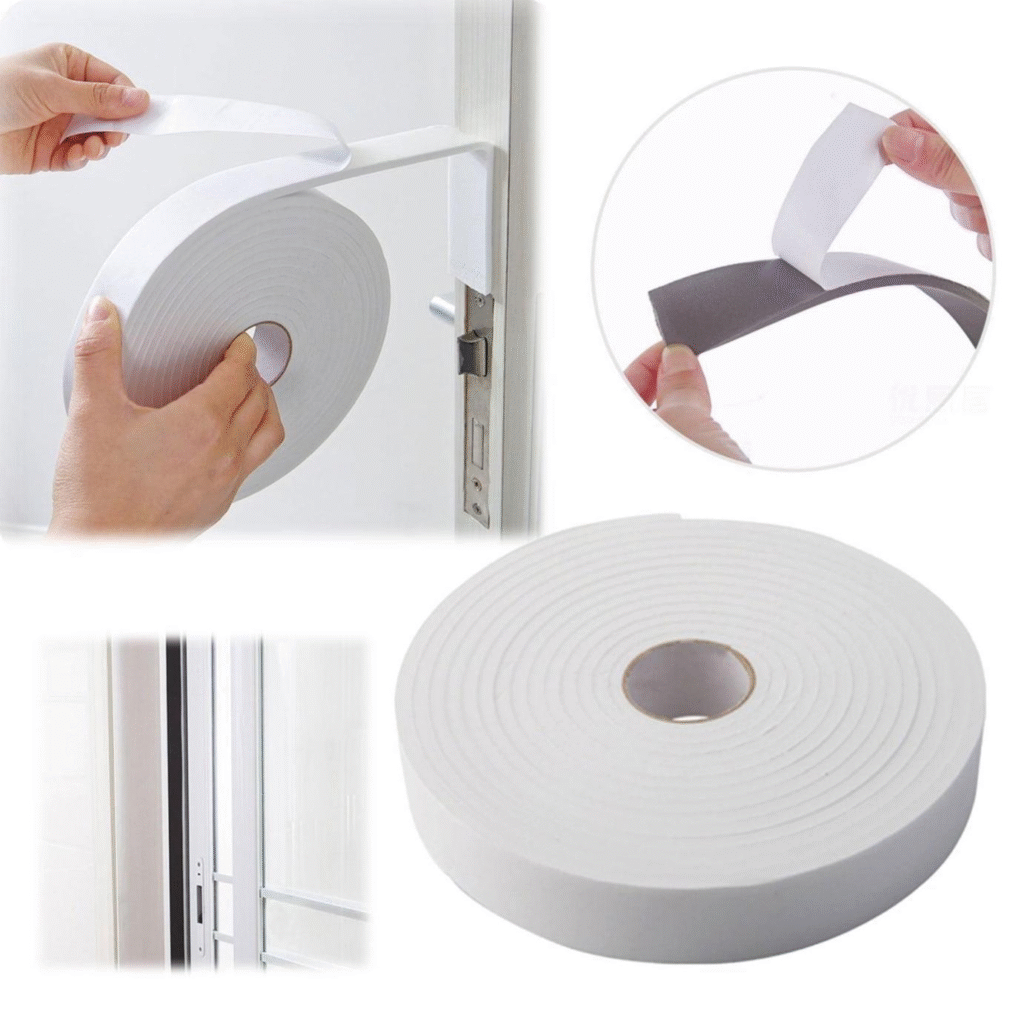
Double-sided foam tape is the go-to for heavy-duty mounting. The foam core absorbs vibrations and compensates for surface irregularities. It is commonly used to attach mirrors, nameplates, and automotive trim. High-bond acrylic foam tapes can even replace mechanical rivets.
PET or Film double-sided tapes offer high transparency and heat resistance. These are essential in the electronics industry for screen bonding. They provide high dimensional stability and do not yellow over time. They work well on high-surface-energy plastics and metals.
How to Select the Right Industrial Tape
Choosing the correct tape involves evaluating the surface and environment. You must consider the texture of the materials you are bonding. Smooth surfaces like glass require different adhesives than porous surfaces like wood. Single sided vs double sided tape selection depends on this compatibility.
Environmental factors play a massive role in adhesive longevity. High temperatures can soften certain glues, causing the tape to fail. UV exposure can degrade plastic backings if the tape is used outdoors. Always check the temperature rating of the tape before application.
The intended duration of the bond is another critical factor. Permanent tapes use high-tack adhesives that strengthen over time. Removable tapes are designed to peel off without leaving sticky residue. Identifying the end goal helps prevent surface damage later.
Pressure is required to activate the bonding process for all these tapes. You should apply firm, even pressure across the entire surface. This ensures maximum contact between the adhesive and the substrate. Proper surface cleaning also improves the bond strength significantly.
Summary
The choice between single sided vs double sided tape depends on your application goals. Use single-sided tape for sealing, protecting, or marking surfaces where visibility is acceptable. Select double-sided tape for mounting, joining, and creating invisible bonds between two objects. Both offer unique mechanical properties for industrial and domestic tasks.
FAQ
Q:Can I use single-sided tape for mounting?
It is not recommended because the non-adhesive side will not stick to the second object. You would have to loop the tape, which is unstable and weak.
Q:Which tape is stronger for heavy objects?
Double-sided foam tape is generally stronger for mounting heavy objects. It provides more contact area and absorbs mechanical shock better than thin tapes.
Q:Does double-sided tape leave more residue?
It can leave residue if the adhesive is permanent and removed incorrectly. However, specific “removable” double-sided tapes are designed to leave surfaces clean.
Q:Is single-sided tape waterproof?
Many types, like PVC or Aluminum foil tape, are highly water-resistant. However, standard paper masking tape will degrade quickly when exposed to moisture.
Q:How do I remove double-sided tape?
You should apply gentle heat with a hairdryer to soften the adhesive. Then, slowly peel the tape back at a 90-degree angle to minimize surface damage.
Reference Sources
- Pressure Sensitive Tape Council (PSTC)
https://pstc.org/ - ASTM International (Standard Test Methods for Adhesion)
https://www.astm.org/ - AFERA – The European Adhesive Tape Association
https://www.afera.com/