
 Canada
 USA
USA Japan
Japan


What Makes a High-Quality Adhesive Tape?

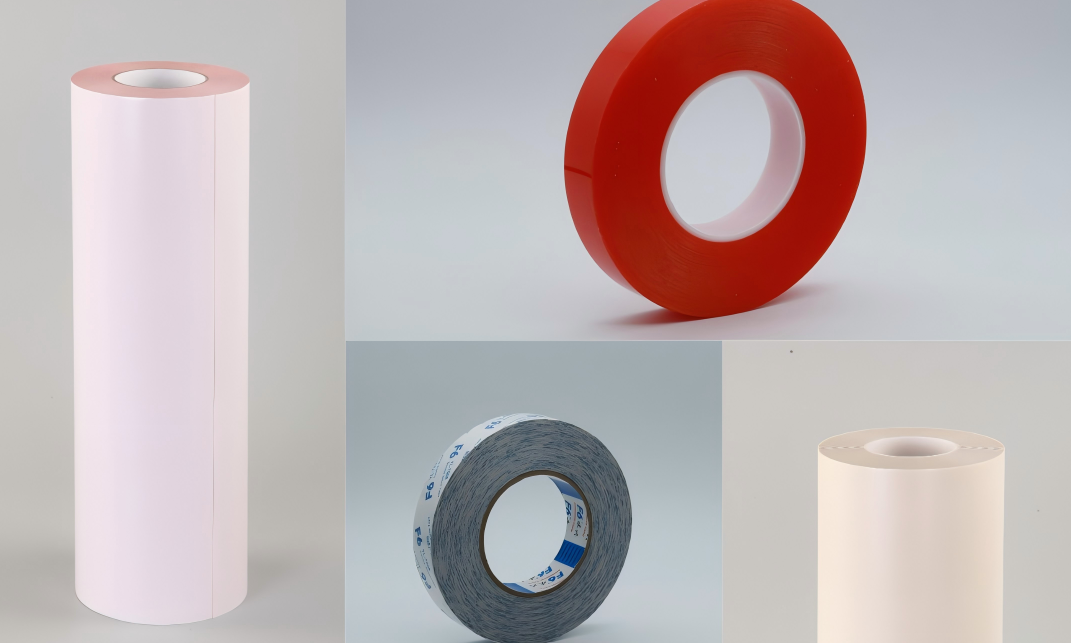
Adhesive tape is a fundamental tool in modern manufacturing and construction. A high quality adhesive tape does more than just stick two surfaces together. It provides structural integrity and environmental resistance. Understanding the components of these products helps professionals choose the right solution.
The primary function of any tape is to create a reliable bond. This bond must withstand various physical and chemical stresses over time. Inferior tapes often fail under heat or tension. In contrast, high quality adhesive tape maintains performance even in challenging conditions.
Understanding the Chemistry of Adhesion
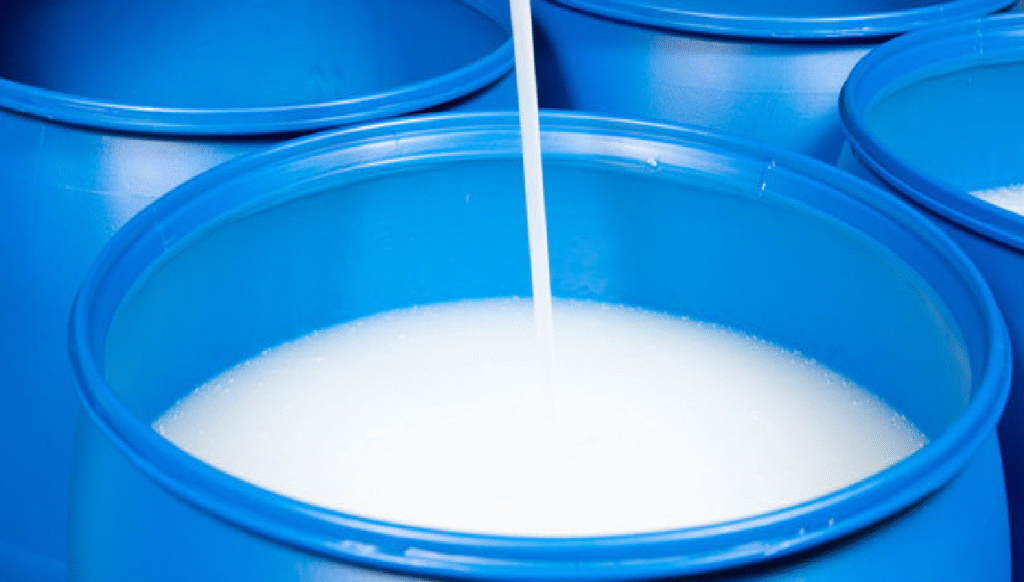
The performance of any tape begins with its chemical composition. Most industrial tapes use Pressure Sensitive Adhesives (PSA). These adhesives do not require heat, water, or solvents to activate. They bond to surfaces through light finger pressure.
High-quality tapes typically utilize either acrylic or synthetic rubber polymers. Acrylic adhesives provide excellent resistance to UV light and oxidation. They are ideal for long-term outdoor applications. Conversely, rubber-based adhesives offer high initial tack and bond quickly to various surfaces.
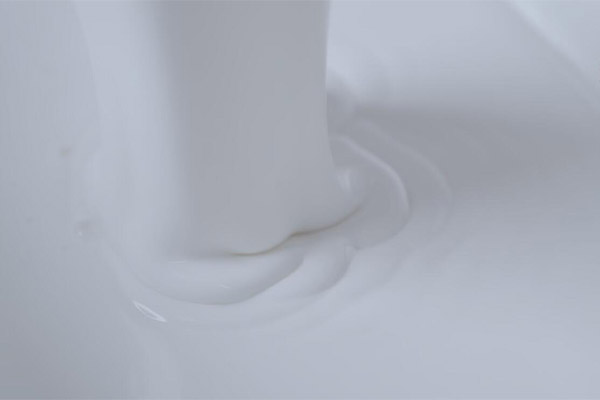
Modern manufacturing allows for the customization of these chemical formulas. Engineers adjust the molecular weight of the polymers to balance cohesion and adhesion. High quality adhesive tape features a precise balance between these two physical properties. This ensures the tape stays in place without leaving residue.
| Adhesive Type | Temperature Resistance | UV Resistance | Initial Tack |
| Natural Rubber | Moderate | Low | Very High |
| Acrylic | High | Excellent | Moderate |
| Silicone | Very High | Excellent | Low |
| Synthetic Rubber | Low | Low | High |
Key Technical Specifications of High Quality Adhesive Tape
To identify superior products, you must examine technical data sheets. Peel adhesion is a critical metric for any high quality adhesive tape. This measures the force required to remove the tape from a specific substrate. High-performance tapes often show values exceeding 40 oz/inch on stainless steel.
Tensile strength is another vital factor for industrial reliability. It represents the maximum load the tape can withstand before breaking. For example, filament tapes reinforced with fiberglass can handle over 300 lbs per inch. Strength ensures the tape does not snap during high-tension wrapping or bundling.
Elongation capacity describes how much the tape stretches before failure. High-quality masking tapes often feature an elongation rate of 10% or more. This flexibility allows the tape to conform to curved or irregular surfaces. Proper elongation prevents lifting and edge curling in complex applications.
What Determines the Longevity of Industrial Tapes?
Environmental factors significantly impact the lifespan of adhesive products. Temperature fluctuations can cause lower-grade adhesives to become brittle or melt. High quality adhesive tape remains stable within a wide operating temperature range. Some specialized tapes function from -40°C to over 150°C.
Moisture resistance is equally important for industrial and outdoor use. Water can penetrate the adhesive layer and weaken the bond. Superior tapes use waterproof backings like PVC or treated aluminum foil. A high-quality moisture barrier protects the adhesive from degradation in humid environments.
Chemical resistance is a requirement for automotive and aerospace sectors. Tapes often come into contact with oils, fuels, or cleaning solvents. High-quality products use specialized carriers that resist chemical absorption. This prevents the adhesive from dissolving or losing its grip.
Matching Tape Properties to Your Specific Environment
Selecting the right tape requires matching material properties to the environment. For example, Washi paper is superior for delicate painting tasks. It offers sharp paint lines and clean removal. High quality adhesive tape prevents bleed-through by using dense, non-porous backing materials.
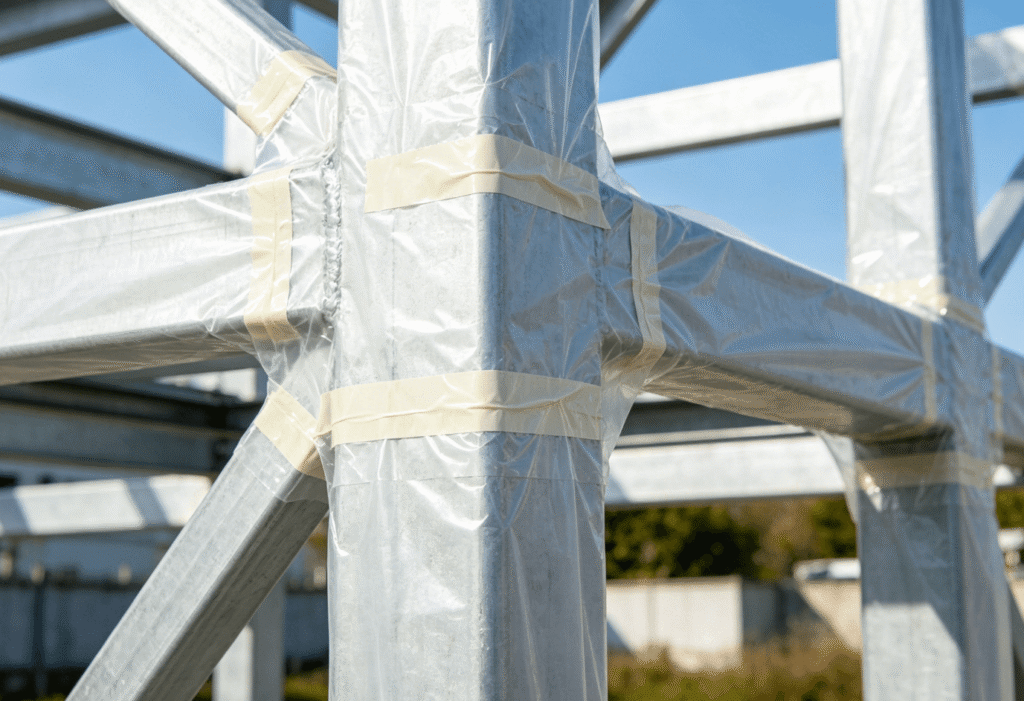
In heavy-duty packaging, the focus shifts to shear resistance. Shear measures the ability of an adhesive to resist internal sliding. Tapes with high shear strength are necessary for sealing heavy cartons. Superior shear strength prevents “pop-opens” during long-term storage or transit.
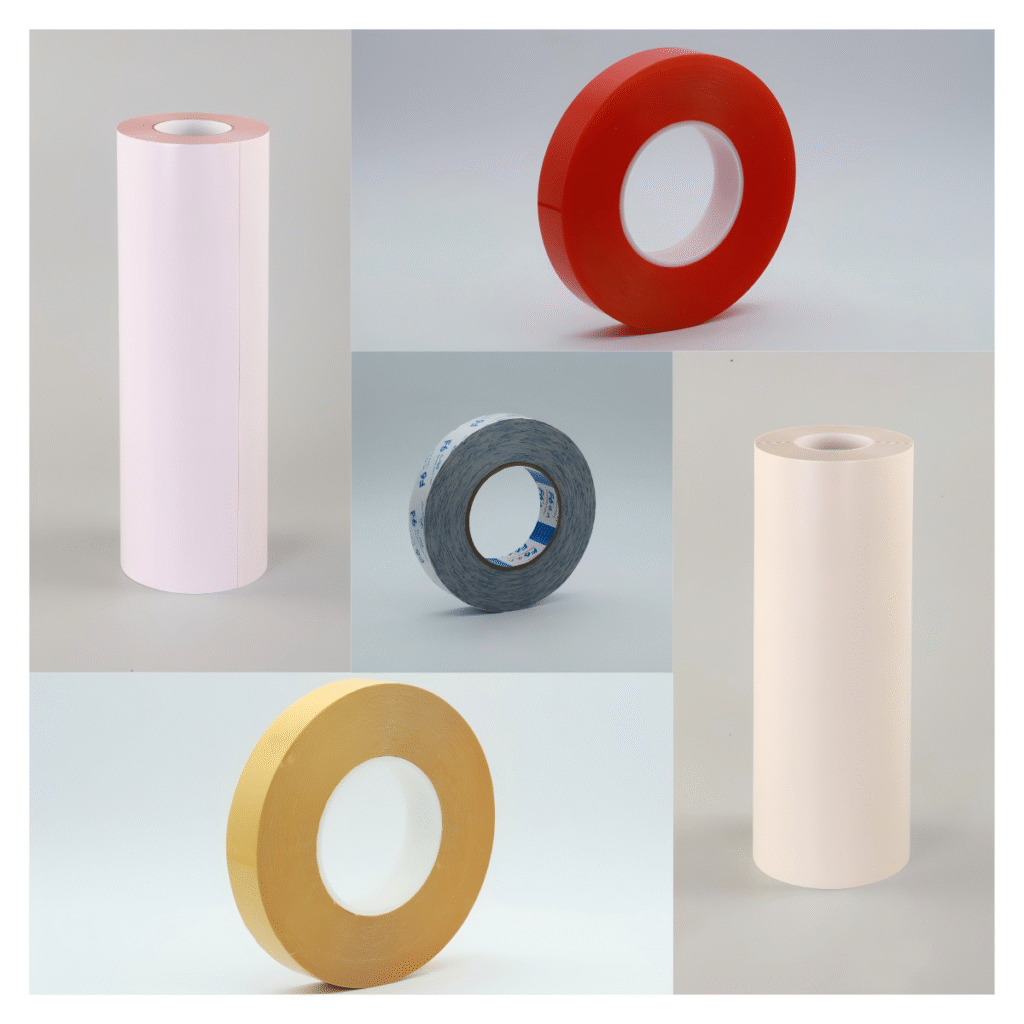
Double-sided tapes require a specific carrier for structural bonding. Tissue, foam, or PET carriers provide different levels of gap-filling capability. High quality adhesive tape utilizes high-density foam to dampen vibrations in electronics. This versatility makes it a preferred choice for complex assembly lines.
How to Evaluate Tape Quality and Performance
When assessing a tape supplier, look for comprehensive technical documentation. Professional catalogs often list specific data for adhesion, thickness, and tensile strength. High quality adhesive tape is backed by standardized testing such as ASTM or PSTC methods. These certifications guarantee that the product meets international industrial standards.
Consider the diversity of the product range as an indicator of expertise. A supplier offering specialized tapes for masking, ducting, and foil applications understands material science. Detailed product specifications allow users to compare performance across different environmental scenarios. This transparency is a hallmark of premium manufacturing.
Analyze the backing material for consistency and texture. High-quality kraft paper or cloth tapes should have uniform fibers. Any thinning or irregular patterns suggest a lower manufacturing standard. Consistent backing thickness ensures uniform tension across the entire length of the roll.
Summary
A high quality adhesive tape is defined by its chemical stability, tensile strength, and environmental resistance. By evaluating peel adhesion, shear strength, and material durability, you can identify products that ensure long-term performance. Choosing the right tape minimizes failure risks and improves overall operational efficiency in any industrial application.
FAQ
Q:What is the difference between tack and adhesion?
Tack refers to the initial “stickiness” upon first contact. Adhesion is the permanent bond strength after the adhesive has set completely.
Q:Can high quality adhesive tape be removed without residue?
Yes, many premium tapes are designed for clean removal. This is achieved by balancing the cohesive strength of the adhesive so it stays on the backing.
Q:Why does temperature affect tape performance?
Adhesives are viscoelastic materials that change properties with heat. High-quality tapes use specialized polymers to maintain a stable state across varying temperatures.
Q:How should I store adhesive tape to maintain quality?
Keep tape in a cool, dry place away from direct sunlight. Most industrial tapes have a shelf life of 12 to 24 months when stored at 21°C.
Q:Is thickness a direct indicator of tape quality?
Not necessarily, as different applications require different thicknesses. However, a consistent thickness across the roll is a sign of high manufacturing standards.
Reference Sources:
Pressure Sensitive Tape Council (PSTC)
https://pstc.org/
ASTM International
https://www.astm.org/
Afera – The European Adhesive Tape Association
https://www.afera.com/
Industrial Supply Association (ISA)
https://www.isapartners.org/