
 Canada
 USA
USA Japan
Japan


How Coating Technology Impacts Adhesive Tape Quality

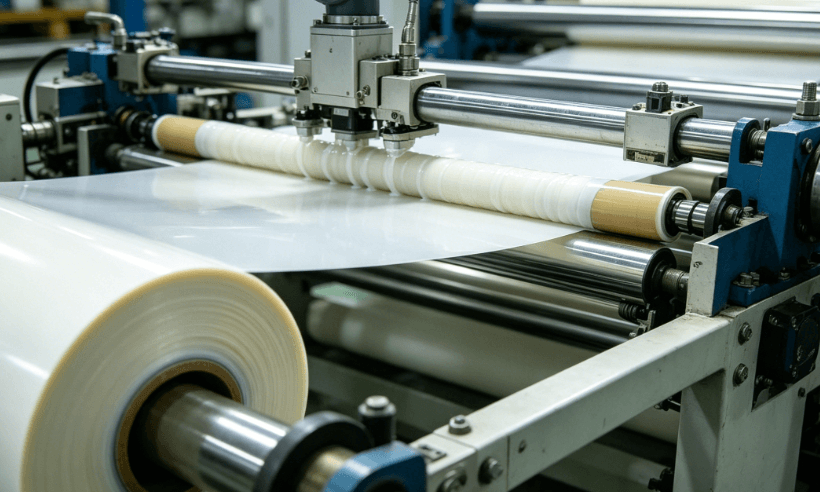
Adhesive tape is an essential tool in modern manufacturing and construction. While it looks like a simple strip of plastic or foil, its performance depends on complex engineering. The most critical factor in this performance is the adhesive coating process. This stage determines how well the tape sticks, how long it lasts, and how it reacts to environmental stress.
The adhesive coating process involves applying a precise layer of adhesive onto a carrier material. This carrier can be BOPP film, aluminum foil, or cloth. If the application is uneven, the tape will fail in real-world use. Consistent coating thickness is the foundation of high-quality adhesive products.
Manufacturers must balance speed, temperature, and chemical composition during production. Small errors in the coating line can lead to weak spots or adhesive transfer. Understanding these technical nuances helps businesses choose the right tape for their specific needs.
Understanding the Core Adhesive Coating Process Methods
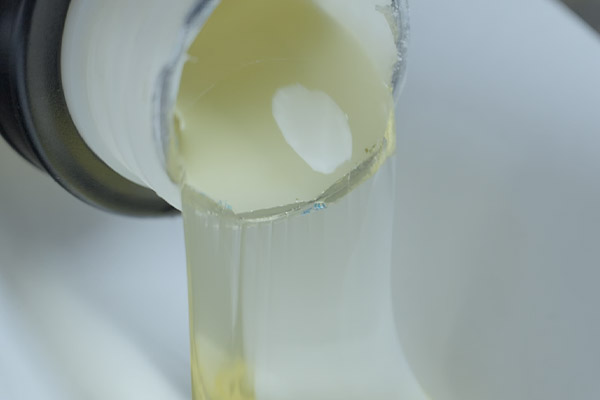
There are several methods used to apply adhesive to a substrate. Each method has unique advantages depending on the desired thickness and viscosity. The most common techniques include slot-die coating, comma coating, and gravure coating.
Slot-die coating is a closed-system process that offers extreme precision. It is often used for high-performance tapes where a specific thickness is mandatory. Slot-die technology allows for a thickness tolerance of less than +/- 1 micron. This level of accuracy prevents material waste and ensures uniform bonding.
Comma coating is better suited for high-viscosity adhesives. It uses a rotating blade or “comma” to scrape away excess material. This method is common in the production of heavy-duty duct tapes and thick foam tapes. Choosing the right coating method is the first step in ensuring tape reliability.
| Coating Method | Precision Level | Best Use Case | Typical Viscosity |
| Slot-Die | Very High | Electronic & Medical Tapes | Low to Medium |
| Comma | High | Industrial Duct & Foam Tapes | High |
| Gravure | Medium | General Packaging Tapes | Low |
| Roll-to-Roll | Medium | Simple Protective Films | Medium |
Why Coating Uniformity Dictates Tape Performance
Uniformity is the most vital metric in the adhesive coating process. If the adhesive is too thin in one area, the tape may lift or peel. Conversely, if it is too thick, the adhesive might ooze from the sides. This “oozing” often ruins the aesthetics of a project or jams packaging machinery.
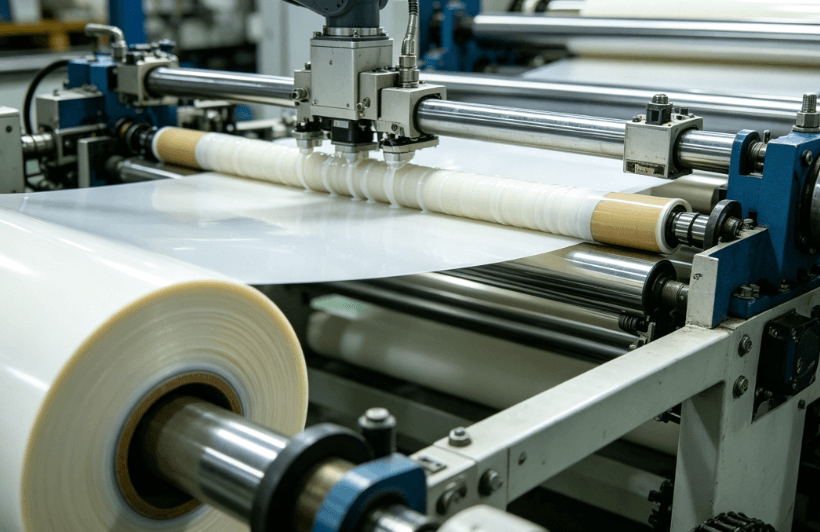
Industrial standards often require an adhesive weight consistency of 98% or higher. Variation in coating weight directly correlates to fluctuations in peel strength. For example, a 10% reduction in adhesive weight can lead to a 25% drop in holding power.
Precision sensors monitor the thickness in real-time during the adhesive coating process. These sensors use infrared or beta-ray technology to detect microscopic gaps. Maintaining a perfectly level surface ensures that the tape performs identically from the start of the roll to the end.
The Role of Curing and Drying in Quality Control
Once the adhesive is applied, it must undergo curing or drying. This stage stabilizes the chemicals and prepares the tape for winding. In solvent-based systems, heat is used to evaporate the liquid carrier. In UV systems, ultraviolet light triggers a chemical reaction to harden the bond.
Temperature control is critical during this phase of the adhesive coating process. If the heat is too high, the backing material may warp or become brittle. If the heat is too low, the tape will remain “wet” and lose its structural integrity. Properly cured adhesive maintains its properties even under extreme temperature fluctuations.
Modern manufacturing lines use multi-zone drying ovens. Each zone has a specific temperature to ensure gradual stabilization. Stable curing prevents “ghosting,” where the adhesive leaves a residue on the surface after removal. This is especially important for masking and protection tapes.
How Coating Tech Enhances Specialty Tape Features
Specialty tapes, such as aluminum foil or double-sided tissue tapes, require specialized coating techniques. For instance, aluminum foil tape must withstand high heat and moisture. The adhesive coating process for these products often involves flame-retardant additives.
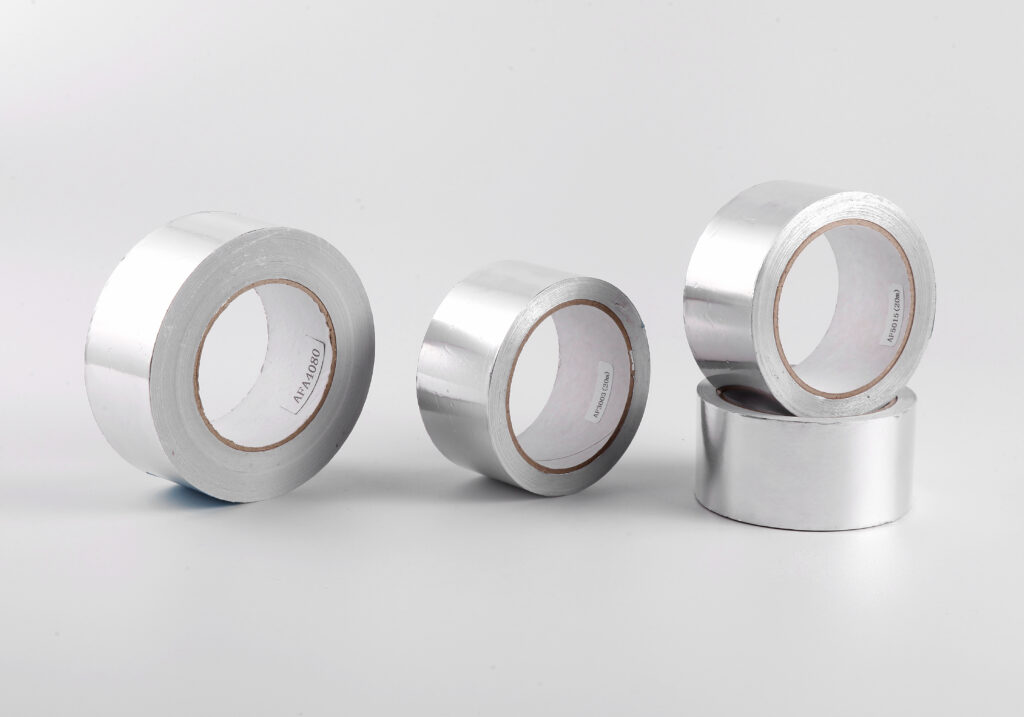
Double-sided tapes require a dual-stage adhesive coating process. Both sides of the carrier must receive an equal layer to prevent curling. Balanced coating tension ensures the tape remains flat during application.
For heavy-duty applications, manufacturers might use a “pattern coating” technique. This leaves small gaps in the adhesive to allow for breathability or flexibility. Advanced coating technology allows for the customization of tape to meet niche industrial requirements.
Criteria for Selecting High-Quality Adhesive Tapes
When evaluating adhesive products, you must look beyond the price. The quality of the adhesive coating process is often hidden but becomes apparent during use. A high-quality tape should have a smooth appearance without streaks or bubbles.
Consider the environment where the tape will be used. High-humidity areas require moisture-resistant adhesives applied through a stabilized adhesive coating process. If the tape is for long-term outdoor use, UV resistance must be integrated into the coating chemistry.
Check the technical data sheets for “Adhesive Mass” and “Coating Thickness.” These numbers tell you how much material was used during the adhesive coating process. A higher adhesive mass generally indicates better performance on rough or porous surfaces.
Reliable manufacturers, like those found at F6 Tape, prioritize precision in every batch. They utilize automated systems to ensure that every roll meets global industrial standards. This commitment to technology reduces the risk of product failure in the field.
Summary
The adhesive coating process is the most significant factor determining tape quality. It influences everything from peel strength to temperature resistance and residue-free removal. By focusing on coating uniformity, precision methods, and proper curing, manufacturers produce tapes that can withstand the most demanding industrial environments.
FAQ
Q:What is the most accurate adhesive coating process?
Slot-die coating is generally considered the most accurate method. It uses a closed-die system to apply adhesive with microscopic precision, making it ideal for thin-film applications.
Q:How does coating thickness affect tape “tack”?
Thicker coatings generally provide better “initial tack” on rough surfaces. However, the adhesive coating process must ensure that this thickness does not lead to adhesive shearing or oozing under pressure.
Q:Why does some tape leave a sticky residue?
Residue usually occurs due to improper curing during the adhesive coating process. If the adhesive does not bond correctly to its carrier film, it will transfer to the surface when the tape is removed.
Q:Can the coating process affect the shelf life of the tape?
Yes, a controlled adhesive coating process ensures that the chemical stabilizers are evenly distributed. This prevents the adhesive from drying out or becoming too gummy over time.
Reference Sources
Pressure Sensitive Tape Council (PSTC) – Industry Standards and Technical Resources: https://pstc.org/
ASTM International – Standard Test Methods for Adhesion: https://www.astm.org/
European Adhesive Tape Association (AFERA) – Tape Production Technology: https://www.afera.com/
Adhesive and Sealant Council (ASC) – Adhesive Manufacturing Processes: https://www.ascouncil.org/