
 Canada
 USA
USA Japan
Japan


How to Choose a Tissue Double Sided Tape Manufacturer for OEM Applications

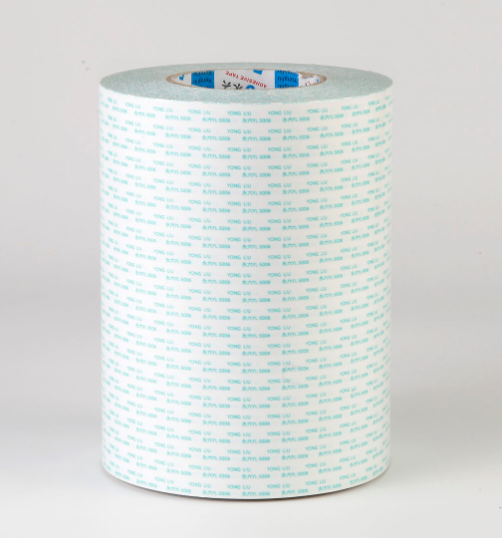
Choosing the right tissue double sided tape manufacturer is an important step for OEM manufacturers, converters, and distributors that need stable adhesive performance and consistent supply. While adhesive strength is an important factor, professional buyers usually evaluate more than initial bonding performance. Material selection, converting capability, quality control, and technical support all influence whether a tape solution can meet production requirements.
For industrial applications, a suitable tissue tape supplier should be able to provide customized solutions according to different substrates, production processes, and environmental conditions. Testing samples before mass production is also a practical way to confirm whether the selected tape matches the final application.
What Is Tissue Double Sided Tape?
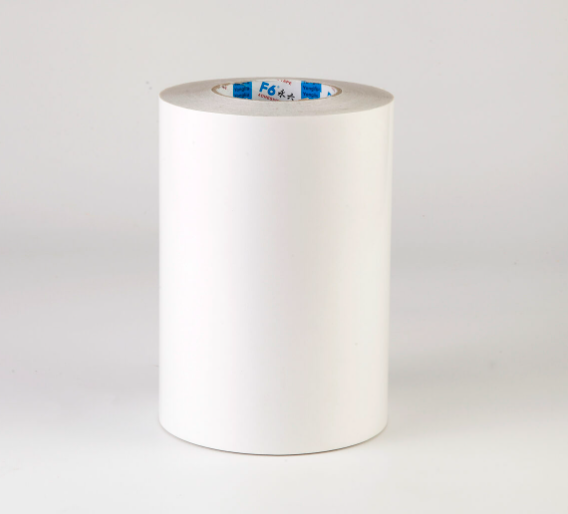
Tissue double sided tape is a pressure-sensitive adhesive tape that uses a thin tissue carrier coated with adhesive on both sides and protected by a release liner.
The tissue carrier provides flexibility and conformability, making this type of tape suitable for applications where a thin bonding layer and clean appearance are required. Compared with thicker adhesive products, tissue tapes are often selected for lightweight mounting, lamination, and assembly applications.
Common applications include:
- Lightweight material bonding
- Film and foam lamination
- Nameplate and label mounting
- Printing and packaging processes
- Industrial component assembly
Different applications require different combinations of tissue carrier materials, adhesive systems, and release liners. Factors such as substrate type, required holding strength, temperature conditions, and surface treatment can affect final bonding performance.
When evaluating suitable products, buyers can review tissue double sided tape solutions to compare available constructions for different industrial applications.
Key Factors When Choosing a Tissue Tape Supplier
Adhesive and Material Selection
A reliable tissue tape supplier should understand how different adhesive structures perform on different surfaces.
Important factors to consider include:
- Substrate materials and surface energy
- Required bond strength
- Temperature resistance
- Long-term aging conditions
- Removability requirements
For example, bonding plastics, metals, paper, or coated surfaces may require different adhesive characteristics. A tape that performs well on one material may not provide the same results on another substrate.
Instead of selecting a product only by thickness or initial tack, OEM buyers should consider the complete application environment and confirm performance through testing.
Converting Capability for OEM Production
For many industrial customers, converting capability is a key consideration when selecting a tape converting manufacturer.
Beyond supplying standard rolls, experienced manufacturers may provide customized processing options such as:
- Custom roll widths
- Precision slitting
- Die-cut adhesive parts
- Kiss cutting
- Custom release liners
- Special packaging formats
These converting capabilities directly affect production efficiency, material utilization, and assembly consistency.
For automated manufacturing processes, accurate die cutting and stable liner handling can help reduce placement errors and improve production reliability. Before placing large orders, OEM buyers should confirm whether the supplier can provide samples in the same format used during final production.
Production Capability and Quality Control Considerations
When evaluating a tissue double sided tape manufacturer, buyers should also review production capability and quality management processes.
Important areas include:
- Adhesive coating consistency
- Production capacity
- Quality inspection procedures
- Sample testing support
- Technical communication
Manufacturers with established production systems can usually provide clearer information about coating processes, converting equipment, and product quality control.
F6 provides information about its manufacturing background, production facilities, and technical resources through its F6 manufacturing capabilities page, which can help buyers understand supplier qualifications when comparing different tape manufacturers.
Testing Methods for Tissue Double Sided Tape Performance
Adhesive performance depends on multiple factors, including substrate type, bonding pressure, application method, temperature, and environmental exposure.
Common evaluation methods include:
- Peel adhesion testing
- Shear adhesion testing
- Temperature aging tests
- Environmental resistance testing
Industry standards can help buyers establish consistent evaluation methods. For example, ASTM D3330 Standard Test Method for Peel Adhesion of Pressure-Sensitive Tape is commonly used to evaluate peel adhesion performance, while ASTM D3654 Standard Test Method for Shear Adhesion of Pressure-Sensitive Tape provides a method for evaluating shear adhesion characteristics.
However, standard testing results should be combined with real application trials because actual production conditions may influence bonding performance.
Tissue Double Sided Tape Applications
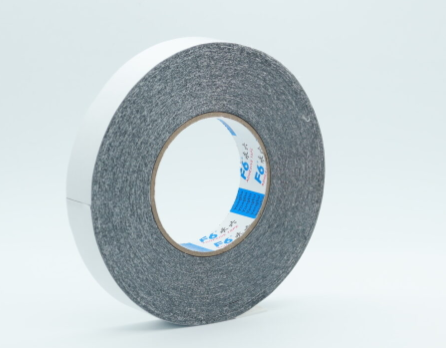
Tissue tapes are widely used in industries where manufacturers need thin, flexible, and easy-to-process bonding solutions.
| Application | Why Tissue Tape Is Used |
|---|---|
| Electronics assembly | Low thickness and clean bonding appearance |
| Labels and nameplates | Provides reliable attachment with minimal visible thickness |
| Film and foam lamination | Flexible bonding between different materials |
| Printing applications | Suitable for joining and splicing materials |
| Industrial assembly | Supports efficient production processes |
The final tape selection depends on the materials being bonded, production requirements, and expected service conditions.
Tissue Double Sided Tape vs Foam Double Sided Tape
Tissue tape and foam tape are both widely used double sided adhesive solutions, but they are designed for different application requirements.
| Feature | Tissue Double Sided Tape | Foam Double Sided Tape |
|---|---|---|
| Thickness | Thin and low profile | Thicker with gap-filling capability |
| Flexibility | Suitable for lightweight and flat bonding applications | Better for uneven surfaces and vibration absorption |
| Main applications | Lamination, lightweight mounting, splicing | Mounting, cushioning, and surface compensation |
| Bonding structure | Tissue carrier with adhesive layers | Foam carrier with adhesive layers |
For applications requiring additional thickness or surface compensation, buyers can also explore the foam double sided tape range.
How OEM Buyers Should Evaluate a Custom Tissue Tape Supplier
Before selecting a supplier, OEM buyers should prepare detailed application information, including:
- Target substrate materials and surface conditions
- Required tape thickness, width, and roll format
- Expected temperature and environmental exposure
- Production process and converting requirements
- Sample testing requirements before mass production
Providing detailed application information allows suppliers to recommend suitable tape structures and reduce unnecessary testing during development.
Buyers looking for additional adhesive products can also review the industrial tape product range for other manufacturing applications.
How to Compare Tissue Tape Manufacturer Quotations
When comparing suppliers, price should not be the only evaluation factor.
OEM buyers should also consider:
- Product consistency
- Converting accuracy
- Technical support
- Sample testing process
- Delivery capability
- Packaging requirements
A supplier that understands both adhesive technology and production requirements can provide better support during product development and long-term supply.
FAQ
Can tissue double sided tape be customized?
Yes. Many industrial tape suppliers provide customization options, including roll width, liner selection, die-cut shapes, and packaging formats. Available customization depends on production equipment and application requirements.
How can I confirm whether a tissue tape is suitable for my application?
The best approach is to test samples on the actual substrate and under expected working conditions before starting mass production.
What information should I provide when requesting tape samples?
Buyers should provide:
- Substrate materials
- Application method
- Bonding area
- Temperature requirements
- Required holding strength
- Production format
Does thicker tape always provide stronger bonding?
Not necessarily. Bonding performance depends on adhesive formulation, substrate compatibility, surface preparation, and application conditions.
What is the difference between tissue tape and foam tape?
Tissue tape focuses on thin and flexible bonding, while foam tape provides thickness, cushioning, and gap-filling performance for applications requiring additional surface compensation.
Conclusion
Selecting a suitable tissue double sided tape manufacturer requires evaluating adhesive performance, converting capability, testing support, and production consistency.
For OEM manufacturers, converters, and distributors, working with a supplier that can provide customized solutions, technical support, and application testing can help reduce bonding risks and improve production efficiency.
By understanding material requirements and validating performance before full production, buyers can choose a tissue tape solution that better fits their manufacturing process.