Canada
 USA
USA Japan
Japan


How an Adhesive Tape Factory Supports Coating, Slitting and Custom Roll Production

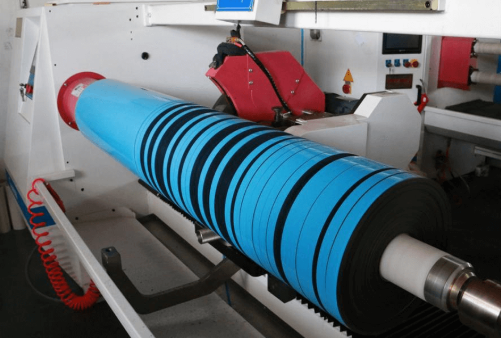
When sourcing industrial adhesive tapes, buyers often evaluate product specifications such as adhesive strength, thickness, backing materials, and application performance. However, the manufacturing capability behind the tape also plays an important role in product consistency, customization flexibility, and long-term supply stability.
A professional adhesive tape factory usually provides more than standard finished rolls. Coating control, precision slitting, converting capability, and quality management processes all influence whether a tape solution can meet the requirements of OEM manufacturers, industrial distributors, and specialized applications.
This guide explains how adhesive tape manufacturing works, what services factories typically provide, and which factors buyers should consider before selecting a supplier.
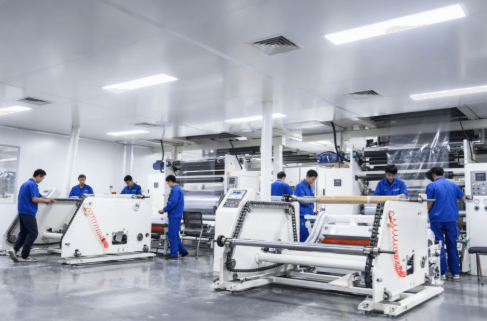
Core Services Provided by an Adhesive Tape Factory
Industrial adhesive tape production normally involves several connected processes, including adhesive coating, curing, slitting, rewinding, inspection, and packaging.
Each step affects the final tape performance. Variations in adhesive coating thickness, material handling, or roll conversion may influence bonding consistency and application reliability.
Adhesive Coating Process
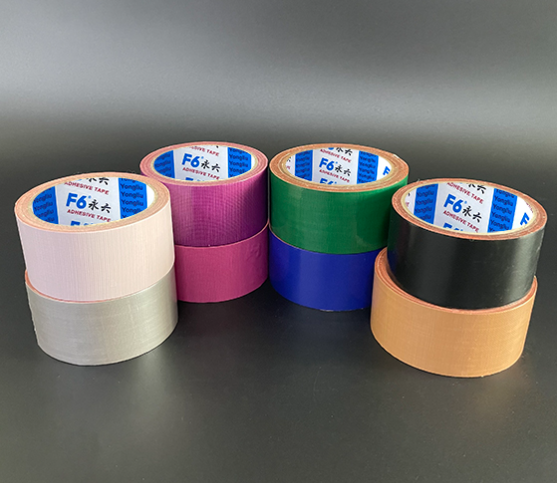
Coating is one of the most important stages in adhesive tape manufacturing. During this process, adhesive materials are applied onto different backing materials, including film, foam, fabric, paper, and nonwoven substrates.
Manufacturers usually control several factors during coating:
- Adhesive coating weight
- Coating uniformity
- Drying and curing conditions
- Web tension
- Substrate compatibility
Different applications require different tape structures. For example, mounting applications may focus on bonding strength and conformability, while electrical applications may require stable insulation performance under different environmental conditions.
An adhesive tape factory with internal coating capability can adjust production parameters more efficiently compared with suppliers that only convert pre-coated materials.
Tape Slitting Service and Precision Converting
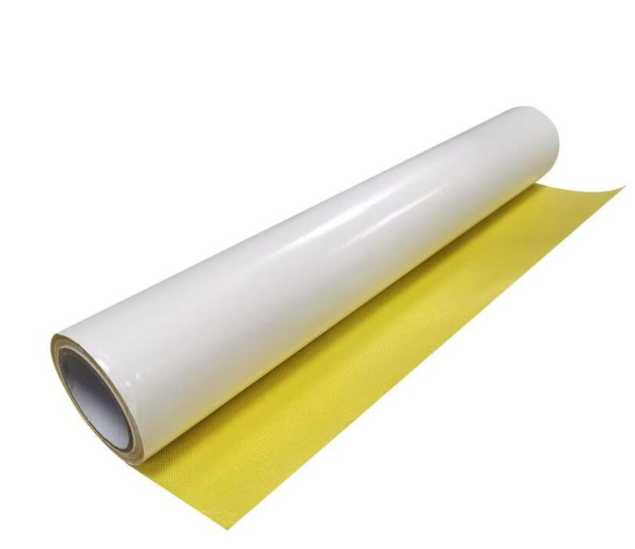
After coating, large master rolls need to be converted into smaller rolls suitable for customer production lines.
A professional tape slitting service helps buyers obtain specific dimensions and formats, including:
- Custom widths
- Different roll lengths
- Various core sizes
- Controlled rewinding tension
- Special packaging formats
Slitting accuracy is especially important for automated production environments. Incorrect roll dimensions or inconsistent edge quality may affect application efficiency and increase material waste.
Before placing bulk orders, buyers should confirm whether the supplier can meet required tolerances and provide samples for application testing.
Custom Tape Rolls for OEM Applications
Many industrial buyers do not purchase standard tape sizes. Instead, they require custom tape rolls designed around their equipment, production process, or distribution requirements.
Custom tape solutions may include:
- Customized roll dimensions
- Different liner options
- Private labeling
- Packaging requirements
- Application-specific structures
When discussing custom requirements, buyers should provide technical information such as:
- Bonding materials
- Application temperature
- Required holding time
- Environmental conditions
- Production method
This information allows manufacturers to recommend suitable tape constructions instead of simply matching products based on general specifications.

Adhesive Tape Factory vs Tape Converter: Understanding the Difference
Not every tape supplier operates with the same production model. Some companies focus mainly on converting purchased jumbo rolls, while others manage coating and manufacturing processes internally.
| Capability | Adhesive Tape Factory | Tape Converter |
|---|---|---|
| Adhesive coating | Usually available in-house | Depends on supplied materials |
| Process adjustment | More flexible | Limited by upstream materials |
| Slitting capability | Available | Available |
| Custom development | Easier for new requirements | May require additional coordination |
| Production control | More direct | Depends on material suppliers |
For standard tape applications, a converter may provide suitable solutions. However, OEM buyers looking for customized structures, stable supply, and long-term cooperation may prefer working directly with an adhesive tape factory.
Quality Control and Manufacturing Capability
Quality consistency is one of the most important factors when evaluating an industrial tape supplier.
A complete quality management process may include:
- Incoming material inspection
- Adhesive coating checks
- Thickness measurement
- Roll appearance inspection
- Adhesion testing
- Batch traceability
Testing methods are often referenced when evaluating pressure-sensitive adhesive tape performance. Common industry standards include:
- ASTM D3330 Standard Test Method for Peel Adhesion of Pressure-Sensitive Tape
- ASTM D3654 Standard Test Method for Shear Adhesion of Pressure-Sensitive Tape
- ASTM D1000 Standard Test Methods for Electrical and Pressure-Sensitive Adhesive-Coated Tapes
These standards provide testing references, while actual performance should still be verified under the customer’s specific application conditions.
Buyers can also review supplier production background, equipment, and quality systems through the F6 manufacturing capability overview.
How to Evaluate an Adhesive Tape Factory Before Ordering
Selecting a supplier requires more than comparing product prices. Buyers should review manufacturing capability, technical support, and production reliability.
1. Check Manufacturing Capacity
A suitable factory should have production equipment that matches project requirements, including coating lines, slitting equipment, and inspection processes.
For large-volume OEM projects, production stability and process control are often more important than selecting the lowest quotation.
2. Review Product Range and Application Experience
A supplier’s product portfolio can provide insight into manufacturing experience.
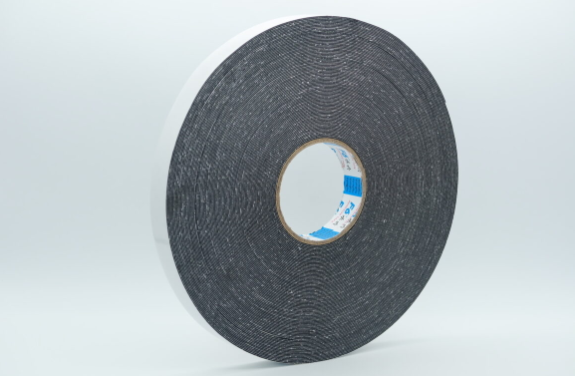
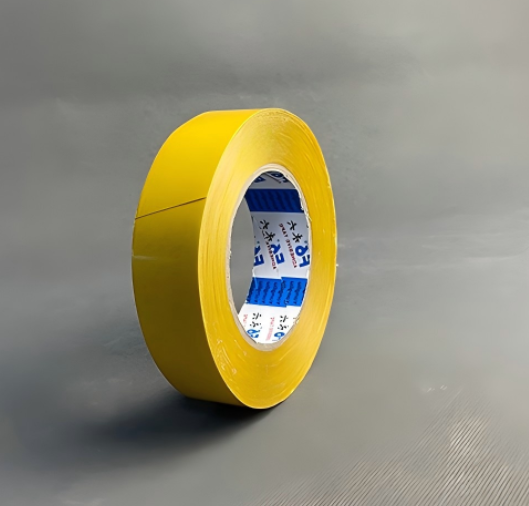
Buyers can review F6’s industrial adhesive tape products and explore related categories such as industrial double sided tape solutions and foam double sided tape products.
These product categories help buyers understand different tape structures and possible application options.
3. Request Samples Before Mass Production
Before confirming large orders, testing sample rolls under real working conditions can help identify potential issues.
Important evaluation points include:
- Adhesion performance
- Roll handling
- Application speed
- Compatibility with production equipment
A sample evaluation process can reduce risks before full-scale manufacturing.
4. Consider Long-Term Supply Support
For international buyers and distributors, supplier selection should also include:
- Communication efficiency
- Production scheduling
- Packaging capability
- Quality consistency
- Support for future customization
A reliable manufacturing partner should be able to support both current projects and future product adjustments.
Questions to Ask an Adhesive Tape Factory
Can an adhesive tape factory provide customized tape rolls?
Yes. Many manufacturers can provide customized roll sizes, packaging formats, and product structures based on customer requirements. Available options depend on manufacturing capability and material selection.
What information should buyers provide when requesting a quotation?
Buyers should provide application details, substrate materials, tape dimensions, expected order volume, and environmental requirements. More technical information helps suppliers recommend suitable solutions.
Is a coating factory better than a tape converter?
It depends on project requirements. A coating factory may offer more control over production processes, while a converter may be suitable for standard converting needs.
Why does slitting quality matter?
Precision slitting affects roll appearance, unwinding performance, and compatibility with automated application equipment. Consistent converting helps maintain stable production efficiency.
Are minimum order quantities and lead times fixed?
No. MOQ and production timelines vary depending on tape structure, customization requirements, and supplier capacity. Buyers should confirm these details before starting cooperation.
Choosing the Right Adhesive Tape Manufacturing Partner
Selecting an adhesive tape factory requires evaluating manufacturing processes, converting capability, quality control systems, and technical communication.
For OEM buyers and industrial distributors, a supplier that understands application requirements can provide more suitable solutions than a supplier focused only on standard products.
Explore F6’s industrial adhesive tape products to review available tape categories and manufacturing solutions.
By evaluating factory capability, testing procedures, and customization support, buyers can build a more reliable supply chain for industrial adhesive tape applications.