
 Canada
 USA
USA Japan
Japan


What Is Plate Mounting Tape Used For in Printing?

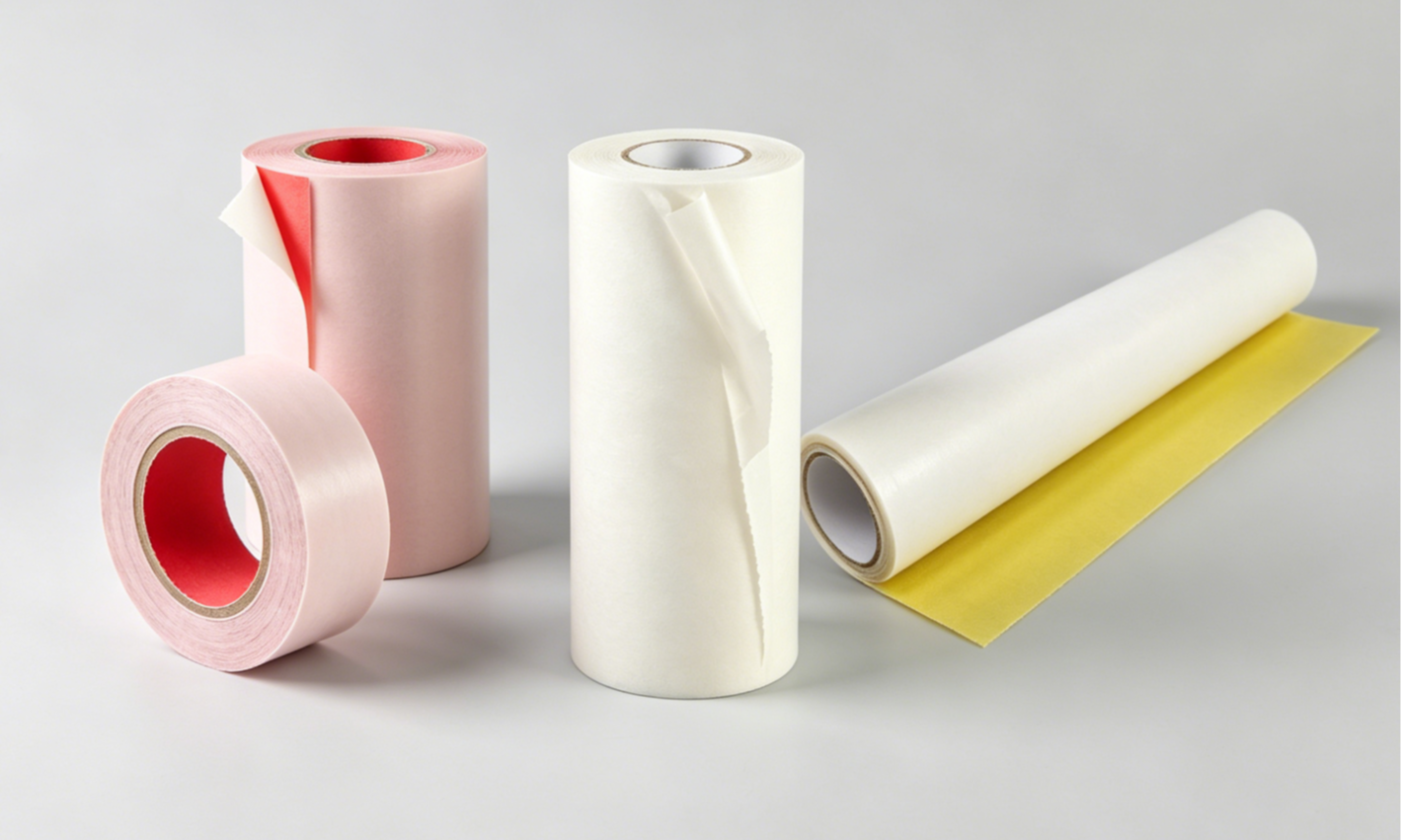
In the modern printing industry, precision is the foundation of quality. Plate mounting tape serves as the critical bond between the printing plate and the cylinder or sleeve. This specialized adhesive ensures that photopolymer plates remain securely in place during high-speed rotations. Without this tool, achieving consistent results in flexography would be impossible.
The primary function of this tape is to provide stability. It must withstand significant centrifugal forces and chemical exposure from inks. Modern presses often run at speeds exceeding 600 meters per minute. At these velocities, even a microscopic shift in the plate can ruin an entire production run.
Beyond simple adhesion, the tape acts as a functional component of the printing press. It dampens vibrations and compensates for mechanical inconsistencies. This allows printers to maintain high speeds without sacrificing image clarity.
What Is Plate Mounting Tape Used For in Flexography?
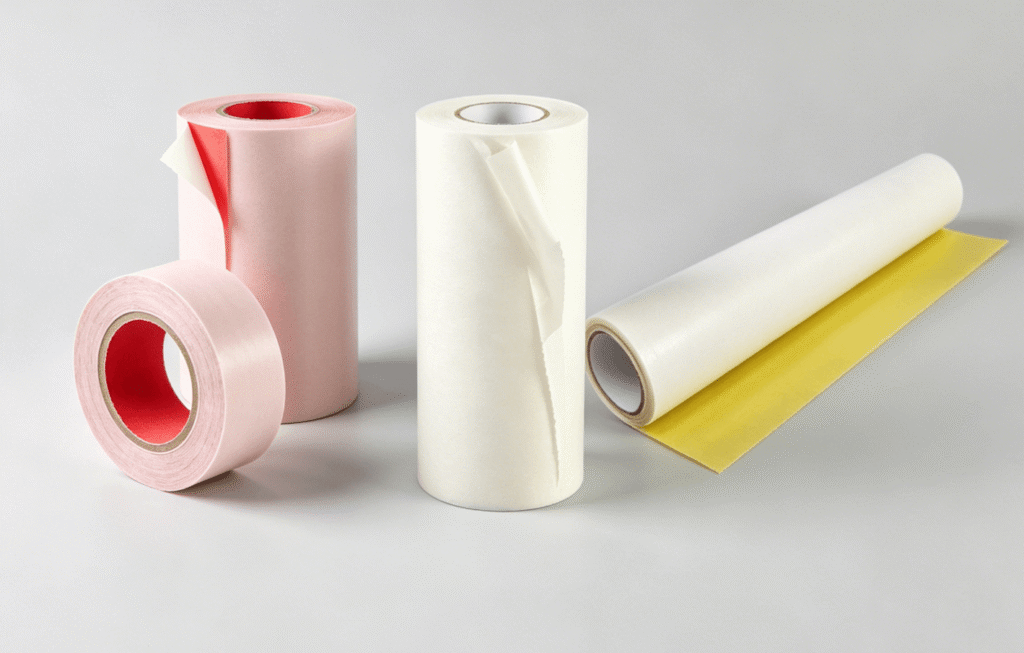
The most common application for plate mounting tape is in flexographic printing. This process uses flexible relief plates to transfer ink onto various substrates. The tape holds these plates onto the print cylinder with high precision. Plate mounting tape is essential for maintaining “registration,” which is the alignment of different colors.
If the tape fails, colors will not align correctly on the final product. This leads to blurry images and wasted materials. High-quality tapes offer specific adhesion levels that allow for easy repositioning during the initial setup. Once the press starts, the bond becomes strong enough to resist edge lifting.
Furthermore, these tapes are designed for clean removal. Printers must be able to peel the tape off without leaving adhesive residue on expensive cylinders. This saves time during job changeovers and protects the equipment from damage.
The Role of Cushioning in Dot Gain Control
A major challenge in printing is managing “dot gain.” This occurs when the pressure of the press causes halftone dots to spread. Plate mounting tape with foam backing helps mitigate this issue. The foam acts as a shock absorber during the printing process.
Studies in the industry show that using the correct foam hardness can reduce dot gain significantly. For example, soft foam tapes are typically used for high-quality screen and process printing. They absorb excess pressure, keeping dots sharp and distinct. Hard foam tapes or film tapes are better suited for solid ink coverage and bold lines.
| Tape Type | Core Application | Compression Level |
| Soft Foam Tape | Process printing and fine screens | High compressibility |
| Medium Foam Tape | Combination of solids and screens | Moderate compressibility |
| Hard Foam Tape | Large solids and bold typographies | Low compressibility |
| Film/Cloth Tape | Basic line work and simple solids | Non-compressible |
Choosing the wrong hardness can lead to “banding” or uneven ink density. Most professional printing environments maintain a variety of tape thicknesses. Standard industry thicknesses usually range from 0.38mm (0.015 in) to 0.55mm (0.022 in). This variety allows operators to fine-tune the press for specific job requirements.
Enhancing Efficiency and Reducing Production Waste
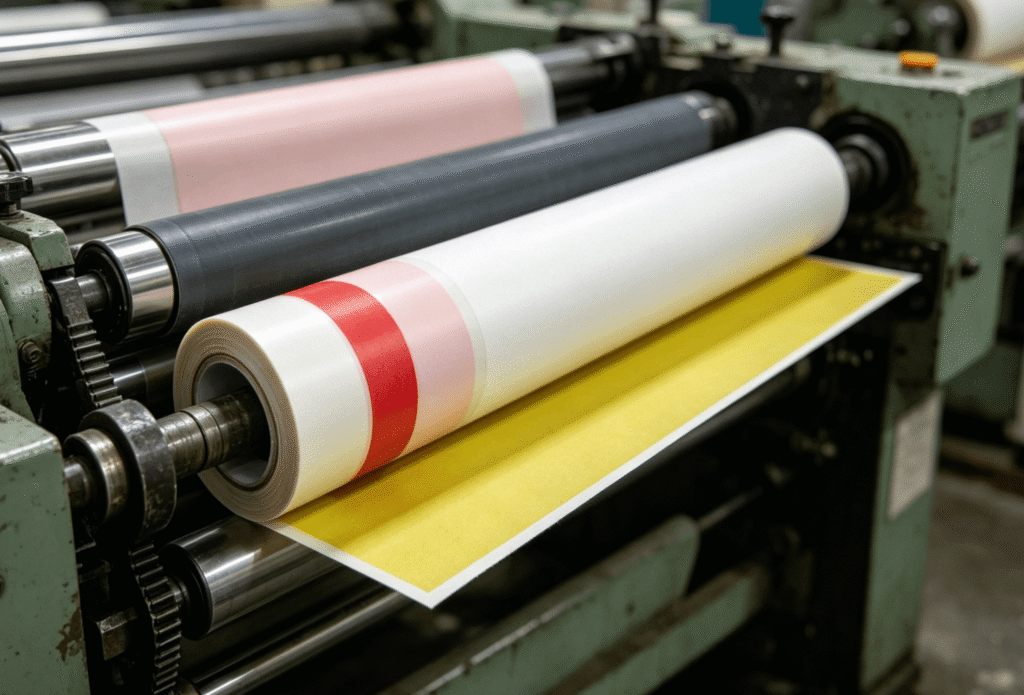
Efficiency in a print shop is measured by uptime and waste reduction. Plate mounting tape contributes to both metrics through advanced adhesive technology. Many tapes feature micro-channels in the adhesive layer. These channels allow air to escape during the mounting process.
Trapped air bubbles are a leading cause of print defects. If an air bubble remains under the plate, it creates a high spot. This spot receives more pressure and carries more ink, resulting in a visible blemish. Air-release technology ensures a perfectly flat mounting surface every time.
Data from production environments suggest that air-release tapes can reduce mounting time by up to 20%. They also lower the risk of having to stop the press to fix a lifting plate. This reliability is vital for maintaining tight delivery schedules in the packaging industry.
How to Determine the Best Tape for Your Application
Selecting the right plate mounting tape requires an understanding of your specific press variables. You must consider the plate material, the type of ink, and the substrate. Different plates have different surface energies, which affects how well the tape sticks.
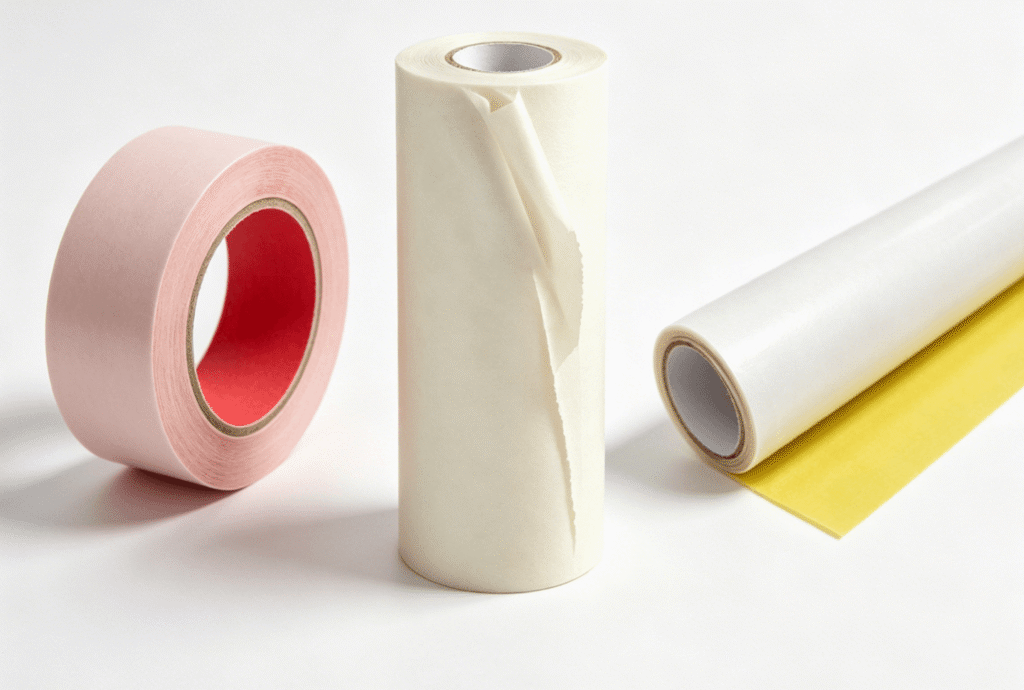
Plate thickness is another critical factor. A thicker plate might require a thinner tape to maintain the correct “repeat length” of the cylinder. If the total thickness of the plate and tape is incorrect, the printed image will be distorted.
You should also evaluate the removal process. If you use thin or fragile plates, you need a tape with a lower “plate-side” adhesion. This prevents the plate from stretching or tearing when it is removed after a job. Conversely, if you are running a long-term job, a higher adhesion might be necessary to prevent edge lifting over several days.
Effective selection also involves monitoring the compressibility recovery of the foam. High-quality tapes maintain their thickness even after millions of impressions. This ensures that the print quality at the end of the run is identical to the beginning. For more technical specifications and options, you can explore specialized plate mounting tape categories.
Summary
Plate mounting tape is a high-performance tool used to secure printing plates and optimize image quality. It provides the necessary adhesion to withstand high speeds while offering cushioning to control dot gain. By selecting the correct hardness and thickness, printers can ensure precise registration and reduce material waste. Ultimately, this tape is the silent partner that makes high-speed, high-quality printing possible.
FAQ
Q:What is the most common thickness for plate mounting tape?
The most common thicknesses are 0.38mm (15 mil) and 0.55mm (22 mil). These standards fit most flexographic press setups globally.
Q:Does plate mounting tape affect the color of the print?
It affects color density indirectly by controlling the pressure applied to the plate. Using a tape that is too hard can cause darker, oversaturated colors due to excessive dot gain.
Q:Why do some tapes have different colors?
Manufacturers use color-coding to identify different foam hardness levels. This helps operators quickly select the right tape for process, combination, or solid printing tasks.
Q:Can I reuse plate mounting tape?
It is generally not recommended to reuse tape. The adhesive and foam structure degrade after one use, which can lead to plate movement or poor print quality on the second run.
Q:How does air-release technology work in these tapes?
The adhesive surface contains microscopic grooves. These channels allow trapped air to flow out to the edges, preventing bubbles between the tape and the plate.
Reference Sources
- Flexographic Technical Association (FTA): https://www.flexography.org/
- FINAT – The European Association for the Self-Adhesive Label Industry: https://www.finat.com/
- Smithers – Print Industry Market Reports: https://www.smithers.com/